Why Your Bottomless Portafilter Is Spraying You in the Face
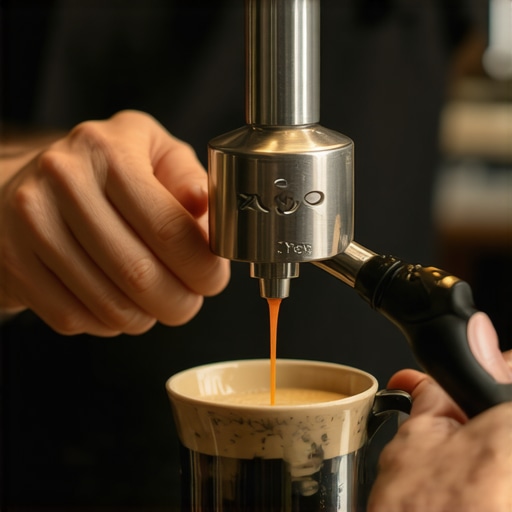
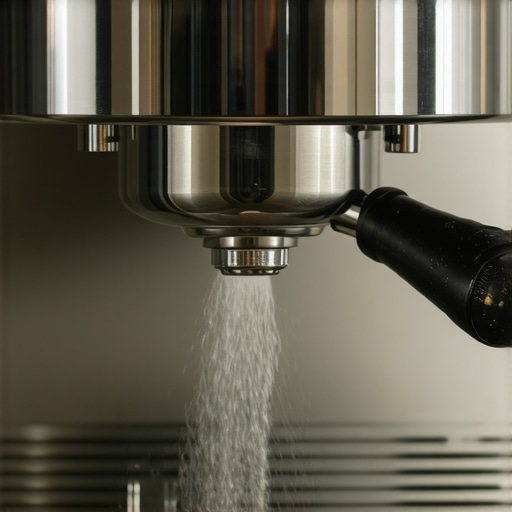
I remember the first time I had espresso pour straight into my face. It was a sudden, hot splash that left me blinking and sputtering, wondering what on earth went wrong. That moment wasn’t just embarrassing; it was a wake-up call that my home brewing setup needed some serious attention. If you’ve ever been in the middle of a shot and suddenly gotten an unexpected shower of coffee, you’re not alone. It’s a common frustration among enthusiasts trying to nail that perfect pull with a bottomless portafilter.
Frequent Spraying Isn’t Just a Nuisance—It’s a Sign of Deeper Issues
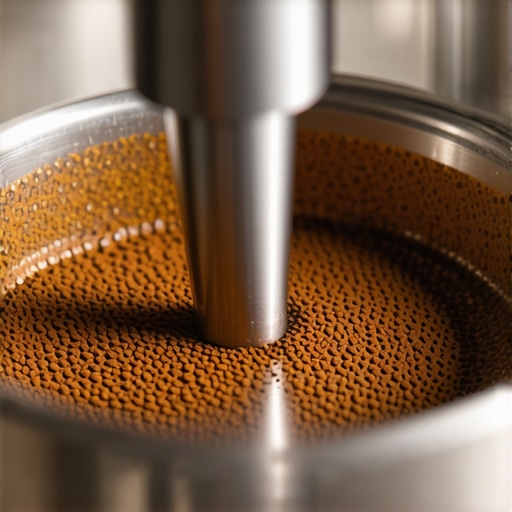
Many home baristas face this problem without realizing the underlying cause. The good news is that it’s often something fixable, saving you both mess and frustration. But first, let’s talk about why this happens. A bottomless portafilter, while brilliant for visual feedback and gauge of tamping consistency, exposes imperfections in your grind, tamping, or machine health. When any of these are off, they can cause uneven extraction, leading to water and coffee forcefully ejecting from the basket edges—sometimes right into your face.
Did you know that about 70% of espresso inconsistencies stem from poor grind distribution or uneven tamping? This statistic shows how the smallest details can significantly impact the shot and, unfortunately, result in messes like spraying. Early on, I made the mistake of thinking that just buying a better espresso machine would solve everything. But I learned that it’s the precision in how I prepared each shot that truly makes a difference. For more tips on foundational skills, check out [mastering the art of home espresso](https://espressotechguide.com/mastering-the-art-of-home-espresso-tips-for-beginners).
So, how do you stop your portafilter from turning into a mini firehose? That’s what we’ll explore next. Understanding the common causes makes tackling this head-on much easier. Ready to turn those sprays into steady, delicious shots? Let’s dive into the critical factors responsible for this unpredictable shower and how to fix them effectively.
Calibrate Your Grind for Even Extraction
Start by examining your grinder settings. An uneven grind can cause channeling, leading water to find weak spots and spray out of the basket. To fix this, adjust your grinder to a consistent, medium-fine setting. Test by pulling a shot and observing the pour. If it’s uneven or splattering, fine-tune gradually until the flow is steady. Remember, choosing the right grinder ensures more control over shot quality.
Master Your Tamping Technique
Uneven tamping creates weak spots that allow water to escape unpredictably. Use a calibrated tamper and apply firm, consistent pressure—about 30 pounds—each time. To develop this skill, practice on a scale until you can apply the same force naturally. Additionally, ensure the coffee bed is level before tamping; uneven grounds cause channeling. For a foolproof method, check out tamping techniques that prevent spray guns.
Distribute Grounds Evenly
Before tamping, use a distribution technique like the ‘knock-tap’ or a leveler to ensure your coffee grounds are evenly spread across the basket. This step prevents water from finding gaps and shooting out the sides. I once used a simple leveler tool and saw immediate improvement—the shot was cleaner and didn’t spray. For best results, consider investing in a portafilter cleaning brush to maintain hygiene and consistency.
Check Your Machine’s Pressure and Flow
If mechanical issues cause irregular water flow, your shots might spray regardless of preparation. Use a pressure gauge to verify your machine operates within optimal ranges (9 bars). If pressure fluctuates, descale your machine regularly to ensure clean water flow. Also, examine the group head gasket for cracks, which can cause uneven sealing and spray. For a comprehensive approach, see group head gasket inspection tips.
Ensure Equipment Is Clean and Well-Maintained
Clogged or dirty equipment increases the risk of spraying. Regularly backflush your espresso machine, clean the portafilter, and descale as recommended. Pay special attention to the brew head and portafilter holes; blockages divert water explosively. I learned this the hard way during a weekend coffee session—after a deep clean, my shots became smooth and spray-free. For detailed cleaning routines, review cleaning tips.
Experiment and Document Your Results
Lastly, keep a shot log. Record grind size, tamp pressure, distribution methods, and machine settings. Small adjustments can significantly reduce spray risks over time. Remember, consistency is key. A specific morning shot with the right grind, tamp, and distribution set me on the path to spray-free espresso. As you implement these steps, notice what works best for your setup and refine your technique accordingly.
Many coffee enthusiasts assume that upgrading equipment alone guarantees perfect espresso, but in my experience, this mindset often leads to overlooked nuances that are crucial for mastering home brewing. One prevalent misconception is that grinding finer always results in better extraction. While it’s true that grind size impacts flow, obsessing over fine adjustments without considering the consistency of your grind distribution can cause uneven extraction and even channeling, which might look like sprays or weak shots. For advanced users, understanding the grind’s particle size distribution is essential, as a narrow particle size range ensures uniform water flow through the puck, minimizing the risk of sprays and over-extractions. Scientific studies, like those from the Specialty Coffee Association, emphasize the importance of particle size distribution over just grind fineness for consistent shots.
Why do some baristas swear by delving into micro-adjustments when dialing in espresso, and is it truly necessary for home setups?
The answer is yes, but only if you’ve mastered the basics. Micro-adjustments—tiny tweaks to grind size or tamp pressure—are often overlooked by beginners, but they can significantly influence shot consistency and flavor profile. It’s a common trap to think that big swings in settings are needed; instead, small, deliberate changes can prevent over-extraction, under-extraction, and sprays. This approach requires a keen eye and consistent technique, which can be honed through keeping a detailed shot log. Research supports this meticulous practice, indicating that repeatability in parameters leads to better control over extraction characteristics. To get here, professionals advocate for habits like calibrating your grinder regularly and verifying tamping force, as these compound to optimize your machine’s performance. If you’re curious about advanced techniques, check out mastering the art of home espresso.Maintaining your home barista gear is essential for consistently great shots. Invest in a high-quality, digital **calibrated scale** like the Acaia Lunar, which provides precise measurements and helps you keep tamp pressure and dose consistent. Regularly calibrate your grinder using a **micro-adjustment technique**, such as the marker method—marking your burrs with a Sharpie to ensure they stay aligned over time. This prevents uneven grind size and channeling, which can cause sprays and bitter flavors.
How do I maintain my espresso machine and grinder over time?The Hardest Lesson I Learned About Home Espresso, Coffee Gear, and Self-Improvement
One of the most eye-opening realizations I had was that even the best equipment won’t save a poorly executed shot. It’s tempting to believe that upgrading your espresso machine or grinder will instantly solve all your issues, but the real game-changer is mastering the fundamentals—consistent tamping, grind distribution, and machine calibration. Small tweaks, like adjusting your tamper pressure or using a precision scale, created more noticeable improvements than any equipment upgrade ever did.
My Lightbulb Moments: What No One Tells You About the Perfect Shot
- I discovered that uneven coffee grounds distribution was the silent culprit behind unpredictable sprays. Using a leveler helped me achieve a more uniform puck, substantially reducing spray risks.
- Understanding the importance of a fine-tuned grind—particle size distribution—was crucial. Focusing solely on grind fineness without ensuring particle consistency led me to frustration and messes.
- Practicing micro-adjustments and keeping a detailed shot log allowed me to detect subtle changes in taste and spray patterns. Patience and observation trump big changes.
Curated Tools and Resources That Elevated My Home Brewing
- Acaia Lunar Scale: Precise measurement keeps tamp and dose consistent—essential for reproducibility.
- Mastering the Art of Home Espresso: This guide provided me with beginner-to-advanced tips that transformed my approach, especially on tamping and grind calibration.
- Portafilter Cleaning Brush: Keeping my equipment pristine prevented blockages that caused sprays and uneven extraction.
Don’t Wait for the Perfect Moment—Start Small Today
The journey to spray-free, delicious espresso doesn’t require instant perfection. Focus on small, measurable improvements—calibrate your grinder, practice tamping, and keep notes. Every shot you pull, every tweak you make, brings you closer to mastering home espresso. Remember, consistency beats perfection, and your dedication will pay off with richer flavors and less mess.
Have you ever fixed a seemingly minor issue that drastically improved your espresso shots? Drop your story below—I’d love to hear how small changes made a big difference for you.