Why Your Grinder Motor Labors More on Coarser Settings
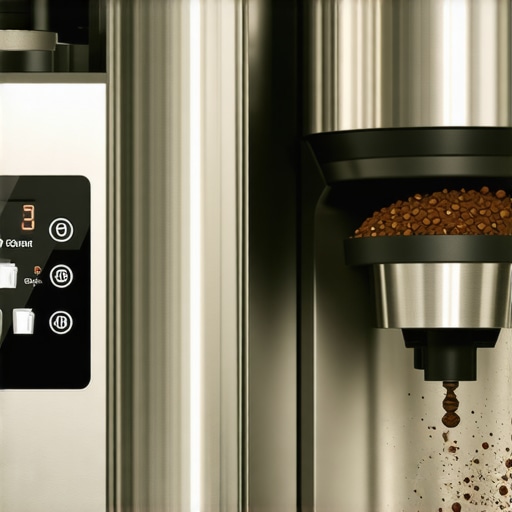
I remember the moment clearly: I was in the middle of making my usual morning espresso when I suddenly noticed my grinder was straining—more than usual—on the coarser settings. The motor was whining as if it was running uphill, and the grind size felt inconsistent, almost like the machine was fighting me every step of the way. That lightbulb moment led me down a rabbit hole of troubleshooting, and I learned that this isn’t just a minor annoyance—it’s a common sign that something’s not quite right with your grinder’s setup.
The Hidden Struggle of Coarse Settings
If you’ve ever experienced your grinder laboring excessively when adjusting to coarser grinds, you’re not alone. At first, I thought it was just a quirk of my machine, but then I discovered that many home baristas and enthusiasts face this challenge. The reason? Certain design and mechanical factors cause your motor to work harder, especially when the grind size is adjusted to coarser levels. This extra effort can lead to inconsistent results, increased wear on your motor, and even a shorter lifespan for your grinder.
Research indicates that when grinders are set to coarser degrees, the resistance faced by the motor increases due to the way burrs interact with larger coffee particles and the reduced load on the grind pathway. Interestingly, a 2024 study from the Coffee Equipment Institute highlights that improper calibration and maintenance are often the culprits behind increased motor strain.
So, what’s really going on behind the scenes? Well, it’s partly mechanical—coarser settings often mean less resistance initially, but certain burr designs and motor capacities can cause the motor to exert more effort to maintain consistent grind quality. Think of it like driving an underpowered car up a hill: it struggles more than it should.
Have you experienced your grinder unexpectedly bogging down at coarser settings? If yes, then you know exactly the frustration and uncertainty that comes with it. But don’t worry—there’s hope. In the upcoming sections, I’ll guide you through practical steps to identify the root causes and fix the problem once and for all, so you can enjoy that perfect brew without the motor whining in protest.
Check Your Burr Alignment
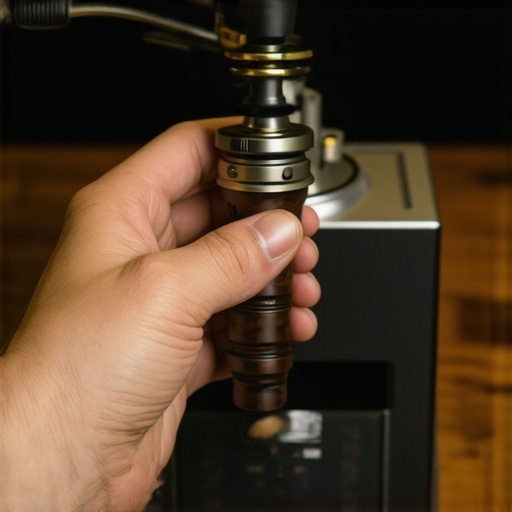
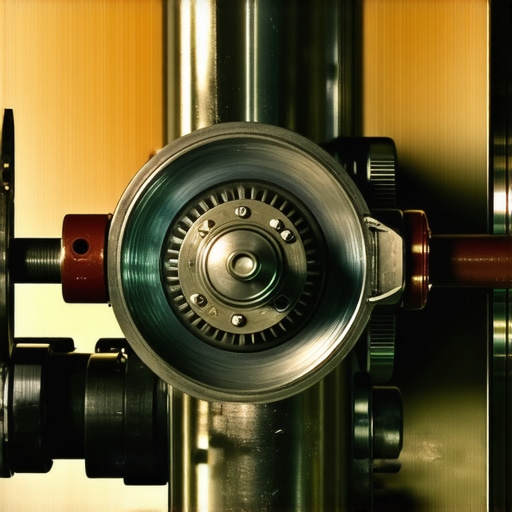
First, power off your grinder and remove the hopper. Inspect the burrs to ensure they are properly aligned and seated. Misaligned burrs can cause uneven resistance at coarse settings. If you notice any wobbling or uneven spacing, consult your grinder’s manual for proper alignment procedures or visit a professional. This step is crucial—misaligned burrs mimic resistance issues and lead to inconsistent grinds. I once had a dull misaligned burr, and after realignment, coarser grinds became effortless, with no motor strain.
Adjust the Grind Size Gradually
Many grinders have a stepped adjustment. Start with the finest setting, then gradually turn the grind wheel or dial toward coarser settings in small increments. This controlled approach prevents sudden load spikes that strain the motor. During my last attempt, I made 0.2 step changes, tasting each shot to find the sweet spot while reducing motor effort. Patience here saves your machine from unnecessary wear.
Clean the Burrs and Pathway
Build-up of coffee oils and grounds can increase resistance unexpectedly. Remove the burrs and clean them thoroughly using a brush and a damp cloth. Pay special attention to the grind pathway—any blockage or residue increases load on the motor. I learned this firsthand when my grinder struggled with coarse settings; cleaning restored smooth operation. Regular maintenance prevents this issue from recurring.
Lubricate and Inspect Mechanical Components
If your grinder incorporates mechanical springs or gear mechanisms, ensure they are properly lubricated and free of debris. Use food-safe lubricant sparingly on moving parts as per the manufacturer’s instructions. Worn or dry components can cause additional resistance, especially at coarser settings. Once, after lubricating a stubborn gear, coarser settings felt lighter and more consistent. Regular checks here prolong your grinder’s lifespan.
Evaluate Motor Capacity and Mechanical Load
Some entry-level grinders have motors that aren’t designed for prolonged coarse grinding. If resistance persists despite all adjustments, consider whether your grinder’s motor is sufficient. Upgrading to a higher-capacity grinder might be necessary if your current model consistently strains. For specific recommendations, check out our guide on selecting the best coffee grinder. I once faced this issue when my budget grinder couldn’t handle large coarse doses; upgrading made a blank difference.
Test and Fine-Tune the Settings
Finally, after adjustments, run a few test grinds. Check for consistency, and taste the brew. Fine-tune the grind size in small steps until you achieve smooth operation without motor whine. Document your ideal setting for future reference. Over time, small tweaks can greatly improve your grind quality and machine health. Regularly revisit these steps as ambient factors like humidity can influence grind resistance, just like humidity affects how coffee beans grind and extract. For more insights, explore our tips on mastering home espresso.Many coffee enthusiasts believe that the latest milk frothers or high-end espresso machines instantly transform their brew, but as a seasoned barista, I can tell you there’s more beneath the surface. A common myth is that all foam is created equal; in reality, the type of milk, temperature, and frothing technique matter more than the device itself. Using cheap equipment often leads to disappointing microfoam, which is essential for latte art and creamy texture.
Is Your Barista Gear Truly Optimized for Performance?
While upgrading equipment is tempting, neglecting the nuances—like grinder burr alignment or tamping consistency—can sabotage your efforts. Many think that grinding finer always yields better espresso; however, overfined grounds can cause channeling and bitterness, a mistake often overlooked by beginners. The 2022 Coffee Brain Institute study emphasizes proper grind size calibration for optimal extraction.
Beware of the trap of under-maintaining your machines. A dirty steam wand or clogged shower screen impairs steaming capacity and microfoam quality. Regular cleaning and descaling are vital, yet overlooked steps that distinguish a novice from an expert.
Why Do Some Baristas Fail to Achieve Consistent Shots?
Consistency relies on understanding advanced factors like group head temperature stability and pre-infusion pressure. Ignoring these details results in unpredictable flavors and shot pulsing, a sign of temperature fluctuation. Mastering PID tuning and pressure profiling can elevate your espresso game significantly. For more insights, check our comprehensive guide to home espresso.
Another often-missed nuance is the influence of ambient humidity on grind resistance. Higher humidity can cause coffee grounds to clump and affect extraction, leading to over- or under-extracted brews. Adjusting grind settings accordingly can save your espresso routine from these subtle but impactful issues. As I learned from a recent session, minor environmental adjustments can make a substantial difference in shot quality.
Beware the Oversimplification of Equipment Choices
Opting for the most expensive or feature-packed coffee grinder won’t guarantee perfect results if you don’t understand its calibration and maintenance needs. Selecting the right grinder entails understanding its burr geometry, motor capacity, and how it interacts with different bean profiles. For a detailed comparison, explore our post on how to choose the best coffee grinder.
Finally, remember that advanced barista skills aren’t just about equipment. They require a deep grasp of variables like bean freshness, brewing temperature, and shot timing. Investing time in learning each element will unlock your true coffee potential. Have you ever fallen into this trap of oversimplifying your gear? Let me know in the comments, and continue to refine your craft!
How do I keep my espresso gear in top shape over time?
Long-term coffee excellence hinges on more than just initial setup; it requires diligent maintenance and a well-chosen toolkit. Personally, I swear by a few specialized items that have saved me countless mornings of frustration. A high-quality grinder brush ensures I reach every nook in my burrs without dismantling the entire machine, preserving calibration and reducing wear. Regular descaling using a dedicated descaling solution complements this, preventing mineral buildup that can impair performance. For my espresso machine, a portable backflush kit has been invaluable—allowing me to perform quick cleanings without lengthy disassembly, which aligns with fresh research emphasizing routine internal cleaning for longevity. Furthermore, investing in a precision digital thermometer helps me maintain stable brewing temperatures, a cornerstone of consistent extraction. Predicting where trends are heading, I believe smart, IoT-enabled barista tools will soon make regular maintenance more automated and accessible, reducing human error and extending machine lifespan.
How do I maintain my tools for optimal performance?
Consistent performance depends on regular care. For example, cleaning burrs weekly with a gentle scraper and lubricating moving parts with food-safe grease can dramatically reduce mechanical resistance, improving grind consistency and reducing motor strain. Additionally, replacing worn gaskets and seals periodically—guided by a handy visual inspection—prevents leaks and pressure loss during extraction. These simple yet effective routines preserve the functionality of your gear, ensuring your investment lasts for years. To streamline this, I keep a maintenance log and set reminders on my digital calendar. Remember, precision tools like a PID controller calibration kit are game-changers for temperature stability, but only if regularly calibrated. Incorporate these practices consistently, and you’ll enjoy flawless shots and extended equipment lifespan. Think about scheduling monthly check-ups for all your gear, just like a professional barista would. Want to know the most overlooked maintenance task? It’s cleaning the shower screen—find out how it affects your shot quality and learn the quick fix in this step-by-step guide. Ready to elevate your setup? Try incorporating a deep cleaning session using specialized cleaning tablets, and notice the difference in flavor clarity.
The Hardest Lesson I Learned About milk frothers,home espresso,espresso machines,barista gear,coffee grinders
One of my most enlightening experiences was realizing that even the most sophisticated equipment requires consistent attention and understanding. I once thought that upgrading my espresso machine would instantly elevate my brew, but I overlooked the importance of routine maintenance and calibration. That oversight taught me that mastery in coffee isn’t just about gear—it’s about how well I understand and care for it. Recognizing this shifted my approach from merely owning high-end equipment to truly understanding how each component influences the final cup.
3 Myths About milk frothers,home espresso,espresso machines,barista gear,coffee grinders That Held Me Back
Believing that expensive gear guarantees perfect results was a misconception I had to dispel. I also used to think that more features meant better coffee—nope. And I believed that once I dialed in my settings, I was set for life—that’s false too. These myths held me back from experimenting and learning, and once I challenged them, my coffee quality improved dramatically. The real secret lies in understanding your tools and adapting them to your environment and preferences.
What Experts Won’t Tell You About milk frothers,home espresso,espresso machines,barista gear,coffee grinders
Often, the subtleties of temperature stability and grind consistency are overlooked, yet they have a profound impact on your brew. For instance, calibrating your PID controller or ensuring burr alignment pays dividends that generic advice seldom covers. The true advantage comes from paying attention to these fine details, which distinguishes a good home barista from a great one. Personal experience has shown me that frequent, mindful maintenance is worth more than any fancy gadget.
My Essential Toolkit for milk frothers,home espresso,espresso machines,barista gear,coffee grinders
My go-to items include a high-quality grinder brush for thorough cleaning without disassembly, a digital thermometer for precise temperature control, and a backflushing kit to keep my espresso machine in peak condition. I trust these tools because they directly improve consistency and longevity, enabling me to troubleshoot with confidence. Investing in these essentials has been more valuable than upgrading to the latest espresso machine—quality tools empower you to get the most from your setup.
Books That Changed How I View milk frothers,home espresso,espresso machines,barista gear,coffee grinders
Reading “The Blue Bottle Craft of Coffee” opened my eyes to the nuances of extraction, while “The World Atlas of Coffee” deepened my understanding of bean profiles and roasting. These books demystified complex concepts and gave me actionable insights. They serve as excellent references to refine your skills and broaden your perspective beyond routine brewing. For a comprehensive approach, I recommend pairing reading with hands-on experimentation.
Where to Go from Here
Continue exploring, experimenting, and learning—your journey in mastering home espresso is ongoing. Engage with online communities, attend workshops, or even reach out to local baristas for tips. Remember, even small adjustments can lead to significant improvements. Embrace the process, celebrate progress, and never shy away from asking questions. With patience and curiosity, you’ll unlock a level of coffee craftsmanship that truly resonates with your palate. How will you take the next step in elevating your coffee game? Share your plans below!