How to Clean Your Portafilter Without Removing the Basket
Have you ever hesitated before pulling the trigger on cleaning your portafilter, dreading the messy, time-consuming process of removing the basket? I sure have. There was a moment when I was in a rush to get my espresso shot, and as I looked at my cluttered worktop—dried coffee grounds, pesky oil stains, and all—I thought, “There has to be a better way.” That lightbulb moment changed my entire approach to maintaining my home espresso setup.
The Struggle Is Real: Cleaning Without the Hassle
Like many coffee enthusiasts, I’ve wrestled with the dreaded task of cleaning my portafilter. Removing the basket, soaking parts, scrubbing stubborn oils—it’s enough to make anyone want to give up and just buy coffee from a shop. But what if I told you that you can keep your portafilter clean and your workflow smooth—without ever removing the basket again? Stay with me, because I’m about to share a method that transformed my routine and could do the same for you.
Have You Faced the Frustration of Uncleaned Portafilters?
If you’ve ever felt that pang of frustration when your espresso starts tasting off or you notice a buildup of old coffee oils, you’re not alone. One early mistake I made was neglecting the importance of quick, regular cleaning that doesn’t involve dismantling my entire setup. According to respected barista experts, maintaining cleanliness is crucial for optimal flavor—and ignoring it can lead to clogged shower screens and uneven extraction, which no coffee lover wants. There’s a simple, effective way to stay on top of this, and I promise it’s easier than you think.
So, if cleaning your portafilter sounds like a daunting, time-draining chore, I invite you to keep reading. We’ll walk through straightforward tips that integrate seamlessly into your routine—keeping your gear in top shape and your coffee tasting fantastic. Ready to ditch the hassle and get your perfect shot every time? Let’s dive in.
Start with a Routine Clean After Each Shot
Immediately after pulling your espresso shot, remove the portafilter and give it a quick rinse with hot water to eliminate residual oils and grounds. This simple habit prevents buildup and keeps your machine running smoothly. I remember times I skipped this step, only to find my next shot tasting bitter or sour due to accumulated residues, which was frustrating and avoided easily with consistent practice.
Use a Barista Brush for Regular Brushing
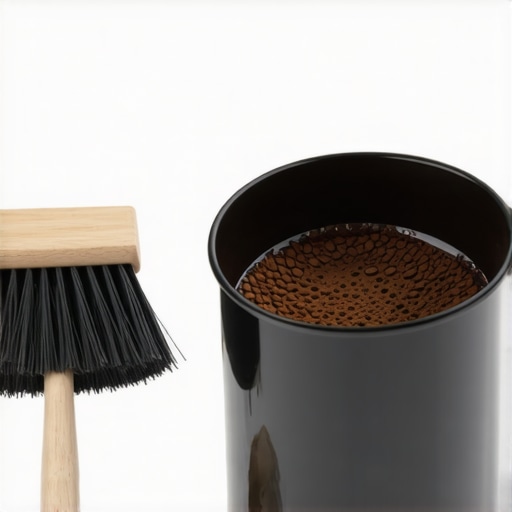
Invest in a dedicated cleaning brush like the one described in this guide to scrub your portafilter basket and shower screen weekly. During a busy weekend, I brushed my equipment meticulously, which took less than five minutes but dramatically improved my shot quality by removing coffee oils embedded in the metal mesh. Think of it as flossing—tiny daily actions that maintain overall health.
Backflush Without Dismantling
Learn to backflush your machine with a blind filter and a cleaning detergent designed for espresso machines. Follow the steps outlined in this tutorial. I did this on a slow Sunday morning, and after just a few minutes, my group head was pristine, and the water flow was smooth. It’s like giving your machine a spa treatment—refreshing and effective.
Clean the Shower Screen with a Remove-and-Soak Approach
Detach the shower screen periodically and soak it in a descaling solution or hot vinegar-water mix. Use a toothbrush to gently scrub away stubborn oil deposits. In one instance, I noticed my shots were channeling improperly; after cleaning the shower screen, everything flowed better, and the flavors improved noticeably. This step prevents pressure unevenness—much like unclogging a drain keeps water flowing freely.
Maintain Your Milk Frother for Quality Foam
Regularly clean your milk frother or steam wand to prevent milk residue from crusting and clogging. Follow the method in this comprehensive guide. I had a streak of high-pitched squealing from my wand until I cleaned the tip thoroughly; now, it produces silky microfoam like a professional. Think of your milk frother as a musical instrument—clean and tuned for perfect harmony.
Adopt a Weekly Deep Clean Schedule
Set aside time each week to perform a thorough cleaning of all removable parts, including water reservoirs, drip trays, and grinder burrs. Use the tips in this article for grinder maintenance. Once, during a hectic week, I dedicated fifteen minutes to deep cleaning, and my machine ran quieter and more efficiently. It’s like giving your car a service—small investment for long-term performance.
Stay Consistent for Long-Term Success
Developing these habits ensures your espresso setup remains in top shape without the cumbersome disassembly or guesswork. Over time, I noticed my shots became more consistent, and troubleshooting simple issues became straightforward. Think of maintenance as sharpening your tools—precision makes all the difference, and your perfect shot is within reach with just a few conscious steps.Many coffee enthusiasts assume that upgrading to high-end equipment guarantees perfect espresso every time. However, a common misconception is that fancy gear naturally produces better results without understanding the underlying nuances. For instance, many believe that simply buying a top-rated espresso machine ensures ideal pressure and temperature stability, but the real mastery lies in how you dial in your machine and maintain consistent brewing parameters. According to experts like Scott Rao, small adjustments and understanding your specific equipment’s quirks vastly influence the final cup quality instead of just its price tag.
Another frequent mistake is over-relying on the hype surrounding certain coffee grinders or milk frothers. While they are important, neglecting proper calibration and routine maintenance can negate their benefits. For example, a burr grinder that isn’t correctly aligned or calibrated can produce uneven grind size, leading to inconsistent extraction, regardless of how much you spend on it. Explore how this guide offers insights into selecting and maintaining your grinder for optimal results.
Have you ever fallen into this trap? Let me know in the comments.
### Why more expensive isn’t always better for home brewing
People often assume that investing in the most expensive gear guarantees superior coffee, but this isn’t necessarily true. The nuance lies in your ability to understand and operate the equipment correctly. For example, a high-end espresso machine may have advanced features, but without proper puck prep, dosing, and extraction timing, your shots will still underperform. Mastering these fundamentals is more impactful than chasing the latest model. Additionally, layering skills like temperature surfing or pressure profiling—techniques discussed in this resource—can elevate your game far beyond what hardware alone can achieve.
### Beware the trap of neglecting routine maintenance
One advanced mistake many home baristas overlook is neglecting regular maintenance of their equipment. Even the most capable machine will falter if its components, like the shower screen or group head gasket, aren’t kept in pristine condition. Think of your espresso gear as a precision instrument—dirty, clogged parts can cause uneven water flow and compromised flavor. Regularly cleaning and calibrating your setup, as suggested in this article, ensures consistent performance and longevity. Ignoring these small but essential tasks is a silent trap that ruins overall quality.
### Precision matters, but so does patience
An important nuance is balancing precision with patience. Rushing the process by tweaking grind settings or tamping pressure without paying attention to consistency can lead to varying results. Advanced enthusiasts often experiment with pressure profiling or tamping techniques to refine their extraction, but these require patience and meticulous attention. Recognizing that every variable counts helps in avoiding common pitfalls that hinder the pursuit of perfect espresso.
Ready to elevate your home coffee ritual? Remember, mastery involves understanding both your equipment and the subtle art of brewing. Dive into the detailed guides available on choosing the right gear and dialing in your grinder for best results. Don’t let misconceptions hold you back from brewing stellar coffee at home.
Keeping Your Equipment in Top Shape for Consistent Results
To ensure your home espresso setup remains reliable and produces cafe-quality results day after day, investing in a few precision tools and adopting effective maintenance routines is crucial. These aren’t just accessories; they’re the backbone of long-term performance. From calibration gadgets to cleaning essentials, the right tools make all the difference.
How do I maintain my coffee gear over time?
Consistency is key. I personally rely on a high-precision digital caliper to monitor grinder burr alignment, ensuring uniform grind size, which directly impacts extraction quality. Proper calibration prevents common issues like channeling or under-extraction. Additionally, using a portafilter pressure gauge helps me fine-tune tamping pressure, optimizing flavor and shot consistency. According to this article, precise measurements and adjustments are fundamental to mastering the craft.
Complementing these are regular cleaning tools: soft microfiber cloths, specialized cleaning brushes (like this one), and descaling solutions. I make it a point to thoroughly descale my machine quarterly, preventing mineral buildup that can compromise temperature stability and pressure. For grinders, I use a burr cleaning brush with non-abrasive cleaning pellets to remove residual coffee oils—a process detailed in this guide.
Tools I recommend for everyday care and tuning
Beyond measuring and cleaning, calibration tools like pressure profiling kits and temperature sensors have become game-changers. If you’re serious about dialing in your espresso, these enable you to replicate professional techniques at home. For instance, I use a PID temperature controller to maintain a consistent boiler temperature, which is vital for espresso temperature stability. As highlighted in this piece, investing in precise control devices dramatically improves shot quality over time.
Looking ahead, I believe the trend will lean towards smarter, app-controlled maintenance tools that can automatically suggest calibration or cleaning schedules based on usage patterns. Smart sensors integrated into machines may alert us when performance drifts—making maintenance less guesswork and more a seamless part of the routine.
To get started, pick one of these tools—perhaps a burr calibration kit—and set aside time this week for a thorough calibration of your grinder. Small investments in these precise tools can lead to big improvements in your coffee experience. Want to step up your game? Check out this guide for an overview of essential gear that complements these tools, and see how quality calibration can unlock hidden flavors in your beans.
The Hardest Lesson I Learned About Coffee Gear
One of the most profound realizations I had was that even the fanciest espresso machine can’t compensate for neglecting basic maintenance. I once believed that investing in high-end equipment was enough, but I learned that consistent cleaning, calibration, and care are what truly unlock premium flavor. The lightbulb moment came when I noticed my shots became inconsistent whenever I skipped routine cleanings—a simple reminder that technology needs love too.
Gear That Transformed My Coffee Routine
For me, the game-changer was adopting tools like a precision calibration kit and a dedicated cleaning brush. These essentials , trusted by pros, made routine maintenance feel less like a chore and more like savoring a well-crafted brew. They helped me detect issues I never knew existed—like subtle misalignments or oil buildup—that directly impacted flavor and consistency.
Brewing Happiness Starts with Good Habits
Deep down, I believe that the secret to stellar espresso isn’t just shiny gear but cultivating habits that prioritize regular upkeep. By setting small, manageable routines—like a quick backflush after each session or weekly deep cleans—I discovered that I could consistently produce shots that rival those at specialty cafes. It’s all about creating a routine that becomes second nature, transforming maintenance from a daunting task into an empowering part of your brewing craft.