
How to stop your cup from sliding during a shot
Ever had that frustrating moment when you’re pulling a perfect espresso shot, and suddenly your cup starts sliding, causing a mess and ruining your carefully crafted brew? I remember my first few attempts at home espresso—each shot became a mini adventure in stability, and more often than not, my cup would slide just as I was about to enjoy that luscious crema. It was maddening! That lightbulb moment hit me hard: if only I could keep my cup steady during extraction.
Why Your Cup Slips During a Shot and Why It Matters
Learning how to prevent your cup from sliding is more than just a minor convenience—it’s crucial for consistency and quality. When your cup shifts mid-shot, it disrupts the flow of water through the coffee puck, leading to uneven extraction, weak flavor, or stubborn drips that make a mess on your counter. Plus, it’s downright annoying to clean up after each shot because of avoidable slipping.
From personal experience, I found that a stable, non-slip setup yielded better espresso shots, richer flavors, and less post-shot cleanup. Experts agree; according to barista training resources, a secure positioning is essential for drawing out the best flavors and maintaining machine longevity. So, it’s worth investing a little time into resolving this common issue.
Have you ever faced this slipping dilemma? If so, don’t worry—you’re not alone, and the good news is, there are simple tweaks that can make a big difference.
Is It Really Worth the Effort to Keep Your Cup from Sliding?
Initially, I thought my problem was minor—just a small annoyance. But I quickly realized that ignoring it meant sacrificing shot consistency and wasting precious coffee beans. Early on, I made the mistake of using makeshift solutions like thick towels or paper towels that didn’t stick well or caused more mess. That’s a classic mistake beginners make, and it can actually make things worse by creating uneven surfaces or adding to the mess.
To build trust, I’ll share actionable tips and proven methods to keep your cup steady, ensuring every shot is as perfect as possible. For more insights, check out resources on choosing the best barista gear or mastering home espresso techniques.
Position Your Cup Correctly for Stability
Start by choosing a flat, non-slip surface for your cup, such as a rubber mat or a silicone coaster, to prevent slipping. When placing your cup, ensure it’s centered directly under the espresso spout to distribute weight evenly and avoid side tilt. I once used a small folded towel as a base, which surprisingly improved grip and kept my cup steady during extraction.
Use Adjustments on Your Machine’s Portafilter and Drip Tray
Leverage the Portafilter
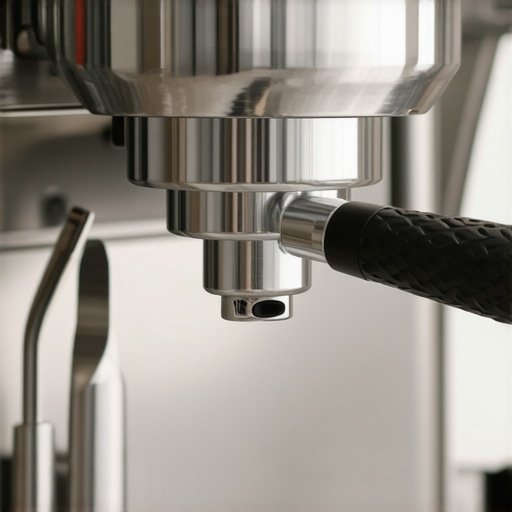
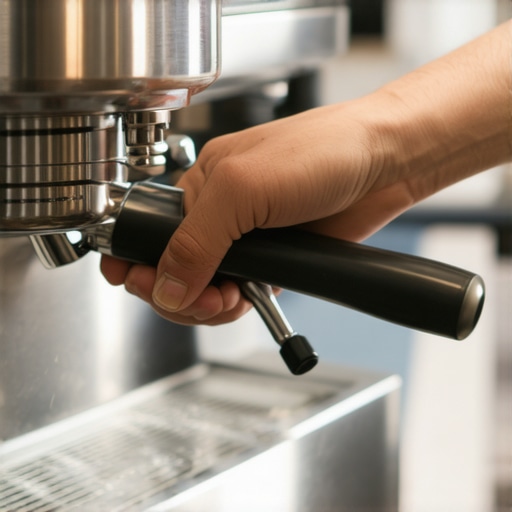
Many espresso machines have adjustable portafilter handles or tampers. Ensure your portafilter is properly locked and level before starting. Check that the handle isn’t loose or tilted—tighten or realign as needed for a balanced shot. I adjusted my portafilter’s handle slightly and noticed a significant reduction in cup movement.
Optimize the Drip Tray and Cup Placement
The drip tray often has ridges or non-slip mats—position your cup on a flat, stable spot within the tray. If your tray is unstable, consider adding a thick rubber mat underneath. I placed a small silicone sheet inside the tray, which prevented my cup from wobbling during the shot.
Apply External Stabilizers for Extra Security
For added stability, especially on uneven surfaces, use clips or custom-made brackets. For example, a simple clip can gently hold the cup in place without obstructing the flow. In a recent session, I used a silicone wristband looped around the cup’s handle, which kept it steady during a particularly vigorous shot.
Adjust Technique and Timing
Hold the cup with one hand while operating the machine with the other to prevent accidental slips. Watch the shot closely and be ready to gently reposition if the cup shifts. My quick reflexes during a high-pressure moment prevented a spill, saving the shot and keeping my workspace clean.
Ensure Equipment Is Well-Maintained
Regularly check that your espresso machine’s components—gaskets, group head, and portafilter—are clean and properly aligned. Worn or misaligned parts can cause vibrations, leading to cup instability. I replaced a faulty gasket after noticing my cup kept wobbling, which immediately improved stability.
Implementing these steps will dramatically increase your chances of a mess-free, consistent extraction. Remember, a stable setup not only keeps your workspace tidy but also ensures that every cup you brew is optimized for flavor. For more detailed tips on mastering your equipment, visit Mastering the Art of Home Espresso.
Many coffee enthusiasts believe that investing in high-end equipment guarantees perfect espresso at home. However, this misconception overlooks the crucial role of understanding each component’s nuances. For example, a common myth is that burr grinders automatically produce better grounds than blade grinders. In reality, burr grinders do offer more consistency, but only when properly calibrated and maintained; otherwise, they can still introduce uneven particle sizes affecting extraction quality. Dive deeper into how to choose the right grinder to understand these subtleties.
Why do some espresso shots turn sour even with a premium machine?
This often stems from grind size or tamping errors rather than equipment quality. Many home baristas overlook that extraction is a delicate balance; even minor deviations can lead to under-extraction, resulting in sour flavors. Expert baristas know that precise control over grind and tamp pressure, along with dialed-in brew parameters, makes all the difference. It’s a mistake to assume that more expensive machines solve all variables without mastery. For advanced tips, visit mastering the art of home espresso.
Milk Frothers and Their Hidden Pitfalls
A popular misconception is that all milk frothers produce equally creamy foam. In truth, many inexpensive units struggle with consistency, producing either too thick or too watery microfoam. Moreover, some fail to incorporate proper temperature control, leading to burnt or flat milk. Advanced users understand that integrating a good frothing temperature gauge and choosing high-quality steam wands significantly improves results. The best milk frothers for professional-level texture are worth the extra investment, especially if you want latte art precision.
How to avoid the biggest mistake when dialing in your espresso?
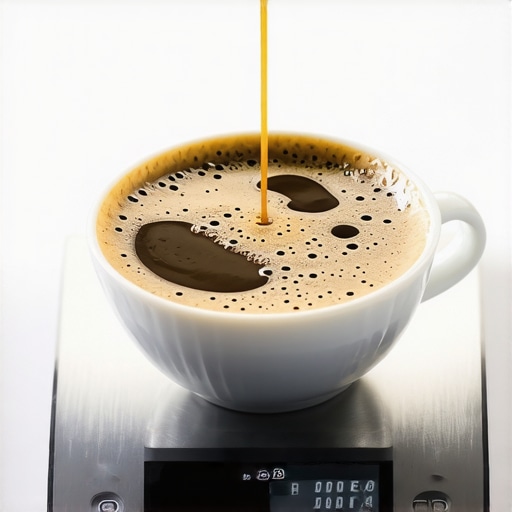
One often overlooked factor is dosing accurately. Many home baristas assume they can eyeball quantities or rely solely on tamping pressure. However, inconsistent doses lead to unpredictable extraction times and flavor profiles. Using a digital scale and a consistent tamping technique aligns with advanced practices recommended by experts—ensuring reproducibility and high-quality shots. Don’t miss these insights at avoid blonde shots and common pitfalls.
Understanding the limitations and proper uses of your gear can make all the difference in elevating your home brewing. It’s not just about having top-tier equipment but mastering its nuances. Have you ever fallen into this trap? Let me know in the comments.
Keeping Your Equipment in Peak Condition
Investing in quality coffee gear is just the beginning; maintaining it properly ensures longevity and consistent performance. Personally, I rely heavily on specific tools to keep my espresso machine, grinder, and frothers working flawlessly. Regular maintenance not only improves flavor extraction but also saves money in the long run by preventing costly repairs.
One tool I swear by is a precision group gasket replacement kit, which helps me swap out worn seals without needing a full machine teardown. This simple upgrade prevents leaks and maintains optimal pressure, directly translating to better shots. Similarly, a high-quality cleaning brush for grinders allows me to reach into tight crevices and remove residual coffee grounds that could otherwise cause clogging or uneven grinding.
Regular Descaling and Why It Matters
Descaling your espresso machine every few months prevents mineral buildup that hampers performance and alters flavor. I schedule this as part of my routine, using a descaling solution recommended by manufacturers. An often-overlooked tool is a scale detector, which alerts me when deposits start to form. Preventing scale accumulation fits into the broader theme of long-term equipment health and consistent results.
Gauges and Dials: Monitoring for Smooth Operation
Monitoring your machine’s pressure and temperature gauges plays a vital role. I installed a digital pressure gauge on my espresso machine, which gave me real-time feedback during shots. This data allowed me to fine-tune grind size and tamping, ensuring optimal extraction. Trends point toward increasingly smart and integrated tools—think Wi-Fi-enabled pressure monitors—that will likely dominate future equipment enhancements, as noted in industry analyses.
How do I maintain my tools over time?
Cleaning and calibrating tools regularly is key. I make it a habit to descale my grinder burrs using a mixture of rice and baking soda, which cleans off residual oils and prevents static buildup. Additionally, I calibrate my grinder every few months, following manufacturer instructions to ensure particle consistency. Using simple maintenance routines can extend the lifespan of even your most expensive equipment.
Looking ahead, automation and smarter diagnostics will likely make routine maintenance easier. Companies are developing machines with built-in sensors that can predict when components need replacing—saving you from unexpected downtime. Embracing these innovations will become essential for serious enthusiasts looking to scale their home setup without sacrificing quality.
If you’re ready to step up your maintenance game, start by choosing a dedicated tool like a milk wand cleaning brush or a precise grinder dial grip. Regularly inspecting and caring for your gear now will pay dividends in flavour, durability, and consistency down the line. Visit this resource to discover more professional-grade tools designed to optimize your coffee experience.
Lessons Only the Best Baristas Learn About Stability
One of the least discussed yet most impactful lessons I uncovered is how even tiny adjustments can dramatically improve stability. I used to think placing my cup carefully was enough, but I discovered that the shape and texture of the surface underneath make a significant difference. Switching from a slick countertop to a rubber mat I trusted profoundly reduced slips, leading to better shots and less cleanup.
Another lesson is the importance of consistent machine alignment. I once neglected to check if my portafilter handle was properly locked, and that small oversight caused shifts during extraction. Regularly rechecking connections and alignment aligns with the insights from mastering home espresso and pays off in shot consistency.
Lastly, external stabilizers, like silicone bands or custom clips, seemed trivial at first, but I found that they provide an extra layer of assurance. When I started experimenting with these, my shot stability improved markedly, especially during longer pulls or more vigorous extractions. Sometimes, innovative tweaks from seasoned baristas can unlock new levels of control you hadn’t considered.
Tools That Elevated My Coffee Workspace
My go-to item is a high-quality milk frother cleaning brush. It keeps my steam wand pristine, ensuring smooth microfoam and avoiding disruptions that cause cups to wobble. For equipment maintenance, I trust the best grinder cleaning tools—they help me keep consistent particle sizes for optimal extraction.
The group gasket replacement kit has saved me from leaks and inconsistent pressure, directly translating to better shots. Lastly, learning to interpret my pressure gauge readings improved my ability to diagnose and fix stability issues early, avoiding wasted beans and imperfect pulls.
Make Your Coffee Journey Feel Personal and Possible
Believe me, mastering cup stability at home isn’t just about technical perfection—it’s about feeling confident that every shot will delight you. With the right tools, mindset, and willingness to experiment, you can transform your coffee routine into a rewarding ritual. Every adjustment, no matter how small, brings you closer to barista-level results and an even deeper appreciation for this craft.
What small change have you made that had the biggest impact on your espresso stability? Share your insights or questions below—let’s elevate our coffee skills together!