Why Your Espresso Bar Workflow Is Slowing Down Your Morning
It was a rushed morning, sunlight barely filtering through the window, when I finally decided to make myself a shot of espresso. I had been excited to start my day with that perfect pull—only to be met with a sluggish, uncooperative machine and a workflow that felt more like a chore than a ritual. That moment of frustration was my lightbulb—realizing that my own coffee setup was sabotaging my morning routine, turning what should be a zen ritual into a source of stress.
Why Your Espresso Bar Workflow Is Slowing You Down
From the moment I started diving into home barista life, I didn’t realize how small things could snowball into major delays. I used to think that the key to a quick espresso was just having a good machine, but I learned the hard way that even minor missteps in my workflow could drag out the process—and ruin the flavor of my coffee. That inefficiency not only cut into my morning peace but also impacted the taste of my shots. The good news? You’ve got the power to streamline, optimize, and reclaim those precious minutes and those heavenly coffee notes.
Is Your Setup Actually Worth the Hype?
Early on, I fell for the common trap of endless gear upgrades, thinking that bigger, pricier equipment would automatically save me time. Spoiler: it didn’t. Instead, I was wasting time troubleshooting, cleaning, and adjusting because I overlooked simple setup tweaks and routine maintenance. According to coffee expert James Hoffmann, many espresso workflow issues stem from overlooked details in routine prep and cleaning, which can double your shot time and undermine flavor. The mistake I made was assuming that more expensive gear equated to better workflow, when in reality, the real magic happens when your gear is calibrated and maintained correctly. Want to avoid my rookie errors? Let’s focus on the essential, practical steps to fix your workflow—starting with a critical look at your routine.
Optimize Your Grinder First
Ensure your grinder is set correctly for your beans and shot size. Avoid grinding too much at once—grind only what you need to prevent stale coffee from affecting flavor and flow. I once tried grinding a week’s worth of beans in one go; the result was inconsistent shots and clogged grinder burrs. Use a quality grinder with a stepped or digital dial for precise adjustments, and calibrate your grinder regularly to maintain consistency.
Master Tamping Technique
Consider tamping as the foundation of good extraction—press too hard, and you risk uneven flow; too soft, and water passes too quickly. Use a tamper with a comfortable handle and apply steady, even pressure—think of it like stamping a passport, firm but controlled. When I focused on consistent tamping pressure, my shots became more predictable and flavorful. An effective trick is to use a level or scale to ensure uniform tamp pressure every time.
Preheat and Routine Maintenance
Preheat your machine, portafilter, and cup to stabilize temperature—this reduces shot variability. Think of your espresso machine as a race car that needs warming up to perform at peak. I now run hot water through the portafilter before brewing, which improved shot consistency. Regularly clean components like the shower screen and gasket—think of cleaning as tuning your engine for smooth rides. Check out this guide to proper cleaning routines to avoid buildup that hampers flow and flavor.
Perfect Your Pour Technique
Maintain steady, even pressure on the pour to ensure a uniform extraction. Practice pouring from a consistent height and speed—imagine controlling a garden hose to avoid splashes and uneven streams. During a recent shot, I focused solely on my pour rate, reducing the shot time and achieving a more balanced taste.
Leverage Accurate Measurement Tools
Use a precision scale to dial in your grind size and dose. I calibrated my scale with a coin to get accurate readings, which helped me reproduce perfect shots. Remember, small adjustments in dose and grind have outsized effects on flavor and flow. Recording your settings and results can accelerate your learning curve and make your routine more predictable.Many enthusiasts assume that upgrading their espresso machine or grinder will instantly elevate their brew. However, what most overlook are the subtle details that can sabotage even the best gear. For instance, a common myth is that high-end equipment guarantees perfect shots without proper calibration and routine maintenance. In truth, even premium machines require meticulous dial-in and regular cleaning to perform optimally. Cutting corners here can lead to inconsistent extraction and flavor loss. Another trap is relying solely on sophisticated milk frothers, believing they compensate for other workflow flaws. Yet, without mastering steaming techniques and proper milk temperature control, these devices won’t deliver barista-quality microfoam.
Is Your Investment Truly Worth It? Thinking Beyond the Obvious
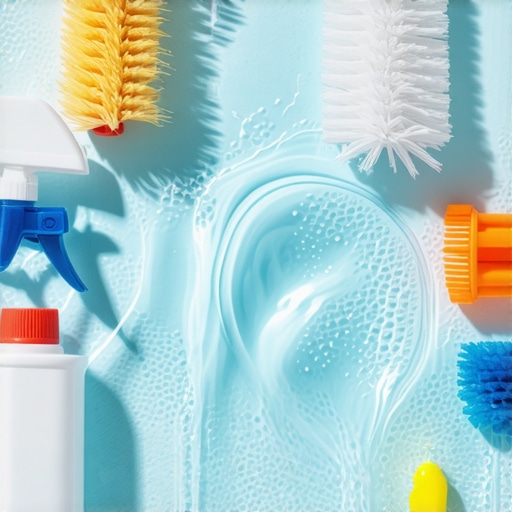
Many home baristas get caught up in gear hype, purchasing the latest gear inspired by hype rather than actual need. According to expert James Hoffmann, selecting the right equipment should focus on compatibility with your workflow and understanding its nuances. For example, a high-quality grinder with a precise adjustment dial is invaluable, but only if you learn to calibrate it correctly—otherwise, your shots will be inconsistent and worse than with a cheaper model. A common mistake is grinding too much coffee at once, which can cause stale beans and clogging issues. Learn more about the trick of dials and routines for grinder calibration to avoid these pitfalls. Also, heed the warning to avoid neglecting routine cleaning; buildup in the shower screen can dramatically affect flow rate and extraction quality. Regularly cleaning with a dedicated brush ensures your machine performs consistently.
Advanced Tips for the Discerning Enthusiast
For seasoned users seeking perfection, paying attention to temperature stability and pressure profiling can make a noticeable difference. Modern machines allow for nuanced control, but many neglect the importance of monitoring and adjusting these variables. Studies show that slight temperature fluctuations can lead to sour or bitter shots, even when grind size and tamping are perfect. This is why investing in a calibrated thermometer or a PID controller is often recommended for advanced setups. Moreover, understanding how to maintain optimal steam pressure—not just turning the knob blindly—can vastly improve milk microfoam. Regularly checking internal components and ensuring the proper working of safety valves help prevent pressure drops that compromise frothing quality. Want to get technical? Controlling pump pressure and optimizing flow rates require a good understanding of your specific machine, often achievable through direct pressure adjustments. Remember, even high-end gear won’t deliver if you ignore these invisible but vital nuances. Have you ever fallen into this trap? Let me know in the comments.Maintaining your espresso setup is just as crucial as choosing the right machine or grinder. Regular upkeep reduces downtime, preserves flavor, and extends the lifespan of your equipment. Personally, I rely on a few specialized tools to keep everything running smoothly. For instance, I use a dedicated portafilter cleaning brush to remove residual coffee oils and debris after each session, which prevents buildup that can clog flow. Additionally, calibrating my digital precision scale every few months ensures my doses are exact, leading to consistent extraction. As equipment technology advances, I see a growing trend toward smart maintenance tools, like automated descaling systems and apps that remind you when to clean certain components, making long-term upkeep more manageable. To future-proof your setup, invest in quality accessories like tempered tampers and durable portafilters, which resist wear and tear, ultimately saving you money over time. So, how do I maintain my espresso gear for sustained performance? I adhere to a routine that includes daily quick cleans, bi-weekly deep cleaning, and periodic calibration of my grinder and scale. Taking this disciplined approach not only prevents common issues but also ensures each shot sings with full flavor. Want to elevate your routine? Try setting a weekly calendar reminder to run a thorough cleaning cycle on your machine, incorporating the use of dedicated brushes and descaling solutions. Consistent maintenance is the backbone of excellent espresso—so start today and taste the difference in every cup.
Over the years, I’ve discovered that the journey to espresso perfection isn’t just about expensive equipment or fancy beans—it’s about understanding the nuances that most enthusiasts overlook. One of the most profound lessons I learned is that consistency in routine beats the allure of gear upgrades every time. Upgrading to a top-tier machine won’t fix fundamental workflow issues, but refining your technique and maintenance rituals will elevate your espresso game significantly. Remember, the real magic happens when your gear is calibrated correctly, and routine cleaning becomes second nature. Investing time in mastering tamping pressure, grind calibration, and temperature stabilization pays off more than any shiny new gadget.
Another insight I wish I had embraced sooner is that small, deliberate improvements compound into a dramatic difference. Adjusting your grind setting just slightly, ensuring your portafilter is preheated, or developing a steady pour technique can transform your shots from good to extraordinary. This is why I recommend systematically recording your settings and results—what works today might shift with humidity or bean freshness. These personal data points empower you to fine-tune your craft with confidence.
Insider Wisdom from My Home Espresso Journey
- Don’t underestimate routine maintenance: Regular cleaning of shower screens, gasket replacements, and scale calibration prevent flow issues and flavor degradation. These steps safeguard your investment and keep your machine performing optimally.
- Focus on mastering the fundamentals: Precise tamping, grind calibration, and temperature control have a more profound impact than adding new accessories or upgrading equipment.
- Embrace patience and experimentation: Small tweaks in your workflow can lead to big improvements. Keep a journal of what works and what doesn’t—this personal database accelerates your learning curve.
- Calibration is key: Whether it’s your scale, grinder, or machine temp, consistent calibration creates predictable, high-quality shots.
- Attend to the details: Properly aligned portafilters, freshly ground beans, and preheated cups might seem trivial but influence flavor and extraction greatly.
Where I Found My Best Resources for Espresso Mastery
- Dialing in your grinder taught me that small adjustments make big differences—it’s the foundation of consistent espresso.
- Securing your portafilter is often overlooked but crucial for safety and shot quality. It’s a simple fix that saves frustration.
- Cleaning tools have revolutionized how I maintain my equipment, ensuring long-term performance and flavor clarity.
- Calibrating your scale with a coin was a game-changer, allowing me to measure doses accurately and reproduce perfect shots consistently.
Your Moment to Elevate Habits and Unlock Espresso Potential
Every great home barista starts with small, deliberate changes. By focusing on routine calibration, diligent maintenance, and a deep understanding of your gear’s nuances, you unlock the true potential of your espresso setup. Remember, mastery isn’t about the gear—it’s about how you manage and care for it. So, take these lessons to heart, experiment fearlessly, and enjoy the journey toward barista-level coffee from the comfort of your home.
What step will you prioritize today to improve your espresso workflow? Let me know below!