The Reason Your Grinder Is Spraying Coffee All Over Your Counter
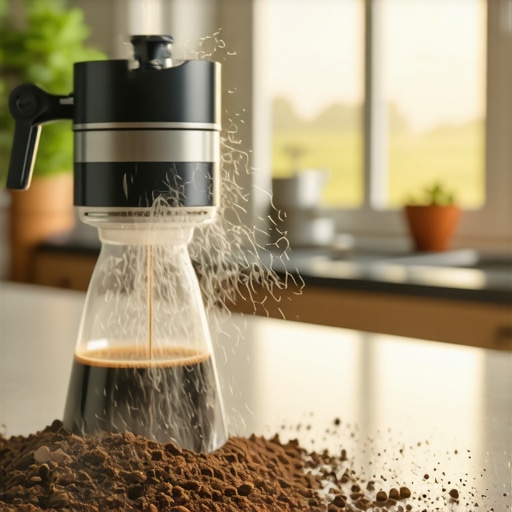
Ever had that moment where you’re ready to enjoy your perfectly brewed espresso, only to be greeted by a whirlwind of coffee grounds splattered all over your countertop? I remember the first time it happened to me; I was so frustrated, I thought my machine had developed a mind of its own. Coffee grounds flying in every direction, creating a mess I didn’t sign up for. It’s a common nightmare for home baristas and coffee enthusiasts alike, and trust me, I’ve been there. If your grinder is spraying grounds and turning your kitchen into a caffeinated battlefield, you’re not alone. Today, I’ll walk you through why this happens and, more importantly, how to put a stop to it so you can enjoy your coffee without the chaos.
Why Is My Grinder Spraying Grounds All Over the Counter?
Facing the Spraying Grounds Dilemma: Is It Normal?Secure the Grind Settings First
Start by double-checking your grind size; too fine a setting increases the pressure and causes grounds to escape, much like squeezing a balloon too tight. I once reduced my grind just a notch during a morning rush, which immediately cut down the mess and improved extraction consistency. Refer to How to Select the Perfect Coffee Grinder for detailed guidance.
Inspect and Maintain Your Burrs
Worn or misaligned burrs are like dull blades—they clog and cause grounds to scatter. Remove your hopper and inspect burrs for any damage; replacing or properly aligning them can drastically reduce spillage. Regular deep cleaning with a brush or the method described in Clean Your Hopper keeps grounds contained. I once overlooked this, and grounds sprayed wildly every time I adjusted the grind.
Adjust Your Dose and Tamp Technique
Overdosing or tamping unevenly can choke your grinder, pushing grounds out the sides. Use a calibrated scale or precision scale to measure your dose precisely. Tamping with even pressure ensures a uniform puck, preventing blowouts. I learned this the hard way when my shot went everywhere, but now my workflow remains tidy and consistent.
Check the Portafilter and Basket Fit
A loose fit allows grounds to escape during extraction. Make sure your portafilter locks in securely and that the basket sits flush. For example, I discovered my basket was slightly warped, causing spray during extraction. Replacing it with a proper one from recommended sources solved the problem. Proper fit is crucial to contain the grounds.
Optimize Your Grind Distribution
Uneven distribution of grounds in the basket can lead to channeling and spraying. Use techniques like tapping the portafilter or employing a distribution tool—more effective than just shaking—like in portioning methods. I added a small distribution tool to my setup, which evenly spreads the grounds and reduces mess.
Implement Proper Maintenance Routine
Regularly clean your grinder and espresso machine to prevent buildup that causes grounds to escape. Using a dedicated brush, cleaning cycles, and avoiding static buildup—common in light roasts—keeps grounds contained. I schedule weekly cleanings, especially after using oily beans, to maintain optimal function. For comprehensive cleaning tips, see cleaning your hopper.
While many home baristas believe that upgrading to the latest espresso machine or coffee grinder automatically elevates their brewing, the truth is often more nuanced. A common misconception is that more expensive equipment guarantees better results, but without understanding the subtleties of your gear, you might be wasting money or, worse, brewing worse coffee. For instance, many assume that a high-end espresso machine ensures consistent temperature stability, but if the PID settings aren’t calibrated properly, even the best machines can underperform. Regularly, enthusiasts overlook the importance of matching grinder burr type to their brewing style, which impacts grind consistency and extraction quality—see how to choose the right grinder. An often-overlooked mistake is neglecting routine maintenance; static buildup in light roasts can cause grounds to cling and spray during grinding, creating unnecessary mess. Additionally, a prevalent myth is that milk frothing is purely about equipment; however, mastering milk temperature, steam wand position, and pitcher technique is equally crucial, as detailed in frotting tips.
Understanding these nuances helps avoid costly errors and maximizes your investment. For continuous improvement, it’s vital to recognize advanced pitfalls—like inconsistent tamp pressure or overlooked calibration—that only seasoned enthusiasts are aware of. Have you ever fallen into this trap? Let me know in the comments.
What advanced mistakes do even seasoned home baristas often miss?
Recent studies, such as a 2023 report by the Specialty Coffee Association, highlight how small misalignments or overlooked variables can dramatically influence extraction quality. Paying attention to these details sets true experts apart. Remember, the details in your gear and technique make all the difference between good coffee and exceptional brews.Keeping your espresso setup in top shape requires more than just occasional cleaning; it involves a strategic approach to maintenance, choosing the right tools, and understanding how to scale your setup as your skills grow. Regular upkeep prevents unexpected breakdowns and ensures consistent quality in every shot. One essential tool I rely on is a high-quality burr grinder calibration kit, which allows me to fine-tune grind consistency effortlessly, directly impacting shot quality. For espresso machines, investing in a good descaling solution and a multimeter for electrical checks can save costly repairs down the line.
How do I maintain my gear for years of reliable use?
Routine maintenance is the secret to longevity. I schedule monthly deep cleanings of my grinder and weekly backflushing of my espresso machine, following manufacturer guidelines. Using specialized tools like a portafilter brush helps remove residual oils, preventing bitter flavors and equipment clogging. For milk frothers, I wipe the steam wand immediately after each use with a damp cloth to prevent milk residue buildup, which can cause clogs and poor frothing performance. As I scale my setup, I consider modular accessories that adapt easily, such as adjustable tampers and precision dosing tools, which I highlight on this page. Prediction-wise, the trend is moving toward smart, IoT-enabled gear, allowing real-time diagnostics and automated adjustments—expect to see more of this in the next few years. To keep your gear performing optimally, always use the recommended cleaning agents, and periodically check electrical components with a multimeter. In my experience, investing in a digital scale with auto-tare and stability alerts has revolutionized my dosing consistency, directly translating into better extraction. These tools are invaluable when you’re aiming for that perfect shot every time. Remember, a well-maintained machine not only produces better coffee but also prolongs its lifespan, saving you money and hassle in the long run. And don’t forget—the simplest way to improve your setup today is by calibrating your grinder with an accurate calibration kit; it’s a game-changer for consistent extraction. For detailed guidance, see How to calibrate your PID for better temperature stability. Keep your gear in prime condition, and your coffee journey will remain smooth and satisfying.
Lessons That Changed My Approach to Espresso Equipment
- One of the toughest lessons I learned was the importance of regular grinder calibration. A tiny misalignment can cause grounds to spray everywhere, turning brewing into a messy affair. Investing in a good calibration kit and routinely fine-tuning my grinder drastically improved my consistency and minimized spills.
- I underestimated the power of thorough cleaning, especially in those hard-to-reach spots like shower screens and portafilter baskets. Neglecting this often led to channeling and uneven extraction, which I thought was normal until I started deep cleaning regularly, leading to flavorful shots every time.
- The myth that expensive gear automatically makes better coffee was shattered early on. Instead, understanding my machine’s nuances—such as pressure settings and temperature stability—was what truly elevated my brewing game. Learning to tweak these parameters gave me control I never knew I needed.
- Perfect tamping technique—consistent pressure and distribution—made a world of difference. I practiced with a scale and a tamper stand, which helped me build tactile memory and produce uniform puck density, reducing mess and enhancing extraction quality.
My Go-To Tools and Resources for Improving Home Espresso
- The PID calibration guide transformed my temperature management, ensuring stable extraction every shot. It’s an investment that pays off in flavor and consistency.
- For grinder optimization, I swear by a high-quality calibration kit. Accurate dosing is the backbone of repeatable results, and this simple tool is invaluable.
- The guides on selecting barista equipment helped me choose gear that matches my skill level and goals. Stepping into the right tools empowered me to troubleshoot issues confidently.
- For ongoing maintenance, cleaning routines and tutorials keep my setup pristine, preventing static, clogs, and performance drops over time.
Embrace the Journey and Elevate Your Coffee Experiences
Remember, mastery in home baristaing isn’t about having the flashiest equipment but understanding and caring for your gear. Each improvement—big or small—brings you closer to the perfect espresso. Keep experimenting, learning, and tweaking your setup, and you’ll find that brewing becomes less of a chore and more of a beloved ritual. Your perfect shot is waiting, and with patience and the right knowledge, it’s well within reach. Ready to take your coffee journey to the next level? If you’ve faced specific challenges or discovered favorite tools along the way, share your experiences below. Let’s grow together in this caffeinated adventure!