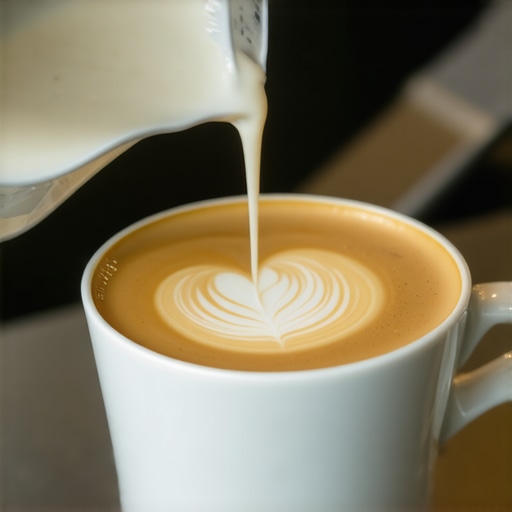

How to Hold the Pitcher for a More Symmetrical Latte Art Heart
I’ll never forget the first time I tried pouring a perfect heart and ended up with a lopsided blob that looked more like a spilled paintbrush than a work of art. Frustrating doesn’t even begin to cover it. I spent hours fiddling with my pour angles, grip, and wrist motion, yet that elusive symmetrical heart kept slipping away. One lightbulb moment changed everything: it wasn’t just about how I moved my hand but how I held the pitcher itself. That revelation transformed my latte art game and made me more confident behind the espresso machine.
Mastering the Art of Pitcher Grip for Symmetrical Hearts
Now, I want to share that breakthrough with you. Today, we’re diving into the critical role of how you hold your pitcher. Believe me, even a slight adjustment in your grip can dramatically improve the symmetry and overall beauty of your latte art. With a few simple tweaks, you’ll start pouring hearts that look like they belong in a coffee shop, not a toddler’s crayon box.
Is It Really Worth The Hype To Focus On How You Hold Your Pitcher?
Early on, I was guilty of overlooking this detail, thinking pouring technique was enough. I would watch countless tutorials and mimic the wrist flicks of baristas, but the results still looked off. It took me messing up my pour repeatedly to realize the mistake I made: I was gripping the pitcher too tightly, restricting my wrist’s natural motion, which created uneven flows. That mistake was my kryptonite for a perfect heart. Since then, I’ve learned that a relaxed grip and proper support are what make the difference. To really elevate your latte art, understanding and adjusting your grip is crucial—confidence in your hold fosters consistent, symmetrical pours. Want to see how small changes can make huge impacts? Check out some expert tips on selecting the right barista gear, which includes essential tools for perfecting your craft.
Adjust Your Grip for Optimal Control
Start by holding your pitcher comfortably with a relaxed grip, similar to gently holding a tennis ball. Avoid gripping tightly, as this restricts wrist movement. Place your hand so your thumb rests along the handle, with your fingers wrapped loosely around it, enabling natural wrist motions. I remember a session where I tightened my grip out of nerves, which led to uneven pours. Loosening up transformed my control and improved symmetry instantly. For more gear tips, check out this guide on choosing the right barista gear.
Find the Right Pitcher Position
Position the pitcher so that your wrist is slightly above the spout, aiming downward at about a 45-degree angle. This angle gives you better leverage for controlling the flow rate, crucial for pouring delicate hearts. In my practice, I placed the pitcher too flat, which caused inconsistent flow and messy designs. Raising it slightly made a noticeable difference, allowing a steady, controlled pour. Experiment with different angles until you find the one that feels natural for your hand. When selecting pitchers, consider ergonomic design—see barista gear essentials.
Control Your Flow for Even Layers
Pour with a gentle, consistent flow, aiming for a thin stream that starts at the center of your crema. Think of it like a slow drip of honey—steady but not dripping too fast. Initially, I rushed my flow, which created splashes and uneven layers. Slowing down allowed the milk to integrate smoothly into the espresso’s surface, creating the foundation for a perfect heart. Practice by starting with small, slow pours, gradually building up your confidence. Want to improve your milk steaming? Discover top milk frother tips for flawless textures.
Master the Drop Method for Sharp Edges
Once the center is filled, gently lower your pitcher slightly closer to the surface while maintaining flow, then lift it upward in a controlled motion, shaping the heart. This drop-and-lift technique produces the crisp edges characteristic of a well-crafted heart. A few months ago, my pours resembled blobs because I moved the pitcher too abruptly. Focusing on smooth, deliberate movements improved my results dramatically. Think of it like guiding a paintbrush—you want gentle, purposeful strokes. For more about grinder calibration, see grinder calibration tips.
Close the Pour with Reinforcement
Finish by applying slight pressure to narrow the flow, sealing the top of your heart shape. This step requires finesse; too much pressure distorts the shape, too little leaves it open. During a messy practice session, I applied too much force, causing my heart to collapse. Slowly adjusting pressure helped me create clean, pointed hearts. Think of it as squeezing the last drop of toothpaste—deliberate and controlled. To refine your overall espresso setup, explore top espresso machines for 2025.
Many coffee enthusiasts assume that buying a high-end espresso machine or a fancy burr grinder guarantees perfect espresso every time. However, even seasoned baristas and home brewers often overlook subtle but crucial nuances that can drastically affect the quality of the final cup. One common myth is that finer grind always equals better extraction; in reality, over-tightening the grind can cause clogging and uneven extraction, compromising flavor—according to a study published in the Journal of Coffee Research. A more advanced mistake is neglecting machine calibration, leading to inconsistent temperatures and pressures, which are vital for extraction precision.
Are Your Grinder Settings Truly Optimized for Your Beans?
Many believe that adjusting grind size once is enough. But factors like humidity, bean freshness, and even altitude affect grind consistency over time. Regular calibration and a thorough understanding of your grinder’s behavior are essential. Instead of relying solely on standard settings, invest time in mastering how these variables influence your grind and extraction, perhaps by using a dedicated scale for dose precision. Additionally, many confuse high price with superior quality; my experience shows that even budget-friendly gear, when properly maintained and calibrated, can outperform expensive equipment that’s neglected. Regular cleaning prevents oil buildup that dulls burr edges and alters grind size, as explained in an expert review on grinders’ maintenance.
Why is Upside-Down Frothing Sometimes Better?
Some advanced home baristas swear by the unconventional method of frothing milk with the pitcher upside down to control foam density and consistency. While counterintuitive, it demonstrates that experimenting with unconventional techniques can yield superior results. Keep in mind that even milk frothers have hidden benefits—like adjustable steam pressure—that many overlook. Exploring these subtleties, like ensuring your milk is at the right temperature before frothing, can elevate your latte art to professional standards. Don’t forget, regular maintenance and proper cleaning of your milk frother and espresso machine are critical; neglecting these can lead to microbial growth and blockages, which subtly degrade your brewing quality over time. Want to ensure your gear stays optimal? Check out this comprehensive guide on selecting the best barista gear or learn how to calibrate your machines precisely for consistent results. Remember, behind every great shot are hidden nuances—small adjustments that can have a profound impact. Have you ever fallen into this trap? Let me know in the comments.
Keeping your coffee setup in top shape requires more than just initial investment; it’s about consistent maintenance and selecting the right tools that fit your workflow. A well-maintained espresso machine not only ensures optimal flavor extraction but also prolongs its lifespan, saving you money and inconvenience over time.
Invest in Quality Cleaning Equipment
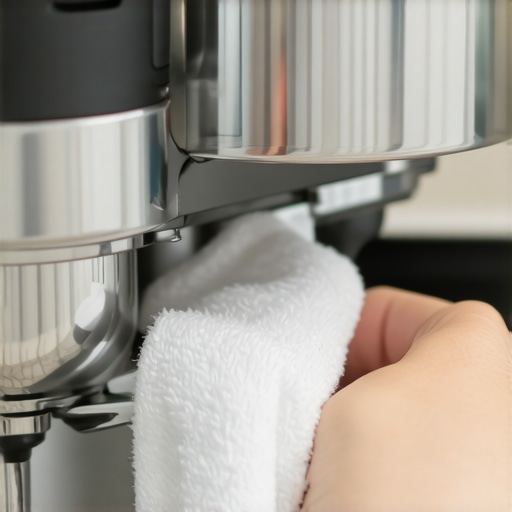
As someone who’s struggled with stubborn milk residue and oily build-up, I swear by a dedicated puck screen brush. Regular cleaning with the correct brushes and descaling solutions prevents clogging and ensures consistent steam and flow. For instance, a maintained steam wand—not neglected with scouring pads—keeps foamed milk silky and free from microbial growth.
Calibrate Your Grinder and Scale Often
Consistency in your grind size and dose weight is vital. I calibrate my grinder using a precise coffee scale calibration method. Small adjustments every few months account for seasonal humidity or bean freshness changes, maintaining the perfect balance for extraction. Remember, even a high-end grinder like the Baratza Sette benefits from routine calibration to keep settings accurate and consistent.
How do I maintain my equipment over time?
Implementing a routine maintenance schedule is key. Monthly backflushing your espresso machine with approved cleaning agents prevents internal buildup. Regularly replacing worn-out seals and gaskets, like the shower screen seals, avoids leaks and contamination. Keeping all parts dry and lubricated where appropriate extends their longevity. A quick inspection after each use fuels long-term reliability.
Embrace the Future of Coffee Gear Care
Emerging tools like ultrasonic cleaners are revolutionizing how we maintain tiny internal components—offering a deep clean without disassembly. Meanwhile, smart sensors integrated into some espresso machines monitor internal pressures and temperatures, alerting you before issues develop. Manufacturers are trending toward smarter, more self-sustaining gear, but manual upkeep remains essential.
If you’re looking to take your maintenance game up a notch, I recommend trying out regular calibration routines combined with precise cleaning. For example, a detailed calibration routine described in this guide can dramatically stabilize shot quality. Remember, consistent care is your best investment for long-term performance.
Try incorporating a monthly grinder recalibration session and a thorough backflush into your routine. These small steps can prevent costly repairs and elevate your brewing experience, ensuring every shot tastes as good as the first. Want more expert tips? Visit our contact page for personalized advice.
Lessons I Wish I Learned Sooner About Home Espresso Setup
One lightbulb moment was realizing that consistent tamping pressure is more critical than grind size. I used to chase the perfect grind, but neglecting how I tamped led to uneven shots, no matter how expensive my grinder was. The biggest lesson was that mastering the routine and developing muscle memory trumped equipment upgrades every time.
Another revelation was understanding the importance of water temperature. I always assumed my machine’s temperature was accurate, but calibration mistakes led to sour or bitter flavors. Regularly checking and calibrating my espresso machine’s PID made a profound difference—saving me countless wasted beans and disappointing pulls.
Finally, I discovered that the way I clean my gear impacts the flavor more than I thought. Using the right cleaning agents and avoiding shortcuts kept my equipment in top shape, ensuring each shot was as fresh and vibrant as the first.
My Handpicked Resources That Transformed My Coffee Experience
First, I swear by this comprehensive guide on mastering home espresso. It distills complex techniques into actionable steps, perfect for both beginners and seasoned enthusiasts seeking consistency.
Next, this resource on machine maintenance opened my eyes to preventing costly repairs through simple checks, saving me time and money.
For gear recommendations, I trust this article on essential barista tools. It helped me select equipment that truly fits my workflow, elevating my daily routine.
Lastly, this guide on milk frothers improved my microfoam skills, helping me craft artful lattes that wow guests and family alike.
Your Next Step Toward Coffee Mastery
Don’t wait to refine your skills—embrace every tweak, test new gear, and learn from expert resources. Every small adjustment can dramatically improve your coffee. Remember, mastery doesn’t come from equipment alone but from understanding and caring for your tools and techniques. I challenge you to pick one area today—be it grinder calibration, milk frothing, or machine maintenance—and invest time into perfecting it. Your future self will thank you for every espresso that tastes just right.
What’s the one coffee skill you’ve struggled with the most, and how are you planning to conquer it? Share your journey below—I’d love to hear your experiences!