The Proper Sequence for Cleaning Your Barista Tools After Every Shift
Ever had that sinking feeling at the end of a busy shift when you realize you forgot to clean your espresso machine’s group head or your grinder’s burrs—only to find stubborn coffee residues that are now a nightmare to remove? I’ve been there. One evening, after a long shift, I ignored my usual cleaning routine and woke up to a clogged steam wand the next morning. That lightbulb moment made me realize—skipping proper cleaning isn’t just about aesthetics; it directly impacts the taste and longevity of my equipment. Trust me, neglecting these steps can lead to stale flavors, microbial buildup, and costly repairs.
Why a Consistent Cleaning Sequence Changes Everything
When I first started bartending, I thought quick rinses between drinks were enough. But I quickly learned that residues—grease, coffee oils, milk fats—build up over time, leading to bitter shots and machinery breakdowns. Establishing a proper sequence for cleaning your barista tools after every shift isn’t just a chore; it’s the foundation of a consistent, high-quality coffee experience. A well-maintained setup ensures each espresso shot is as fresh and flavorful as the first, and that your equipment lasts for years. Regular cleaning keeps your machine performing at its best, reduces breakage, and saves you money in the long run.
Is Daily Cleaning Really Worth the Time?
This was my biggest skepticism—was it really necessary to dedicate time daily? I was worried it would slow me down or seem like overkill. But I made a crucial mistake early on: I believed a quick wipe was enough. That led to oil buildup, clogging, and even flavor transfer, which took me hours to fix later. Now, I understand that developing a simple, repeatable sequence—covering everything from grinder burrs to steam wands—can actually save time and frustration. Proper cleaning isn’t a hassle; it’s an investment in quality and efficiency. If you’re curious, I highly recommend checking out why your grinder squeaks—because proper maintenance begins with knowing your tools inside out.
So, if you’ve ever faced the sinking realization that your coffee’s off or your equipment squeals in protest, you’re not alone. The good news is, once you establish a proper routine, you’ll notice improvements in flavor, machine longevity, and even your daily workflow. Ready to learn the exact steps I swear by? Let’s dive into the proper sequence for cleaning your barista tools after every shift—so you can keep your coffee fresh, your gear happy, and your mornings hassle-free.
**
}#}# Answer })}#}# Question If I want to keep my espresso machine and grinders in perfect shape, what should be my daily cleaning routine? Please give me a step-by-step guide. 😊 {
Start with the Grinder Burrs
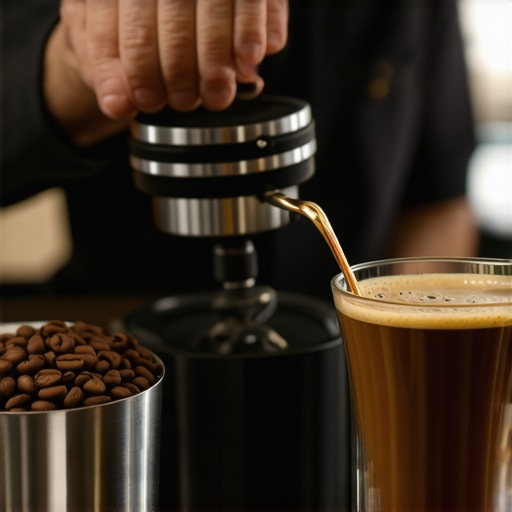
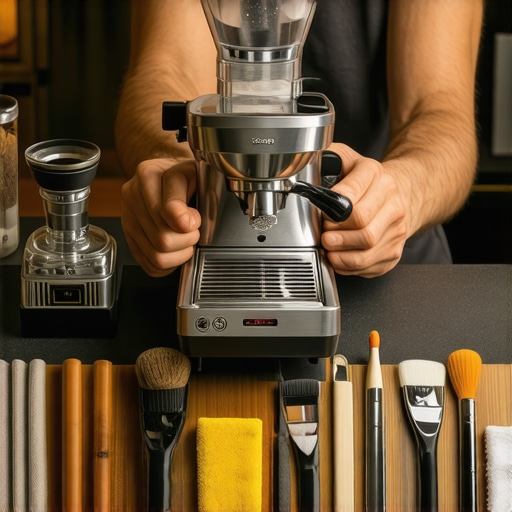
Every day, begin by unloading your grinder and removing the hopper. Use a cleaning brush to sweep away residual coffee grounds from the burrs and chute. Then, run a small batch of coffee through to clear out fine grounds. Last, wipe the exterior with a damp cloth. I once skipped this step and noticed bitter flavors creeping into my shots—clean burrs always improve clarity.
Tackle the Portafilter and Basket
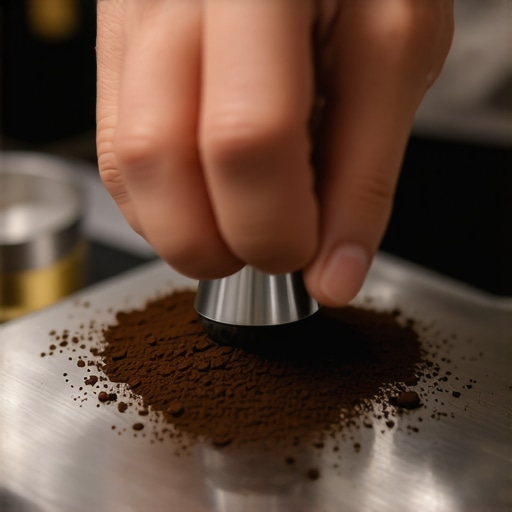
Pull out your portafilter and soak it in warm water with a splash of natural cleaner or a vinegar solution. Use a soft brush to scrub the basket, paying attention to the ridges that trap grounds. Once rinsed, dry thoroughly to prevent corrosion. I once neglected this, which caused stubborn residue that affected extraction; regular scrubbing keeps this in check.
Clean the Group Head Thoroughly
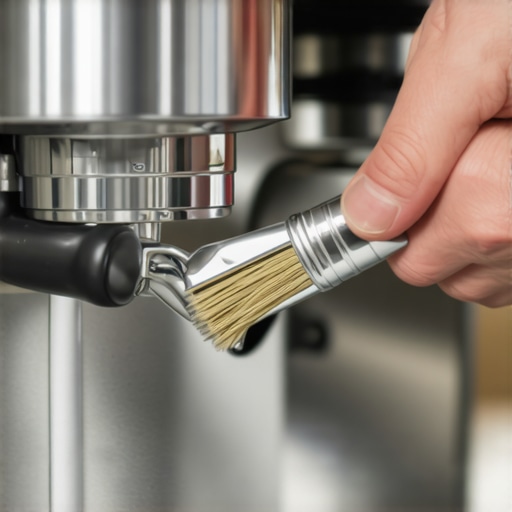
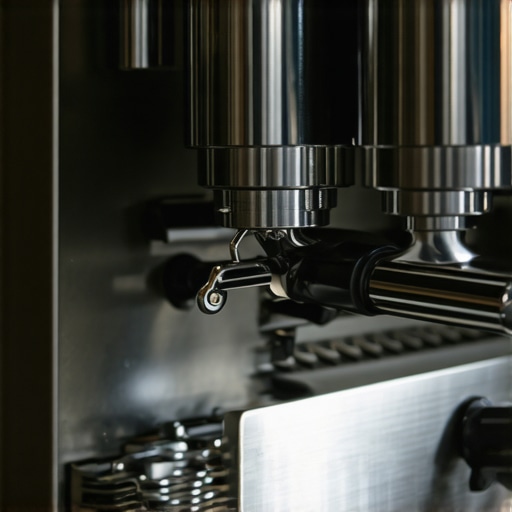
Remove the filter screen and wipe the gasket. Use a group head brush to scrub the channels and flush with water. This prevents clogs and ensures even water flow. After a busy morning, I had a shot channeling—regular cleaning eliminated this issue.
Flush the Steam Wand and Milk Line
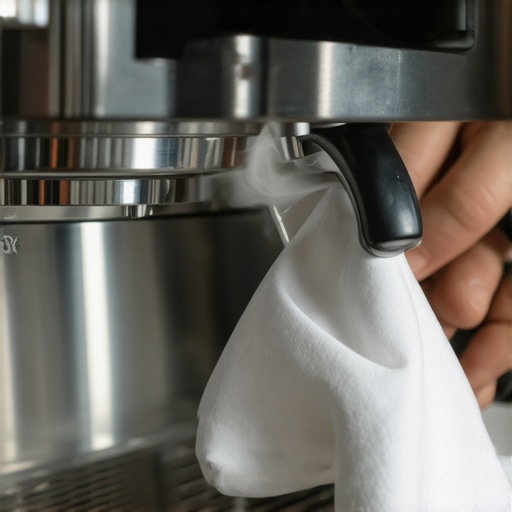
After steaming milk, purge the wand to clear residual milk and prevent clogging. Wipe with a damp cloth and run steam briefly to clear any dried milk crusts, which can cause sputtering. I once ignored this; my wand spat water instead of steam—simple routine maintenance prevents that.
Wipe Down External Surfaces
Use a damp cloth to clean all exterior surfaces, including control panels and handles. Dry with a microfiber towel to remove fingerprints and water spots. This keeps your gear looking professional and functioning smoothly. I noticed my machine’s buttons sticking less after this simple step.
Check and Maintain Water Quality
Ensure the water reservoir is clean by rinsing it thoroughly. Replace filters regularly and use filtered water to prevent scale buildup. I learned that mineral deposits reduced performance and caused maintenance headaches—preventative care is key. For deeper internal cleaning, consider a flushing routine to keep the boiler scale-free.
Final Quick Check
Inspect all seals, gaskets, and moving parts for wear. Tighten loose fittings and apply lubrication where necessary. Doing this daily avoids surprises—and I caught a minor leak early, saving repairs. Consistency here makes sure your equipment runs smoothly and lasts longer.
Assumptions About Quality Gear Can Lead You Astray
Many home baristas assume that purchasing high-end espresso machines or grinders guarantees perfect shots every time. However, the truth is, even premium equipment requires nuanced maintenance and understanding. For instance, people often believe that brand reputation alone ensures durability, but neglecting regular cleaning routines can nullify those advantages. An overlooked nuance is how burr set alignment impacts extraction consistency; misaligned burrs produce bitter or sour espresso, regardless of the machine’s price point.
The Myths That Could Sabotage Your Brew
A common myth is that all coffee grinders are created equal. Yet, mastering the art of grinder calibration and understanding burr settling is crucial. Failure to do so can cause inconsistent grinds, leading to uneven extraction. Similarly, many assume that milk frothers require no special care beyond basic cleaning. In reality, milk residue buildup inside the wand can cause sputtering and poor foam quality; a neglected detail that impacts microfoam texture.
Why Advanced Barista Gear Maintenance Matters
For experienced enthusiasts, the real challenge lies in understanding how internal system interactions influence overall performance. For example, even a well-maintained espresso machine can underperform if scale buildup inside the boiler isn’t addressed. This often unseen problem causes temperature inconsistencies and pressure drops, thus ruining shot quality. Recognizing these hidden nuances can dramatically elevate your home setup from amateur to pro-level.
Remember, it’s the small, often overlooked details—like gasket integrity or cleaning sequence timing—that make a tangible difference in the long run. Don’t fall into the trap of thinking that premium gear alone is enough; mastery of nuanced maintenance defines true expertise. Have you ever fallen into this trap? Let me know in the comments!
Upgrade Your Toolbox for Optimal Performance
To keep your espresso machine and grinders performing at their best, investing in the right tools is crucial. I personally swear by a high-quality grinder cleaning brush—it’s essential for removing coffee grounds from burrs and chutes daily. A precision burr setter gauge helps me periodically verify and recalibrate burr alignment, ensuring consistent grinds. For cleaning of internal components, I use a pulsed cleaning tablet designed for espresso machines—this keeps boilers and internal pathways free of scale and gunk, extending equipment lifespan.
Implement Consistent Maintenance Rituals
Developing a routine involves more than just daily cleaning; scheduling monthly internal flushes and descaling sessions prevents mineral buildup that can impair performance. I set reminders to replace water filters every two months and always check gasket seals for signs of wear, replacing them before leaks develop. Using tools like a digital temperature tester allows me to verify that my espresso machine maintains accurate brew temperatures over time, which is vital for consistency.
Preparing for Long-Term Health of Your Gear
Building a knowledge base on how your tools behave over time is part of responsible maintenance. For example, I noticed my grinder’s motor was starting to strain intermittently—a sure sign to inspect internal bearings and clean dust buildup. Keeping a log of maintenance activities helps me track wear patterns and plan replacements proactively. As equipment advances, smart diagnostics and monitoring apps are emerging, promising even more precise long-term care in the future.
Why Equipment Scaling Can Surprise You
Scaling is often overlooked until performance drops. Regularly inspecting components such as steam valves and adjusting them with calibration tools prevents pressure inconsistencies. My personal approach involves a detailed calibration routine that has saved me from costly repairs. Recent developments in sensor-based diagnostics suggest that in the near future, home baristas will be able to remotely monitor their machines’ health, akin to smart devices, making maintenance even simpler.
Where Is Home Espresso Maintenance Heading?
The future of gear upkeep points toward automation and AI-driven diagnostics, making it easier than ever to catch issues early. I predict that integrated sensors in machines will provide real-time feedback on internal conditions, indicating when to clean or replace components. For now, though, I recommend trying my tip of installing a burr alignment gauge—it’s a game-changer in maintaining consistent grind quality and shot flavor.
Beyond the Manual: Lessons Only Experience Teaches
One of the toughest lessons I learned was that even the most expensive equipment can’t compensate for neglect. For example, I once thought my high-end grinder would stay perfect just by routine cleaning, but I ignored burr calibration for months. The result? Inconsistent grinds and bitter shots—the kind that only a seasoned barista can recognize. That experience taught me that continual attention and a willingness to learn the intricate details about my gear’s behavior are what truly elevate my espresso game.
Another revelation was understanding the importance of internal flushing of my espresso machine. I used to dismiss deep cleaning schedules, believing daily wipe-down was enough. Until, one day, I noticed a strange metallic taste developing in my shots. A thorough internal flush using proper tools and solutions restored my machine’s performance—and my confidence in routine maintenance.
Finally, I realized that no matter how advanced my gear is, my technique is only as good as my maintenance routine allows. When I started adhering strictly to a cleaning sequence, my shots became more consistent, and my machine lasted longer. Personal experience often shines a light on areas that instructions overlook—embrace it.
Tools That Keep My Coffee Classic
Over the years, I’ve found that investing in specific tools makes maintenance less of a chore and more of a ritual. A quality grinder cleaning brush is indispensable for daily burr maintenance, and a digital calibration gauge ensures my grinder remains precisely aligned, preventing inconsistent extraction.
For internal cleaning, I swear by descaling tablets designed for espresso machines. They keep my boiler pristine, avoiding the scale buildup that can cause pressure inconsistencies. These tools help me keep my setup performing like new, time after time.
To stay on top of wear and tear, I maintain a simple log of maintenance activities—replacing gaskets, checking seals, and scheduling internal flushes—so nothing catches me off guard. Pairing this with a few smart diagnostics makes all the difference in the long run.
Keep Your Passion Brewing Forward
Steam, milk, shots—this isn’t just about hardware; it’s about cultivating a skill and understanding that grows through consistent care. Each small maintenance task is an investment in quality, confidence, and enjoyment. If you’re ready to elevate your home espresso setup, start embracing these insider practices. Share your biggest gear challenge below—I’d love to help troubleshoot or hear your stories about mastering your equipment.