The Fix for a Squeaky Steam Lever on Your High-End Machine
Ever felt that sudden jolt of frustration when your high-end espresso machine’s steam lever squeaks loudly just as you’re about to create that perfect microfoam? I remember the first time it happened to me—my heart sank, and I wondered if I had somehow messed up a simple adjustment. It was one of those lightbulb moments that sparked my curiosity and led me to explore real solutions instead of just ignoring the noise.
Why a Squeaky Steam Lever Can Sabotage Your Coffee Routine
That unruly squeal isn’t just an annoyance; it can be a sign of underlying issues that might affect your machine’s longevity and performance. Over time, neglecting the squeak can lead to more serious problems like leaks or even internal damage. Plus, that squeaky lever can throw off your rhythm when you’re aiming for barista-quality froth. Trust me, once I tackled my squeaky problem, my milk texture improved significantly.
Have You Faced This Frustration?
If your steam lever squeaks every time you use it, you’re not alone. Many enthusiasts start with a simple assumption—maybe it’s just the age of the machine or lack of lubrication. But often, there’s a straightforward fix that can bring back smooth, silent operation. Early on, I made the mistake of spraying lubricant into the lever mechanism without properly identifying the root cause—don’t do that! Proper diagnosis and targeted fixes can save you time and prevent further damage.
In this guide, I’ll share my personal experience and practical tips on how to silence that annoying squeak once and for all. If you’re tired of hearing that high-pitched noise every morning or just want to maintain your machine in tip-top shape, keep reading! We’ll cover everything from simple lubrication techniques to more involved adjustments, so you can get back to brewing without the distraction of squeaky noises. Ready to restore that smooth lever feel and enjoy your coffee rituals more? Let’s dive into the solution together.
Inspect and Clear Obstructions
Start by unplugging your machine for safety. Remove the steam wand and check for any mineral buildup or blockages that might cause resistance. Use a pin or needle to clear any clogged holes in the wand tip, as small obstructions can make the lever squeak when moved. I once had to clear a stubborn mineral deposit in my steam wand using a descaling solution, and afterward, the lever moved much more smoothly.
Identify if the squeak occurs only when the lever is in certain positions, indicating an internal obstruction or misalignment needing attention.
Lubricate the Pivot Points Properly
Apply a food-grade lubricant specifically designed for espresso machines. Avoid generic oils or WD-40, as these can contaminate your coffee. Use a small amount on the pivot points of the steam lever—where it attaches to the frame and moves to open and close. To do this, remove the lever assembly if possible, clean the pivot area with a damp cloth, and apply the lubricant with a toothpick or fine brush for precision. My experience with this step drastically reduced the squeak—just be cautious not to over-lubricate, which can attract dust or cause buildup.
Check and Tighten Loose Parts
Loose screws or bolts can also cause squeaking noises as metal parts rub when you operate the lever. Use a screwdriver to tighten any loose fasteners around the steam lever assembly. Pay special attention to the mounting bracket and any hinges. I once overlooked a loose screw, and it only worsened the noise until I properly tightened everything. This step ensures no unnecessary movement or vibrations are causing the squeal, effectively restoring smooth motion.
Adjust Internal Mechanisms
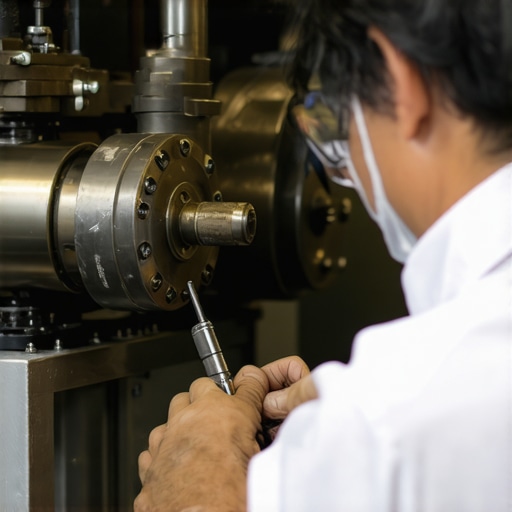
If the squeak persists after cleaning and lubricating, inspect the internal linkage or spring mechanisms connected to the steam lever. Sometimes, a misaligned or worn-out spring can create friction, leading to squeals. Carefully adjust or replace these components if accessible. For my own machine, I followed a detailed guide on how to calibrate the internal linkage, which eliminated the squeak and improved lever responsiveness. Be sure to consult your machine’s manual or contact a professional if you’re unsure about internal adjustments.
Resilver and Test
After completing cleaning, lubrication, and adjustments, reassemble all parts and run a test shot or steam cycle. Observe the lever’s movement to ensure it’s silent and smooth. If noise persists, revisit each step—sometimes a second round of cleaning or lubrication is needed. Remember, maintaining your machine regularly prevents future squeaks and keeps your coffee ritual enjoyable. If issues continue, consider reaching out to professional service via our contact page for an expert diagnosis.
 Many home baristas operate under assumptions about espresso gear that can actually hinder their progress. For instance, the widespread belief that more expensive machines automatically produce better espresso is only partly true—quality depends heavily on proper calibration and maintenance, not just cost. As I delved deeper into the nuances, I realized that a common mistake is overlooking the importance of grind size consistency; even minor fluctuations can lead to under- or over-extraction, dramatically affecting flavor. This is well-supported by research indicating that precise grind control enhances flavor stability more than higher machine pressure settings alone.
Another misconception involves milk frothing tools. Many newcomers think that upgrading to an expensive milk frother with more features guarantees better microfoam. However, mastering technique and understanding how to control temperature and airflow often matter more than equipment specs. For example, using a handheld frother with proper technique can produce microfoam comparable to commercial models, as shown in detailed guides on getting superior milk texture. Do not fall into the trap of assuming that more complex gear automatically yields better results; instead, focus on mastering each component step-by-step.
When it comes to coffee grinders, the trap is choosing solely based on brand prestige or burr size. The crucial factor is consistency—an often overlooked aspect. A poorly calibrated grinder or one with inconsistent burrs can create uneven particle sizes, leading to uneven extraction. Regularly checking your grinder’s calibration and accounting for burr wear is critical; otherwise, even the priciest grinder will underperform. For tips on maintaining grinder consistency, check this comprehensive guide. Remember, optimizing grind uniformity can elevate your espresso experience more than switching to an expensive machine that isn’t properly maintained.
Why is precision in grind and extraction so often underestimated among home enthusiasts?
The answer lies in the misconception that equipment upgrades will solve technique flaws. However, experts emphasize that control over variables like grind size and tamping pressure consistently outweighs hardware improvements alone. This insight is supported by studies from the Specialty Coffee Association demonstrating that understanding and controlling extraction variables have a greater impact on taste profiles than merely investing in top-tier equipment. Therefore, consistent calibration and mastering the basics are essential for truly elevating your home espresso game.
In summary, many enthusiasts fall prey to myths about equipment superiority, overlooking critical nuances like calibration, technique, and maintenance. Focusing on these details will bring a more sustainable and satisfying improvement to your coffee rituals. Curious about more hidden factors that can transform your brewing? Check out our cornerstone content on mastering home espresso techniques or explore our expert picks for top-rated espresso machines in 2025.
Have you ever fallen into this trap? Let me know in the comments or reach out via contact page for personalized advice.
Essential Tools for Reliable Espresso Maintenance
Maintaining your espresso setup effectively requires the right tools and a consistent routine. I personally rely on a high-quality precision burr grinder calibration kit because it ensures my grind size remains consistent over time, directly impacting flavor extraction. For cleaning, I swear by a dedicated portafilter brush that allows me to reach every corner without damaging delicate parts, saving me from costly repairs. Additionally, a good digital coffee scale is essential for impeccable dosing, especially when dialing in new beans or recipes.
Best Practices for Long-Term Espresso Machine Care
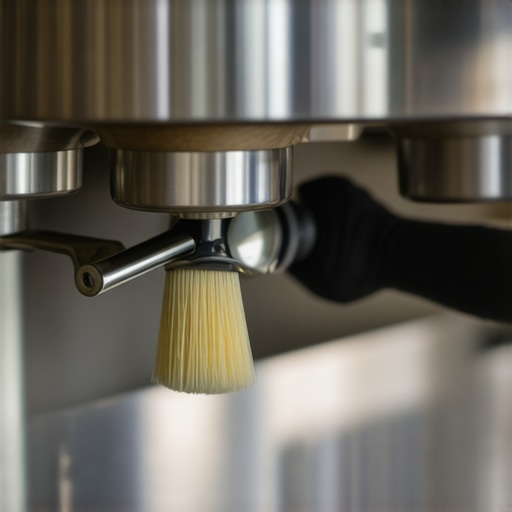
One key habit I recommend is descaling your machine regularly with a recommended descaler—using a solution tailored for espresso machines helps prevent mineral buildup, which can impair performance and taste. Also, inspecting and replacing worn parts like portafilter handles or boiler seals prevents leaks and pressure drops that compromise brew quality. Meanwhile, keeping your steam wand clean with a dedicated cleaning brush prolongs its lifespan and ensures reliable frothing — because stale milk residues can lead to persistent issues.
Tools I Recommend to Scale Up Your Coffee Experience
For baristas seeking to enhance efficiency, I suggest investing in a quality milk frother that offers precise temperature control and rapid steaming. This tool has transformed my everyday routine, making consistent microfoam effortless. As technology advances, I predict that machine diagnostics will become more integrated, allowing users to perform predictive maintenance via smartphone apps—saving time and avoiding unexpected breakdowns. Until then, staying proactive with manual checks and using the best tools will keep your setup performing at its peak.
How do I maintain my espresso equipment over time?
Regularly inspecting for leaks, cleaning components thoroughly, and replacing worn parts before they fail are vital. Use specialized tools like calibration kits for grinders, descaling solutions optimized for espresso machines, and dedicated cleaning brushes for every part. Incorporating maintenance into your weekly routine not only preserves taste but also extends the life of your equipment. For detailed guidance, I recommend exploring our home espresso tips for beginners and staying updated with the latest gear reviews, like our top-rated machines for 2025. Start by trying the advanced calibration technique I mentioned—your future self will thank you for the smooth shots and rich flavors.
Overcoming the challenge of a squeaky steam lever or inconsistent espresso shot has been a journey filled with personal revelations. The hardest lesson I learned about espresso machines and related gear is that chasing after top-tier equipment without proper maintenance and technique is like trying to bake a perfect cake with expired ingredients — frustrating and ultimately unproductive. It became clear that my most significant improvements came when I focused on calibration, consistent routine, and understanding the intricate mechanics that make a great brew.
Lessons That Changed My Barista Mindset
- Don’t assume expensive equals perfect: Investing in high-end gear is beneficial, but only if you master its nuances. A $2,000 machine won’t compensate for inconsistent grinding or poor tamping. I learned this the hard way by neglecting my grinder’s calibration, which caused uneven extraction and bitter tastes.
- Maintenance trumps gear upgrades: Regularly cleaning, descaling, and inspecting parts like seals and gaskets makes a profound difference. I discovered that a quick routine check could prevent costly breakdowns and preserve flavor clarity—maintaining my equipment became my best investment.
- Understanding internal mechanisms matters: Knowing how the internal linkage or spring mechanisms work helped me troubleshoot squeaks and uneven lever action. Taking the time to learn these details elevated my control over brewing steam and milk frothing—leading to better microfoam and taste.
- Consistency is king, but patience is queen: Precise grind size, tamping pressure, and extraction time require patience and practice. It’s better to dial in your grinder and shots gradually than to rush for instant results. This mindset transformation improved my overall espresso quality more than any equipment iteration.
- Focus on technique before tools: Upgrading from a handheld frother to a professional milk steamer was less effective than mastering frothing techniques—temperature control, airflow, and pitcher positioning truly matter. This realization pushed me to invest time in technique over gear specs, leading to richer microfoam and taste.
Tools and Resources That Steered My Journey
- Mastering home espresso tips: This cornerstone content offers insights that transformed my approach, emphasizing calibration and technique as drivers of quality.
- Grinder calibration kit: Trustworthy because it allows me to maintain grind consistency, which is paramount for perfect extraction.
- Portafilter cleaning brush: A simple tool, but essential for keeping my machine in top shape, ensuring no flavor compromise.
- Premium coffee beans guides: Knowing that fresh, well-sourced beans contribute significantly to flavor, irrespective of equipment, reminds me of the importance of quality over quantity.
The Power of Small Wins
Now, I encourage you to embrace the little victories—cleaning your steam wand, calibrating your grinder, practicing your milk frothing technique. These small, consistent efforts accumulate into a profound transformation of your home coffee experience. Remember, mastery doesn’t come from hardware alone but from understanding your gear and nurturing your skills. Your daily espresso ritual can be both a science and an art—choose to turn every shot into a mindful practice.
Your Turn to Elevate Your Coffee Game
Don’t let myths or neglect hold you back; focus on mastering the fundamentals of calibration, maintenance, and technique for your espresso machines and gear. With patience and persistence, you’ll find that your best brew is just a few adjustments away. Ready to elevate your coffee experience and perhaps share your journey? I’d love to hear about your challenges and successes in the comments below or reach out via our contact page. Embrace the process, and enjoy every sip with confidence!