Why You Should Never Leave Your Machine on All Day
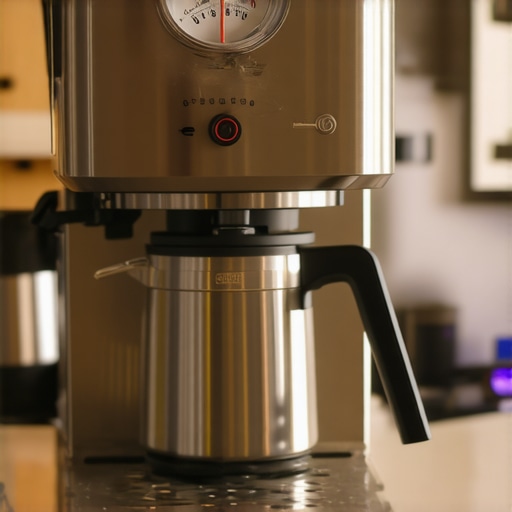
It was a typical Monday morning when I caught myself wasting precious time waiting for my espresso machine to heat up again. I had left it on overnight, thinking it was more convenient. But when I finally pulled that first shot of the day, the flavor was off, and I wondered, “Is leaving my machine on all the time actually a good idea?” That question led me down a rabbit hole of surprises about the hidden costs and risks lurking behind continuous operation of home coffee gear.
The Silent Cost of Leaving Your Machine on
Most of us are guilty of it—leaving our coffee machines, grinders, or frothers running, reasoning that it saves time. But what are we really paying for? Beyond the obvious energy bill, there’s a risk of damaging components or shortening your appliance’s lifespan. I learned this lesson early when my grinder motor started stuttering on coarse settings, a common symptom of overheating caused by prolonged use without breaks. It was a costly fix, and I realized how much money I could have saved with a better understanding of my equipment’s needs. Studies show that unnecessary standby power consumption accounts for a significant chunk of household energy waste, sometimes amounting to 10% of total electricity use in some homes (source: U.S. Department of Energy). It’s clearer than ever—our small habits in the kitchen have a bigger impact than we think.
Is Saving Time Worth the Price of Expensive Repairs?
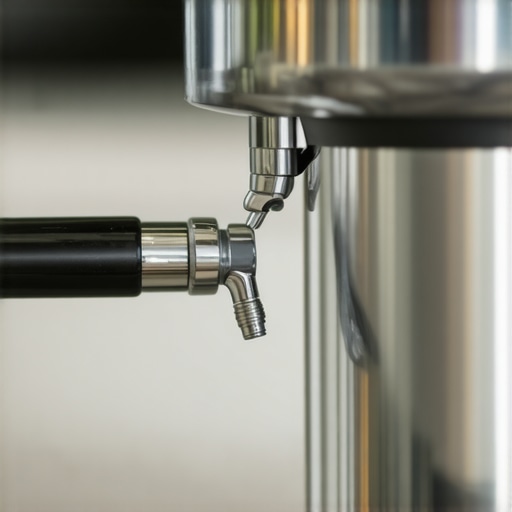
Going down this path, I also discovered that leaving devices on is not just about energy—it’s about longevity. The constant heat and wear can cause sealing gaskets to crack, water tanks to develop mold, and electrical components to degrade prematurely. That experience taught me to be more deliberate about powering down after each use. Still, I know many worry about the inconvenience or the potential for faults if machines turn off and on sporadically. Trust me, I’ve been there. But understanding how to properly maintain your gear can make all the difference. For example, learning how to scrub your steam tip holes or keep your water tanks clean using natural ingredients can extend your espresso machine’s life. Check out this detailed guide on how to keep your steam wand spotless here.
If you’re tired of quick fixes and want your equipment to serve you well for years, it’s time to rethink the habit of leaving devices on overnight. Now, let’s look into some practical steps that have personally helped me save money and preserve my favorite barista tools.
Power Off After Each Use to Prevent Overheating
Always turn off your espresso machine and accessories like grinders and milk frothers immediately after use. Think of it as turning off a stove—you prevent unnecessary wear and energy waste. I once left my grinder on for an extra hour, which resulted in a burning smell and a stuttering motor. The fix involved disassembling and cleaning the motor, a process that could have been avoided with a simple habit change. Use the power switch on your equipment and avoid leaving it in standby mode overnight.
Set a Routine for Cleaning Critical Components
Establish a regular cleaning schedule for parts prone to buildup or damage. For example, scrubbing your steam wand holes regularly maintains optimal vapor flow. I recommend using a step-by-step guide to clean the steam tip without scratching. Also, clean your grinder’s burrs to prevent flavor contamination and mechanical strain. Dull burrs not only affect flavor but can also strain the motor, leading to premature failure. This consistency preserves your gear’s lifespan and ensures the quality of your brews.
Maintain Water Quality and Tanks
Using water with high mineral content can cause scale buildup, harming internal components. Regularly descaling your machine is essential. For moldy water tanks, natural cleaning methods work wonders. I once used a natural vinegar solution to eliminate mold and prevent blockages in the water reservoir. For a detailed process, refer to this guide. Keep your water tanks fresh and dry after cleaning to prevent mold growth and prolong the life of your heating elements.
Check and Replace Worn Parts Promptly
Inspect gaskets, seals, and heating elements periodically. A common issue is a failing heating element, which leads to inconsistent temperatures and can cause long-term damage if unnoticed. Learn to spot the signs early; for example, if your machine takes longer than usual to heat, check the heating element. Replace gaskets when they start cracking to maintain proper pressure and prevent leaks. Don’t wait for failure—proactive replacement saves money and avoids downtime.
Adjust and Fine-Tune Your Settings
Proper calibration ensures consistent performance and reduces strain on your equipment. For grinders, calibrate to avoid uneven particle sizes that cause overworking the motor. Use tools or guides that help set consistent dosing volumes, like the calibration methods. For espresso machines, leveling your setup can prevent uneven shots and stress on internal components. Proper setup minimizes unnecessary wear and keeps your gear running smoothly.
Handle with Care During Maintenance
When cleaning or replacing parts, use appropriate tools and techniques to avoid damage. For example, removing a stubborn group gasket without force prevents tearing or warping. If you find parts stuck, consult repair guides to learn safe removal methods, such as this detailed approach. Protect sensitive components like solenoid valves by cleaning and inspecting them regularly; a small magnet can assist in freeing stuck valves, saving you costly repairs.
Optimize Your Workstation Environment
A cluttered or humid space accelerates wear and complicates maintenance. Keep your coffee station organized and dry to reduce dust and moisture that can corrode electronics. Use storage solutions like organized racks to keep tools accessible, and cover equipment when not in use to prevent dust buildup. Simple arrangements can dramatically extend your gear’s lifespan and improve your workflow.
Many home baristas believe that upgrading to high-end equipment or following popular trends guarantees better espresso, but in my experience, it’s a misconception that can hinder your progress. For instance, a widespread myth is that pure, shiny stainless steel makes grinders or espresso machines more durable. While appearance matters, the real durability depends on internal build quality and proper maintenance. A shiny exterior can’t compensate for a dull burr set or clogged water lines. Furthermore, many assume that more expensive gear will automatically produce superior results. However, without understanding the nuances of each component, you’re likely to chase shiny gadgets rather than mastering fundamental techniques.
Are Once-Size-Fits-All Settings Sabotaging Your Brew?
Advanced users often fall into the trap of trusting generic calibration or default factory settings. Every grinder and espresso machine has unique quirks, and sticking to presets without fine-tuning can lead to subpar extraction and flavor inconsistencies. For example, a common mistake is using the same grind setting across different beans or roasts. Darker roasts may require coarser grounds, but many default to fine settings, risking over-extraction or clogging. Regular calibration and understanding your equipment’s behavior—like how your grinder’s motor stalls when overloaded with oily beans—are crucial to preventing costly mishaps. Don’t settle for advice that oversimplifies complex adjustments; mastering these nuances elevates your home espresso game significantly.
What Lies Beneath: Handling Equipment Wear and Tear Wisely
One advanced area many overlook is the importance of inspecting and addressing subtle signs of wear before they become catastrophic failures. For instance, a slight decrease in water pressure or a faint leak might seem insignificant but could indicate a failing gasket or a clogged water path. Many neglect routine checks because they’re unaware of how small issues compound over time. Dopamine-driven upgrades lure us into constantly buying new gear, but investing time in proper maintenance—such as regularly scrubbing your steam tip holes to prevent splattering or monitoring the condition of your heating element—can extend your machine’s lifespan and improve consistency here. Being proactive on these fronts ensures that your investment continues to pay off. Remember, equipment is only as good as its upkeep.
Prioritize Precision with a Digital Scale
Investing in a high-quality digital scale has transformed my espresso routine. I use the Acaia Lunar, renowned for its accurate measurements and responsiveness. Precise dosing ensures consistency, reduces waste, and minimizes strain on your grinder motor. Regular calibration based on your specific beans helps prevent uneven extraction and preserves your equipment over time. As user reports indicate, accurate weight measurements lead to better flavor profiles and extend machine longevity by preventing over-pressure conditions.
Embrace Routine Maintenance with Professional-Grade Tools
One of my favorite maintenance tools is the steam tip cleaning brush. Regularly scrubbing your steam wand holes maintains optimal vapor flow, preventing buildup that can cause spitting or inconsistent frothing. I recommend dedicating 5 minutes weekly to this task, especially if you froth daily. For deep cleaning, natural descaling solutions like citric acid work wonders without harming internal components. Staying ahead with routine maintenance prevents costly repairs and keeps your coffee tasting stellar.
Use a Digital Pressure Gauge for Better Control
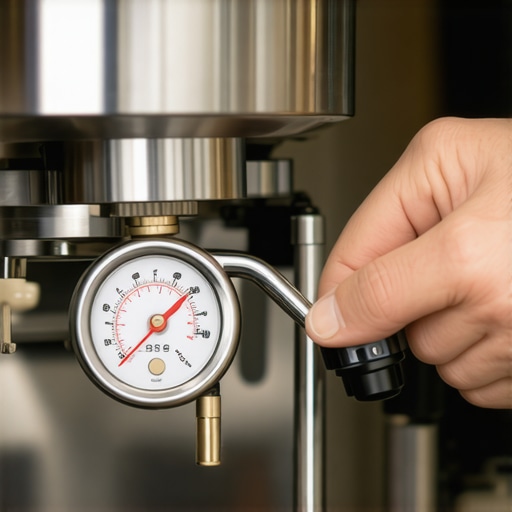
Maintaining proper pressure during extraction is crucial. I rely on a digital pressure gauge connected directly to my espresso machine. It provides real-time feedback, allowing me to fine-tune grind size and tamping force. This level of control not only enhances flavor clarity but also reduces wear on internal components by preventing over-pressurization. The trend in our community leans towards integrating such sensors for consistent results, especially with vintage or customized setups.
Long-Term Prospects in Gear Maintenance
Looking ahead, I predict that smart, IoT-enabled equipment will become standard, offering automatic diagnostics and maintenance alerts. Already, some brands incorporate sensors to monitor component wear and water quality. Embracing these advancements will mitigate damage and prolong machine life, especially in busy household settings. Future tools might include AI-based calibration assistants, ensuring your gear always operates at peak performance without guesswork. Stay tuned to industry updates and consider integrating smart sensors into your home setup.
How do I maintain my espresso gear over time?
Consistent cleaning and proactive inspections are key. For example, inspecting seals and gaskets before signs of failure can save you from unexpected breakdowns. Regularly checking the condition of your heating element ensures temperature stability. Additionally, cleaning small but critical parts like water tanks and steam wand holes keeps your machine performing optimally. Incorporate these practices into your weekly routine for long-term savings.
Dangerous Myths That Cost Me Big Time
One of the hardest lessons I learned was trusting that a shiny, expensive-looking grinder or espresso machine could compensate for neglecting routine maintenance. I used to believe that high-end gear was foolproof, but I soon discovered that even the priciest equipment requires consistent care. Skipping regular cleaning or ignoring worn parts led to declining performance and costly repairs. It taught me to prioritize maintenance over shiny appearances and to see my gear as a long-term investment, not just a status symbol.
Tools That Made a Difference in My Routine
I’ve found that a quality steam tip cleaning brush keeps my frothing silky smooth, and a precision digital scale ensures consistent espresso doses. Regularly replacing worn gaskets and descaling with natural solutions like citric acid prolongs the life of my machine and prevents flavor degradation. Investing in these tools, although seemingly small, has saved me from unexpected breakdowns and improved my coffee experience daily.
The Passion to Keep Improving
Every time I perform routine maintenance or fine-tune my settings, I feel more connected to the art of coffee. It’s rewarding to see the direct impact of my care in the shot quality and machine lifespan. If you’re serious about elevating your home espresso game, remember that small, consistent actions trump costly upgrades. With patience and habit, you can enjoy cafe-quality coffee and keep your equipment serving you reliably for years to come.