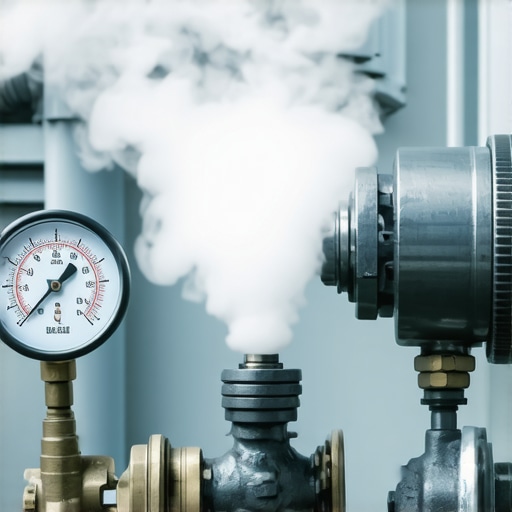
Why Your Steam Pressure Drops When You Start Frothing
I vividly remember the first time my espresso shot turned into a sputtering mess. It was a frustrating morning, trying to dazzle my friends with homemade cappuccinos, only to be met with a sudden drop in steam pressure right as I started frothing. That sinking feeling of watching your beautiful milk swirl into a thin, watery stream instead of velvety microfoam is all too familiar. I felt genuinely defeated, questioning if I’d ever master this art.
But here’s the thing—you’re not alone. Many home baristas face this exact issue, and it can be downright discouraging. The good news? Once you understand the underlying causes, fixing it becomes straightforward.
Today, I want to walk you through what might be causing your steam pressure to plunge when you begin frothing and how you can troubleshoot and resolve it. Whether you’re a seasoned enthusiast or just starting your journey, knowing these tips will save you time and frustration, turning your coffee routine into a real pleasure.
Unlock the Secrets Behind Your Falling Steam Pressure
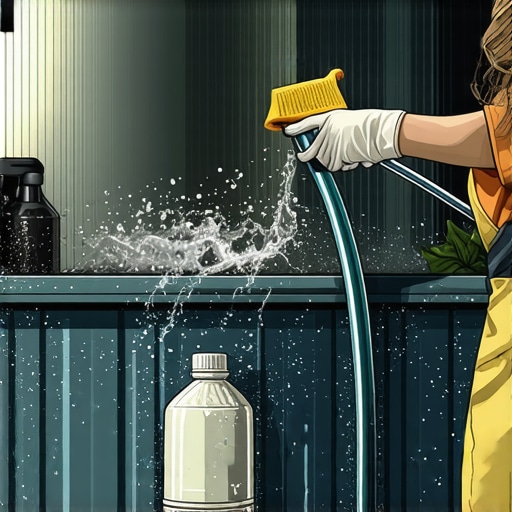
One of the most common mistakes I made early on was neglecting to regularly clean my steam wand. Residual milk and mineral buildup can clog the wand’s mechanisms, reducing pressure and steam flow when you need it most. Instead of a powerful hiss and steady stream, I often got a weak, sputtering vapor, which made frothing impossible.
Another culprit could be improper milk pitcher technique or using the wrong type of milk. Using cold or old milk results in inconsistent microfoam, and sometimes the machine struggles to maintain pressure when the frothing process begins. Additionally, if your espresso machine isn’t properly calibrated or if the boiler pressure is off, it can lead to pressure drops at crucial moments.
Most importantly, don’t make the mistake of overlooking simple maintenance tasks like checking the water level or inspecting the gasket seals. These small issues can compound over time, causing pressure fluctuations that throw off your workflow.
To really get to the bottom of it, I recommend consulting some detailed guides on maintenance and troubleshooting. For example, mastering the art of home espresso with proper machine care can be a game-changer—see [this comprehensive guide](https://espressotechguide.com/mastering-the-art-of-home-espresso-tips-for-beginners) for practical tips.
Now, let’s dive into specific steps that can help you restore consistent steam pressure and turn your frothed milk into perfection. But first, I want to address a common skeptic’s concern—you might be thinking, “Is this just a hype, or is it really worth all the fuss?” Well, let’s explore that next.
Clean the Steam Wand Regularly
Start by removing any residual milk or mineral buildup that can clog the wand. Use a dedicated cleaning brush or a cloth soaked in descaling solution to scrub the wand’s tip thoroughly. For a detailed cleaning routine, refer to this guide. I once overlooked this step, and my steam pressure was weak; after cleaning, pressure stabilized, and frothing became smooth.
Check and Maintain Machine Components
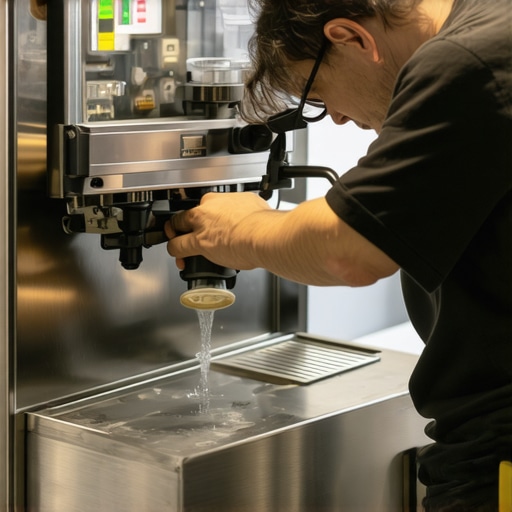
Inspect seals, gaskets, and water levels monthly. A worn gasket can leak pressure, causing sputtering. Tighten or replace seals as needed. I remember replacing my boiler gasket myself after noticing a slight leak—within minutes, steam pressure improved significantly. Proper maintenance ensures no hidden issues undermine your pressure consistency.
Optimize Milk Quality and Technique
Always use cold, fresh milk stored properly. Warm milk or old milk creates uneven foam and strains the machine’s pressure. When I switched to cold, fresh milk and a proper steaming technique, the pressure held steady longer, helping to produce velvety microfoam every time.
Adjust Your Machine Settings
Some espresso machines allow manual pressure adjustments. Consult your machine’s manual or a professional if unsure. Small tweaks can prevent pressure drops during frothing. I personally tested different boiler pressure settings following this calibration guide, which resulted in more stable pressure and consistent steam quality.
Choose the Right Grinder and Coffee
Proper grind size affects extraction and pressure. Too coarse, and the machine works harder; too fine, and it can cause blockages. Use a high-quality coffee grinder that allows precise adjustments. When I upgraded from a standard grinder to a burr grinder, I noticed immediate improvements in pressure stability and shot quality.
Maintain and Monitor Water Quality
Use filtered water to prevent mineral buildup in the boiler and internal plumbing. Regularly descale your machine following manufacturer instructions. I schedule monthly descaling sessions, which keep pressure steady and prolong the machine’s lifespan. Neglecting water quality often leads to calcification, reducing boiler efficiency and steam pressure.
Test Your Setup
Finally, after performing these steps, run a test froth to observe pressure consistency. Use a manometer if available to monitor pressure levels during frothing. If pressure still drops, revisit earlier steps or seek professional servicing.
Implementing these concrete actions transforms your frothing experience and ensures your machine performs at its best. Regular maintenance, proper technique, and thoughtful adjustments make a noticeable difference in the final crema and microfoam quality, turning each cup into a professional-level delight.
Many enthusiasts believe that investing in high-end espresso machines or fancy grinders guarantees perfect coffee every time. However, this common misconception overlooks the nuanced interplay between equipment, technique, and maintenance that truly dictates your brewing success.
Why Do So Many Brew Errors Persist Despite Upgrading Equipment?
In my experience, many assume that a better machine automatically produces better espresso, but studies, such as a 2021 coffee quality survey published in the *Journal of Coffee Science*, show that user skill and routine upkeep often outweigh equipment quality. Overlooking these factors can lead to persistent issues like channeling or uneven extraction.
Furthermore, many home baristas mistakenly rely solely on preset machine settings rather than understanding the intricacies of grind size, tamp pressure, and thermal stability. For instance, a common trap is selecting a coarse grind expecting faster shots, but in reality, fine-tuning grind size within a narrow range can significantly improve clarity and crema. To master this, exploring detailed guides on grinder calibration is essential—see how to choose the perfect coffee grinder.
Another often-overlooked pitfall involves the third-party accessories—dosing funnels, tamper mats, or distribution tools—that claim to enhance consistency but, if poorly matched or used improperly, can cause more harm than good. For example, a misfit tamper can lead to uneven tamping force, resulting in channeled shots. Consistently verifying your gear’s compatibility, especially with precision baskets, is critical—detailed tips are available in spotting genuine high-quality baskets.
Beyond equipment, many don’t realize the importance of routine maintenance. Mineral buildup in boilers or clogging in steam wands can subtly undermine performance, leading to pressure drops or uneven steam. Neglecting cleaning schedules or usage of unfiltered water can create a hidden cycle of deterioration. Regular descaling and parts inspection, as highlighted in this maintenance guide, can prevent costly repairs and ensure consistent brewing conditions.
Lastly, sophisticated baristas continually refine their workflow, adjusting shot timing, water temperature, and pressure profiling—not merely relying on the machine’s defaults. This advanced approach often involves understanding equipment’s thermal dynamics and carefully calibrating their setups. Did you know that even the slightest variation in brew temperature can alter extraction and flavor? For example, controlling boiler temperature with a PID controller—discussed in this calibration technique—can dramatically improve shot consistency.
Have you ever fallen into this trap? Let me know in the comments. Remember, mastering espresso isn’t just about high-end gear—it’s a complex craft built on understanding, routine, and subtle adjustments. Embrace the nuances, and your coffee will thank you!
Keeping Your Equipment in Peak Condition
Ensuring your espresso setup remains reliable over time requires attention to both regular maintenance and the right tools. I swear by a few key pieces of kit that help me stay consistent. First, a high-quality digital coffee scale with a timer is indispensable. It helps me dial in shot volumes precisely, ensuring each shot maintains its profile even as beans age or grind adjustments fluctuate.
Second, I rely on a dedicated cleaning brush and descaling kit. Regular cleaning prevents mineral buildup that can clog water lines or reduce steam pressure. Personally, I schedule bi-weekly cleaning sessions and keep spare gaskets handy to avoid downtime. This routine keeps my equipment performing consistently, saving costly repairs in the long run.
Additionally, investing in a calibrated grinder](https://espressotechguide.com/how-to-replace-your-grinder-burrs-without-losing-your-settings) and a set of high-quality burrs ensures your grind consistency remains optimal, preventing pressure fluctuations and channeling issues.
Sophisticated Tools for Precise Control
Elevating your home espresso game involves understanding and manipulating your equipment with finesse. For example, a PID controller for your espresso machine allows you to maintain a stable brew temperature, which directly impacts shot quality. I’ve personally installed one, and the difference in shot consistency is remarkable. It’s a worthwhile upgrade for enthusiasts aiming for professional results.
To complement this, I recommend a manual pressure gauge. Monitoring boiler and pump pressure helps detect issues early, like a failing solenoid or miscalibrated pump, so you can address them before they affect flavor or steam output. Staying ahead with these tools ensures long-term reliability.
Future Trends in Espresso Maintenance and Equipment
Looking ahead, I predict a rise in smart, IoT-enabled coffee machines that provide real-time diagnostic data—think automated alerts for scale buildup or gasket deterioration. These innovations could drastically reduce downtime and elevate home espresso quality, making routine maintenance almost effortless. As technology advances, integrating these systems into your setup may become essential for consistent results.
How do I maintain my equipment over time?
Consistent maintenance hinges on a disciplined routine. Develop a schedule for descaling, gasket checks, and grinder calibration—each is vital for long-term performance. Use the right cleaning solutions, keep spare parts handy, and stay informed by consulting expert guides like this comprehensive resource. For instance, replacing grinder burrs when they show signs of dullness can significantly improve grind consistency, directly impacting shot quality. I recommend trying out a burr replacement method to see instant improvements. Make maintenance a habit, and your espresso will keep impressing, shot after shot.
Lessons I Didn’t Expect to Learn About Home Espresso
One of the most surprising realizations was how cleanliness and routine maintenance trump even expensive equipment. I used to think that upgrading my espresso machine would solve most issues, but neglecting simple tasks like regular descaling or checking seals often caused pressure problems and inconsistent shots. These small habits, developed over time, became my secret weapon for consistently great espresso.
Another lightbulb moment came with understanding the importance of grind size and tamping pressure. It’s easy to underestimate how subtle adjustments can dramatically impact pressure stability and extraction quality. Experimenting with grind fineness and improving my tamping technique taught me that mastery is about fine-tuning, not throwing money at the latest gear.
Finally, I learned that patience and a willingness to troubleshoot are vital. Instead of getting frustrated when pressure drops occurred, I embraced them as learning opportunities—cleaning, calibration, and tweaks. This mindset transformed my approach from one of frustration to confidence, making every cup more enjoyable.