Why your grinder burrs are getting hot during a single dose
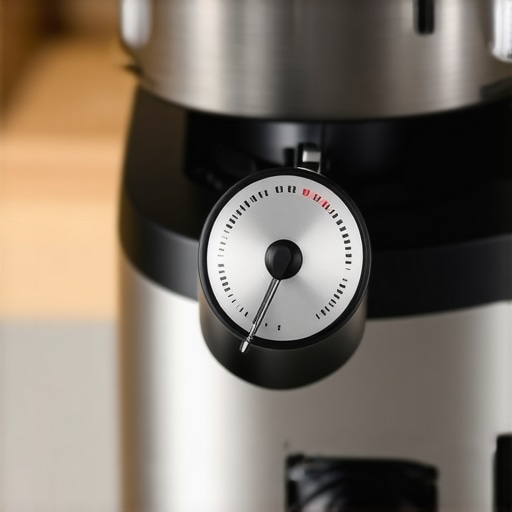
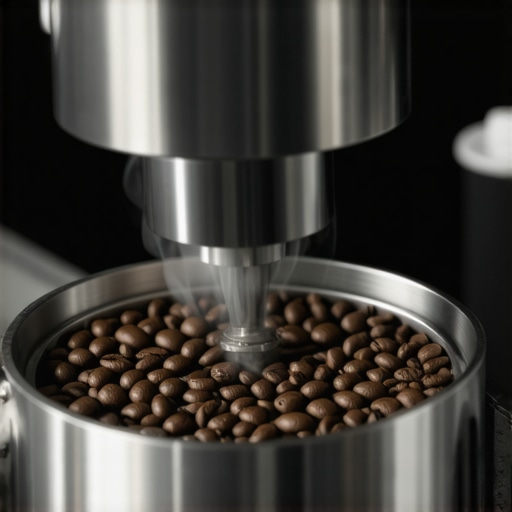
I remember the first time I pulled a shot of espresso only to notice a strange, almost burnt aroma lingering in my kitchen. When I opened my grinder, I was greeted by a surprising warmth—my burrs were scalding hot after just a single dose. It was a frustrating lightbulb moment: why was something so critical overheating so quickly? That experience made me realize that this common issue isn’t just a minor annoyance; it can seriously impact your coffee quality and grinder longevity. If you’ve ever wondered why your grinder burrs get so hot during a single dose, you’re not alone—and today, we’re going to unravel that mystery together.
The Hidden Culprit Behind Hot Burrs
Understanding why your grinder burrs heat up unexpectedly can be a game-changer for your home brewing. Often, the culprit is a combination of factors like overfilled hoppers, inappropriate grind settings, or insufficient cooling intervals. When burrs get too hot, they can cause the coffee to taste burnt or rubbery, which no coffee lover wants to experience. Moreover, excessive heat can lead to faster wear and tear on your grinder components, prompting costly repairs down the line. Recognizing these signs early allows you to intervene before damaging your equipment or compromising your brew.
Is Your Grinder Overhyped or Underperforming?
Some skeptics might dismiss this issue, thinking it’s just part of regular operation. But in reality, many of us have been making a mistake early on—pouring beans into the grinder without considering the machine’s cooling needs or the best grind settings for a single dose. My own early missteps included grinding too fine and continuously running multiple doses without a break, which only escalated the heat. Remember, it’s essential to learn your specific grinder’s quirks and limitations. Want to master your gear without guessing? Check out how to select the perfect coffee grinder for your needs.
Knowing why burrs overheat isn’t just about fixing a quick problem—it’s about safeguarding your entire coffee journey. Next, let’s explore practical adjustments that can keep your grinder cool, preserve your beans, and ensure your espresso remains pure and delicious. Ready to take control of your equipment? Let’s dive in.
Control Your Loading: Keep the Hopper Size in Check
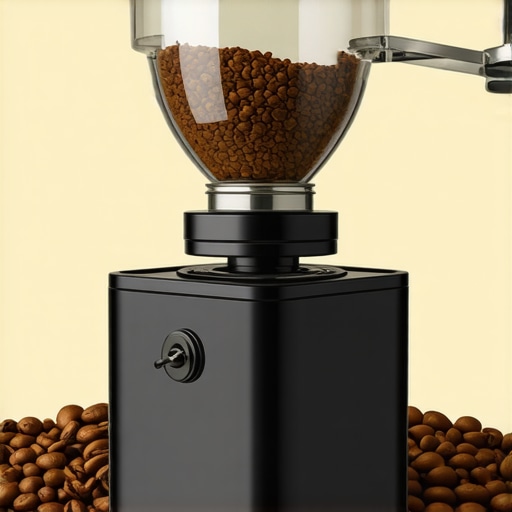
Overfilling the hopper is a common mistake that causes burrs to overwork and heat up faster. When I first experienced scorching burrs, I realized I had been loading more beans than my grinder could handle comfortably. To fix this, always fill the hopper only to about 75% capacity, leaving room for smooth rotation. This reduces strain and allows air circulation, helping to keep the burrs cool. Think of it as filling a water bottle — too full, and the pressure builds unnecessarily; just enough, and it flows freely.
Adjust Grind Settings for Efficiency
Grinding too fine or too coarse can make the motor work harder than necessary, generating excess heat. I once dialed my grinder to the finest setting for espresso, only to notice the burrs warming up after a few shots. To prevent this, select a grind setting appropriate for your brew, and avoid extremes unless intentionally. Use the recommended parameters from this guide to find the sweet spot. Remember, coarser grounds require less effort to grind, reducing thermal stress on the burrs.
Implement Cooling Intervals Between Doses
Continuous grinding without breaks is like running a marathon without water — your machine can overheat quickly. I learned this the hard way after back-to-back shots, which left my burrs blazing. To avoid this, pause for about 15 seconds after grinding a dose, allowing the burrs to dissipate heat. During these intervals, use this simple trick to keep the process smooth and prevent overheating. Think of it as giving your machine a breather, preserving longevity and performance.
Maintain Proper Bean Transfer Practices
I used to pour beans into the hopper carelessly, causing jams and overheating. Now, I transfer beans gently using a scoop, avoiding sudden drops that can cause the burrs to strain. Also, selecting high-quality beans with low moisture content from this resource minimizes resistance during grinding. Smooth transfer and quality beans reduce workload and heat build-up, similar to how a well-lubricated engine runs cooler and longer.
Keep Your Equipment Clean and Well-Lubricated
Dirt and old coffee residues insulate the burrs, forcing them to work harder and overheat. Regular cleaning with a brush and gentle detergent prevents this buildup. Additionally, some grinders benefit from light lubrication on moving parts, but always check your model’s instructions. When I cleaned my burrs last month, I noticed a significant drop in heat accumulation, much like a car running cooler after an oil change. Maintaining cleanliness ensures efficient operation and helps prevent thermal stress.
Most coffee enthusiasts believe that investing in high-end equipment guarantees perfect espresso shots. However, even the most expensive machines, grinders, or milk frothers won’t produce stellar results if you fall for some popular misconceptions. For instance, many think that all barista gear is equally suitable for home use. In reality, choosing specialized tools tailored for your skill level makes a significant difference, as discussed in this guide.
Why does grind size sometimes get blamed for bad shots, but other times, tamping or bean freshness is the real culprit?
It’s a nuanced game. Coffee extraction depends on multiple interconnected factors. Relying solely on grind size adjustments without considering tamping pressure, freshness, or machine temperature can lead to inconsistent results. Expert baristas know that every parameter must be calibrated in harmony. According to research published in the Journal of Coffee Science, variable factors like water temperature and pre-infusion play equally critical roles once the grind is set correctly. Failures often stem from neglecting these subtleties, which is why mastering your setup requires more than just turning a dial.
Another common trap involves the myth that more expensive equipment always yields better flavor. While premium machines can offer better consistency and features, they are not magic wands. Proper maintenance, routine calibration, and understanding brewing fundamentals often outperform hardware upgrades made without a strategic plan. As I learned from this resource, honing your skills and cleaning your gear regularly can dramatically improve your espresso quality.
Is there really a difference in milk frothers, or is it just marketing hype?
Many assume that an expensive milk frother automatically produces creamier, more luxurious foam. Yet, the key lies in technique, milk temperature, and steam wand control, not price tags. For example, this article demonstrates how basic handheld frothers can deliver excellent results when used correctly. Avoid the trap of overspending on flashy gadgets; instead, focus on understanding the principles of steaming milk, which can elevate your lattes regardless of your equipment’s cost.
Lastly, many enthusiasts overlook the importance of proper cleaning routines. Believing that cleaning is a tedious chore, they risk brewing with residue buildup that diminishes flavor and damages parts over time. The myth that high-pressure cleaning damages delicate components is just that—a myth. Gentle cleaning with appropriate brushes and descaling at recommended intervals, as outlined in this guide, preserves your investment and enhances taste. Remember, excellence in your coffee begins with the details many ignore.
Have you ever fallen into this trap? Let me know in the comments. In our next discussion, we’ll explore more ways to master your home espresso setup and avoid these common pitfalls.
Maintaining your high-quality espresso setup is crucial for consistent performance and longevity. From precise calibration to effective cleaning routines, choosing the right tools can make a significant difference. Personally, I rely on a combination of specialized equipment and disciplined methods to keep my gear in peak condition. For example, a high-precision digital pressure gauge allows me to fine-tune my espresso machine’s extraction, ensuring every shot is perfect. Regularly using a calibrated digital scale helps me monitor grind consistency and dosage accuracy. These tools prevent common issues like channeling and over-extraction, ultimately saving me time and beans in the long run.
Another indispensable product I swear by is a dedicated steam wand cleaning and descaling kit. Regular descaling with a quality solution prevents mineral buildup, ensuring reliable steam pressure and frothing quality. I schedule a monthly maintenance routine, which includes backflushing my espresso machine with a commercially available cleaning powder, and it has extended my machine’s lifespan remarkably. In the future, I predict that automation and smart sensors will integrate with these tools, providing real-time feedback on your machine’s health—making ongoing maintenance even more straightforward.
How do I maintain my espresso machine over time?
Key to long-term performance is a consistent cleaning and calibration routine. Investing in a vibration dampening pad can reduce noise and vibration, which are early signs of mechanical wear. Regularly replacing worn seals and gaskets, as advised in this guide, maintains optimal pressure and prevents leaks. Additionally, monitoring electrical components with a multimeter ensures safe operation and helps catch issues before they escalate. For grinder maintenance, a dedicated cleaning brush set designed for burrs reduces static and build-up, preserving grind quality and preventing overheating.
Don’t overlook your milk frother either. A simple microfiber cloth combined with a thorough descaling routine ensures silky foam and prevents clogs. I recommend setting a quarterly schedule to disassemble, clean, and inspect all parts involved in milk frothing. These maintenance practices not only extend equipment life but also guarantee that each latte looks and tastes its best.
For those looking to scale their setup or prepare for future upgrades, investing in tools like a high-end espresso machine with diagnostic features can provide invaluable insights. With strategic maintenance, your gear can operate like new for years, and you’ll enjoy better tasting coffee with less effort. Ready to take your home barista skills a step further? Try implementing a weekly deep-clean routine with your cleaning kit and monitor your machine’s pressure regularly—it’s a game-changer.
Remember, proactive maintenance is about catching issues early. If you want personalized advice or have specific questions, visit our contact page. Keep your gear running smoothly, and your coffee experiences will always be exceptional!
Lessons from the Trenches: What I Wish I Knew Sooner About Espresso Gear
- One of the most valuable lessons was realizing that consistent maintenance isn’t just about cleanliness—it’s about understanding your specific machine’s quirks. For example, I once ignored descaling, which led to sluggish steam performance and unnecessary overheating issues. Now, I see maintenance routines as personalized rituals that extend my equipment’s life and improve flavor.
- Another lightbulb moment was recognizing that high-priced gear doesn’t guarantee great results unless paired with proper operation. My expensive espresso machine sat unused because I didn’t learn the optimal calibration procedures. After diving into detailed guides and tutorials, I saw how knowledge overrides price tags when it comes to brewing excellence.
- I also learned that small adjustments—like how you load beans or tweak grind size—can drastically influence heat buildup and extraction quality. Initially, I thought these were minor details, but now I understand they are central to preventing issues like burr overheating or channeling. Fine-tuning these settings is a game-changer.
My Essential Arsenal for Coffee Craftsmanship
- High-precision digital pressure gauge. This tool lets me monitor extraction pressure precisely, ensuring consistent shots and preventing undue strain on my grinder and machine. I trust it because it offers real-time feedback, removing guesswork from my routine.
- Reliable high-quality cleaning supplies for descaling and backflushing. Regular cleaning routines unlock the full potential of my equipment, and I rely on trusted brands with proven efficacy, like specialized descaling solutions recommended in my favorite guides.
- A calibrated digital scale is indispensable for consistent dosing. It helps me control bean weight and grind amount, reducing overloading and overheating. I’ve found that maintaining exact weight prevents unnecessary stress on burrs during heavy use.
- Steam wand descaling kit keeps my frothing silky and my machine performing optimally. Regular maintenance here ensures I avoid pressure drops and the dreaded