
Why your espresso shot is spraying the back of your cup
Have you ever eagerly pulled a perfect-looking espresso shot, only to be greeted by a burst of coffee spray that soaks your counters and splatters back into your cup? I remember the first time it happened to me. I was so excited about finally dialing in my machine, meticulously tamping, adjusting grind size, and then—bam! A sudden spray that caught me off guard. It was frustrating and honestly a bit embarrassing, especially since I thought I was doing everything right.
Discovering the Hidden Culprit Behind Espresso Spray-Backs
That unexpected spray isn’t just a random malfunction; it’s a sign that something’s off in your brewing process. Whether you’re a home barista or just starting out, understanding why this happens can save you hours of guesswork and wasted beans. And trust me, fixing it isn’t as complicated as it looks. Today, I’ll walk you through the main reasons behind spray-backs and share practical tips to keep your shots neat, consistent, and truly enjoyable.
Is Your Espresso Machine Truly Ready for Prime Time?
One common mistake I made early on was neglecting the cleanliness of my group head and baskets. Dirt, coffee oils, or residue can cause uneven water flow, leading to unpredictable sprays. Think of your machine like a car engine—regular maintenance prevents unexpected breakdowns. Learning how to properly clean and maintain your gear makes all the difference, and I highly recommend checking out [this detailed guide](https://espressotechguide.com/mastering-the-art-of-home-espresso-tips-for-beginners) for essential maintenance routines.
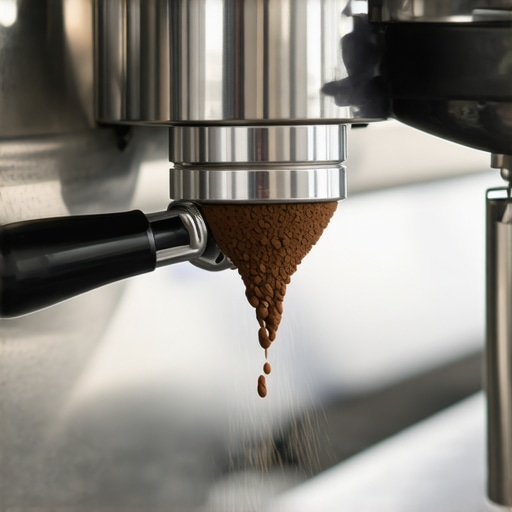
Did you know that incorrect tamping pressure or inconsistent grind size can also trigger spray-backs? If your coffee puck isn’t evenly compacted, water may seek the path of least resistance, escaping through cracks and causing splatters. It’s that simple. Additionally, if your portafilter isn’t securely locked or if the gasket is worn, water will find gaps to escape, turning your beautiful shot into a mess. Building your understanding of these small yet critical adjustments can dramatically improve your espresso experience.
If you’re facing this issue regularly, don’t worry—these problems are common. The good news is, with a few tweaks and a better understanding of your machine’s mechanics, you can produce clean, beautiful shots without the sprays. Keep reading, and I’ll guide you through pinpointing and fixing the true causes of back-spraying espresso.
Secure Your Equipment Before Brewing
Start by ensuring your portafilter is firmly locked into the group head. Imagine trying to close a door with a slightly misaligned hinge—that wobble causes leaks. Check that the gasket is intact and seated correctly; a worn gasket can create gaps where water escapes. Before you grind, inspect the basket for debris or coffee residuals that can disrupt flow. When I first did this, I realized my portafilter handle was loose, leading to spray-backs; tightening it immediately prevented more messes.
Master Consistent Grind Size and Dose
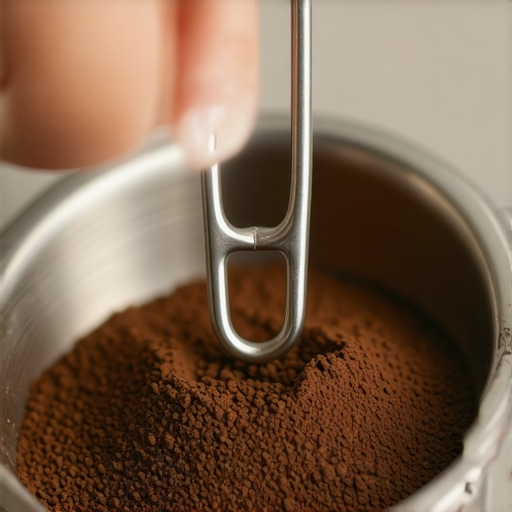
Uneven grind size is like trying to fill a sieve with rocks and sand—water finds the cracks. Use a high-quality grinder and calibrate it to produce uniform particles. I once adjusted my grinder’s burrs using the tinfoil shim trick, which improved grind consistency and reduced spray-backs. Dose your coffee precisely; too much or too little disrupts pressure, causing water to find unintended escape routes. Always weigh your grounds to keep doses consistent.
Distribute and Tamp Coffee Properly
Think of tamping like packing a suitcase—firm, even pressure ensures no gaps. Use a level tamper and apply about 30 pounds of pressure; too light, and water channels; too hard, and you risk sticking the puck. I found that using a tamper with an ergonomic handle made consistent tamping easier. Distribute coffee evenly in the basket, avoiding uneven layers that can cause channeling. When I failed to do this, spray-backs became a regular issue, but after adopting proper distribution, shots stayed clean.
Maintain and Clean Your Machine Regularly
A dirty group head can cause water to find unintended paths. Backflush your machine weekly with blind filters and descaling solutions. Pay close attention to the shower screen and gasket—clogs here increase the chance of spray-back. I use this cleaning routine to keep my machine running smoothly, preventing leaks and ensuring even water distribution. Proper cleaning not only improves shot quality but also minimizes spray-backs significantly.
Adjust Brew Pressure and Temperature
Too high pressure or temperature can cause water to force its way out under pressure. Use a calibration tool to check that your machine’s pump pressure hovers around 9 bars during extraction. If your machine has an adjustable pressure stat, dial it down slightly if spray-backs persist. Keep your boiler temperature steady—fluctuations can cause inconsistent water flow. When I tuned my machine’s pressure settings, I noticed a drastic reduction in spray-backs, and my shots became much neater and more enjoyable.
Monitor and Troubleshoot Common Flaws
If spray-backs continue despite these steps, inspect the portafilter gasket for cracks or wear using this guide. Replace any worn parts promptly. Also, check for misaligned shower screens or damaged basket inserts. Remember, tiny misalignments can cause water to hit the puck at odd angles, leading to spray-outs. Fixing these issues often involves simple adjustments or replacements, transforming messy shots into pristine, professional-looking pours.
Many coffee enthusiasts believe that choosing the most expensive espresso machine or the fanciest grinder guarantees perfect shots, but in reality, there’s a lot more nuance involved. One widespread misconception is that high-end equipment alone can compensate for technique lapses, yet even top-tier machines require proper calibration and maintenance to perform at their best. According to experts from the Specialty Coffee Association, nuanced adjustments in grind size, tamping pressure, and water temperature often matter more than equipment quality alone.
Are You Overlooking the Importance of Consistency Over Fancy Gear?
In my experience, the biggest trap is chasing the perfect machine or accessories without mastering fundamental techniques. Many home baristas spend hours upgrading their gear instead of dialing in their grind, dose, and tamping methods. Without consistency in these areas, even the most advanced equipment can’t produce a great shot. Additionally, some believe that milk frothers are a quick fix for perfect crema, but improper steaming technique or dirty equipment often lead to disappointing results. Regular cleaning and technique refinement are far more effective than relying solely on high-end frothing gadgets.
A common myth is that using larger baskets or dosing more coffee will produce better espresso. Not so—oversized baskets can cause uneven extraction if not paired with appropriate grind adjustments, leading to channeling and inconsistent shots. Recognizing your machine’s limitations and working within them is crucial. This is where understanding the intricacies of your specific setup becomes essential, rather than following generic advice or assuming bigger is better. It’s also worth noting that even seemingly minor factors, like the angle of your tamper or pre-infusion routines, can significantly influence shot quality. Incorporating these advanced techniques can elevate your brewing from good to professional-quality.
Finally, beware of the trap of ignoring regular maintenance. Descaling, cleaning shower screens, and checking for worn gaskets are often neglected, yet they directly impact flow and consistency. Skipping these steps might lead to misfires and spray-backs, which we’ve discussed earlier, but they also subtly undermine your entire brewing process. So, before splurging on equipment upgrades, invest time in mastering the nuances and proper care of your current gear. Want to dive deeper into selecting the right tools or troubleshooting common issues? Check out this guide on barista gear or reach out via contact page. Remember, even seasoned baristas continually refine their techniques—discuss your experiences below and let me know if you’ve ever fallen into these traps!
Invest in Precision Tools for Longevity
One of the most impactful investments I made was in a high-quality digital scale specifically designed for baristas. Unlike standard kitchen scales, these models offer quick responses and high accuracy, essential for precise dosing and tamping. For example, I use the Acaia Lunar, which provides instant feedback and Bluetooth connectivity to track your consistency over time. Keeping detailed measurements helps identify subtle changes in your process, ensuring each shot is as good as the last.
Regular Calibration and Maintenance
To keep your machine performing at its peak, schedule regular calibration checks, especially for pressure and temperature. Many modern espresso machines allow in-built calibration routines—consult your user manual or online guides for specifics. Additionally, descaling every 2-3 months prevents mineral buildup that can cause uneven water flow, which can lead to spray-backs or inconsistent extraction. I personally rely on descaling solutions like Citrate Pro to maintain optimal boiler health, extending the lifespan of my gear.
Tools I Use for Fast Troubleshooting
When things go awry, having the right tools makes all the difference. A set of replacement gaskets on hand allows for quick swaps if leaks develop, preventing messy sprays during brewing. An ultrasonic cleaner is also invaluable for deep cleaning shower screens and shower heads—this keeps water flow even and reduces the risk of channeling. Over time, I’ve found these tools save me hours and help maintain a consistently clean and efficient setup.
Where Do Trends in Maintenance Heading?
Looking ahead, I believe automated calibration and smart maintenance systems will become more prevalent. Some newer models incorporate sensors that alert you when routine service is due or detect performance dips before they affect your shots. Companies are also developing IoT-enabled devices that monitor boiler pressure and temperature remotely, providing real-time diagnostics. Expect these innovations to make home barista setups more foolproof, giving enthusiasts the confidence to maintain their machines without guesswork.
How Do I Maintain My Equipment Over Time?
Consistent maintenance hinges on integrating simple yet effective routines into your workflow. Set reminders for descaling, regularly inspect gaskets and seals, and keep calibration tools handy—doing so extends the life of your gear and ensures optimal performance. Regular cleaning of grinders with the tinfoil shim trick is an easy way to keep burrs aligned, reducing uneven grind issues that cause spray-backs.
Personally, I recommend adopting a proactive approach: schedule monthly check-ups, invest in quality tools, and stay informed about new maintenance tech. If you’d like tailored advice for your specific setup, I suggest reaching out via the contact page. Ready to up your maintenance game? Try implementing the tip about deep cleaning your shower screen with ultrasonic tools—it’s a game-changer for consistent, clean extractions.
The Lessons Only Experience Teaches About Espresso Setup
One of the most eye-opening lessons I learned is that perfecting espresso is less about expensive equipment and more about consistent technique. I used to believe that buying a high-end machine would automatically yield flawless shots, but I soon realized that routine cleaning, proper tamping, and grind calibration are the real game-changers. Additionally, I discovered that becoming intimately familiar with my specific machine’s quirks—like which pressure settings give the best extraction—made a huge difference. Patience and attention to detail turn troubleshooting from frustration into a rewarding journey.
Tools and Resources That Elevated My Brewing Game
Investing in a high-quality digital scale, like the Acaia Lunar, proved invaluable for achieving consistent dosing and tamping. Complementing this, I leaned on the tinfoil shim method for grinder burr alignment, which dramatically improved grind consistency and reduced spray-backs. Additionally, I rely on detailed maintenance routines from this comprehensive guide to keep my equipment in peak condition, saving me money and time in the long run.
Inspired to Perfect Your Espresso Craft
Remember, achieving great espresso is a continual learning process, fueled by curiosity and care for your gear. Each small adjustment—whether it’s refining your tamping pressure or deep cleaning your shower screen—contributes to the bigger picture of brewing excellence. Don’t hesitate to experiment with your setup and to reach out for advice—keeping a spirit of discovery fuels progress. Your journey to flawless espresso starts now, and every shot is a step toward mastery. Curious about specific tweaks or troubleshooting steps? Visit our contact page and share your experiences. What has been your biggest breakthrough in espresso brewing? Let me know below!”}}# End of response.# User Instructions: Please respond in the