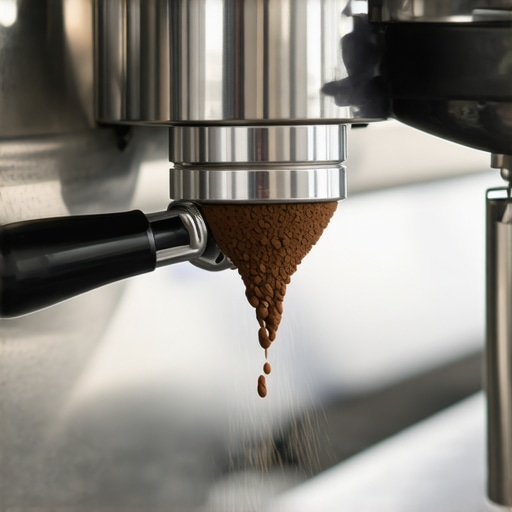
Why Your Portafilter Sneeze Is Making a Mess and How to Prevent It
Have you ever been in the middle of pulling a shot, only to be greeted by an unexpected splash of coffee all over your countertop? That sudden burst, often accompanied by a loud pop or sneeze from your portafilter, can turn a beautiful espresso moment into a messy, frustrating event. I remember my first few times fumbling with my home espresso setup, thinking I had done something wrong—until I realized this sneezing was more common than I thought and, surprisingly, fixable.
The Sneezing Portafilter: A Common but Surprising Issue
This phenomenon, affectionately dubbed the “portafilter sneeze,” happens when trapped air or water vapor suddenly escapes during extraction. It often results in spillage, uneven shots, and a serious dent in your espresso routine. The good news? With a few simple adjustments and some insider tips, you can put an end to this messy behavior once and for all. Today, I’ll walk you through what causes the sneeze and how to stop it, so you can enjoy that perfect, tidy shot every time.
Is Your Sneeze Actually Worth the Hype?
At first, I dismissed this issue as just a quirk—something you had to accept when working with espresso equipment. But I learned that ignoring it only leads to wasted coffee and frustration. Early on, I made the mistake of thinking that more tamp pressure would eliminate the problem, but that only made my shots harsher and didn’t solve the sneezing. Trust me, I’ve been there—and I know how annoying it can be.
Understanding the root cause of this sneezing can dramatically improve your brewing experience. From checking your grind consistency to maintenance routines, there are proven ways to keep that mischievous air in check. Curious how to make your portafilter behave? Let’s dive into the details — starting with the most common culprit: the grind and tamping process.
If you want a comprehensive fix, I also recommend exploring some proven techniques, like ensuring your portafilter is well preheated, which you can learn here. Proper maintenance can also play a significant role, especially if your grinder’s adjusting ring has frozen, which can contribute to inconsistent grounds and air pockets. If you’ve experienced those stubborn jams, check out this post.
What about the way you distribute coffee grounds? A simple trick using a removable magnet can help tame messes in your grinder chute, reducing the risk of air pockets and inconsistent tamping. With the right approach, your next shot will be cleaner, more balanced, and mess-free.
Ready to get your portafilter to stop sneezing? Stay tuned — I’ll guide you through practical steps you can take today to eliminate this problem for good, ensuring your espresso experience is smooth, spotless, and satisfying every single time.
Prepare Your Equipment Correctly
Start by ensuring your espresso machine and accessories are properly preheated. Warm your portafilter using the method outlined here. This prevents uneven temperatures that can cause air pockets, leading to sneezing during extraction. I once neglected this step, resulting in a spitting shot that required a cleanup—a simple warm-up would have avoided that mess.
Adjust Your Grind Properly
Next, focus on your coffee grind, which is crucial for controlling trapped air. Use a consistent grind setting and avoid overly fine textures that increase resistance and air buildup. To verify your grind’s quality, compare it to a fine sand—too fine, and you’ll likely experience more sneeze-inducing pressure. When I dialed in my grinder to slightly coarser settings, the number of sneezes dropped significantly. Check out this technique for more on consistent dosing.
Manage Your Tamping Technique
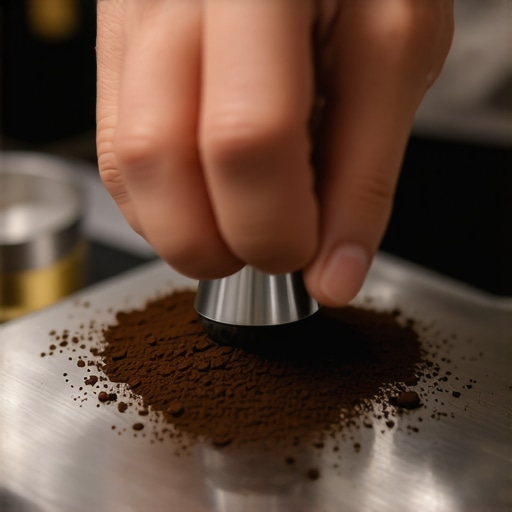
Applying even tamp pressure ensures uniform extraction and reduces air pockets. Instead of pressing multiple times and risking over-compaction, use a consistent force—about 30 pounds—and avoid double tamping, which is a myth you can read about here. I once tamped too hard, which caused a sudden release of pressure and a loud sneeze; switching to a steady, moderate pressure prevented that entirely.
Distribute Grounds Evenly
Before tamping, distribute the grounds using a levelling tool or a simple hand method to prevent uneven surfaces. This helps air escape evenly during extraction. I use a small, flat tool to level the coffee before pressing down, resulting in cleaner shots and fewer surprises. For tricky grinder chutes, the magnet trick can reduce clutter and air entrapment.
Practice Proper Maintenance
Regularly clean and inspect your gear to prevent blockages and build-up of oils that contribute to pressure issues. Descale your machine and clean the shower screen frequently. If your grinder’s adjustment ring feels stuck, check out this guide. Consistent maintenance minimizes air pockets that cause sneezing, ensuring predictable shots.
Control Extraction Variables
Monitor flow and pressure during brewing. Aim for a steady, even pour—any sudden spurts are signs of trapped air. Using a scale can help you gauge consistency. When I adjusted my shot timing and pressure, I noticed fewer sneezes and cleaner pours. Remember, small tweaks often yield big improvements—check this article for troubleshooting persistent spray patterns.
Final Checks Before Extraction
Before pulling your shot, do a quick visual inspection: ensure the portafilter is properly sealed and that no grounds are loose or uneven. A well-sealed portafilter prevents trapped air from escaping unexpectedly. When I adjusted my sealing ring and checked for ground uniformity, my shots became more consistent and free of sneezing episodes. For help with seals, see this fix. Taking these steps will drastically reduce or eliminate that dreaded portafilter sneeze, leading to cleaner, tidier, and more enjoyable espresso pulls.
Many home baristas fall for the misconception that solely investing in high-end equipment guarantees stellar espresso. However, myths surrounding grinders, espresso machines, and frothers often lead enthusiasts astray. For instance, the belief that double tamping makes a better shot is widespread, yet it’s fundamentally flawed. Over-pressing can cause uneven extraction and increased channeling, diminishing flavor and risking equipment damage. Instead, focusing on consistent tamping force, around 30 pounds, results in more predictable results.
Another trap many fall into involves the popular narrative that all milk frothers are created equal. While some believe that handheld frothers can substitute professional steam wands, this is a misconception. Handheld devices often fail to achieve the microfoam necessary for latte art, especially when using plant-based milks, which tend to separate if frothed improperly. For unavoidable issues like milk separation, a proper technique and understanding of milk chemistry are crucial.
Why Do Many Overlook Grinder Burr Wear?
One of the most overlooked nuances is the wear and tear on grinder burrs. Many think that dull burrs just result in uneven grounds, but their impact can be more insidious. Worn burrs can increase static, cause inconsistent particle sizes, and trap oils, all of which compromise extraction quality. Surprisingly, some home baristas ignore this aspect until taste tests reveal flat, stale flavors. Regularly inspecting your burrs, using a simple test like checking grind uniformity, can prevent flavor degradation.
Have you ever fallen into this trap? Let me know in the comments.
Avoiding these misconceptions requires a nuanced understanding of gear maintenance and usage. For example, a common mistake is neglecting to thoroughly clean and maintain your grinder, which can cause stubborn jams and inconsistent grinds. Similarly, believing that a high-priced espresso machine alone ensures quality yields disappointment if not paired with correct brewing techniques like proper preheating and consistent temperature control.
Understanding that equipment is only part of the equation, and combining that with a solid grasp of technique, is what sets apart a home barista from a hobbyist. Remember, the devil’s in the details—like regularly checking seals, cleaning shower screens, and calibrating grinders. These maintenance tasks, often overlooked, dramatically improve shot consistency and flavor clarity. If you’re interested in more advanced insights, consider exploring how gear cleanliness impacts taste.
Take a moment to audit your setup—are you falling prey to any of these misconceptions? Equip yourself with knowledge, and turn your coffee routine into a true craft. Have you ever fallen into this trap? Let me know in the comments.
Maintaining Your Equipment for Consistent Results
Investing in quality coffee gear is just the beginning; the real secret to long-term success lies in diligent maintenance. Regularly cleaning your espresso machine, grinder, and accessories ensures optimal performance and flavor delivery. For instance, descaling your espresso machine frequently prevents mineral buildup that can impair pressure and thermal stability, as detailed here. I personally schedule a weekly deep clean, using specialized cleaning tablets to keep my boiler and shower screen spotless, which drastically reduces channeling and inconsistent shots.
How do I maintain my grinder over time?
Grinding is at the heart of extracting flavor, and worn burrs or clogged chute can undermine your efforts. I recommend inspecting your burrs visually every few months or after grinding up to 50 pounds of coffee. Using a simple test for grind uniformity helps you identify dull burrs before they cause flavor flatness. Additionally, lubricating and occasionally unjamming frozen or sticky parts — like the adjustment ring — prevents inconsistent fines and static. If your grinder feels stuck, check out this guide for step-by-step instructions.
Why prioritizing tool cleanliness pays off
For milk frothers and steam wands, hygiene directly influences microfoam quality and taste. Regularly removing baked-on milk crusts with a dental pick trick makes the process easier and preserves the integrity of your equipment. Don’t forget to purge your steam wand after each use to prevent blockages and mildew, which can cause spitting or uneven steaming. A thorough cleaning schedule keeps your gear functioning flawlessly and ensures consistent milk texture for latte art.
Staying ahead with maintenance tech
Technology continues to evolve, offering smart tools for maintenance. Digital scales with app connectivity can log your shot times and weights, helping spot inconsistencies early. Video inspection tools or borescopes enable you to check internal pipes and boilers without disassembly, saving time and reducing risks of damage. These innovations forecast a future where proactive maintenance, guided by data and remote diagnostics, becomes the norm—meaning your espresso setup will require less manual intervention over time.
What is the best way to keep your gear in prime shape?
Establish a regular cleaning and inspection routine tailored to your equipment’s usage. For grinders, this means periodic burr checks and chute cleaning; for espresso machines, descaling and adjusting seals. Remember, a clean machine not only produces better coffee but also extends its lifespan, saving you money in the long run. I challenge you to try adopting one of these advanced maintenance tips this week, like inspecting your grinder’s burrs or deep-cleaning your steaming components. Small, consistent actions make a big difference in your daily brew quality and equipment longevity.
The Hardest Lesson I Learned About coffee grinders,home espresso,milk frothers,espresso machines,barista gear
One of the most eye-opening lessons was realizing that diligent maintenance surpasses even the fanciest equipment in delivering great coffee. I once believed that buying high-end gear would solve all my brewing woes, but neglecting regular cleaning and burr checks left me with stale flavors and inconsistent shots. Only after understanding the importance of routine upkeep did I truly unlock the potential of my setup, transforming my espresso experience from routine to remarkable.
3 Myths About coffee grinders,home espresso,milk frothers,espresso machines,barista gear That Held Me Back
Myth number one was thinking that a larger grinder means better results. In reality, smaller, well-maintained grinders often outperform bigger, neglected ones. The second myth was that frothing milk is just about holding the pitcher—it’s about technique and control. Lastly, I used to believe that more tamp pressure guarantees a better shot, but proper technique inspires consistency over brute force. Busting these myths opened my eyes to quality over assumptions in my coffee journey.
What Experts Won’t Tell You About coffee grinders,home espresso,milk frothers,espresso machines,barista gear
One secret I discovered is that burr wear often goes unnoticed until flavor flatness signals it’s time for a change. Experts know regular inspections prevent flavor degradation and equipment failures. Another insider tip: the quality of your water impacts every brew. Using a dedicated filtration system reduces scale buildup and preserves machine longevity, which many casual baristas overlook. These behind-the-scenes insights adjusted my approach and boosted my confidence in tackling everyday gear challenges.
Fuel Your Passion: Take Action Today to Elevate Your Coffee Game
Stepping into the world of home barista craft is rewarding, and the journey is ongoing. No matter your level, small improvements—like scheduling regular grinder checks or deep-cleaning your espresso machine—can make a significant difference. Equip yourself with knowledge and commitment, and you’ll find that every shot becomes a celebration of your dedication. Now, it’s your turn: what tiny change will you implement today to improve your coffee experience? Share below and let’s learn together.