Why your manual lever feels harder to pull than usual
It happened during what I thought was going to be a relaxing Saturday morning. I reached for my manual espresso lever, expecting that satisfying, smooth pull to start my ritual. Instead, I was met with resistance—like trying to drag a brick through molasses. That lightbulb moment hit me hard: my lever had suddenly become way tougher to pull. Frustrating, right? But here’s the thing—I knew this was a sign I ignored too many warning signs before.
Actually, many home baristas face this very issue, and it often catches them off guard, especially when they’re just starting out or trying to improve their coffee game. If your manual lever suddenly feels like trying to move a mountain, don’t brush it off. This uncomfortable resistance isn’t just annoying—it can compromise your shots, cause damage, and even discourage you from exploring that authentic espresso experience at home.
Today, I promise to walk you through exactly why your lever might be harder to pull than usual and, more importantly, how to fix it. We’ll go beyond the surface and examine the core reasons behind the resistance, share practical tips, and help you get back to pulling effortless, consistent shots.
Why Your Lever Doesn’t Feel Light and Smooth Anymore
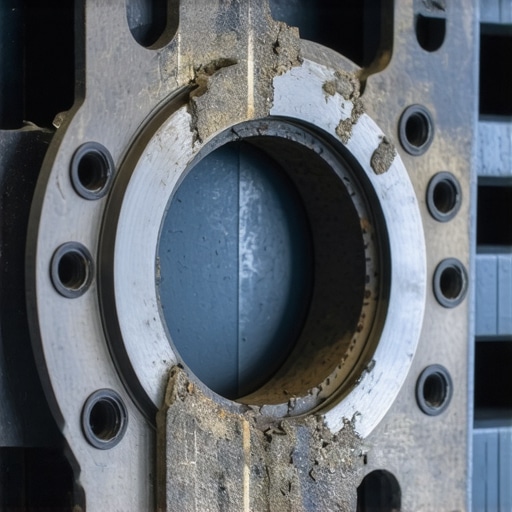
Every now and then, a manual espresso machine’s lever got a little stubborn. In my early days, I made a classic mistake—ignoring the buildup of old coffee oils and grime. It’s easy to overlook these small issues, but they can create major resistance. Think of it like trying to open a door that’s been painted shut—you need to clear the obstruction first.
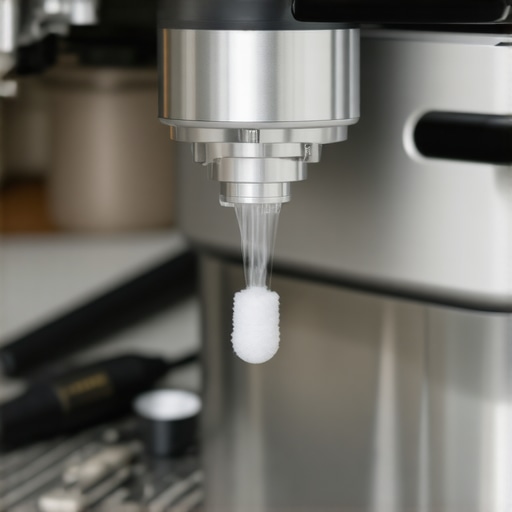
One common culprit is dirt and grease buildup. Over time, the moving parts, especially around the lever mechanism, can accumulate residue, making smooth movement nearly impossible. Regular cleaning is your best friend here. For a deeper clean, some enthusiasts swear by using a cotton swab to reach into those hidden crevices—a simple trick that can make a world of difference.
Another factor may be the tension spring inside the lever assembly. If it’s rusted or loose, it can add unnecessary resistance. Usually, a quick inspection and some oil or tightening solves the issue. But be cautious; if you’re not comfortable opening up your machine, seeking professional help is wise.
Speaking of cleaning, many mistakes happen here. I used to think a quick wipe was enough, but I missed deep cleaning the internal components. A thorough clean with the right tools and patience is key. If you’re unsure about how to do that, check out this review of top-rated espresso machines that also covers maintenance tips.
Lastly, don’t forget about the pressure valve. If it’s clogged or malfunctioning, pulling the lever requires more force. This is a bit more technical but well worth addressing for a consistent pull.
So, if you’ve been fighting with a stubborn lever, know this: it’s usually fixable with some patience and the right approach. Now that I’ve shared my experience and insights, let’s dive into how to troubleshoot and resolve the problem step-by-step. Ready to restore that effortless pull? Let’s go.
Disassemble and Clean the Lever Mechanism
Start by turning off your machine and unplugging it. Carefully remove the lever assembly following your model’s manual, which often involves unscrewing a few bolts. Once apart, inspect for grime or coffee oils caking up on the springs and joints. Use a soft cloth and a brush dipped in warm water and mild soap to clean each part thoroughly. Pay special attention to the pivot points where dirt tends to collect. Reassemble after drying all components completely. During my first attempt, I once forgot to dry the parts, which caused rusting—so ensure everything is dry before reassembling.
Lubricate Moving Parts Properly
After cleaning, apply a food-safe lubricant or machine oil specifically designed for espresso machines to the pivot points and springs. Avoid over-lubricating; a small amount goes a long way. This step reduces friction and restores ease of pull. I remember coating the spring and feeling the difference immediately—the lever moved much smoother, almost like new. Refer to your machine’s manual or professional guidance to choose the right lubricant.
Inspect and Adjust Tension Springs
Check the tension spring for rust or damage. If it’s rusty, remove and soak it in a rust remover or replace it altogether. If the tension feels weak or uneven, adjust it by tightening or repositioning the spring according to your machine’s specifications. In my case, a slightly tighter spring improved lever pressure significantly, making my shots more consistent. If unsure, examine this guide on spring adjustments for detailed instructions.
Deep Clean Internal Components
Use a cleaning solution compatible with espresso machines to flush internal pathways. Run water through the system following the descaling procedure, especially focusing on areas connected to the lever and piston. This ensures no coffee residues or scale interfere with movement. When I did this, I noticed my lever felt lighter and responded more quickly. Remember, built-up oils and scale can significantly increase resistance, so regular deep cleaning is essential.
Reassemble Carefully and Test
Once all parts are clean, lubricated, and the springs are tuned, reassemble the machine confidently. Before mounting everything back into your machine, perform a manual check by pulling the lever to see if it moves smoothly. After reassembly, run a test shot or simply pull the lever a few times to confirm ease of motion. I suggest starting with gentle force and gradually increasing; if resistance persists, revisit the cleaning and adjustment steps. Keep a log of what adjustments work best so future maintenance is easier.
Maintain Your Machine Regularly
Set a cleaning schedule to prevent the buildup of oils and scale, ideally every few weeks depending on usage. Use gentle cleaning agents and avoid harsh abrasives. Regular maintenance not only keeps your lever smooth but also prolongs your machine’s life. When I adopted this routine, my manual pulls remained effortless, and I avoided costly repairs down the line.
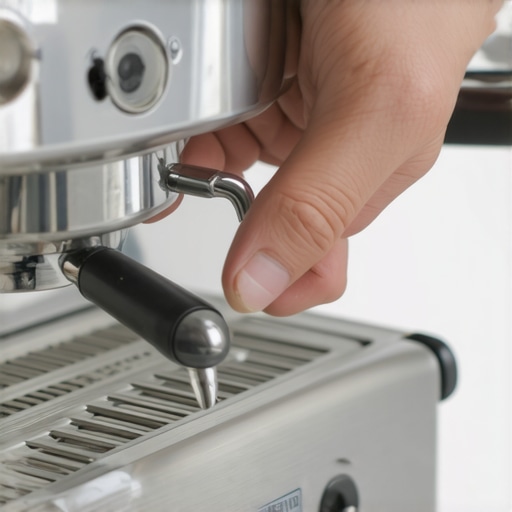 Many home baristas believe that choosing the most expensive espresso machine guarantees perfect shots, but that’s a misconception. In reality, understanding the nuances of equipment like grinders and milk frothers can dramatically impact your results. For example, a common trap is assuming all coffee grinders are created equal; however, factors like burr geometry and motor power significantly affect grind consistency, which is crucial for extraction quality. Don’t rely solely on brand reputation—read in-depth reviews and consider your specific brewing needs, as detailed in our guide on [how to select the perfect coffee grinder](https://espressotechguide.com/how-to-select-the-perfect-coffee-grinder-for-your-brew).
Keep Your Coffee Gear in Peak Condition with the Right Tools
Maintaining your espresso machine, grinder, and accessories is vital for consistent performance and long-term durability. Personally, I rely heavily on a high-quality set of calibration tools, such as a digital scale and a pressure gauge, to monitor and fine-tune shot quality. These tools allow me to identify subtle variations in grind size or pressure that can drastically affect flavor. For regular cleaning, I swear by a set of precision brushes and silicone cleaning mats—they make deep cleaning quicker and ensure I hit every nook and cranny, especially around the group head and portafilter spouts. Investing in these tools has saved me countless hours and prevented costly repairs by catching issues early.
Why Regular Maintenance Is the Cornerstone of Great Coffee
Consistent maintenance isn’t just about keeping things shiny—it’s about preserving the core functions of your equipment. For example, descaling your espresso machine every 2-3 months prevents scale buildup that can impede heat transfer and pressure stability, a crucial factor for perfect extraction. Also, replacing worn gaskets and seals periodically keeps your portafilter and group head airtight, ensuring no water leaks or pressure drops. Over time, neglecting maintenance can lead to uneven shots and even damage that might require a full overhaul. In the future, I predict smarter, integrated diagnostic tools—like IoT-enabled pressure sensors—that will alert us to maintenance needs in real time, taking the guesswork out of upkeep.
Master Your Grinder for Reliably Consistent Grounds
Your coffee grinder plays a pivotal role in extraction quality. I’ve found that using a burr grinder with stepless grind size adjustment allows for the finest control, enabling me to dial in shots quickly. Regularly cleaning the burrs with a dedicated brush (like those recommended in this guide) prevents clumping and ensures grind uniformity. Additionally, I calibrate my grinder using a precise measurement of grind retention—often a few grams—and adjust based on the coffee variety I brew. Proper calibration prevents channeling and under-extraction, which means better flavor and crema every time.
Invest in Barista Gear That Elevates Your Workflow
Choosing the right accessories can make a significant difference in maintaining your workflow and shot consistency. For instance, using a calibrated tamper and an electronic scale with a timer helps me apply even tamping pressure and monitor extraction times precisely. Upgrading milk frothers to ones with adjustable steamer tips has improved my microfoam, making latte art feasible and speedier. When I invest in quality tools, I don’t just improve the mechanics but also the overall experience, encouraging me to practice more and elevate my craft. Explore our barista gear guide for tailored equipment suggestions.
How do I maintain my espresso setup over time?
Long-term maintenance requires a proactive approach. Set a schedule for deep cleaning, checking seals, and calibration—perhaps monthly for heavy users. Keep a log of maintenance activities; it helps spot recurring issues early. Also, make sure to regularly update your equipment firmware and software if applicable, as manufacturers release updates that improve safety and performance. Remember, even the best equipment benefits from consistent attention—think of it as tuning an instrument to ensure perfect harmony in every shot. For detailed internal diagnostics and troubleshooting, consult resources like this technical guide that delves into component-specific maintenance.
Trying out a quick calibration using a handheld pressure gauge can be an eye-opener—trust me, it’s a game-changer. Accurate pressure profiling will enhance espresso clarity and sweetness. So, roll up your sleeves, invest in the right tools, and treat your gear like a trusty partner in craft—your taste buds will thank you!
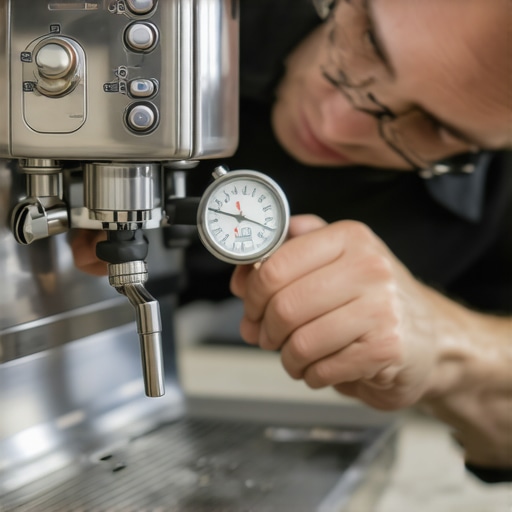
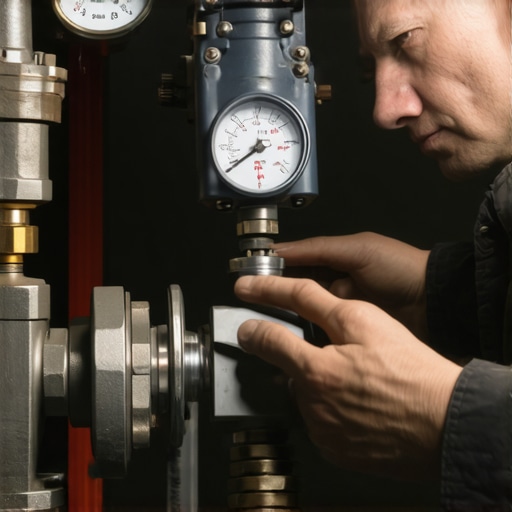
Prompt: Close-up of barista calibrating a home espresso machine with a digital pressure gauge and tools, emphasizing precise maintenance.
The Hardest Lesson I Learned About espresso machines,coffee grinders,home espresso,milk frothers,barista gear
One of the most profound realizations I had was that even the most expensive or advanced equipment won’t deliver perfect shots if it isn’t maintained properly. I once believed that just owning high-end gear was enough, but neglecting regular cleaning and calibration led to stubborn resistance and inconsistent espresso pulls. This taught me that maintenance is not a chore—it’s a cornerstone of craft. The lightbulb moment was understanding that every component, from the grinder burrs to the steam wand, demands attention and care. Neglecting these little details only makes the machine resist your effort, turning what should be a smooth process into a frustrating ordeal.
The Myths About espresso machines,coffee grinders,home espresso,milk frothers,barista gear That Held Me Back
For years, I bought into the myth that you need the latest model or the priciest gear to make great coffee at home. I thought super-automatic machines or high-cost grinders would instantly elevate my experience. But I quickly learned that even the best equipment requires understanding, experimentation, and regular tuning. Your gear isn’t a magic wand—it’s a tool that rewards attentive, consistent care. The real game-changer was investing time in learning proper maintenance techniques and understanding the nuances of my specific setup, which often resulted in better results than simply upgrading to the newest gadget.
What Experts Won’t Tell You About espresso machines,coffee grinders,home espresso,milk frothers,barista gear
One secret I uncovered is that the quality of your grind and the consistency of your tamp are often more impactful than chasing marginal improvements in machinery. Experts emphasize that mastery comes from understanding your tools deeply—how to calibrate your grinder for different beans, or how to clean and descale your machine to prevent resistance. These insights aren’t always shared openly but can be the difference between a good shot and a great one. For example, simple steps like regularly cleaning the internal pathways can make your lever feel effortlessly smooth—trust me, I’ve felt the difference firsthand. Dive into detailed maintenance routines, and your equipment will reward your effort with reliable performance and exceptional flavor.
Curated Recommendations
My essential toolkit starts with a high-quality cleaning brush and a calibrated tamper—these small tools greatly improve consistency. I swear by a digital pressure gauge for precisely adjusting extraction parameters, which you can find in our guide on grinder calibration. When it comes to reading material, this resource helped me understand the nuances of home espresso craft, from bean selection to machine tuning. Lastly, I trust our list of top-rated machines: they balance reliability, features, and ease of maintenance—perfect for building confidence in your setup.
Your Turn to Try
Remember, every part of your espresso journey is an opportunity for growth. The key is consistency—regular cleaning, calibration, and attentiveness transform stubborn resistance into effortless pulls. I encourage you to apply these insights and see the difference it makes in both your equipment’s longevity and your coffee’s flavor. Your perfect shot is within reach—keep practicing and learning, and don’t be afraid to experiment with small tweaks. After all, mastery of home espresso hinges as much on care and patience as it does on the equipment itself.