How to fix a portafilter that won’t stay level
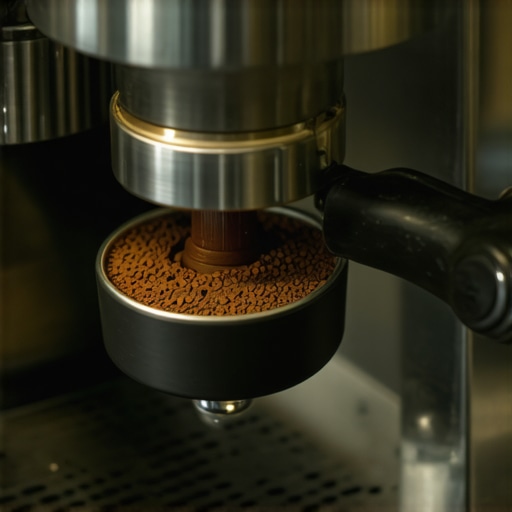
It was a typical Saturday morning, and I was determined to perfect my home espresso routine. I had just dialed in my grinder, tamped with perfect pressure, and prepared to pull what I hoped would be my masterpiece shot. But as I locked the portafilter into my espresso machine, I noticed it wobbled and tilted to one side. Frustration bubbled up—how could something so simple become such a headache? That lightbulb moment hit me hard: a wobbling portafilter isn’t just a minor annoyance; it directly affects your espresso quality and workflow. If you’re tired of uneven extractions and messy mornings, you’re in the right place. Today, we’re going to troubleshoot and fix that stubborn portafilter that refuses to stay level, so you can get back to enjoying that perfect crema.
Why a Level Portafilter Matters More Than You Think
Imagine trying to balance a glass of water on a shaky table—it’s bound to spill or tip over. That’s exactly what happens when your portafilter isn’t level during extraction. Uneven pressure or tilting causes channelling, leading to inconsistent flavors, bitterness, or sourness. Plus, it can strain your equipment over time, creating long-term issues. I learned this the hard way early on—pounding my portafilter with extra tamp pressure, thinking it would stabilize the setup. Big mistake! That only made things worse and showed me how crucial stability truly is. For reliable espresso shots, your portafilter needs a solid, level fit every time.
If you’ve dealt with this problem, you’re probably wondering whether it’s worth repairing or just replacing your setup. Well, fixable issues are often straightforward to resolve, and in many cases, a simple adjustment or cleaning does the trick. Not only does this save money, but it also keeps your machine in top shape. Interestingly, studies have shown that equipment maintenance can improve overall brewing quality, even beyond what you’d expect from new gear alone. Ready to get into the nuts and bolts of fixing your portafilter? Let’s dive into the common causes and solutions so you can enjoy consistent, delicious espresso every morning.
Is It Just a Loose Gasket or Something More? Common Causes of a Wobbly Portafilter
One of the first things I discovered was that simple wear and tear often lead to loose gaskets or worn-out fittings, making the portafilter sit unevenly. Alternatively, debris or coffee buildup can interfere with the sealing and proper locking. Early on, I ignored these minor signs, which only worsened the problem. Regular cleaning and inspecting your gasket and locking mechanism can prevent many issues. If you’re curious about keeping your gear in prime condition, check out tips on how to properly clean your portafilter. In the next sections, we’ll explore practical, step-by-step fixes for these common issues and how to avoid them moving forward.
Tighten and Replace the Gasket for a Secure Fit
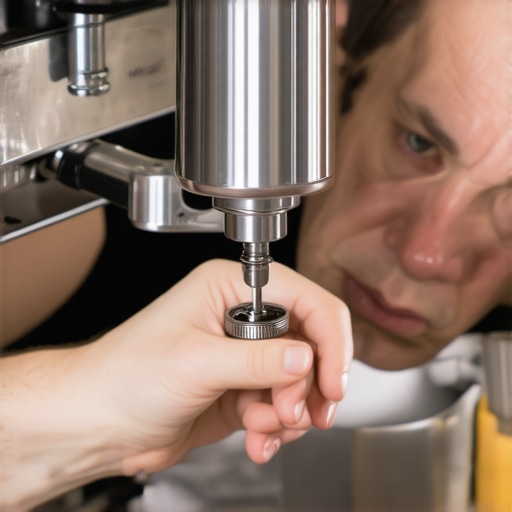
Start by removing the portafilter from your espresso machine. Examine the gasket, which is the rubber ring that creates the seal between the portafilter and the group head. If it’s worn, cracked, or loose, it’s time to replace it. Consistent tension depends on a snug gasket. To replace, use a small flat-head screwdriver to gently pry out the old gasket, then press the new one into place, ensuring it sits evenly around the groove. I learned this during a messy morning when my shots kept channeling—after replacing a worn gasket, the wobble disappeared, and my espresso was perfectly balanced.
Clean and Inspect the Portafilter and Group Head
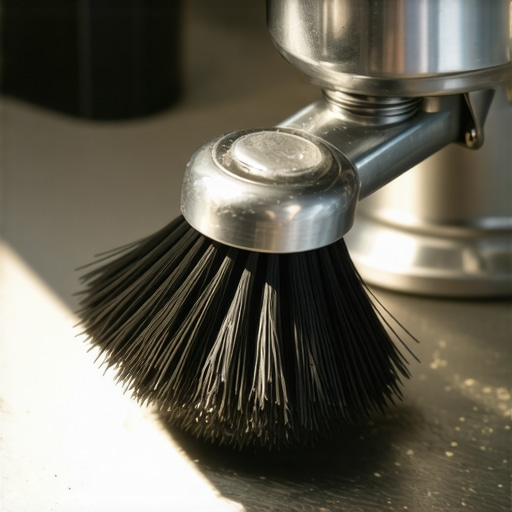
Next, disassemble the portafilter to clean off coffee oils and residues that cause uneven seating. Use a damp cloth and a brush to remove stubborn grounds from the locking surface. Also, inspect the group head for any buildup or debris that might hinder a proper connection. Regular cleaning prevents debris from causing looseness. Once cleaned, reassemble the portafilter and check if it now locks in tightly without wobbling. During my last session, a thorough clean fixed a persistent tilt that had plagued my shots for weeks.
Adjust the Locking Mechanism
If the gasket looks fine but the portafilter still wobbles, check the locking lever or latch mechanism. Sometimes, the latch can become misaligned or worn. Use a screwdriver to tighten any loose screws or adjust the latch position so the portafilter sits evenly when locked. A quick adjustment turned a wobbly session into a steady coffee ritual. Remember, every machine is different—consult your espresso machine’s manual if needed, or visit our contact page for personalized advice.
Level the Portafilter Using the Cardboard Hack
For stubborn cases, I recommend the simple yet effective cardboard shim method. Cut a small piece of cardboard with a thickness that compensates for the unevenness. Place it beneath the portafilter’s gasket or slightly adjust the position before locking it in. This creates a perfectly level sealing surface, preventing tilts during extraction. I first tried this during a trip when my portafilter had slight warps—adding a small cardboard shim instantly stabilized the shot. This quick fix ensures consistent extraction without expensive repairs.
Maintain Your Equipment Regularly
Finally, prevent future wobbling by scheduling regular maintenance. Clean gaskets monthly, inspect for wear, and replace worn parts promptly. Keep the group head and portafilter free of coffee oils by wiping after each use and performing deep cleans weekly. This routine preserves the integrity of the seal and locking mechanism. When I started this habit, I noticed fewer stability issues and improved shot consistency. For extensive gear advice, see this guide to barista gear.When delving into the world of home espresso, many enthusiasts cling to certain beliefs that might hinder their progress. One prevalent myth is that upgrading to the most expensive gear automatically guarantees stellar results. However, in my experience, **learning to optimize your existing equipment** and understanding nuanced variables often yields better espresso than merely chasing the latest high-end machine. For example, a top-rated espresso machine in 2025 can be a game-changer, but only if paired with proper technique and maintenance.
Another misconception concerns grinders—many think that conical burr grinders always outperform flat burrs in consistency. While conicals have advantages, such as quieter operation and less retention, the key is selecting a grinder with properly matched burrs and a consistent grind size. Choosing the right grinder tailored to your brew is far more critical than the burr type alone.
What About Milk Frothers: Are They All Created Equal?
Many home baristas assume that any milk frother will produce professional-quality microfoam. The truth is, **manual frothers and inexpensive electric devices often struggle with consistency**, impacting latte art and texture. Investing in a quality milk frother, like those reviewed in this guide, can enhance your experience significantly. An advanced mistake to avoid is neglecting proper milk temperature and texture—these factors overshadow even the most expensive frothing equipment. Proper technique and understanding of milk science are often overlooked, yet they are essential for that silky microfoam you see in professional settings.
Furthermore, a common trap is overestimating the importance of gear aesthetics over function. Brightly colored or overly decorated machines might look appealing but often lack the durability and precision needed for consistent espresso. **Focus on user reviews, maintenance ease, and technical specs** rather than external appearances. As I emphasize in this article, matching equipment features with your specific brewing goals is crucial.
Lastly, a word of caution: many fall into the trap of believing that quick fixes—like adjusting grind size or tamping pressure by guesswork—are enough. In reality, **advanced barista techniques** and diligent calibration, including accurate pressure profiling and temperature management, make a significant difference. This is backed by research from the Specialty Coffee Association, which highlights precision and consistency as key to elevating your home brewing game.
In conclusion, challenging these misconceptions can save you money, time, and frustration. Always approach gear choices with a critical eye, prioritize technique and routine maintenance, and avoid the trap of equating gear price with coffee quality. Want more expert insights? Explore the top-rated espresso machines of 2025 or learn to fine-tune your grinder for perfect shots. Have you ever fallen into this trap? Let me know in the comments.
Keep Your Equipment Running Smoothly with Precision Tools
Ensuring your home espresso gear stays in top shape requires the right toolkit. I personally rely on a high-quality calibration scale, like the espresso scale that turns off mid-shot, because it offers accurate measurements without wasting precious coffee. Additionally, a dedicated brush set specifically designed for grinder crevices helps me dislodge stuck grounds, maintaining grind consistency over time. These tools aren’t just luxury add-ons; they are essential for diagnosing issues early and avoiding costly repairs down the line.
Predicting where this is headed, I believe digital integration will become more prevalent. Imagine smart tools that sync with your app to alert you when maintenance is due or automatically calibrate your grinder based on usage patterns. Keeping pace with these innovations will make maintaining your setup even more straightforward and effective.
How do I maintain my espresso gear over time?
Regular maintenance is the backbone of a reliable espresso setup. Schedule weekly deep cleaning of your group head and portafilter using a descaling solution or a citric acid-based cleaner—this prevents mineral build-up and ensures optimal heat transfer. Replace worn seals like gaskets at least once every six months; this simple step prevents wobbliness and maintains consistent pressure, which directly influences shot quality. Also, regularly inspect and calibrate your grinder—correct adjustment can be the difference between a good shot and a great one. For more detailed guidance, check out tips for beginners.
To keep your machine humming, I advise setting a maintenance routine that includes cleaning the shower screen with a needle or pin to clear blockage, and checking the water filtration system periodically, since mineral deposits can weaken boiler components. Adopting these habits will extend your gear’s lifespan and improve the flavor of your coffee consistently.
The Importance of Routine Maintenance for Long-Term Results
Investing time in regular upkeep not only prevents unexpected breakdowns but also enhances your espresso’s flavor profile. A well-maintained machine delivers more even extractions and a richer crema. In fact, neglecting routine tune-ups can lead to more expensive repairs down the line—something I’ve learned from experience. Following manufacturer recommendations and consulting the experts here helps tailor your maintenance plan precisely to your gear.
If you want your setup to perform reliably for years and enjoy consistent brewing results, adopt simple habits like monthly gasket inspections, weekly cleaning routines, and periodic calibration checks. These practices, combined with the right tools, can significantly reduce downtime and elevate your coffee game. Don’t forget—staying ahead with maintenance feels empowering, and it’s a crucial step toward professional-quality home espresso.
What I Wish I Knew During My Early Espresso Journey
One of the most valuable lessons I learned is that consistent stability isn’t achieved solely through new gear but through understanding and maintaining what’s already in your arsenal. I once believed a shiny machine would solve all my brewing woes, but the real breakthrough came when I realized that even the best equipment needs regular care and personal touch. Recognizing that a wobbly portafilter often stems from simple worn gaskets or misaligned latches taught me to focus on routine inspections rather than rushing to upgrade. This shifted my approach from reactive to proactive, saving time and money while elevating my espresso quality.
Another insight was the importance of precision in every step—whether dialing in grind size or securing the portafilter. Small adjustments, like the cardboard shim trick, showed me that sometimes, minor tweaks make all the difference. These lessons underscored that mastering home espresso is as much about patience and attention to detail as it is about the equipment itself.
Additionally, I discovered the power of routine maintenance. A few minutes weekly cleaning, gasket inspections, and calibration checks create a foundation for reliable, high-quality shots. It’s easy to overlook these habits, but their cumulative effect transforms your brewing experience from inconsistent to professional-grade.
Tools and Resources That Changed My Coffee Game
Over time, I’ve found that having the right tools simplifies troubleshooting and fine-tuning my espresso setup. The espresso scale that turns off mid-shot ensures precision measurement without interruption, making calibration more straightforward. A set of dedicated grinder brushes, which you can learn more about here, helps keep grind consistency and prevents clogging. Also, consulting guides like this comprehensive resource for beginners offers step-by-step advice that builds confidence in your skills.
For exploring top equipment, the latest list of premium espresso machines keeps me inspired and updated on market trends. Finally, understanding grinder selection through this detailed guide helps me choose tools that match my brewing style, preventing unnecessary frustration.
Let Your Passion Drive Your Espresso Evolution
Embracing the journey beyond just fixing a wobbling portafilter transforms home brewing into a rewarding craft. Remember, the key lies in continuous learning, routine maintenance, and selecting tools that empower you. Don’t shy away from trying simple fixes like gasket replacements or the cardboard shim—it’s these small wins that fuel long-term improvement. The future of your espresso game depends on your willingness to refine, adapt, and stay curious. Whether you’re just starting or looking to elevate your setup, keep your enthusiasm alive, and enjoy every shot you craft.
What is the one fix or tweak that made the biggest difference in your brewing routine? Share your experiences below, and let’s learn together!