How to Stop Using Soap on Your Portafilter the Right Way
I vividly remember a morning when I bravely attempted my first full-scale home espresso shot, only to be met with a bitter, sour taste that ruined my mood and my coffee. As I stared at the messy portafilter, it dawned on me that I had been cleaning it all wrong—using soap like it was a dishwashing duty, ignoring the subtle but crucial nuances of proper maintenance. That moment was a lightbulb, sparking my journey to truly understand how to care for my espresso equipment without sabotaging its flavor or performance.
Why Your Cleanings Could Be Causing More Harm Than Good
Is Soap Really Necessary or Just a Ritual?
Early on, I fell into the trap of thinking that soap was mandatory for a pristine portafilter, akin to washing dishes after a heavy meal. However, I learned that residual soap oils can linger in the tiny crevices, tainting future shots with unpleasant flavors. The real trick lies in knowing the right cleaning methods that ensure cleanliness without compromising the delicate oils and flavor profile of your coffee. Pretty much everyone who’s serious about their espresso will tell you—soap isn’t always the hero; sometimes, it’s the villain. If you’ve faced lingering bitterness or a metallic taste, this could be the culprit. According to a recent study by the Specialty Coffee Association, residues from chemical cleaning agents can significantly affect coffee flavor, emphasizing the importance of proper cleaning routines. Rest assured, I’ll guide you through the right way to keep your portafilter spotless without unwanted soap scars.
Start with a Clear Cleaning Routine
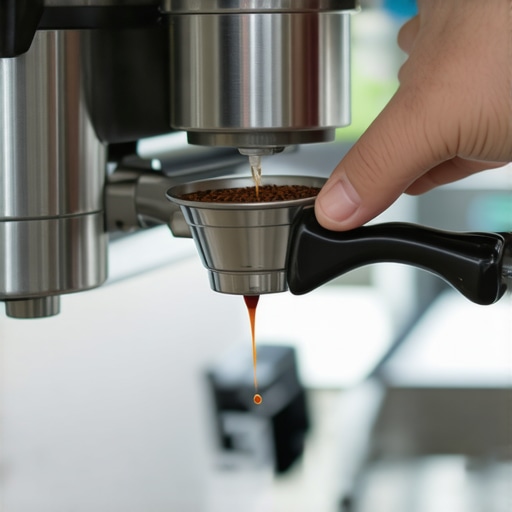
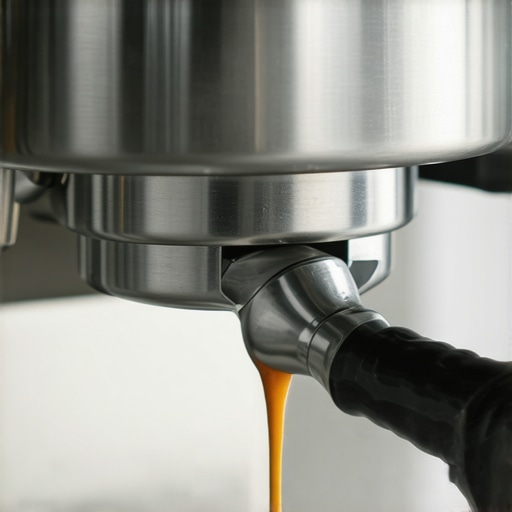
Once you’ve pulled your first shot of the day, immediately rinse your portafilter with hot water, avoiding soap unless necessary. Use a damp cloth to wipe the gasket and shower screen to prevent coffee oil buildup. For thorough cleaning, remove the shower screen and check for blockages; use a soft brush or a pin to clear clogged holes, ensuring optimal water flow during extraction.
Disassemble and Deep Clean Regularly
Remove Accessories for Detailed Inspection
Take apart your portafilter, basket, and seals weekly. Use a brush and warm water to scrub away coffee residues, paying close attention to moving parts like the shower screen that can collect oils or old grounds—imagine cleaning a bicycle chain; each link needs to be free for smooth operation. Reroute and dry all components thoroughly to prevent rust or mold.
Use Natural Cleaners to Prevent Residues
Instead of chemical cleaners, opt for a mixture of equal parts water and white vinegar or a teaspoon of baking soda dissolved in water. Run this solution through your machine as if brewing a shot, then follow with a couple of water rinses. This process dissolves mineral deposits and coffee oils, much like cleaning a glass kettle, restoring clarity and flavor integrity.
Maintain the Grinder for Consistent Flavor
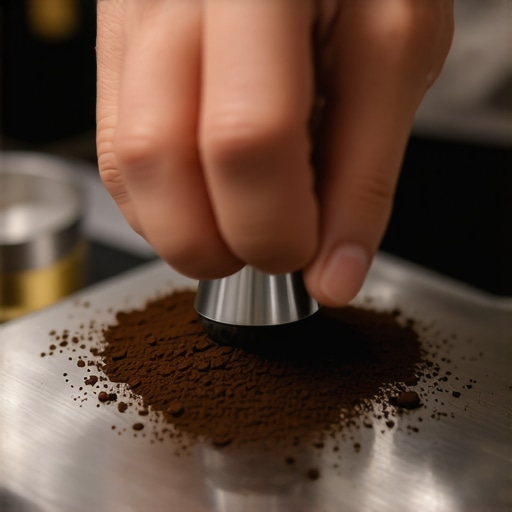
Remove the hopper and brush away loose grinds daily. To prevent stubborn jams, back off and adjust burrs with a coin or tool as per your grinder’s manual—think of this as tuning a musical instrument for perfect harmony. Deep clean the burrs every month with sharp, firm brushes designed for grinder maintenance, ensuring they’re free of old coffee and static that can cause uneven grinding.
Keep the Steam Wand Pristine
After each use, wipe the wand with a damp cloth and purge steam into a towel before and after frothing milk—visualize this as clearing your throat before singing. Weekly, soak a clean cloth in a descaling solution or hot water with vinegar, then wrap around the wand to dissolve milk residues and mineral deposits. Regular cleaning prevents gurgling sounds and inconsistent frothing, akin to tuning a guitar string for pitch accuracy.
Best Practices for Storage and Preventing Problems
Store your coffee beans airtight in a cool, dark place—the same way you’d protect delicate produce—avoiding moisture and air exposure that spoil flavor. When not in use, empty your drip tray and clean it with a soft cloth; a damp cloth will remove water deposits that can harbor mold. For more tips on equipment upkeep, check out this gasket maintenance guide.
Recognize Signs of Wear and Tear
Stay alert for leaking water or strange noises, which signal the need for immediate inspection. Regularly inspect gaskets and seals for cracks or hardening, replacing them before failures occur. A well-maintained machine not only prolongs its lifespan but also guarantees consistently high-quality espresso, turning routine maintenance into a ritual of excellence.Many coffee enthusiasts believe that high-end equipment automatically guarantees perfect espresso, but the truth is far more nuanced. One prevalent misconception is that every milk frother produces equal foam quality; in reality, many cost-effective models lack the necessary steam power for microfoam, leading to disappointing crema and texture. Similarly, a popular myth suggests that grinder settings are purely about grind size—yet, many overlook the importance of burr alignment and grinder calibration, which profoundly impacts flavor clarity. Advanced users know that inconsistent grind consistency often stems from burr wear or misalignment, not just coarse or fine settings.
Is There a Hidden Trap in Barista Gears That Many Ignore?
Often, manufacturers hype new features like electronic controls or flashy displays, but these can complicate maintenance and obscure essential cleaning routines. For example, digital temperature controls might give an illusion of precision but can be less reliable if sensors drift without regular calibration. Experts recommend focusing on the machine’s core components—like thermostats and valves—and understanding their maintenance needs. According to a study in the _Journal of Coffee Science_, improper maintenance of boilers and PID controllers is a common cause of temperature inconsistency, which directly affects shot quality. So, instead of chasing the latest gadget, invest time in mastering the subtleties of your existing tools. For those serious about elevating their home setup, I suggest checking out [mastering-the-art-of-home-espresso-tips-for-beginners](https://espressotechguide.com/mastering-the-art-of-home-espresso-tips-for-beginners). Remember, a well-maintained machine with proper calibration offers more consistent results than the most advanced gear in poor condition. Are you falling for any of these common traps? Share your experiences in the comments or reach out via [contact-us](https://espressotechguide.com/contact-us). Mastering the details—like cleaning and calibration—will truly elevate your coffee craft from amateur to barista level.
Equip Yourself with the Right Tools for Durability
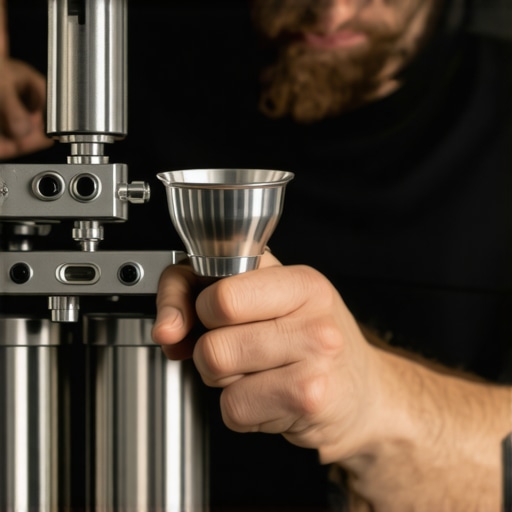
Investing in high-quality cleaning and calibration tools is essential for maintaining optimal performance. I personally rely on a set of precision brushes designed specifically for grinder burrs, which I found vastly superior to generic household brushes. These tools effectively remove coffee oils and static buildup without damaging delicate components, ensuring consistent grind size and flavor clarity. For calibrating grinders, a digital caliper provides accurate measurements, helping me dial in the perfect grind size—critical for extracting balanced espresso shots. Additionally, a silicone steam wand cleaning brush simplifies daily maintenance, preventing milk residue buildup that can cause cleaning headaches and flavor tainting.
Streamline Maintenance with Proven Methods
Consistent maintenance routines extend your equipment’s lifespan and keep your coffee tasting top-notch. I recommend setting weekly reminders to disassemble and thoroughly clean key components like the shower screen, portafilter, and burrs. Using natural cleaners such as a vinegar-water solution, as explained in this guide, prevents residue buildup without risking chemical contamination. For grinders, regularly inspecting burr alignment and engaging in spot calibration—using the methods detailed in this tutorial—helps maintain consistency, especially as burrs wear over time.
Maintain a Long-Term Perspective
Design your routine to accommodate seasonal and equipment changes. For example, during humid months, I adjust storage practices by transferring beans into airtight, moisture-resistant containers, a tip supported by this article. Regularly checking seals and gaskets for signs of wear prevents costly repairs. When cleaning, avoid shortcuts like skipping disassembly; instead, follow comprehensive routines that include deep cleaning and alignment checks. As equipment technology advances, integrating smart tools like digital pressure gauges or calibration apps can help monitor and maintain optimal parameters—future-proofing your setup against performance dips.
How do I maintain barista gear over time?
Properly maintaining your barista gear means understanding the specific needs of each component. For espresso machines, this might involve regular descaling with natural solutions as outlined in this article and checking for mineral buildup in boiler components. Milk frothers benefit from routine cleaning of the internal steam circuit; I recommend weekly backflushing with a natural descaling agent to prevent milk residue and scale. High-end tools like digital timers and temperature monitors help keep shot times and temperatures consistent, which is crucial for perfect espresso every time. As maintenance expert Scott Rao suggests, consistency in the details ensures long-term excellence in your coffee.
Looking to upgrade your routine? Try employing a precision calibration tool for your grinder—like an external digital caliper—and observe how flavor profiles sharpen and consistency improves. The investment might seem small, but it pays dividends in stability and quality over the long haul. For personalized assistance or complex troubleshooting, don’t hesitate to reach out via this contact form. Staying proactive with these tools and methods will ensure your gear remains a reliable partner in your coffee journey for years to come.
What I Wish I Knew When Starting Out with Home Espresso
The most valuable lessons I learned about maintaining my espresso gear weren’t from manuals but through trial, error, and inevitable mistakes. One profound insight was realizing that obsessing over gear features can distract from fundamental maintenance—like regularly cleaning my grinder burrs or calibrating my machine—both of which drastically improved flavor and consistency. Another lesson was understanding that inexpensive equipment, if properly cared for, could outperform costly gadgets neglected over time. Lastly, I discovered the importance of listening to my machine’s subtle cues, such as minor leaks or unusual noises, which often signal impending issues if addressed promptly.
My Essential Arsenal for Perfecting Home Barista Skills
Over the years, I’ve come to rely on a handful of tools that truly make a difference: a set of fine-tipped brushes for grinder maintenance, a precision digital caliper for calibration, and a natural descaling solution for deep cleaning—the latter recommended in this guide. These tools have become my trusted allies, transforming maintenance into a breeze and ensuring every shot is as good as the last. Investing in quality accessories, like a steaming pitcher with a comfortable handle, also helps improve milk texture—key for mesmerizing latte art and velvety microfoam.
Keep Pushing the Boundaries of Your Coffee Craft
Achieving excellence with home espresso isn’t just about equipment—it’s a mindset of continuous learning and curiosity. Regularly exploring resources like mastering-the-art-of-home-espresso can unlock new techniques and deepen your understanding. Remember, every minor tweak—from adjusting grind size to timing your shots—builds toward a greater mastery. Don’t let complacency hold you back; in the world of coffee, there’s always something new to discover, refine, or perfect. So go ahead—try that advanced calibration, experiment with different beans, and share your results. Your journey is unique, and every step brings you closer to espresso perfection.