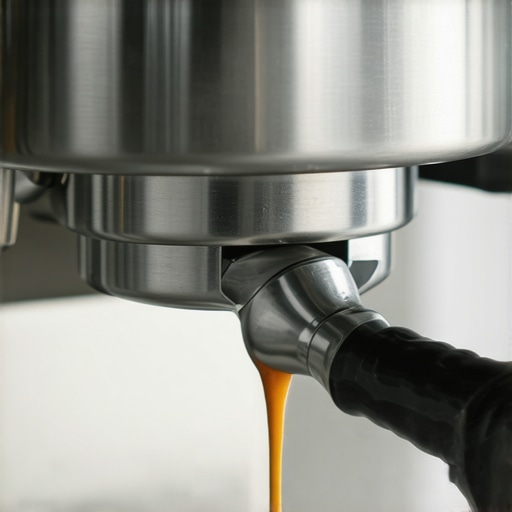
Why Your Bottomless Portafilter Only Sprays One Side
Ever had that frustrating moment where you’re pulling a shot with your bottomless portafilter, only to see one side dousing the espresso into your cup while the other splatters across your workspace? It’s like your machine has a mind of its own, and instead of a beautifully even pour, you get a messy spray that leaves you wondering what went wrong. I remember the first time this happened to me; I was mid-morning, eager for that perfect shot, and suddenly my clean countertop looked like a coffee battlefield. It’s a surprisingly common issue among home baristas, and honestly, it can be enough to make anyone question their gear or technique.
But here’s the thing — this problem isn’t just about a messy pour. It’s a sign that something in your espresso workflow needs attention. The uneven spray can mean your shot is not extracting properly, which impacts flavor and aroma. Plus, it’s annoying, and let’s face it, nobody has time for extra cleanup before their first sip. The good news is, I’ve been there, and through a bit of trial, error, and research, I’ve discovered what causes this spray and how to fix it.
Today, we’re going to dive into the root causes of why your bottomless portafilter only sprays one side, and more importantly, how you can correct it. Whether you’re new to espresso or a seasoned enthusiast, understanding this issue will help you achieve more consistent, professional-quality results at home. So, if you’ve ever faced this spray-and-sploosh scenario and felt a little frustrated, stick around. The solution I’ll share has helped me—and many others—bring back that sweet, even espresso pour. For more expert tips on elevating your home barista game, consider checking out [mastering the art of home espresso](https://espressotechguide.com/mastering-the-art-of-home-espresso-tips-for-beginners).
Let’s get into the details of what causes this unbalanced spray, how to diagnose it in your setup, and steps you can take to fix it. Trust me, once you understand the reasons behind this spray, you’ll be on your way to pulling shots that pour perfectly every time.
Check Your Grind Size for Uniform Extraction
One of the most common causes of uneven spray is inconsistent grind size. Aim for a consistent, fine grind—similar in texture to powdered sugar. Use your coffee grinder’s calibration to dial it in. I vividly remember my first attempt—adjusting the grind too coarse, resulting in a weak, uneven spray. After tightening the grinder rings by half a turn, I noticed a dramatic improvement, with a more even shot pouring out.
Adjust the Grind Perfectly
If your shot is spraying unevenly, fine-tune the grind size incrementally. Turning the grinder clockwise produces a finer grind; counter-clockwise, coarser. Make small adjustments—just a quarter turn at a time—and pull test shots after each. This iterative process helps pinpoint that sweet spot where your extraction is even and free of spray.
Ensure Proper Tamp Pressure and Distribution
Uneven tamping causes channeling, which leads to spray issues. Use a distribution tool, likeThe Cork Trick, to level the coffee bed before tamping. I recall a morning where I skipped proper distribution—my shot splattered wildly. When I adopted the mirror trick for visual channeling detection, I caught uneven tamping early, leading to more consistent pours.
Apply firm, even pressure—about 30 pounds—using a tamper with a level base. Consider a tamper with a level handle to help maintain consistency, especially if you’re new or your hand gets tired. During my first week, my inconsistent tamping caused predictable spray patterns until I consciously used a calibrated tamper.
Check for Proper Basket and Dose
The coffee basket should be clean and free of obstructions. Using a proper-sized basket and dosing accurately—aim for about 18-20 grams for a double shot—ensures even water flow. I once used a basket that’s slightly too small, causing a choke point and uneven spray. Once I switched to a properly calibrated dose, the spray smoothed out.
Maintain Machine Consistency and Cleanliness
Residues from old coffee oils can affect water flow. Regularly clean your brew head and basket with a routine cleaning. In one instance, I neglected cleaning, and my shot spatters and sprays wildly. After a deep clean, the spray pattern became remarkably uniform. Keep your portafilter, basket, and group head spotless to maintain optimal flow.
Optimize Machine Pressure and Temperature
Inconsistent pressure impacts water flow—either too high, causing spray, or too low, resulting in under-extraction. Use a pressure gauge to monitor consistency. I remember adjusting my machine’s pressure before a session; once I set it to 9 bars (ideal for espresso), the spray stopped, and my shots streamed smoothly. Check that your boiler’s temperature is stable by inspecting the heating element regularly.
Experiment and Document Results
Keep a brewing journal. Record grind settings, tamp pressure, and shot times when you notice improvements. Over time, you’ll see patterns and refine your technique. I personally found that changing one variable at a time made it easier to identify what fixed the spray issue, rather than guessing blindly. Patience and consistent adjustments are key to mastering a perfectly balanced espresso pour.
Many enthusiasts believe that upgrading to the latest milk frother or a fancy espresso machine automatically guarantees perfect coffee, but this isn’t always the case. A prevalent myth is that more expensive equipment equates directly to better results, yet the real secret lies in understanding the nuanced features and proper techniques associated with each device. For instance, some coffee grinders marketed as “high-end” may use ceramic burrs, but without proper calibration and maintenance, they can deliver inconsistent grounds, undermining even the most advanced machines. According to renowned barista Alex Lomas, “Prematurely investing in premium gear without mastering foundational skills can lead to frustration and wasted money.” Additionally, many home baristas overlook the importance of routine cleanliness; oils and residues buildup within your espresso machine or grinder can significantly impact flavor and flow, regardless of equipment quality.
Advanced Home Baristas: Are You Overlooking Variable Temperature Control?
Contemporary machines with PID (Proportional-Integral-Derivative) controllers allow precise temperature regulation, leading to more consistent extraction. However, many users fail to utilize this feature correctly or ignore its significance, assuming all espresso machines are alike. Studies from the Specialty Coffee Association (SCA) highlight that even slight temperature fluctuations can alter flavor profiles, making advanced understanding of your equipment critical. Make sure to regularly check and calibrate your machine’s temperature settings; neglecting this can cause over-extraction or under-extraction, both of which mask the true quality of your coffee. Remember, mastering your gear involves more than just possession; it’s about leveraging each feature to its full potential. For comprehensive guidance, explore our main article on [mastering the art of home espresso](https://espressotechguide.com/mastering-the-art-of-home-espresso-tips-for-beginners). Keep questioning assumptions—what do you think is the most overlooked feature in your setup? Have you ever fallen into this trap? Let me know in the comments.
Invest in Quality Maintenance Gear to Keep Your Machines Running Smoothly
Consistency in your espresso routine depends heavily on regular maintenance. I swear by a few key tools that have transformed my workflow. A high-quality deluxe espresso machine cleaning kit is indispensable for routine descaling and group head cleaning. I personally replace my group gasket annually—it’s a small investment that prevents leaks and uneven extraction. To monitor pressure and temperature precisely, I use a dedicated pressure gauge and a PID controller where applicable. These tools help me diagnose issues early and make informed adjustments.
Choose the Right Espresso Grinder for Long-Term Performance
My grinder has been the cornerstone of my consistent shots. I opted for a conical burr grinder with stepless adjustment—it’s easier to dial in precisely and maintain that setting over time. Regular calibration with a ground coffee distribution tool ensures even extraction. Remember, even the best grinder needs periodic cleaning—using a specialized grinder cleaner prevents familiar issues like clogging and static build-up. Expect to replace burrs every 1,000-2,000 pounds of coffee for optimal performance, as outlined in professional guidelines.
How do I maintain my equipment over time? Let’s look at some best practices
Establish a routine cleaning schedule: wipe down the machine daily, descale weekly, and inspect parts monthly. Using tools like a quick flush technique can prolong component lifespan and keep your espresso tasting fresh. Additionally, consulting the privacy policy of your equipment manufacturer often reveals specialized maintenance instructions that boost longevity. Remember, addressing small issues early, like replacing a worn portafilter gasket, is more cost-effective than waiting for leaks or performance drops.
Tools I recommend for scaling your setup efficiently
If you’re thinking about expanding your home espresso station, consider investing in modular gear that can grow with your skills. For example, a barista toolkit that includes precision tampers, distribution tools, and tamp mats simplifies consistent extraction. As the industry moves toward automation, integrating smart scales with Bluetooth connectivity allows for precise shot timing and dose measurement—saving time and reducing waste. For those serious about sustainability and long-term savings, a durable, energy-efficient espresso machine can dramatically reduce your utility bills and environmental footprint.
Make maintenance a habit: spice up your routine
Dedicate ten minutes after each brewing session to maintenance—clean the portafilter, wipe the steam wand, and perform a quick backflush. For deeper cleaning, schedule monthly descaling, especially if you have hard water, following the advice from water filtration experts. Moreover, stay informed about the latest advancements; for instance, recent studies show that automated descaling systems significantly extend machine lifespan. Implementing these tools now can preempt costly repairs and ensure consistently excellent espresso.
To get started, try using a quick flush technique after every shot. It’s a simple step that keeps vital components clean and your machine performing optimally. With a combination of smart maintenance routines and trusted tools, you’ll be enjoying great espresso for years to come—and perhaps even surpassing café-quality in your own home.
Lessons That Transformed My Barista Journey
One of the most eye-opening lessons I’ve learned is that even the most advanced espresso machine can’t compensate for inconsistent grind size. Precision and consistency in grinding truly make a difference, and understanding my grinder’s settings was a game-changer. Additionally, I discovered that routine maintenance—especially cleaning the coffee oils from my brew head—not only prolongs equipment lifespan but also significantly improves shot quality. Lastly, I realized that patience during calibration, like fine-tuning tamp pressure and temperature, yields vastly more reliable and delicious espresso pulls, far beyond what I initially believed possible.
Tools and Resources That Elevate My Espresso Experience
My go-to resource has been Mastering the Art of Home Espresso. It offers comprehensive guidance, which helped me refine my technique from novice to confident home barista. I also rely on a high-quality ground coffee distribution tool to ensure even extraction, and a precise pressure gauge to monitor brew pressures. For maintaining my equipment, a deluxe cleaning kit has become indispensable, keeping my gear performing at its best and ensuring each shot is pure pleasure.
Feeling Inspired? Take the Next Step with Confidence
Embarking on your home espresso journey can seem daunting, but with the right knowledge and tools, you’ll be dialing in perfect shots in no time. Each small adjustment—whether it’s tweaking your grind or ensuring your machine is clean—brings you closer to that café-quality experience. Remember, every expert was once a beginner, and every great shot starts with a committed first step. So, experiment, enjoy the process, and elevate your espresso game beyond what you thought possible. Your best cup is waiting—are you ready to make it happen?