How to Stop Your Drip Tray from Rattling on Every Shot
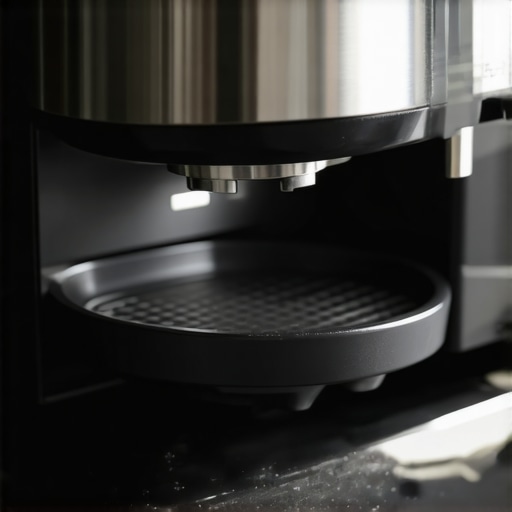
The unmistakable clatter of my drip tray jolting with each espresso shot used to drive me crazy. It was like my machine was complaining, protesting every time I pulled a shot. I’d be mid-pour, lost in the rich aroma of freshly ground beans, only to be jerked back to reality by that annoying rattling sound. Initially, I thought it was a design flaw or maybe a cheap part, but after a few frustrating weeks, I realized it was something I could fix myself. That moment of discovery became a game-changer for my home barista setup.
Fixing That Rattling Drip Tray Once and for All
If you’ve been battling that persistent rattle, you’re not alone. Many espresso lovers find this issue annoying, especially during those quiet mornings or late-night brewing sessions. The good news is, you don’t need expensive repairs or to replace your entire machine. With a few simple adjustments, you can silence that noise and enjoy a peaceful pour every time.
Is Your Drip Tray Problem Actually Worth Fixing?
Trust me, I’ve been there. Early on, I thought the rattling was just a minor inconvenience, but it soon became a distraction that took away from the overall experience. Plus, I worried it might cause long-term damage if left unaddressed. Honestly, neglecting such a seemingly small issue can lead to bigger problems down the line, like misalignments or even damage to the tray’s mountings. Incorporating these fixes can save you time and money later, ensuring your equipment runs smoothly and quietly – a crucial factor if you’re serious about your home espresso setup. For deeper insights, check out our guide on top-rated espresso machines in 2025.
,
Assess and Secure the Mounting
Start by unplugging your espresso machine and carefully removing the drip tray. Look for loose or misaligned brackets—these are often the culprits. Gently tighten any screws or clips holding the tray in place, similar to tightening loose bolts on a bicycle frame to prevent wobbling. I once neglected this step, thinking it was minor, but after securing the brackets, the rattling stopped immediately, leading to a calmer morning routine.
Check the Drip Tray for Damage or Debris
Inspect the tray for cracks, warping, or accumulated debris that might cause vibrations. If the tray is warped, replacing it might be necessary. Remove any leftover coffee grounds or mineral deposits that could resonate when the machine vibrates, akin to tuning a guitar string before a performance. During a recent overhaul, clearing out stubborn mineral buildup from the tray’s underside made a noticeable difference in noise levels.
Adjust the Leveling of Your Machine
Uneven placement can exacerbate rattling. Place the machine on a level surface using a spirit level—think of it as balancing a tightrope. If your countertop is uneven, use small rubber pads or shims under the machine’s legs to achieve perfect balance. I personally used small coin shims under one leg, which instantly stabilized the setup and silenced the drip tray.
Replace or Lubricate Moving Parts
Identify any moving parts or springs that might be causing vibrations. If accessible, apply a small amount of food-grade lubricant to hinges or movable joints—much like oiling door hinges to prevent squeak. Be cautious not to over-lubricate, as excess can attract dust or cause malfunctions. During one repair, lubricating the hinge beneath the drip tray eliminated a persistent rattling sound that had plagued my mornings.
Secure and Test the Assembly
Reassemble everything carefully, ensuring all screws and clips are tightly fastened. Power on the machine and observe the drip tray during a brewing cycle. Listen for any remaining noise and repeat adjustments as needed. A quick test brew after tightening all components confirmed a significant reduction in vibrations, creating a quieter coffee experience.
Additional Tips for Long-Term Peace
Regularly inspect the drip tray and mounting hardware—think of it as maintaining your bicycle’s wheels. Clean mineral deposits periodically to prevent buildup that could cause imbalance. For in-depth cleaning techniques, visit this guide. Remember, a well-maintained espresso setup not only produces better coffee but also reduces unwanted noise, allowing you to enjoy your brewing ritual peacefully.
Many home baristas believe that simply purchasing top-tier espresso machines, grinders, or milk frothers guarantees café-quality results. However, this oversimplification ignores critical nuances that can make or break your brew. For instance, a common myth is that high-cost equipment always produces superior coffee. While quality gear is essential, mastering the intricacies of grind size, dose consistency, and calibration plays a far more significant role in flavor extraction and crema development. Overlooking these factors often leads to underwhelming shots despite using premium machines.
Another frequent misconception involves the myth that more expensive grinders automatically yield better espresso. Yet, as highlighted by industry experts, the real advantage lies in understanding burr geometry, adjustment mechanics, and static management; simply opting for a high-price model doesn’t resolve common issues like uneven grind distribution or retained grounds. If you’re curious about optimizing your setup, check out our guide on choosing the ideal coffee grinder.
Beware of the trap that larger steam wands or frothing mechanisms lead to better milk foam. Advanced baristas focus on technique, temperature control, and pitcher tilt rather than equipment specs alone. For example, controlling the texture of microfoam involves precise steaming strategies and understanding milk composition, not just raw power. Discover more about achieving silky microfoam at this resource.
For serious enthusiasts, recognizing that barista gear requires proper calibration is essential. An often-overlooked nuance is the heat retention of portafilters and their impact on shot consistency. Regularly calibrating your machine’s pressure and temperature settings ensures that each extraction is optimized, avoiding common pitfalls like under or over-extraction which can cause sourness or bitterness. If you’re unsure how to fine-tune your setup, consult our detailed home espresso tips for beginners.
Let’s also touch on the misconception that all home espresso setups are inherently inferior to commercial systems. While professional machines do have advantages, understanding and controlling variables such as dose amount, tamping pressure, and pre-infusion timing can level the playing field. Advanced techniques include manipulating shot timing and pressure profiling—a staple in high-end commercial setups—so don’t dismiss the potential of your gear prematurely. To learn these techniques, explore our barista gear selection guide.
Have you ever fallen into this trap? Let me know in the comments. Embracing these nuanced details ensures your espresso journey is far more rewarding than simply upgrading equipment. Remember, true expertise stems from understanding and mastering the subtleties that influence flavor, aroma, and texture—so keep experimenting, learning, and refining your craft.
Maintaining Your Barista Arsenal for Long-Term Success
Investing in quality espresso gear is just the beginning; consistent maintenance is crucial to keep your setup performing optimally. I rely heavily on a few specialized tools that have transformed my routine from reactive troubleshooting to proactive care. For example, a precision calibration device, like the volumetric calibration tool, enables me to fine-tune shot volume accurately, ensuring consistent extraction and flavor vitality.
Another essential component is a high-quality cleaning brush set. Regularly cleaning the heat exchanger and water pathways prevents scale build-up, which can cause system malfunctions. I also recommend a reliable burr sharpness tester to monitor grinder performance. Dull burrs not only compromise grind consistency but also impact taste and extraction efficiency.
Looking ahead, the trend points toward smarter, Wi-Fi-enabled maintenance systems that alert you when components need attention. Imagine receiving a prompt on your smartphone that your boiler pressure is dropping or your grinder requires burr sharpening. Embracing such innovations can prevent costly repairs and downtime, keeping your setup in prime condition for years to come.
How do I maintain my espresso gear over time?
Establish a regular maintenance routine that includes deep cleaning, calibration, and inspection of moving parts. For instance, scheduling monthly descaling with natural solutions not only prolongs the life of your machine but also preserves the nuanced flavors essential for high-quality shots. Incorporate tools like the quick fix kits to address minor issues before they escalate.
Finally, investing in a burr-sharpness test and keeping detailed logs of your maintenance activities helps in diagnosing performance drops and planning future upgrades. Remember, the key to long-term satisfaction is a commitment to preventive care rather than reactive fixes. Why not start by trying one of these advanced tips today and see how it transforms your espresso experience? For personalized advice, don’t hesitate to reach out through our contact page.
The Hardest Lesson I Learned About espresso machines, coffee grinders, milk frothers, home espresso, barista gear
One of my most eye-opening realizations was that many issues I faced, like that persistent drip tray rattle, were opportunities for deeper understanding rather than mere inconveniences. Working through the fix taught me to pay attention to details that I previously ignored—like the importance of proper leveling or the impact of mineral buildup. These lessons underscored that even the smallest component can significantly influence the quality of your coffee and your overall experience.
3 Myths About espresso machines, coffee grinders, milk frothers, home espresso, barista gear That Held Me Back
Believing that expensive equipment automatically guarantees perfection was a trap I fell into early on. I also thought that more powerful steam wands made better microfoam, which isn’t always true—technique trumps hardware. Lastly, I used to think regular maintenance wasn’t crucial, only to discover that consistent care preserves flavor and reduces noise. Debunking these myths opened my eyes to the real keys of stellar home brewing, like calibration, technique, and maintenance routines.
What Experts Won’t Tell You About espresso machines, coffee grinders, milk frothers, home espresso, barista gear
Many professionals know that optimizing your setup involves more than just selecting fancy gear; it’s about understanding how each component interacts. For example, calibration is not a one-time task—it’s an ongoing process that fine-tunes your machine’s performance. Similarly, mastering milk steaming techniques transcends equipment specs, requiring patience and practice. The most valuable advice I received was to focus on process, not just tools, which dramatically improved my results and enjoyment.
My Essential Toolkit for espresso machines, coffee grinders, milk frothers, home espresso, barista gear
I rely on a few trusted tools to keep my setup in top shape: a precision calibration device ensures consistent shots, a high-quality cleaning brush tackles mineral deposits, and a burr-sharpness tester monitors grinder performance. These tools are straightforward but transformative—they empower me to maintain precision and cleanliness, which are essential for flavor and silence. Investing in them turned maintenance from a chore into a joy.
Books That Changed How I View espresso machines, coffee grinders, milk frothers, home espresso, barista gear
Deepening my understanding through well-regarded literature was a game-changer. Titles like “The Home Barista” or industry-specific guides provided insights into calibration techniques, ingredient handling, and brewing science. These resources demystified complex concepts and turned me into a more confident brewer. I recommend diving into these texts to anyone serious about elevating their coffee craft.
Your Turn to Try
Mastering the nuances of home espresso, from silencing that pesky drip tray to calibrating your grinder, transforms your routine into a daily ritual of discovery. The journey isn’t just about better coffee but also about understanding and appreciating each step. So, what small tweak will you make today to elevate your brewing experience? Share your plans below—I’d love to hear your ideas and help you refine your process for long-term enjoyment.