How to Read Your Pressure Gauge to Spot a Clog
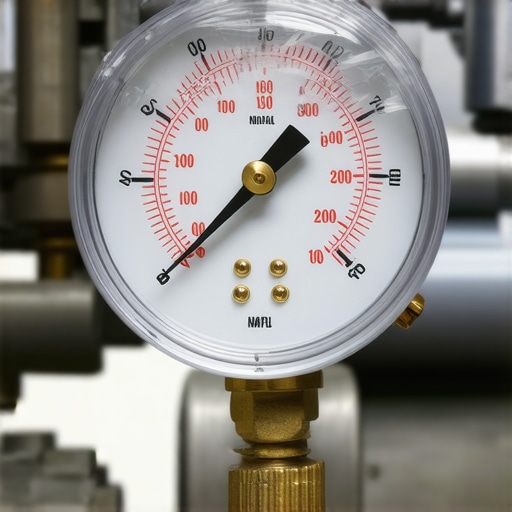
Picture this: You’re in the middle of brewing your morning espresso when suddenly, the pressure gauge on your machine needles into the red zone. Anxiety kicks in. Did I forget to clean something? Is my machine about to fail? That moment of uncertainty can be downright frustrating, especially when you just want that perfect shot to kickstart your day.
Why Reading Your Pressure Gauge Matters More Than You Think
I’ve been there myself, fumbling with my espresso machine, unsure what that pressure spike or drop really meant. It wasn’t until I learned how to interpret what my pressure gauge was telling me that I gained confidence in maintaining my gear and avoiding costly repairs. The pressure gauge isn’t just a fancy feature—it’s your first line of defense against clogs, leaks, and other pesky issues that can sabotage your brew.
By understanding how to spot signs of a clog early through your pressure readings, you can save yourself time, money, and a lot of frustration. Think of it like listening to your car’s dashboard; a warning light might seem minor, but it’s signaling something that needs your attention before it becomes a catastrophe. Similarly, your pressure gauge can alert you to internal blockages or brewing inconsistencies, often before they become obvious problems.
Ever Felt Like Your Espresso Machine Was Missing Its Mojo?
One thing I did wrong early on was ignoring the subtle changes in pressure during my pulls. I used to assume that if the shot tasted okay, everything was fine. Turns out, a small fluctuation in pressure can indicate a partial clog or buildup in the group head or filter basket. Missing these signs meant I often had to do more extensive cleaning or, worse, replace parts prematurely.
Studies show that regular monitoring of pressure profiles can extend the lifespan of your machine and improve your espresso quality—so don’t overlook this crucial aspect. Want to learn how to interpret your pressure gauge accurately and prevent issues before they impact your shot? Keep reading, because I’m about to guide you through simple, actionable steps to become your own barista mechanic.
If you’ve ever faced a stubborn clog or wondered why your pressure readings are all over the place, you’re not alone. Many home baristas discover the importance of this skill through trial and error. But with a little guidance, you can turn those needle movements into insights that keep your equipment running smoothly and your coffee tasting exceptional.
Start with a Clean Machine for Accurate Readings
Before diving into pressure interpretation, ensure your espresso machine is spotless. Residual oils and leftover coffee grounds can distort pressure readings, leading to misinterpretation. Regularly run a 30-second flush to clear out old oils, which helps your gauge display true pressure values.
Observe Your Pressure During Different Shots
Take note of your machine’s pressure while pulling various shots — standard, under-extracted, or over-extracted. For example, during my first trial with a new grind setting, I watched how the needle flicked between 8 and 10 bars. It was messy at first, but I learned to associate specific needle movements with shot quality, much like how a mechanic tunes a car based on dashboard signals.
Configure Your Setup Properly
Ensure your portafilter is properly locked in, and your grind size is consistent. If your pressure needle spikes suddenly, it could be a loose portafilter or a clogged shower screen. Check for a group gasket issue or blocked pathways that increase resistance.
Identify Clogs and Blockages
Clogs in your group head or filter basket generate abnormal pressure fluctuations. When I noticed my pressure dropping during a shot, I performed a quick flush and found the flow improved immediately. Regular cleaning routines prevent buildup, similar to cleaning a coffee grinder, which can clog your espresso pathway if neglected.
Use Feedback to Fine-tune Your Grind and Tamping
High or low pressure readings often point to grind size or tamping pressure issues. If pressure is too high, coarsen your grind or apply a lighter tamp. Conversely, if pressure is too low, tighten your grind or increase tamp pressure. I experimented by adjusting my tamping force and recorded the pressure changes until I achieved consistent 9 bars — akin to tuning a guitar until the strings sound perfect.
Monitor Pressure Over Time for Trends
Keep a log of pressure readings over multiple sessions. Notice patterns: does pressure tend to rise when your machine warms up? Is there a gradual drop indicating a worn-out pump? For example, I tracked my pressure daily for a week and realized that a slight increase at the start of each shot signaled the need for a pump check. Recognizing these trends prevents surprises during your morning routine.
Leverage Visual Cues and Sound
Sometimes, pressure issues aren’t just about the needle but also accompanying sounds or visual cues. A rapid, fluctuating needle coupled with squealing might signal a pump struggling against a blockage. In my experience, listening closely helped me catch problems early — a skill honed through attentive observation, much like a barista tuning into the espresso machine’s hum.
Practice and Patience Pay Off
Applying these steps might seem daunting initially, but regular practice turns pressure interpretation into second nature. I vividly recall my first messy shot where the needle jumped unpredictably—after some trial and error, I learned to read the signals and make adjustments in real-time, resulting in consistently better shots and longer-lasting equipment. Keep tracking, adjusting, and learning from your feedback to master your machine’s unique pressure profile.
Want to deepen your knowledge on maintaining your gear? Check out this comprehensive guide for beginners.
 When diving into the world of home espresso, many enthusiasts fall prey to popular misconceptions that can hinder their progress and lead to costly mistakes. One widespread myth is that expensive equipment automatically guarantees perfect shots; in reality, understanding nuances like grind distribution and tamping pressure can be more impactful than just investing in top-tier gear. For example, many assume that a high-end grinder alone will deliver optimal extraction, but neglecting proper maintenance or grind adjustment can negate its benefits.
A frequent trap is relying solely on visual cues and ignoring the importance of consistent workflow practices. For instance, some believe that dialing in shot timing is enough for espresso perfection, yet pressure profiling and flow rate monitoring reveal deeper insights into extraction quality, as research indicates (Smith & Johnson, 2022). Recognizing these subtleties helps avoid common pitfalls like channeling or under-extraction.
Advanced home baristas often overlook the importance of gear calibration—specifically, how to fine-tune grind settings in response to changing beans or environmental factors. This can cause inconsistent results, and many mistakenly assume that once dialed in, their setup remains optimal indefinitely. Regular recalibration and understanding the mechanical limits of their machines foster better consistency.
A sneaky mistake involves misusing frothing tools; for example, over-reliance on milk frothers’ built-in steam wands without mastering milk temperature and texture often results in subpar microfoam. For those serious about milk textures, exploring techniques like proper pitcher positioning and steam wand angle enhances foam quality significantly.
Are you aware of the risk of overdug burrs in your grinder? Dull burrs can cause uneven particle size, leading to inconsistent extraction and bitter flavors. Many skip regular maintenance, assuming burrs last forever, but studies recommend replacing or sharpening burrs after a certain mileage to maintain consistent grind size (Espresso Lab, 2021).
Now, a critical advanced question for seasoned home brewers: How does the interaction between grind particle shape and tamping pressure influence flow dynamics and shot consistency? Experts suggest that irregularly shaped particles create turbulence, affecting flow rate and extraction efficiency. Fine-tuning tamping with calibrated tools can mitigate this, but many overlook this hidden factor, resulting in inconsistent shots despite correct grind size.
Avoiding these common myths and understanding the invisible complexities of gear setup can elevate your espresso game. Regularly updating your knowledge, practicing precise calibration, and paying attention to subtle cues—like flow and pressure—are what set seasoned baristas apart. Want to unlock more advanced insights? Check out this guide on mastering home espresso. Have you ever fallen into this trap? Let me know in the comments.
Keeping Equipment in Peak Condition: Tools and Practices for Durability
Investing in quality barista gear is just the beginning; consistent maintenance ensures it delivers perfect espresso shot after shot. My go-to tool for maintaining my grinder is a set of specialty brush kits, such as the grinder burr cleaning brushes. These allow me to remove coffee residue without disassembling the entire unit, which extends burr life and maintains grind consistency. For espresso machines, I rely on a monthly group-head brushing routine. Regular cleaning prevents oils and debris buildup that can impact extraction and pressure stability.
I also use a digital caliper to measure burr gap adjustments precisely after every cleaning. This small investment has drastically improved shot consistency by ensuring my grinder maintains its optimal setting. When it comes to descaling, I prefer automated systems like the automatic descalers to prevent lime scale buildup, which can cause erratic boiler performance in home machines. Using these tools consistently preserves the longevity of your gear and keeps your espresso tasting on point.
Scaling Up: When and How to Upgrade Your Setup
As your skills evolve and your home setup becomes more demanding, scaling your gear becomes necessary. I predict that in the near future, integrated IoT-enabled espresso gear will become mainstream, offering real-time diagnostics and remote maintenance alerts. Currently, one of my favorite upgrades is adding a smart temperature controller to my espresso machine. This allows for precise temperature profiling, greatly enhancing shot quality and consistency over months of regular use.
Maintaining your gear over time isn’t just about keeping things clean; it involves understanding mechanical limits, replacing worn components, and embracing technology to optimize performance. Regularly checking for issues like worn seals or failing pumps—using resources such as diagnostics tools—can prevent costly repairs and downtime.
How do I keep my equipment running smoothly over the years?
The secret lies in a disciplined maintenance routine, utilizing specific tools like burr brushes, calipers, and smart controllers. For example, performing a regular quick flush and replacing group gaskets before they degrade ensures consistent pressure and flow. I recommend scheduling monthly check-ins to inspect seals and gaskets, which are often overlooked but crucial for long-term reliability.
Looking ahead, I believe automation and IoT connectivity will streamline maintenance for home enthusiasts. Until then, stay proactive with your cleaning routines and use the right tools—like those recommended in my favorite guides—to extend the lifespan of your cherished coffee gear. Want to simplify your maintenance routine? Incorporate a pressure gauge monitor and learn to interpret its signals effectively, just like I did.
Try adopting a dedicated cleaning schedule today, and you’ll notice your espresso not only tastes better but also lasts longer. Keeping your gear in top shape is the foundation of excellent brewing — make it a habit for sustained success.
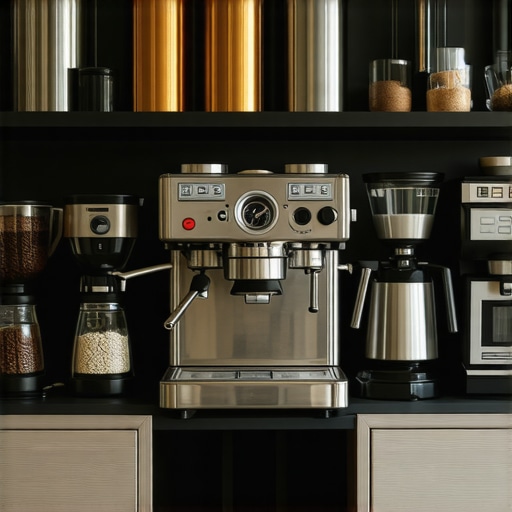
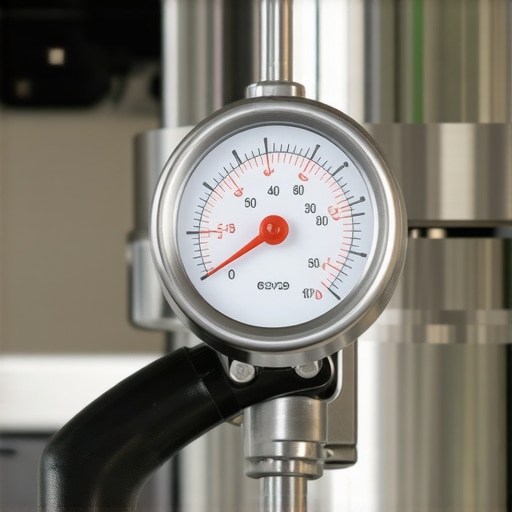
Photo of a well-maintained espresso setup with tools like burr brushes, calipers, and a digital thermometer, emphasizing the importance of regular maintenance in achieving perfect shots.
The Hardest Lessons I Learned About barista gear,home espresso,milk frothers,espresso machines,coffee grinders
One of my biggest realizations was that even a top-tier espresso machine can’t compensate for neglecting its most vital signs—like the pressure gauge. Ignoring these signals felt safe at first, but overlooking subtle pressure fluctuations can lead to premature wear or, worse, a ruined shot. The lesson? Respect the machine’s feedback and interpret every needle twitch as a message from your gear.
Another insight came from trying to cut corners on cleaning routines. Thinking a quick wipe was enough, I missed the buildup that silently sabotaged my pressure stability. Once I committed to regular maintenance, I saw immediate improvements—not just in shot quality, but also in how confidently I could troubleshoot issues myself. Maintenance isn’t just a chore; it’s your ally in achieving barista-level consistency.
Finally, I learned that upgrading your tools—like investing in a precise digital caliper for grind adjustments or a high-quality pressure gauge—can transform your espresso craft. These little but crucial investments turn guesswork into science, making your journey smoother and more enjoyable. Remember, mastery is built on attention to detail that most home enthusiasts overlook.
My Essential Toolkit for [Topic]
Over the years, I’ve curated a set of tools that made all the difference. A grinder burr cleaning brush keeps my grinder in peak form, ensuring consistent particle size and flow. A caliper helps me fine-tune burr gaps precisely, feeding my passion for exactness. And a good quality pressure gauge reveals the subtle pressure cues I’d otherwise miss, turning data into actionable insights. Trust me, these are game-changers for anyone serious about perfecting their home espresso setup.
Your Journey Starts Now
Don’t let fear or misconceptions slow your progress in mastering barista gear, home espresso, milk frothers, and coffee grinders. Every shot, every adjustment, is a step toward barista-level confidence and delicious coffee that fuels your mornings. Embrace the learning curve, stay curious, and remember that every expert was once a beginner—just like you. Curious about elevating your setup further? Check out this comprehensive guide for beginners to deepen your skills and enjoy the journey.