How to Stop Your Puck Screen from Adding a Metallic Tang to Your Shots
Ever had that unsettling moment when you taste a shot and immediately notice a metallic aftertaste? You’re diligently tamping, aiming for that perfect extraction, but something’s off. It’s as if your puck screen is giving your espresso an uninvited metallic tang, ruining the experience you spent so much time perfecting. I used to wrestle with this problem myself, pouring over forums and troubleshooting guides, only to realize I was overlooking a surprisingly common culprit in home espresso setups.
The Hidden Culprit Behind Metallic Tastes in Your Espresso
Most home baristas focus on grind size, tamp pressure, and shot timing. But few pay attention to the puck screen’s material and cleanliness, which can subtly influence flavor—sometimes giving an unwanted metallic note. This issue often sneaks up when upgrading equipment or changing beans, making it a sneaky frustration that can leave your best beans tasting flat or even bitter. The good news? It’s usually fixable once you identify the real cause. My own wake-up call came during a late-night espresso run, where I noticed that my espresso had a strange metallic smell. After a deep clean and swapping out my puck screen for a better-quality, non-metallic alternative, my shot instantly brightened, and the metallic taste vanished.
Understanding how puck screens can influence flavor requires knowing what materials are best and how to maintain them properly. A common mistake I made early on was neglecting to regularly clean the screen, allowing mineral buildup and old coffee oils to taint the flavor. The takeaway? Proper maintenance is crucial. If you’ve recently replaced your puck screen or noticed a metallic note creeping in, it’s time to evaluate your routine. To get that sparkling clarity in your espresso, I’ll walk you through the practical steps to eliminate the metallic tang and enjoy pure, flavorful shots.
Does Your Equipment Need a Makeover or Just a Good Clean?
Many fear that fixing flavor issues points to expensive upgrades or complex modifications. But often, the solution is simpler—and more affordable—than you might think. Regular cleaning, avoiding corrosion-prone materials, and choosing the right puck screen type can make all the difference. If you’re curious about whether your choice of materials impacts taste, check out this detailed comparison. Early in my journey, I learned that using a stainless-steel puck screen in a highly mineralized water environment led to corrosion, which contributed to that metallic flavor. Switching to a ceramic or high-grade composite puck screen and keeping it meticulously clean effectively eliminated the problem.
Now that I’ve set the stage, let’s dive into the specific actions you can take. Ready to kiss that metallic tang goodbye and elevate your espresso game? Let’s start with the basics and then explore some advanced tips to truly refine your shot quality. If this sounds familiar or if you’ve faced this problem before, don’t worry—you’re in good hands. A few tweaks are all it takes to bring back that clean, vibrant espresso you deserve.
Scrub Your Puck Screen Regularly
Start by removing your puck screen after each use and soaking it in a mixture of warm water and a mild descaling solution. Use a soft brush to gently scrub away coffee oils and mineral deposits. I once neglected this step, and over time, my shots developed a noticeable metallic flavor. After a good clean, the taste improved immediately, highlighting the importance of regular maintenance.
Choose Non-Metallic or High-Quality Materials
Opt for puck screens made from ceramic or food-grade composite materials instead of standard stainless steel, especially if you have mineral-rich water. I upgraded from a stainless-steel screen to a ceramic one, and the metallic taste disappeared. Check the material composition when selecting your puck screen.
Maintain Proper Water Quality
Mineral buildup from hard water can cause corrosion and metallic flavors. Use filtered or softened water for your espresso machine. I installed a water softener after noticing a metallic aftertaste, which significantly improved flavor clarity and prevented mineral deposits on the puck screen. Regularly descale your machine as per the manufacturer’s guidelines to keep internal components clean and prevent flavor contamination.
Inspect and Replace Components When Needed
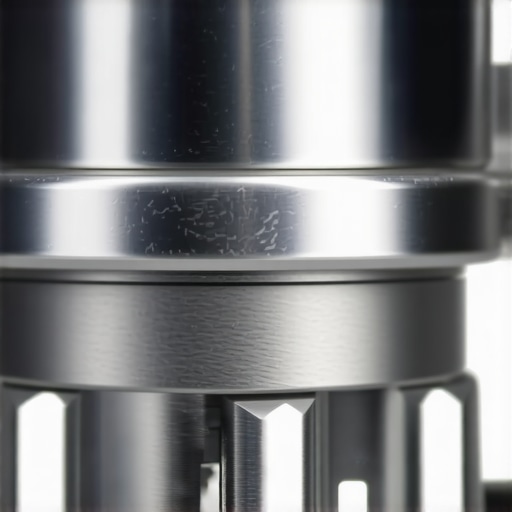
If cleaning doesn’t resolve the metallic taste, check your puck screen for corrosion or cracks. Over time, even high-quality screens wear out. I learned this lesson when a crack in my stainless steel screen started to develop rust, tainting my shots. Replacing it with a corrosion-resistant option or a ceramic screen restored my espresso’s purity. For heavily mineralized water, avoid stainless steel or consider a ceramic alternative, which you can find described in this guide.
Adjust Extraction Parameters to Minimize Metal Interaction
Experiment with grind size and tamp pressure to reduce stress on puck screens during extraction. A too-fine grind or excessive tamping can increase pressure, causing micro-stresses that promote corrosion over time. I had a habit of over-tamping, leading to increased wear on my puck screen. Slightly adjusting my technique and using a calibrated tamper resulted in smoother extraction and less metallic aroma. Check out our article on pressure profiling tips for more insights.
Monitor Equipment Settings and Environmental Factors
Ensure your espresso machine’s temperature and pressure are within recommended ranges. Fluctuations can accelerate corrosion processes. During a cold snap, I noticed my espresso developed an off-flavor, likely due to thermal stresses. Running a thermal recovery cycle before brewing stabilized the environment and reduced metallic notes. Proper calibration keeps your puck screen and other components in optimal condition, preserving flavor integrity.
Even seasoned coffee lovers often assume they know everything about home espresso, but some nuances can sabotage even the most careful baristas. One common misconception is that upgrading to expensive equipment guarantees better results. In reality, many fail to acknowledge the importance of understanding the machine’s limitations and how subtle interactions within the setup impact flavor quality. For instance, relying solely on high-tech features without proper calibration or maintenance can introduce unwanted bitterness or metallic notes, especially if your equipment isn’t suited to your specific water quality or bean type. Advanced mistakes include neglecting the nuances of pressure profiling—one of the most powerful tools for light roast extraction—and assuming factory settings are optimal, which is rarely true. This oversight often leads to over-extraction or under-extraction, masking the delicate brightness in your light roasts. For example, recent studies highlight how tailored pressure profiles can significantly improve shot clarity and sweetness, especially with light roasts that are inherently more delicate. Don’t let assumptions about gear fool you; mastering the complex dance of variables is essential for consistent, high-quality espresso. Dive into detailed guides like this comparison of pressure profilers to identify what truly makes a difference. Remember, it’s often the hidden nuances—like water chemistry, component wear, and calibration—that make or break your espresso. Have you ever fallen into this trap? Let me know in the comments and share your experience, so we can all learn to refine our craft.
How do I keep my espresso gear in top shape over time?
Investing in quality equipment is only the first step; regular maintenance ensures your tools perform consistently and last for years. For instance, I personally rely on a high-grade widely recommended pressure profiling system that requires routine calibration and cleaning. Using reputable software like BrewPlan allows me to log and analyze shot data, identifying patterns that hint at wear or issues before they escalate. Moreover, a precision tamper ensures uniform tamping pressure, and I check it with a digital gauge monthly to maintain consistency. Recognizing signs of wear early—such as unusual noises or inconsistent temperatures—prevents expensive repairs down the line. Predictions indicate smart espresso components will become more integrated, demanding proactive software updates and hardware checks. The trend leans toward modular designs, making DIY calibration and troubleshooting more accessible, saving both time and money.
Throughout this journey, I’ve realized that the nuances behind metallic flavors in espresso are often hidden in plain sight, waiting to be uncovered through attentive maintenance and informed choices. The real breakthrough comes when we start viewing our equipment not just as tools, but as delicate partners in crafting perfect shots. By adopting a mindset of curiosity and proactive care—like regularly inspecting and swapping puck screens, monitoring water quality, and experimenting with materials—we unlock a level of control that transforms every cup into a masterpiece. Remember, the subtle details often hold the key to elevating your espresso game and banishing that unwelcome metallic taste for good. Investing time in understanding these hidden factors pays off with vibrant, clean flavors that truly showcase your beans’ potential. So, keep experimenting, stay vigilant, and your perfect shot will become an effortless daily pleasure.