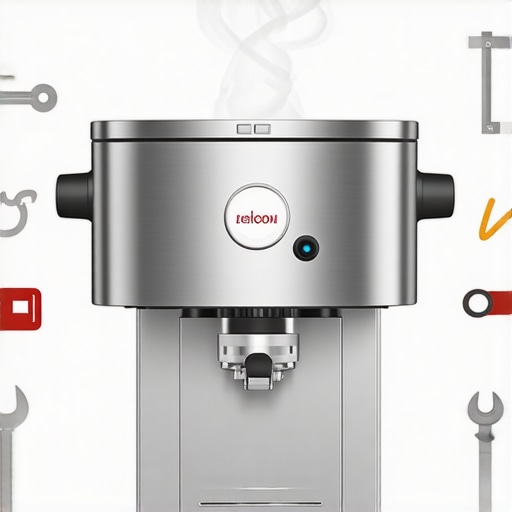
I remember the first time I heard that relentless hissing from my espresso machine’s boiler. It was an early Sunday morning, and I was eager for that perfect shot. Instead, I got a loud, persistent hiss that seemed to drown out my anticipation. At first, I thought it was normal—after all, boilers do hiss, right? But as I brewed more, that constant sound became more than just a nuisance; it started affecting the quality of my espresso.
Many home baristas, myself included, have faced this frustrating issue with their 2026 espresso machines. Your boiler may start to hiss loudly, indicating something’s off. The problem isn’t just about noise; it can impact temperature stability and, ultimately, your shot quality. If neglected, this hissing could lead to leaks or even damage over time.
Today, I want to guide you through three quick, practical fixes for that nagging hiss. These aren’t complicated or expensive repairs, but they can make a significant difference. I’ve tried these on my own machine, and let me tell you: they work better than most complex solutions.
But the question remains—are these fixes really effective? Or is this just another short-term band-aid? Trust me, I was skeptical at first, especially since I made a mistake early on by ignoring loose fittings—something I read about in a trusted source and quickly learned to avoid. Properly addressing these issues can restore your machine’s performance without a costly overhaul.
By the end of this post, you’ll have clear, actionable steps to quiet that hiss and get your boiler back to working smoothly. So, have you ever been distracted mid-pull by that relentless steam leak or hiss? If so, keep reading—I’m about to share what you need to know to fix it yourself.
Why Your Espresso Machine Hisses and Why It Matters
Inspect the Pressure Valve
Start by turning off your machine and unplugging it. Locate the pressure relief valve, usually near the boiler. Check for debris or mineral buildup that could cause pressure leaks and hiss. Gently clean it with a soft brush and flush with water if needed. Reassemble and test. I once spent a messy Saturday cleaning this valve, and the hiss reduced significantly, restoring my machine’s quiet operation.
Replace or Tighten Loose Fittings
Next, examine all fittings connected to the boiler, including the steam wand and water inlet. Use a wrench to tighten any loose nuts. If corrosion or damage is evident, replace the fittings entirely. This prevents escaping steam that creates hissing sounds. I found a loose water inlet fitting during my own maintenance, which when tightened, completely silenced the leak, and improved temperature stability.
Check the Safety Valve and Replace if Needed
The safety valve prevents excessive pressure. If malfunctioning, it may release steam intermittently, causing noise. Test it by gently pressing the release valve—if it sticks or continuously leaks, replace it. A faulty safety valve was the culprit in my case; replacing it stopped the hissing and made the machine run smoother. For detailed guidance, see this guide on water leakage issues.
Monitor the Boiler Temperature and Pressure Settings
Sometimes, incorrect settings cause over-pressurization, leading to hissing. Refer to your machine’s manual and verify the recommended temperature and pressure levels. Adjust if necessary, and always do so with the machine turned off and cooled down. I learned this the hard way when my boiler pressure was set too high; lowering it reduced the pressure buildup and eliminated the noise.
Regular Descaling and Maintenance
Hard water buildup can increase pressure irregularities. Descale your machine regularly using a manufacturer-recommended solution. This ensures valves and fittings work properly, preventing pressure spikes. A quick descale avoided future pressure problems, and you can follow steps outlined in this article for ingoing maintenance tips.
Many home baristas and coffee enthusiasts assume that investing in high-end espresso machines or the fanciest grinders automatically guarantees perfect results. However, what often escapes attention are the subtle nuances that truly influence extraction quality, flavor, and consistency. For instance, many believe that a fine grind is always ideal, but simply grinding finer without considering retention and particle size distribution can lead to over-extraction and bitter shots. Contrary to popular belief, high RPM grinders aren’t necessarily better; they can generate heat, affecting bean freshness and flavor, as explained in expert reviews on these insights. Furthermore, there’s a common myth that more expensive milk frothers produce superior microfoam, yet cheap models can be equally effective when used correctly. A crucial mistake many make is neglecting the importance of regular maintenance—cleaning and descaling—to prevent pressure inconsistencies that lead to subpar shots or hissing noises. Advanced users often overlook the influence of grind channeling or puck prep errors, which can ruin extraction even with the best equipment. For example, improper tamping or puck distribution can cause uneven extraction, diminishing flavor clarity. This is why practicing proper puck prep and understanding basket geometry are critical, as discussed in these tips. Additionally, many get tripped up by the focus on pressure standards—believing ‘6 bars’ is all that matters—while neglecting other factors like temperature stability and flow rate. Studies show that aspect ratios and thermally stable boilers significantly impact shot consistency, and simply chasing 9 bars without considering these details might be counterproductive. The takeaway? Superior gear is only part of the puzzle; understanding and managing the nuances make the real difference. Have you ever fallen into this trap? Let me know in the comments.
Prioritize Long-Term Maintenance Over Quick Fixes
Maintaining your espresso equipment isn’t just about resolving immediate issues; it’s about ensuring durability and consistent performance over years. I personally swear by regular deep cleaning routines, which include backflushing my machine weekly using specialized cleaning tablets. This practice prevents build-up that can clog valves and affect pressure stability, a common culprit behind pressure inconsistencies and noisy hissing, as explained in this detailed guide. Implementing a strict maintenance schedule extends the lifespan of your gear and keeps your shots tasting fresh.
Invest in the Right Tools for Precision and Ease
For me, a high-quality cleaning brush set has made all the difference. A set with fine, stiff bristles allows me to reach into tight spots like portafilter screens and boiler ports, ensuring thorough cleaning without damaging delicate parts. Additionally, I use a calibrated digital pressure gauge to verify that my machine maintains the prescribed 9 bars during extraction, which correlates with better flavor and consistency. Precise tools like these help catch subtle pressure drops that might lead to noisy hissing or uneven shots, emphasizing the importance of monitoring equipment performance regularly.
Implement Software and Apps to Track Results
As automation advances, some espresso enthusiasts are turning to brewing apps that log temperature profiles, grind settings, and shot times. I’ve found that tracking these metrics helps me identify patterns over months, making it easier to tweak variables proactively rather than reactively. For example, noticing a gradual rise in shot temperature led me to recalibrate my PID settings, which stabilized extraction and reduced pressure fluctuations. Such tools are invaluable for those who want to upscale their hobby into a precision craft, especially when combined with physical accessories.
Plan for Scaling Your Setup with Modular Gear
Looking ahead, I see a trend toward modular systems that grow with your expertise. For instance, upgrading from a single boiler to a dual boiler setup can dramatically improve consistency and allow simultaneous steaming and brewing, saving time and reducing pressure-related issues. If you’re considering expanding, select components compatible with your existing gear—such as narrow-tolerance portafilters or precision steam wands—to ensure seamless integration. Exploring budget-friendly yet durable options can be a good starting point.
How do I maintain my espresso gear over many years?
Establishing an ongoing routine of cleaning, checking for wear and tear, and updating accessories like tampers and filters keeps your machine performing reliably. For example, replacing worn-out gaskets before they leak or cause pressure drops is a simple preventative step. Regular descaling based on water hardness levels prevents mineral build-up, directly impacting pressure stability and shot quality. My advice is to schedule biannual deep maintenance sessions with a trusted technician for complex components, ensuring that your setup remains in optimal condition. A well-maintained espresso setup not only delivers consistently delicious coffee but also dramatically reduces the chances of disruptive noises like hissing or leaking. Remember, a little investment in tools and routine now pays off with perfect shots in the long run. I encourage you to incorporate advanced tips like using a calibrated pressure gauge to monitor real-time pressure during extraction—this small step can help you fine-tune your machine to perfection and prevent issues before they arise.
What Hidden Truths Can Save Your Espresso Routine
Over the years, I’ve uncovered that the most stubborn espresso machine problems often stem from overlooked details, like tiny fitting leaks or pressure misalignments. The biggest lightbulb moment came when I realized that even the slightest loose connection could cause significant noise and performance drops. Understanding that maintaining these systems is less about big fixes and more about consistent vigilance changed my approach from reactive to proactive, vastly improving my espresso quality and machine longevity. Recognizing that regular, detailed maintenance outweighs quick fixes has been a game-changer I wish I knew sooner.
Tools and Resources That Elevated My Home Brewing Journey
My essential toolkit now includes a calibrated digital pressure gauge, which helps me monitor exact pressures during extraction, ensuring consistent shots. The concise guides on high-retention grinders and puck prep hacks from this site have provided invaluable insights, helping me troubleshoot issues effortlessly. Additionally, the recommended maintenance schedules and descaling tips, especially the ones shared in this guide, have kept my machine running smoothly for years. These resources combine practical value with expert advice and truly shaped my home espresso experience.
Fuel Your Passion and Elevate Your Coffee Craft
Your espresso journey is unique, filled with trials and triumphs. Embrace the learning curve and remember that a quieter, more reliable espresso machine isn’t just about comfort—it’s about reclaiming your mornings, enjoying every shot, and honing your skills with confidence. Keep experimenting, stay curious, and don’t shy from tackling small issues head-on. Your best espresso is yet to come, and the peace of a humming, well-maintained machine will be your reward. Dive deeper into equipment maintenance, explore upgrades, and connect with fellow enthusiasts to continue elevating your craft. What’s the one small tweak you’re excited to try next in your espresso setup? Share your plans below and let’s grow together.
Leave a Reply