The Messy Truth About Why Your Bottomless Portafilter Keeps Spraying
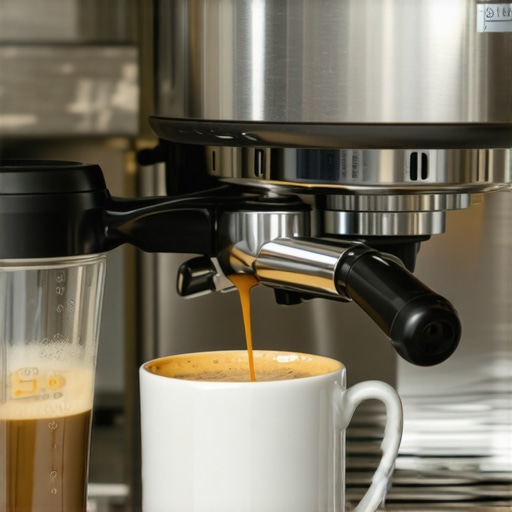
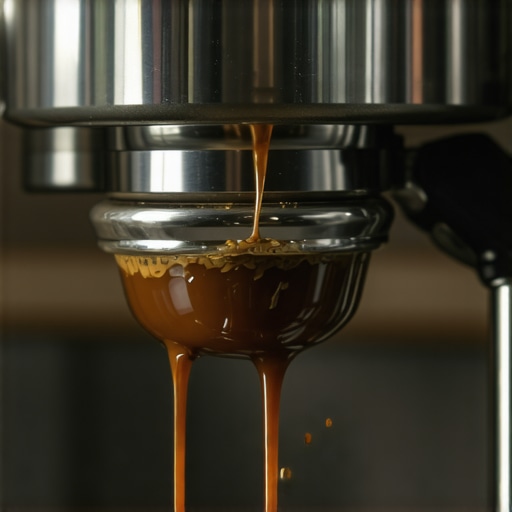
I remember the first time my shot went entirely off-script—coffee spraying everywhere, small puddles on my espresso drip tray, and a sense of defeat creeping in. That frustrating moment when your bottomless portafilter decides to turn your beautiful espresso session into a mini flood? Yeah, I’ve been there. It’s messy, disappointing, and can leave you wondering, “What did I do wrong?”
Understanding why your portafilter keeps spraying is crucial because it directly impacts your espresso quality and your sanity in the kitchen. Nobody wants to spend more time cleaning up than savoring that perfect shot. The good news? With a little insight and some tweaks, you can put an end to these spray disasters.
Getting to the Root of the Spraying Issue
Many home baristas mistakenly believe that spraying is just part of the espresso making process—kind of like inevitable chaos. But in reality, it often comes down to how your machine and portafilter are functioning together. The problem generally stems from improperly compressed coffee, worn-out gaskets, or issues with water pressure and flow. These might seem like minor details, but they can cause your shot to burst out of the portafilter like a volcanic eruption.
One mistake I made early on was neglecting the tamping technique. I thought rushing through tamping was fine, but inconsistent pressure created uneven puck resistance, leading to unpredictable sprays. Regularly inspecting your gaskets and exchange them if they’re cracked or worn can also make a big difference, as a tight seal prevents excessive water pressure from escaping.
Learn more about common espresso machine issues and how to troubleshoot them in this helpful guide. Troubleshooting your setup isn’t just about fixing leaks; it’s about understanding the intimate dance of pressure, grind size, and tamping that results in a flawless shot.
But before diving into DIY fixes, consider your grinder and tamping habits—they play a starring role in shot consistency. For example, over- or under-tamping can cause water to find weak spots and spray out. If you’re unsure about your technique, exploring articles on tamping pressure and grinder calibration can be invaluable.
Now, I’m curious—have you faced this spraying nightmare in your espresso journey? Chances are, you’re not alone. And lucky for you, I’ve compiled some actionable steps to turn that mess into a masterpiece. Let’s look at how to ensure your portafilter behaves and serves up beautiful, steady espresso shots from here on out.
Check Your Tamp Pressure and Technique
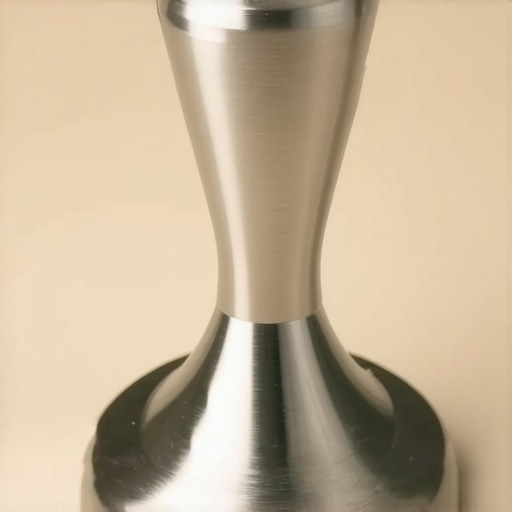
Start by assessing how hard you’re tamping. Aim for around 30 pounds of force—think of pressing down as firmly as closing a car door. I once rushed and tamped too lightly, which caused channeling and spraying. Use a bathroom scale or a tamping guide to develop consistent pressure.
Inspect and Replace Worn Gaskets
Examine your machine’s gasket for cracks or hardening; a worn seal allows water to escape unevenly, causing spray. Replacing gasket sets is straightforward—just follow your machine’s manual. For my first replacement, I watched a quick tutorial and saved hours of frustration.
Calibrate Grind Size and Dose Properly
Adjust your grinder to produce slightly finer grounds if water flows too quickly, reducing pressure inconsistencies. Too coarse, and water jets through unevenly, causing sprays. I used my smart scale to fine-tune my dose precisely, preventing channeling and spray-outs.
Ensure Uniform Tamp and Puck Distribution
Distribute coffee evenly in the portafilter before tamping, avoiding bumpy or uneven surfaces. Use a distribution tool or just tap the sides to level the coffee. When I started doing this, my shots became cleaner and more consistent, reducing spray incidents.
Maintain Proper Water Pressure and Pump Operation
Check if your machine’s pressure is within optimal range (around 9 bars). Use a pressure gauge or refer to your machine’s diagnostics. If your pump is pulsating or noisy, fouling may cause inconsistent flow—see this guide on pump issues. Correcting pressure fluctuations stabilized my shots dramatically.
Regularly Service Your Espresso Machine’s Parts
Clean the portafilter’s basket and shower screen weekly to prevent buildup that disrupts water flow. Also, inspect and replace worn-out parts like water hoses or valves. Once, a quick brush-down transformed my spray-prone machine into a steady performer.
Address Static and Grind Static Buildup
Static cling can cause coffee grounds to stick unevenly, leading to channeling and sprays. Use a RDT technique or anti-static tools to reduce static. In my experience, reducing static resulted in a more uniform puck and fewer sprays.
Tweak Your Machine’s Water Flow Path
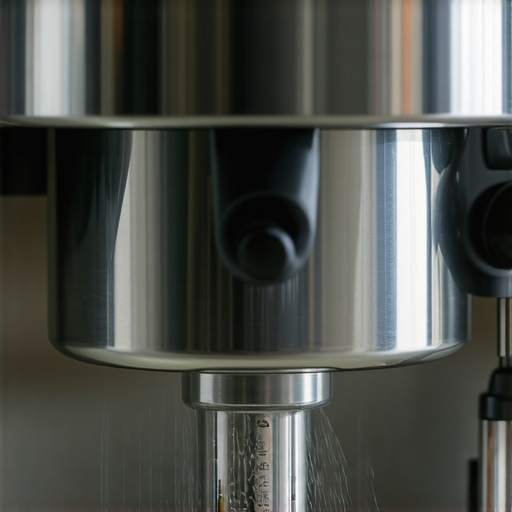
If sprays persist, consider replacing or adjusting flow control parts like screens or valves. Sometimes, a stubborn spray is due to uneven water dispersion. Applying these tactics on my machine eliminated unpredictable spurts and improved shot quality.
When diving into home espresso brewing, many enthusiasts fall into common traps, but let’s dig deeper into what often gets overlooked by even experienced home baristas. A prevalent myth is that using high-end equipment alone guarantees perfect shots. In reality, nuances like grind distribution, tamping consistency, and machine calibration matter far more than brand prestige. For example, uneven coffee distribution can cause channeling, leading to over-extraction and bitter flavors, regardless of your grinder’s premium status. Another underrated aspect is grinder static—clogged static can cause inconsistent dosing and uneven tamping, dramatically affecting shot quality. Addressing this with targeted solutions like static-reducing techniques can improve results significantly. Many assume that milk frothers are a simple tool—however, microfoam texture heavily depends on technique, pitcher angle, and milk type. An advanced mistake is neglecting machine calibration, especially pressure profiling. Fine-tuning pump pressure and temperature profiles can unlock complex flavor nuances often missed in standard setups. Additionally, frequent mechanical maintenance, such as replacing worn gaskets or cleaning flow paths, is crucial but often postponed by busy home baristas, leading to performance drops. Capable of elevating your espresso game, understanding these subtleties distinguishes a casual drinker from a true hobbyist. Remember, optimizing your setup involves more than gear; it requires honing technique and understanding your machine’s unique behavior. For instance, incorrect grind static management can trap residual coffee grounds, causing inconsistent extraction and spray issues—something that can be remedied by techniques detailed in guides like this article. Being aware of these hidden details empowers you to troubleshoot effectively and achieve consistently better espresso from your home setup. Have you ever fallen into this trap? Let me know in the comments.
Keeping Your Home Barista Setup in Top Shape
Investing in quality equipment is only half the battle; maintaining it properly ensures it performs at its best over time. From grinders to milk frothers, each component demands a tailored approach to upkeep. Regular maintenance not only extends your gear’s lifespan but also guarantees consistent shot quality and flavor.
Prioritize Precise Calibration and Regular Checks
Many home baristas overlook the importance of periodically recalibrating their machines and tools. For instance, smart scales should be tested for latency issues that can throw off flow tracking, critical for ensuring consistent extraction. I personally check mine monthly with test pulses to verify their responsiveness, preventing over- or under-dosing. Similarly, grinders benefit from RPM checks, especially if they’re modified or second-hand. Confirm that your grinder’s RPM isn’t too fast, as excessive speed can cause static buildup and uneven grounds, which in turn impact shot quality. Troubleshoot this with insights from the RPM sign check guide.
How do I maintain tools over time?
Consistent cleaning is essential—dispose of old coffee oils and residues that can clog flow paths or cause off-flavors. For grinders, I rely on frequent brushing using dedicated pipe cleaners, which swiftly clear static and static-induced clogs. Grinding into a damp cloth also helps reduce static buildup. For espresso machines, descaling at regular intervals prevents mineral build-up that impairs heat transfer and pressure stability. Clear any worn gaskets or seals periodically, following manufacturer guidelines, to avoid leaks that can escalate into spray messes or pressure drops.
Choosing the right maintenance tools can save you headaches
For grinder static issues, I recommend using the RDT (Ross Droplet Technique) method, which involves lightly spritzing grounds with water before grinding. This simple trick significantly reduces static, leading to more uniform dosing and better puck cohesion. For machine calibration, an accurate flow rate check ensures your shots aren’t over- or under-extracted. Regularly verifying your equipment’s temperature stability and pressure ensures consistent results, especially if you notice any deviation in shot quality.
Future trends in machine maintenance
As technology advances, smarter diagnostic tools will become more accessible, making it easier for home enthusiasts to perform maintenance tasks with confidence. Features like automatic descaling notifications or self-diagnostic alerts on digital displays are expected to become standard. Embracing these innovations now can prepare you for smoother, maintenance-free brewing in the future.
Don’t wait for a spill or a drop in performance to act—schedule monthly checkups and keep your tools clean and calibrated. For instance, trying out the static-reducing RDT technique can dramatically improve shot consistency. Small, targeted maintenance—done regularly—avoids major repairs and keeps your coffee workflow humming like a well-oiled machine.
Over the years, I’ve learned that the journey to perfect espresso is often paved with small, overlooked lessons that make all the difference. One of the most frustrating moments I faced was battling unpredictable spray-outs from my portafilter, which not only ruined my shot but also tested my patience. Through trial, error, and a lot of learning, I discovered that these spray disasters are often symptoms of deeper setup issues and technique quirks. What truly transformed my espresso routine was understanding the intricate dance between grind consistency, tamping pressure, machine maintenance, and static control.
Now, I want to share with you the insider wisdom that turned my messy mornings into steady, reliable brewing experiences. The key is embracing a mindset of meticulous attention to detail—every tweak counts and brings you closer to that perfect, drip-free shot you crave. Remember, the difference between a good shot and a spray disaster often resides in the smallest adjustments and consistent habits. Once you start observing and addressing these subtleties, you’ll find your espresso becoming more predictable and pleasurable—transforming your home setup into a true barista oasis.
The Hardest Lesson I Learned About Home Espresso, Coffee Grinders, Milk Frothers, Espresso Machines, Barista Gear
- Consistency beats high-end gear every time: No matter how fancy your machine is, inconsistent technique leads to spraying. Focus on aligning your tamp pressure and grind size.
- Worn gaskets are sneaky culprits: Regularly inspect and replace seals; a tiny crack can cause big messes during extraction.
- Static is an invisible enemy: Managing static by techniques like reducing static improves puck cohesion and shot stability.
- Machine calibration isn’t optional: Regularly check that your pressure and temperature profiles are dialed in. Subtle misalignments canSpark sprays.
- Secure your water flow paths: Clogged showerscreens or loose fittings can cause uneven water dispersion—address these before brewing.
Your Next Step in Espresso Mastery
Embark on a journey of continuous improvement by integrating these insights into your routine. Consider tools like smart scales for precision dosing and auto-purge techniques to keep your machine functioning flawlessly. Small investments in machine checks and maintenance routines pay off manifold in the quality and consistency of your shots. Remember, mastering home espresso is a blend of science, art, and patience, so celebrate each small victory along the way.
Seize the Moment and Elevate Your Espresso Game
There’s no better time than now to refine your skills, optimize your setup, and enjoy the journey of becoming a true home barista. The satisfaction of pulling a shot that stays steady, without sprays or splashes, is incredibly rewarding—and entirely achievable with the right mindset and tools. Keep experimenting, learning, and sharing your successes. Your perfect, spray-free espresso awaits!
What’s the most surprising fix that worked for your spray issues? Share your story below and inspire others in their espresso adventures!
,