How to Adjust Your Pump Pressure Without a Plumber
There was that moment in my kitchen when I finally decided to make my own espresso shot after years of relying on baristas. I turned my machine on, watched the pressure gauge climb beautifully, and prepared to extract that perfect shot. But instead of the rich, creamy crema I was dreaming of, I got a sputtering mess, with the pressure bouncing unpredictably. Frustration set in. I realized, surprisingly enough, that I didn’t need a plumber or a technician — just the right knowledge and a few simple tools to adjust my pump pressure myself.
Why Fine-Tuning Your Pump Pressure Is a Game-Changer
If you’ve ever faced inconsistent espresso shots or struggled with machines that just won’t cooperate, you’re not alone. Your espresso machine’s pump pressure plays a critical role in extracting flavor, crema, and overall quality. When the pressure is off, even slightly, it can turn your coffee experience sour or flat. The good news? Many of these issues can be resolved at home—no plumbing required. I’ve been down this road, and trust me, understanding how to adjust your pump pressure empowers you to troubleshoot effectively and elevate your brewing game.
Is DIY Pressure Adjustment Actually Worth the Hassle?
I admit, I was initially skeptical. I made a rookie mistake early on: I tried to fix pressure problems without proper knowledge, which only made things worse. That’s a common pitfall. According to industry experts, improper adjustments can damage your machine or lead to inconsistent results. But with the right guidance, adjusting pump pressure is straightforward and saves both time and money. If you’re tired of unpredictable shots and want to craft barista-quality espresso at home, mastering this skill is essential. Ready to dive into practical steps that can make a real difference? Let’s get started.
Identify Your Machine’s Pressure Range
Before tweaking anything, know your espresso machine’s optimal pressure, usually around 9 bar. Check the user manual or manufacturer’s website for this info. I once faced inconsistent shots with my semi-automatic, so I started by confirming the recommended pressure—this saved me from unnecessary guesses.
Access the Pump Pressure Adjustment Valve
Most home espresso machines have a dedicated valve or screw for pressure regulation. Turn off and unplug your machine. Open the casing carefully—using a screwdriver if necessary—and locate the adjustment screw, often near the pump or on the pump itself. During my first attempt, I found mine hidden behind a panel, so patience was key.
Gather the Right Tools and Safety Precautions
Use a flat-head screwdriver or an allen wrench as specified. Wear gloves and ensure the machine is cool to prevent burns. Safety first: a quick review of https://espressotechguide.com/contact-us can help if you need professional assistance.
Fine-Tuning the Pressure
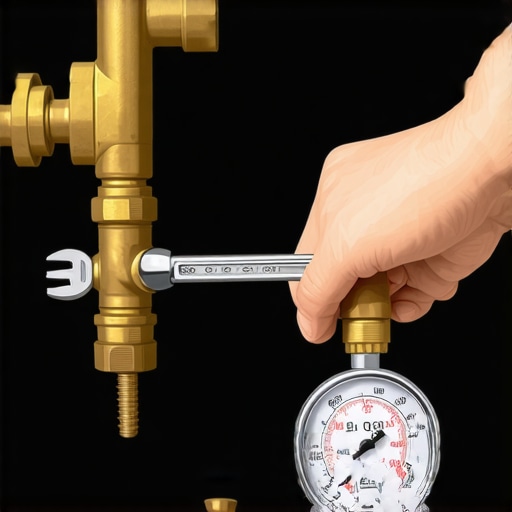
Connect a pressure gauge if your machine lacks one. Turn on the machine without installing the portafilter; let the pump run briefly. Slowly turn the adjustment screw clockwise to increase pressure or counter-clockwise to decrease. For example, I gently adjusted mine by 0.2 turns during a testing session, observing the gauge carefully. Achieving the right pressure may take a couple of tries—think of it as fine-tuning a musical instrument.
Test and Observe Results
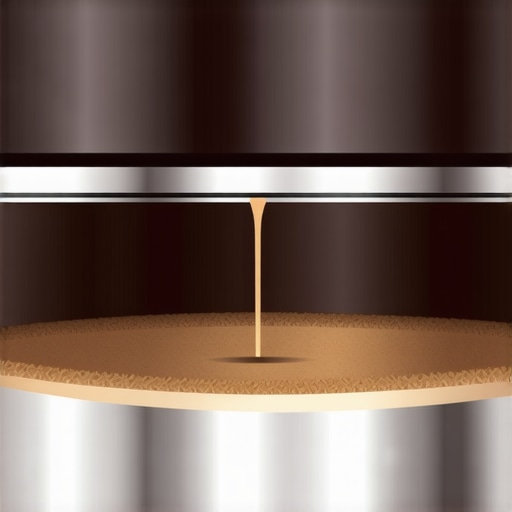
Insert the portafilter, dose coffee, and pull a shot. Watch the pressure gauge and note the shot’s flow. A good shot at 9 bar will flow steadily and produce a rich crema. If the pressure is too high, shots may channel or bubble. Too low, and they will run too quickly. In my experience, a slight adjustment made a world of difference—my espresso became smoother and more balanced.
Iterate Until Perfect
Adjust slowly, test, and record your settings. Remember, every machine is different, so patience is vital. Don’t be discouraged by initial messes; each attempt teaches you more about your equipment’s quirks. For more advanced insights, exploring detailed guides like https://espressotechguide.com/how-to-set-the-right-pressure-on-your-rotary-pump-machine can be invaluable.
Final Checks and Maintenance
Once you find the sweet spot, ensure the adjustment screw is secured if applicable. Regularly clean and maintain your pump and valves to keep pressure consistent. For detailed maintenance routines, visit https://espressotechguide.com/how-to-clean-your-portafilter-without-removing-the-basket. Proper maintenance guarantees stable pressure and superior coffee quality over time.
With your pump pressure dialed in, your espresso shots will flow more predictably, highlighting rich flavors and velvety crema. This hands-on adjustment elevates your home barista skills and reduces dependence on technicians, all while enhancing your daily coffee ritual. Remember, mastering these steps transforms your kitchen into a mini coffee lab—so keep experimenting and savor the process.
When it comes to brewing coffee at home, many enthusiasts get caught up in the hype surrounding fancy gear and complex techniques, often believing that expensive equipment guarantees high-quality shots. However, a common misconception is that more expensive or high-end gear automatically translates to better espresso. In reality, understanding the nuances of your equipment and mastering fundamental techniques often outweigh the benefits of merely upgrading your tools. For example, many assume that a premium coffee grinder will solve all their extraction issues, but if the grinder isn’t properly calibrated or the coffee isn’t stored correctly, even the best grinder can’t deliver optimal results. For insights on selecting the right grinder, visit https://espressotechguide.com/how-to-select-the-perfect-coffee-grinder-for-your-brew.
Another widespread myth is that milk frothing is solely about the type of frother used. While quality tools matter, technique plays a crucial role in creating silky microfoam and latte art. Many home baristas neglect the importance of milk temperature, steaming angle, and airflow control, which are vital for professional-looking drinks. Better understanding these details can significantly elevate your coffee experience. Check out https://espressotechguide.com/how-to-steam-oat-milk-without-it-separating-in-the-cup for advanced tips.
A common trap among newcomers is believing that bigger machines produce better espresso. The truth is, many compact home machines with precise temperature control and stable pressure outperform bulky models that lack finesse. Equipment like the E61 group head or PID controllers can make a considerable difference in shot consistency, often more than size or price. For top-rated options, see https://espressotechguide.com/top-rated-espresso-machines-for-coffee-lovers-in-2025.
In my experience, another overlooked aspect is the importance of grind size customization. Relying on preset settings or generic recommendations can lead to under-extraction or channeling. Tailoring your grind to suit your specific beans and machine ensures a smoother extraction and richer flavor profile. For guidance on this, visit https://espressotechguide.com/how-to-select-the-perfect-coffee-grinder-for-your-brew.
Avoid the trap of focusing solely on gear without honing your foundational skills. Even with the best equipment, inconsistent tamping, poor dosing, or neglecting regular cleaning can sabotage your shots. Mastering these core practices ensures every part of your workflow contributes to a perfect brew.
**What about advanced misconceptions** that trip up even seasoned enthusiasts? Many overlook the critical role of brew temperature and pressure profiling. Small adjustments here can transform the taste and texture of your espresso, avoiding issues like sourness or bitterness. For an in-depth understanding, check https://espressotechguide.com/how-to-set-the-right-pressure-on-your-rotary-pump-machine.
Overall, a sophisticated coffee experience isn’t solely dependent on gear—it’s about understanding the *why* behind each step, recognizing common pitfalls, and making informed choices. Remember, it pays to dig deeper than surface-level assumptions. Have you ever fallen into this trap? Let me know in the comments.
Invest in Quality Tools for Consistent Results
Owning high-quality tools is the cornerstone of maintaining optimal performance in your home espresso setup. Personally, I rely on a precision coffee grinder with stepless grind adjustment because it allows me to make micro-tuning adjustments tailored to each bean, ensuring consistent extraction and flavor. Similarly, a good-quality cleaning brush keeps my group head free from coffee residue, which is vital for maintaining pressure stability over time.
Scheduled Cleaning Preserves Machine Performance
Regular maintenance isn’t just about cleanliness; it directly affects your equipment’s longevity and brewing quality. I perform monthly descaling of my espresso machine and steam wand to prevent mineral buildup that hampers pressure and heat stability. Using cleaning products specifically designed for coffee gear, such as descaling solutions or milk frother cleaners, helps me avoid costly repairs and flaky foam production.
How do I maintain my gear over time? The key is consistency and attention to detail. Keep a maintenance schedule and stick to it—this simple routine can dramatically extend the lifespan of your equipment and keep your shots tasting stellar. Explore detailed routines at this resource to refine your upkeep process.Staying Ahead: Predictive Maintenance Matters
A forward-thinking approach involves tracking usage and performance to anticipate issues before they escalate. For example, monitoring your grinder’s motor sounds or pressure gauges can alert you to wear and tear, prompting timely replacements. My secret weapon has been a PID controller calibration, which stabilizes my brew temperature, resulting in more consistent shots. Using diagnostic tools like pressure gauges or temperature probes enhances my ability to keep everything running smoothly.
Tools I Recommend for Long-Term Maintenance
Beyond regular cleaning, I suggest investing in a lubrication kit for moving parts to minimize wear, and a digital pressure gauge to monitor extraction consistency. Keep spare gaskets and seals handy for quick replacements—this prevents leaks and maintains optimal pressure. For details on selecting these essentials, see this comprehensive guide.
Future Trends in Equipment Maintenance
As technology advances, integrated diagnostic systems and IoT-enabled appliances are becoming more prevalent, providing real-time alerts for maintenance needs. Investing in such smart gear now can save you time and money in the long run, while ensuring your setup is always ready for that perfect shot.
Ready to elevate your maintenance routine? Try calibrating your PID controller following this expert method and notice how it improves your shot consistency. Proper upkeep is the backbone of a lasting, high-performing home espresso station—so start today!
The Hard Lessons I Stumbled Through with Home Espresso Gear
One of my biggest lightbulb moments was realizing that even expensive espresso machines require more than just good equipment—they need proper calibration and maintenance. Skipping regular cleaning or neglecting to fine-tune pressure settings only leads to disappointment. I learned the importance of patience and precision, understanding that mastery comes from consistent, small adjustments rather than big, sporadic tweaks.
Key Resources That Elevated My Home Coffee Game
Over time, I found that investing in high-quality tools like a stepless coffee grinder and a reliable pressure gauge paid dividends. The guide to selecting the perfect coffee grinder helped me choose equipment tailored to my beans and espresso machine, ensuring consistent extractions. Additionally, consulting expert calibration tips for my PID controller stabilized my brew temperature, smoothing out shot inconsistencies and elevating flavor profiles.
Embracing the Challenge: Your Journey Starts Today
Mastering home espresso isn’t about overnight perfection; it’s about embracing the process and learning from each shot. Your kitchen can transform into a mini coffee lab where experimentation and patience turn good coffee into a great experience. Don’t let doubts hold you back—every small tweak brings you closer to barista-quality espresso. So, what’s one adjustment you’re eager to try next? Share your goals below and ignite your path toward coffee mastery.