Why Your Espresso Machine Pressure Gauge Is Flickering
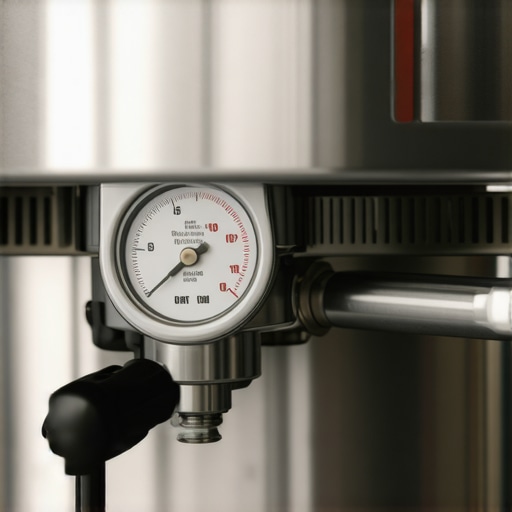
Ever set out to make that perfect shot of espresso, only to be greeted by a flickering pressure gauge that seems more like a disco light than a useful indicator? I remember countless mornings when I’d stare at that tiny dial, feeling my confidence waver with every flicker. It’s like your machine’s way of playing a game—testing your patience and brewing skills all at once. That little wobble on the gauge? It can be downright maddening, especially if you’re trying to master the art of home espresso.
Understanding the Pressure Gauge Flicker: Why It Matters
When your espresso machine’s pressure gauge flickers, it’s more than just a visual quirk. It’s a sign that something’s off—whether it’s a minor calibration issue, electrics, or even build-up inside your machine. But here’s the thing: many home baristas ignore it, dismissing it as a glitch or saying, “It’s normal,” despite countless online forums and expert opinions warning otherwise.
Early on, I made the mistake of ignoring this flickering, thinking it was just a sensor hiccup. That delay cost me hours of troubleshooting later—trust me, recognizing this early can save you a lot of frustration. The pressure gauge is your window into the brewing process; flickering could point to pressure fluctuations that affect flavor and extraction. According to the Specialty Coffee Association, consistent pressure is vital for optimal extraction—about 9 bars for most home machines—so keeping an eye on that flickering is crucial.
Have you ever faced the dilemma of a flickering gauge during an important brew? If so, you’re not alone. In the sections ahead, I’ll walk you through exactly what causes these flickers and, more importantly, how to troubleshoot and fix them before they ruin your coffee or damage your machine.
Let’s get to the nitty-gritty—understanding the root causes offers the best chance to keep your brew consistent and your espresso machine happy.
Check Your Machine’s Water Pressure System
Start by ensuring your espresso machine’s water pressure is consistent and functioning correctly. Remove the water tank and inspect for any blockages or sediment buildup that can cause fluctuations. If sediment is present, flush the system thoroughly or replace old water filters. Remember, a clean and properly maintained water system keeps pressure stable, preventing flickering gauges.
Inspect and Calibrate the Pressure Sensor
Next, examine the pressure sensor or transducer—think of it as the machine’s health monitor. Loosen the screws holding it in place and gently remove it. Clean the sensor with a soft cloth to remove any accumulated grime or mineral deposits, which can cause false readings. After cleaning, reattach and calibrate the sensor according to your machine’s manual. Proper calibration ensures accurate pressure readings and reduces unnecessary flickering.
Verify Electronic Components and Connections
Electrical issues often cause flickering. Unplug your machine and open the control panel—similar to inspecting a car’s dashboard wiring. Check for loose or corroded wires connected to the pressure sensor and control board. Tighten any loose connections and replace damaged wires to restore stable communication between components. Secure all wiring before reassembling the panel.
Calibrate the Brew Pressure
Many machines have adjustable pressure settings. Use a calibration kit or a calibrated pressure gauge to verify actual pressure during operation. Attach the gauge to the brew head, then run a test shot. If the pressure readings diverge from the recommended 9 bars, adjust the machine’s pressure regulator accordingly. This step ensures consistent extraction and minimizes gauge flicker caused by pressure discrepancies.
Perform Regular Maintenance to Prevent Fluctuations
Routine maintenance keeps all components running smoothly. Clean the group head, shower screen, and portafilter regularly—think of it as dental hygiene for your espresso machine. Also, descaling the boiler and its components removes mineral deposits that can interfere with pressure stability. For more detailed maintenance routines, visit this guide.
Test and Observe After Adjustments
Final step: run test shots to observe the gauge’s behavior. Look for steady readings and consistent pressure during the shot. If flickering persists, revisit previous steps or consult a professional technician. With persistent flickering despite troubleshooting, consider reaching out through contact us for expert advice.
Replace Faulty Parts When Necessary
If all else fails, a faulty pressure sensor or control board may be to blame. Replacing these components involves disconnecting old parts and installing new ones, akin to upgrading car batteries—direct but precise work. You can find replacement parts at reputable vendors or consult the manufacturer. This proactive approach restores stable pressure measurement, ensuring your gauge no longer flickers.
Many coffee enthusiasts believe that investing in high-end milk frothers, barista gear, or top-tier grinders guarantees perfect espresso and microfoam every time. However, in my experience, there’s a common misconception that simply owning the latest equipment is enough, which isn’t quite true. Sophisticated gear requires a nuanced understanding to truly unlock its potential. For instance, many assume that a high-quality grinder alone will produce consistent grounds, but variables like burr alignment, dosing techniques, and grind retention play critical roles that are often overlooked here. Additionally, many believe that home espresso machines are foolproof once calibrated, but even minor irregularities in pressure or temperature stability can sabotage your shot. Mastering these subtleties is essential—otherwise, you’re just spinning your wheels. The trap many fall into is overestimating equipment and underestimating technique; a precision grinder won’t make a mediocre bean taste great if the grind size is inconsistent. Another overlooked nuance involves milk frothing; beginners think that a powerful steam wand is all they need, but factors like milk temperature, pitcher shape, and texturing angles matter more than most realize. As experts warn, a small mistake during steaming can lead to flat or deterringly thick foam, regardless of the machine’s capabilities. Curious about advanced adjustments for consistent microfoam? Check out this guide for expert tips. So, the real win lies in understanding the synergy between your equipment and your technique. Remember, equipment is just a tool. The secret sauce is how you use it, not just what you own. Have you ever fallen into this trap? Let me know in the comments and share your experiences!
Investing in quality coffee gear is just the first step; keeping it running smoothly over time requires attention, proper tools, and a strategic approach. I personally rely on a few key items and routines that have proven invaluable in my journey toward consistent, professional-quality espresso at home.
My Favorite Maintenance Tools for Long-Term Success
First and foremost, I swear by a high-quality portafilter brush. This simple tool is essential for cleaning residual oils and coffee grounds that can clog your basket or create bitter flavors. I use the specific portafilter brush designed for espresso machines because it gets into tight spaces without scratching delicate surfaces.
Second, a calibrated pressure gauge is indispensable for maintaining consistent pressure, especially if your machine uses a rotary or vibratory pump. I regularly check my machine’s pressure profile with a precision calibration method to prevent flickering gauges and flavor inconsistencies. This proactive approach ensures my steam wand and brew pressure stay within optimal ranges.
Third, having a dedicated descaling solution at hand keeps limescale at bay. My go-to is a descaler recommended by the official espresso machine maintenance guides. Regular descaling extends the lifespan of internal components and maintains steady water flow—crucial for perfect extraction.
Routine Checks Sustain Top Performance
Beyond tools, establishing a routine gives your equipment a long-term advantage. Every month, I examine my group head seals and replace them before they fail, using step-by-step tutorials. Additionally, I dismantle and clean my steam wand monthly, which prevents leaks and ensures consistent microfoam quality, as outlined in this detailed guide.
Scaling Up: When to Upgrade or Expand Your Toolkit
As you become more serious, consider investing in a precision grinder maintenance kit or even a burr alignment tool. These resources help maintain grind consistency, crucial for long-term flavor stability. Additionally, a digital PID controller can stabilize temperature fluctuations, which many enthusiasts find essential for complex brewing profiles.
Looking toward the future, I predict that smart maintenance monitors and IoT-connected tools will become commonplace, allowing home baristas to receive real-time alerts before small issues become costly repairs. Already, some advanced espresso machines incorporate built-in diagnostics, a trend that will only grow.
How do I stay ahead with equipment upkeep?
My secret is routine, using specific tools and following manufacturer guidelines religiously. Schedule monthly cleanings, check and calibrate sensors quarterly, and stay informed about the latest maintenance techniques through trusted resources like our expert guides. Start with a simple upgrade: purchase a dedicated portafilter brush and set a calendar reminder to perform routine cleaning. That one move can dramatically extend the lifespan of your gear and improve every shot you pull.
Unspoken Truths That Changed My Espresso Game
One of the most eye-opening lessons I learned was that even the best equipment can falter without proper care. I used to think a high-end machine would compensate for my inconsistent tamping or poor cleaning habits. It wasn’t until I neglected routine maintenance that I realized how critical regular checkups are; a stubborn mineral build-up or a misaligned gasket can turn a perfect shot into disappointment. That lightbulb moment reinforced that in the world of home espresso, your technique and upkeep matter more than any shiny new gadget.
Another revelation was that calibrating pressure sensors isn’t just for professionals—it’s a game changer. I used to ignore flickering gauges, assuming they were harmless, but I learned that early calibration can prevent flavor disasters. Especially with espresso, where delicate pressure control influences extraction and flavor, knowing how to fine-tune your sensors keeps your brew consistent and delicious. It’s like giving your machine a health check—truly an investment in your daily coffee ritual.
And here’s a personal gem: understanding that not all barista tricks can hide poor bean quality or improper grind size. No matter how expensive your grinder or how precise your tamp, the starting quality of your beans is fundamental. I now pay closer attention to freshness, storage, and grind consistency, which altogether elevate my espresso experience. This holistic approach serves as a reminder that mastery comes from paying attention to details that beginners might overlook—experience beats equipment in the long run.
My Arsenal of Tools That Keep My Coffee Perfect
Over time, I’ve collected a few trusted tools that truly make a difference. First, a high-quality portafilter brush helps me keep the basket free of oils and old grounds, ensuring clean extraction every time. Second, a calibrated pressure gauge lets me verify that my brew pressure stays steady—a small step that leads to big flavor improvements. Third, a reliable descaling solution, like the one recommended by trusted experts, prolongs my machine’s life and maintains water flow quality. Together, these tools form the backbone of my in-depth maintenance routine, ensuring my home espresso consistently hits the mark.
Integrating these with scheduled checks—like inspecting the group head seals or cleaning the steam wand—has transformed my routine from reactive to proactive. Routine is the secret sauce for long-term performance and exceptional shots. For those passionate about elevating their espresso craft, investing in these small yet impactful tools is a wise move. Curious about expanding your setup? Explore top-rated espresso machines to find options that fit your goals.
Fuel Your Passion: Embrace the Learning Journey
Stepping into the world of home espresso is both exciting and humbling. It’s about more than equipment; it’s about patience, curiosity, and continuous learning. Don’t hesitate to experiment with your grind, pressure, or milk steaming techniques, knowing that mistakes are actually the best teachers. As you hone your skills, remember that every shot is a chance to improve—and that persistence is key. Take pride in your progress, celebrate small victories, and keep pushing boundaries. Your perfect espresso isn’t just a distant dream; it’s a journey worth embarking on. Ready to brew the best cup of your life? Share your experiences and questions below—let’s learn together.