How to Fix the Sputtering Water Flow on Your Steam Wand
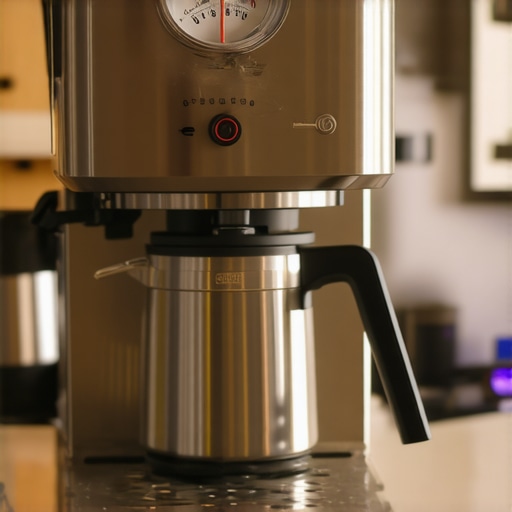
It happened again today. I was steaming milk for my morning cappuccino, and suddenly, the steam wand sputtered—water sprayed, and I lost that silky microfoam I was aiming for. Frustration bubbled up because I knew I’d have to stop, troubleshoot, and hope I could fix it before my next shot of espresso.
Maybe you’ve been there too. Nothing kills the morning routine faster than that unexpected sputter from your steam wand. It’s not just annoying; it throws off your entire coffee experience, especially when you’re trying to impress friends or just indulge in that perfect latte art.
Why Your Steam Wand Sputters and How to Fix It
There’s a surprisingly common culprit behind this issue—clogged or partially blocked steam passages. Over time, mineral deposits from water, coffee oils, and leftover milk residues can build up inside the wand, causing inconsistent steam flow. This buildup isn’t always obvious, so I recommend giving your machine a thorough cleaning periodically. Doing this not only restores proper function but also prolongs the life of your espresso gear.
Is Tinkering Worth the Hassle?
At first, I hesitated to open up my machine. I was worried about making things worse. That fear was my mistake—early on, I assumed a clogged wand was a minor issue I could ignore. But then I learned from experienced baristas and professional guides that regular maintenance and cleaning are essential. A simple routine can prevent sputtering and other annoying quirks, saving you time and money down the line. To get a better grasp of maintaining your equipment, check out how to select the perfect grinder or explore our comprehensive guides on mastering the art of home espresso.
So, are you currently facing issues with your steam wand sputtering? If so, don’t worry. The fix might be simpler than you think, and I’ll walk you through it step-by-step in the next sections. Let’s get your steam wand back to producing that perfect, dry vapor you desire—and turn that frustrating sputtering into a smooth, reliable flow.
,
Empty the Water Reservoir and Prepare Your Workspace
Begin by turning off your espresso machine and unplugging it to ensure safety. Remove the water reservoir, empty it, and rinse thoroughly to eliminate mineral deposits that can contribute to buildup inside the machine. Place a clean towel or cloth beneath the steam wand to catch any water or milk residue during cleaning. Remember, a tidy workspace prevents accidents and makes the process smoother.
Access and Disassemble the Steam Wand
Using the appropriate screwdriver, carefully detach the steam tip and handle from the wand. For most machines, this involves unscrewing a small retaining nut. Be gentle to avoid damaging delicate parts. Take a photo of the disassembly process so you can reassemble correctly later. This step grants full access to the internal passageways that often get clogged with mineral deposits or milk residues.
Clean the Steam Passages and Remove Blockages
Prepare a descaling solution or use a mixture of equal parts water and white vinegar. Soak the disassembled parts in this solution for about 15-20 minutes to loosen mineral buildup. Use a specialized cleaning brush or a narrow pipe cleaner to scrub the inside of the wand thoroughly. Pay special attention to the tiny channels where water and steam flow—these are often the culprits behind sputtering. For stubborn blockages, blow compressed air gently through the passages or run hot water to flush out residues. I once fixed a sputtering wand by meticulously cleaning each channel with a dry-erase marker, which helped identify dried milk crusts and blockages.
Reassemble and Test the Steam Wand
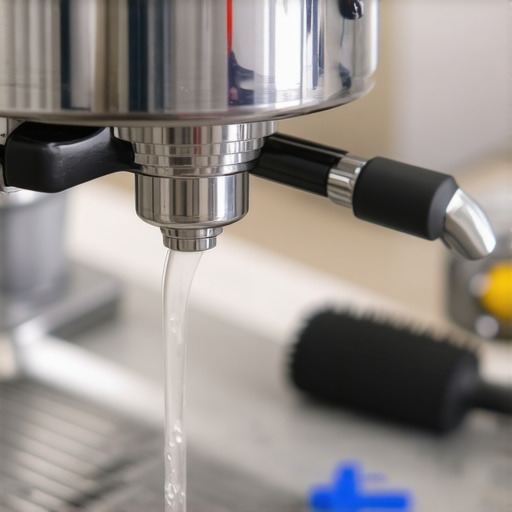
Once cleaned, reattach all parts in reverse order, ensuring each component is snug and secure. Refill the water reservoir and turn the machine back on. Purge the steam wand into a towel or cup by opening the steam valve; this flushes out any remaining debris and primes the system with fresh water. Observe the steam flow—is it consistent and dry? If sputtering persists, repeat cleaning or consider descaling your machine more thoroughly. Regular maintenance like this prevents future clogs and keeps your microfoam silky and reliable.
Adjust Your Maintenance Routine for Longevity
To prevent recurrence, incorporate a weekly cleaning regimen: soak removable parts in descaling solution, brush internal channels, and run steam cycles with plain water. Using filtered water can reduce mineral deposits; check out how to select the perfect grinder to also optimize your brewing setup. Keep an eye on your machine’s performance and schedule deeper descale every 2-3 months, depending on water hardness. Simple steps like wrapping a damp cloth around the wand after steaming can also curtail milk crust build-up. Proper maintenance not only resolves sputtering issues but enhances your overall coffee experience, ensuring rich, velvety microfoam every time.Many home enthusiasts start their journey into espresso brewing with high hopes, but there are some widespread myths that can hinder progress if not challenged. One prevalent misconception is that purchasing the latest, most expensive gear automatically guarantees cafe-quality results. In reality, understanding the nuances of your equipment, such as grinder calibration and consistent maintenance routines, plays a far more crucial role than just owning premium tools. For example, even top-tier espresso machines can underperform if the grinder isn’t properly dialed in or if the machine isn’t regularly descaled, as emphasized in our comprehensive guide on mastering the art of home espresso.
Invest in Quality Barista Gear for Consistent Results
Having reliable, high-quality tools is vital for maintaining your home espresso setup over time. For starters, a digital scale with a high level of precision—like the espresso-specific digital scale—ensures you dose accurately and reproduce shots consistently. I personally prefer models with a built-in timer and auto-calibration, which help keep my brewing routine precise regardless of daily fluctuations. Investing in a professional-grade milk frother has also revolutionized my microfoam quality, making latte art more achievable and consistent. These tools may seem minor, but their durability and accuracy pay off in the long run, preventing waste and refining your craft.
Proper Maintenance Extends Equipment Lifespan
Routine upkeep is the foundation of a reliable home barista setup. Regularly descaling your espresso machine, using solutions like appropriate descaling methods, prevents mineral buildup that can clog water passages and impair performance. Additionally, lubricating moving parts according to the manufacturer’s instructions helps avoid squeaks and mechanical wear. For grinder maintenance, it’s crucial to periodically clean and align burrs; a neglected grinder can produce inconsistent grounds, sabotaging shot quality. Utilizing tools like a burr alignment kit can help ensure uniform particle size over many months.
Prepare for Scaling Up Your Home Coffee Oasis
As your skills improve, scaling your setup without sacrificing consistency becomes a key challenge. Modular upgrades like adding a second grinder tailored for espresso—separating nuances of grind size—are worth considering. Moreover, installing dedicated power circuits ensures your equipment runs optimally without voltage drops that can cause performance drops. Long-term planning also involves choosing versatile machines with upgradable components—review top-rated options for 2025. Looking ahead, the trend favors smart gear capable of remote diagnostics and automatic maintenance reminders, making upkeep less of a chore and more of a part of your daily routine.
Questions to Keep Your Gear Thriving Long-Term
How do I maintain my espresso equipment over time? Establishing a regular cleaning schedule, using the right descaling products, and periodically replacing worn seals are proven strategies. For example, consulting expert advice on steam wand maintenance can significantly improve performance. Try setting a weekly maintenance ritual, like soaking removable parts in cleaning solutions and running test brews, to catch issues early. Remember, proactive care not only extends machine lifespan but ensures your coffee remains top-notch day after day. For personalized advice tailored to your specific models, reach out via our contact page and keep your home coffee station thriving for years to come.
Lessons I Wish I’d Learned Sooner About Home Espresso Perfection
One of the most valuable lessons I uncovered was that even the most expensive espresso gear won’t compensate for routine maintenance. Ignoring regular cleaning and descaling can silently sabotage your shot quality and cause sputtering issues with your steam wand. Another insight is that patience during the dialing-in process pays off—rushing can lead to inconsistent results, but dedicating time to tweak grind size and tamp pressure transforms your mornings. Finally, I realized that investing in quality barista gear, like a precise digital scale, directly correlates with consistency and elevates the whole brewing experience. These lessons didn’t come from perfection but from persistent trial, error, and a passion to improve.