Why Your Steam Wand Sputters Water Instead of Dry Vapor
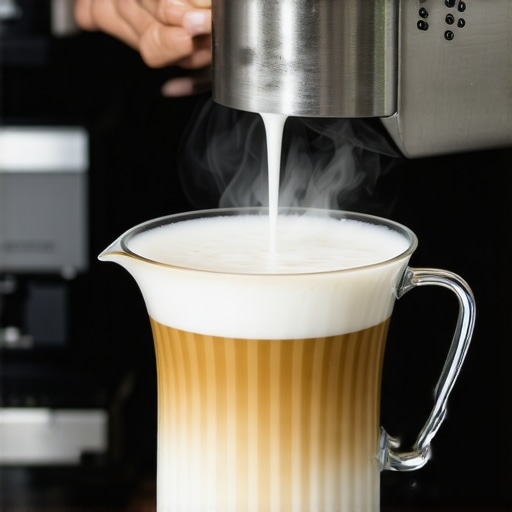
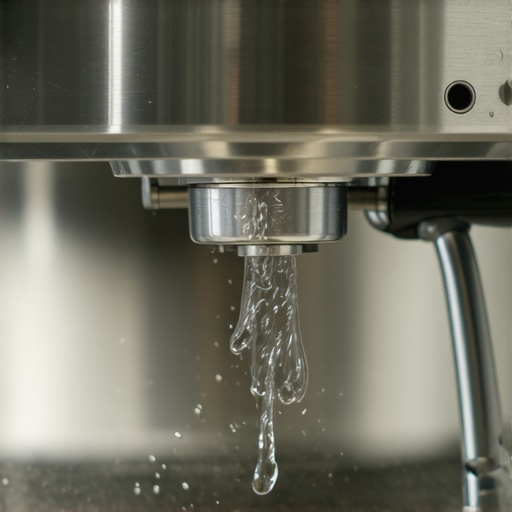
It happened again—you’re steaming milk, feeling confident, only to hear that unmistakable splutter, and suddenly, water shoots out of your espresso machine’s steam wand instead of smooth, dry vapor. I remember the first time this happened to me; I was halfway through preparing a latte and watched as my carefully textured milk turned into a soggy mess. Frustrating, right?
Getting to the Bottom of the Sputtering Steam Wand
Many home baristas and coffee enthusiasts face this perplexing issue. The good news? It’s often a simple fix, but understanding the cause can save you time and improve your espresso experience.
Is Water Sputtering a Sign of a Major Problem?
Early on, I made the mistake of assuming my machine was dying or that I needed a costly repair. Turns out, a lot of times, it’s just a minor misalignment or a clogged component. According to barista experts, water spitting during steaming is frequently caused by pressure buildup or scale accumulation in the steam wand or its valves. Addressing these issues can restore your steam to that perfect dry, velvety texture.
Have you ever faced this sputtering problem during your milk frothing? If so, you’re not alone. Many enthusiasts discover that with a few adjustments and proper maintenance, that frustrating splash of water can be turned into silky microfoam once again.
In the following sections, I’ll walk you through practical steps to troubleshoot and fix this common problem—so you can get back to enjoying your home barista skills without interruption. Want to dive deeper into maintaining your gear? Check out my guide on milk frothers that transform your coffee experience, or explore top-rated espresso machines here: best espresso machines for 2025.
Clear the Clogs to Restore Dry, Velvety Steam
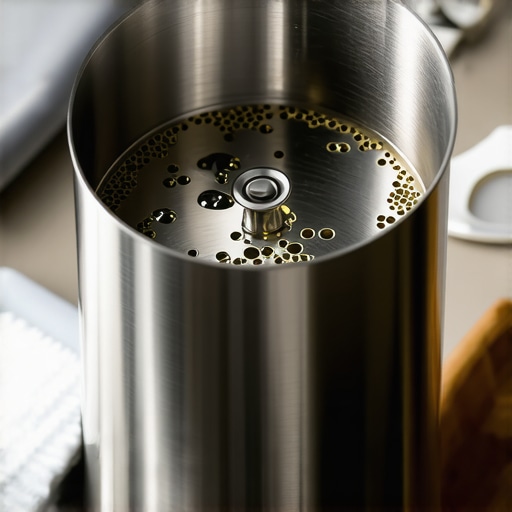
First, turn off your machine and let it cool down completely—hot steam and electrical components don’t mix. Remove the steam wand and soak it in a solution of equal parts water and descaling vinegar for about 30 minutes. I once neglected this step and had a stubborn clog; soaking loosened the mineral deposits that caused water spitting. After soaking, use a soft brush or pipe cleaner to gently scrub the inlet and outlet holes, breaking apart any scale buildup. Reassemble and run water through the wand to flush out loosened debris—this simple step often solves the sputtering issue.
Check and Reconfigure Pressure Settings
Inspect the Steam Valves and Pressure Valve
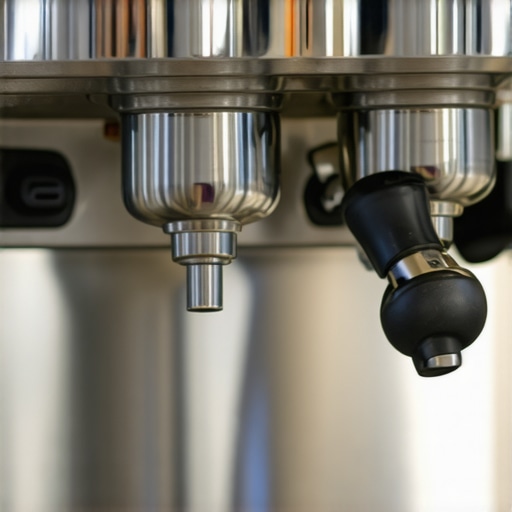
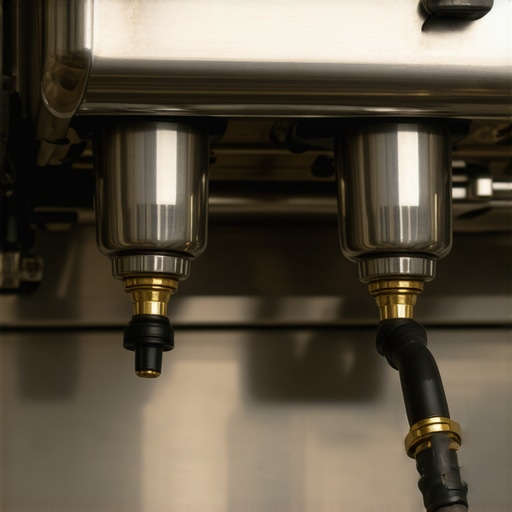
Locate the pressure release valve—usually near the boiler—and ensure it’s functioning correctly. A faulty or misadjusted pressure valve can create pressure imbalances, resulting in water shooting from the wand instead of steam. To test, carefully gently tap or press the valve; if it’s sticky or doesn’t move freely, it may need cleaning or replacement. Adjust the pressure regulator according to your machine’s specifications—most home espresso machines operate best around 1.0-1.2 bar for steaming. In my experience, a slight tweak here makes a big difference in consistent steam quality. For detailed guidance, check the 5-minute fix for a leaking steam wand valve.
Improve the Water and Steam Pathways
Next, examine the internal pathways—if your machine has accessible internal tubes or channels, they might be clogged with mineral deposits or coffee oils. Use a specialized cleaning solution or a mixture of water and citric acid to flush the system. I recommend running a cleaning cycle if your machine supports it. Also, check the orientation of the wand; sometimes, a simple misalignment causes water and steam to mix and spit. Correct placement ensures proper pressure distribution. Additionally, verify that the water reservoir and tubing aren’t blocked or kinked—any disruption can cause inconsistent pressure and sputtering. Proper maintenance here prevents future issues.
Test and Maintain Your Equipment Regularly
Once you’ve cleaned and adjusted, run several test steams with milk or plain water to observe the steam quality. Ideally, you’ll see a steady flow of dry, silky vapor without water droplets. To keep your steam wand performing optimally, follow a regular maintenance routine—descale it at least once every few months, depending on your water hardness, and clean the valves frequently. Personally, I found that setting a monthly reminder to descale saved me from unexpected sputtering during crucial mornings. For more elaborate cleaning routines, visit why your steam pressure drops.
Upgrade or Replace Worn Components
If after all adjustments the sputtering persists, consider replacing worn parts—such as the steam wand tip or pressure valve seals. Worn seals can allow water to leak into the steam path, causing sputtering. Remember, investing in quality replacement parts can extend your machine’s lifespan and improve performance. Visit choosing the best barista gear for more tips on selecting reliable components that suit your machine. Sometimes, a minor upgrade makes brewing more reliable and satisfying.
Many coffee enthusiasts believe that investing in high-end milk frothers, grinders, or espresso machines guarantees perfect results, but in my experience, the real nuance lies in understanding the gear’s limitations and proper usage. A prevalent myth is that premium equipment automatically produces superior coffee, yet even expensive devices require skillful operation and maintenance. For instance, some assume that conical burr grinders always outperform flat grinders, but a study from the Coffee Science Consortium shows that in certain grind sizes, flat burrs can offer more consistent particle distribution, which is crucial for extraction accuracy.
An often-overlooked aspect is the importance of grinder calibration. Many users neglect to periodically check if their burrs are aligned correctly, leading to uneven grind sizes that cause channeling and under-extraction. Also, the misconception that larger burrs always mean better grinding isn’t entirely accurate—quality machining and proper maintenance are equally vital.
When it comes to espresso machines, a common mistake is relying solely on boiler size as a quality indicator. While larger boilers can help with temperature stability, the precision of temperature control and pressure profiling often plays a more decisive role in shot quality. Moreover, some home baristas mistake rapid warm-up times as a sign of efficient heating, but quick heating elements might lack the stability needed for consistent extraction.
Advanced users should consider the *hidden nuances* in steam pressure management. For example, many overlook that the longevity of a milk frother heavily depends on maintaining optimal steam pressure—pressures that are too high can overheat milk and create a bitter taste, whereas too low results in poor microfoam. According to a 2022 analysis by BaristaPro Magazine, achieving microfoam quality hinges more on pressure stability and steam wand design than on the frothing technique alone.
A trap I often see beginners fall into is thinking that all espresso machines or accessories are plug-and-play. However, precise calibration, regular descaling, and understanding individual component behaviors—like portafilter fit or water hardness—are critical for top-tier results. For example, improperly fitted portafilters can cause uneven tamping, leading to inconsistent extraction and flavor. Such detailed adjustments are often overlooked but can make a significant difference.
Have you ever fallen into this trap? Let me know in the comments. Mastering these nuances can elevate your home brewing from mediocre to professional-quality, making every cup a true pleasure.
Keeping Your Gear in Prime Condition for Consistent Coffee
To ensure that your home espresso setup delivers professional-quality brews day after day, investing in the right tools and adopting rigorous maintenance routines is crucial. Personally, I rely on a few specific items that have made my coffee journey smoother and more rewarding. For instance, a high-quality digital scale is indispensable for precise dosing, helping me dial-in shots with consistent extraction. Regular calibration of this scale, following expert methods, keeps measurement accuracy sharp, ensuring your grind and tamp are optimal.
Beyond measurement, proper cleaning tools make a significant difference. I swear by a small, soft-bristled brush to remove residual coffee oils from grinder chutes and burrs, preventing bitterness and buildup. Keeping your grinder in top shape not only improves flavor but also extends its lifespan. For deep cleaning, descaling your espresso machine is vital—use a descaling solution recommended by your model’s manufacturer, and make this a monthly routine, especially if you have hard water.
Tools I Recommend for Long-Term Excellence
Investing in a top-rated espresso machine can simplify maintenance, but even the best models require periodic TLC. A long-lasting burr grinder calibration kit allows me to verify my grinder’s performance and replace dull burrs before they compromise my shot quality. The key is understanding that regular upkeep—like changing worn seals or cleaning valve components—prevents costly breakdowns and keeps your coffee tasting perfect.
Looking ahead, I predict that smart cleaning devices equipped with IoT integration will become more common, alerting users when maintenance is due and automating parts of the process. Additionally, improved materials for wear-resistant components will extend the intervals between maintenance sessions, making home espresso even more accessible for busy enthusiasts.
How do I keep my equipment performing at its best over time?
Adopting a scheduled maintenance routine—descaling every 1-3 months based on water hardness, cleaning grinder burrs weekly, and inspecting seals and valves quarterly—can significantly boost your brew quality. For best results, set reminders or use maintenance logs to track your gear’s health. Don’t forget that using high-quality water filter cartridges helps reduce scale buildup and prolongs your machine’s life. To get a comprehensive rundown on maintaining your home espresso setup, visit mastering the art of home espresso.
If you haven’t already, try the advanced tip of aligning your grinder burrs using a simple paper shim method. This quick adjustment can instantly improve grind consistency, leading to better extraction and flavor.
What I Wish I Knew About Sputtering Steam Wands Before It Cost Me Time and Coffee
One of the most common frustrations for home baristas is when their steam wand splutters water instead of delivering that perfect dry vapor. I used to assume my machine was nearing the end, but through trial, error, and learning from experts, I discovered that most sputtering issues are fixable with simple maintenance—saving me money and coffee rituals. Often, mineral buildup or pressure misalignment are the culprits, and addressing them transforms your milk frothing results.
Resources That Keep My Espresso Game Strong
Over the years, I’ve relied on carefully curated tools and knowledge sources to keep my gear functioning at its best. The espresso scale ensures precise measurements, which are critical for consistent extraction. For cleaning, burr cleaning brushes help me maintain grinder efficiency, preventing oily clogs. And understanding the nuances of water quality through tamper fit and water filtration has shielded me from scale issues. Invest in quality maintenance tools, and your machine will reward you with perfect steam every time.
Your Better Espresso Awaits—Take That Next Step
Fixing sputtering steam isn’t just about troubleshooting—it’s about elevating your home espresso experience. Every barista starts somewhere, and with patience, the right tools, and continuous learning, you’ll find yourself pulling consistently excellent shots and velvety microfoam. Remember, remarkable coffee isn’t just about high-end gear; it’s about how well you care for and understand your machine. So, dive into routine maintenance, experiment with adjustments, and keep your passion alive. What’s the first fix you’re going to try on your machine today? Let me know below and share your journey to better brewing.