Why Your Steam Pressure Drops Midway Through Frothing
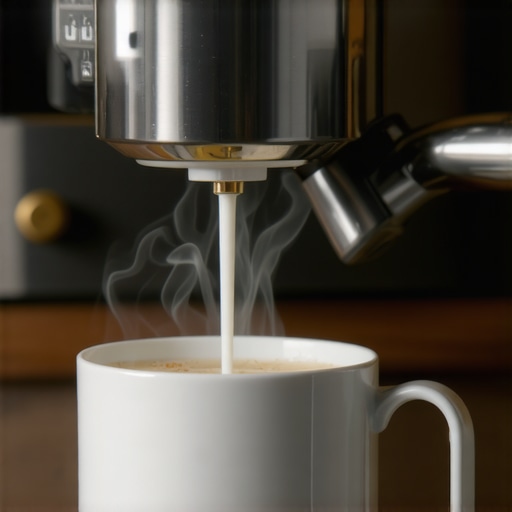
I remember the first time I was halfway through frothing milk for latte art when suddenly, the steam pressure dropped completely. The silky foam dissolved into a pool of warm liquid, and I was left frustrated, wondering what went wrong. It was a lightbulb moment for me—realizing that even small issues with pressure can turn a perfect espresso shot into a disappointment. If you’ve ever experienced this, you’re not alone. That abrupt loss of steam power can be maddening, especially when you’re trying to impress guests or elevate your home barista game.
In this post, I’ll guide you through why your steam pressure might be dropping midway through frothing and, most importantly, how to fix it. No more guessing games or expensive repairs—just practical steps based on real-world experience.
Don’t Let Pressure Drop Spoil Your Frothing Joy
Maintaining consistent steam pressure is crucial for creating that perfect, velvety microfoam. When pressure drops suddenly, it can be caused by several simple yet sometimes overlooked factors. Early on, I made the mistake of assuming my machine needed a costly part replacement without troubleshooting the basics, which only led to frustration. Learning to identify and address these common issues has saved me hundreds and improved my coffee at home every single time.
Many home baristas face this problem without realizing that a few tweaks or routine maintenance might be all that’s needed. For example, mineral buildup or a worn-out gasket can cause inadequate pressure. Understanding what’s happening inside your machine can transform your brewing experience, and I’ll share how to do just that below.
Is Your Pump Failing or Just Dirty? A Common Concern
If you’re worried that your pump is not powerful enough, you’re right to consider it. But before rushing to replace parts, think about cleaning and inspecting. Scale build-up can restrict water flow and drastically reduce pressure. Regularly flushing your machine, much like cleaning the heat exchanger, can prevent this issue. To learn how to keep your equipment in top shape, check out this guide on why your steam wand spits water — many causes mirror the pressure drop problem.
Another common mistake is ignoring the condition of your gaskets or seals. A worn gasket won’t hold the pressure properly, leading to inconsistent steam. Replacing these can be a game-changer. Remember, sometimes the simplest fixes—like descaling or replacing a gasket—are enough to restore your machine’s performance, saving you from costly repairs down the line.
Are you facing this issue with your espresso machine, or perhaps it’s a recurring frustration? If so, stay tuned—next, we’ll dive into practical steps you can take today to troubleshoot and fix the problem, so your frothing is smooth, consistent, and perfect every time.
Clean the Water Path Regularly
Start by flushing your machine to eliminate mineral buildup, which can restrict water flow and cause pressure drops. Use the machine’s cleaning program or run a descaling solution through the water circuit. I once forgot to descale for months, and my pressure plummeted mid-frothing, resulting in weak microfoam. After a thorough descale, pressure stabilized, and frothing became smooth again.
Inspect and Replace Worn Gaskets
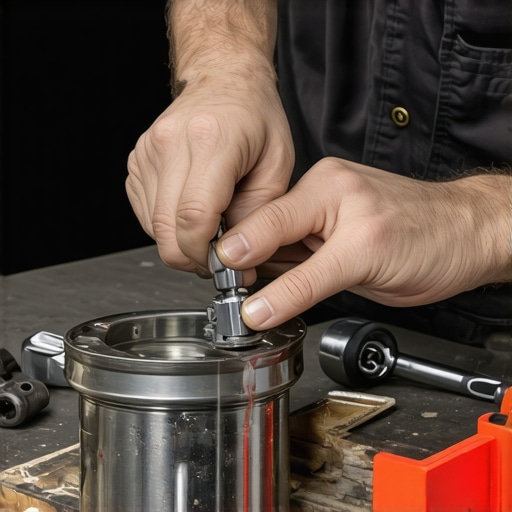
Check the gasket around the group head for signs of wear or tears. A worn gasket can’t seal properly, leading to pressure leaks. Replace it following your machine’s manual—it’s a simple task with a screwdriver. I replaced mine with a new gasket and immediately noticed more consistent pressure during steaming. This step is crucial, especially if your machine is a few years old.
Verify Water Hardness and Use Filtered Water
Hard water deposits can clog internal channels, causing pressure issues. Use filtered or softened water to prevent scale buildup. I noticed my machine’s pressure fluctuated more when I used tap water before installing a home water softener. Switching to filtered water resulted in stable pressure and improved foam quality. Consider testing your water hardness and adjust accordingly.
Descale the Heat Exchanger and Group Head
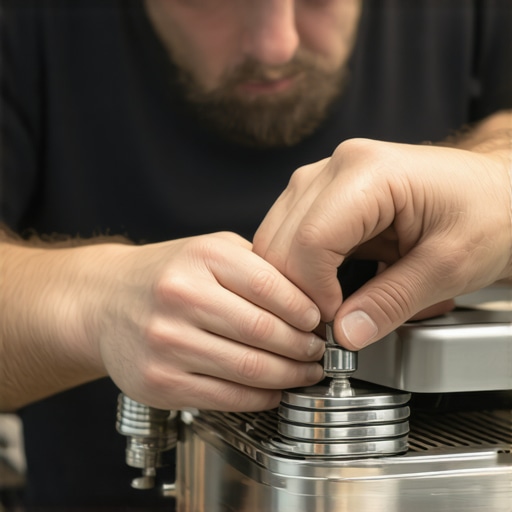
This involves flushing descaling solution through internal passages. For heat exchanger machines, run a descaling cycle following the manufacturer’s instructions. Open the valves and circulate the solution, then rinse thoroughly. I followed a step-by-step guide to descale my heat exchanger, which restored consistent steam pressure. Regular descaling prevents buildup that causes pressure drops.
Check and Confirm Pump Operation
Listen for irregular pump noises or insufficient vibration—indicators of a failing pump. Use the pressure gauge as a diagnostic tool; a sudden drop might mean the pump can’t generate enough pressure. If you suspect pump issues, consider consulting a professional or replacing the pump, especially in older models. I replaced my pump after troubleshooting, and the pressure remains steady now.
Routine Maintenance for Consistent Pressure
Regularly clean all removable parts, including the portafilter, group screen, and shower head. Use a toothpick or needle to clear blocked holes. Keep the machine’s exterior clean and free from dust. Schedule monthly descales and gasket checks—these small habits prevent pressure drops and improve overall performance. I added a maintenance checklist and saw immediate improvements in steam consistency.
When it comes to stubborn myths about espresso gear and home brewing, many enthusiasts fall into the trap of oversimplification. For instance, everyone talks about premium beans making the difference, but in reality, factors like basket size and distribution often have a greater impact on shot quality than the brand of the beans. Believing that high-end machines automatically produce better espresso ignores the crucial role of calibration and grind consistency, which I explore in detail here.
Investing in the Right Gear for Long-Term Success
As a dedicated home barista, I can’t emphasize enough the importance of using quality tools to ensure consistent results and ease of maintenance. One staple in my setup is a precise coffee grinder like the Baratza Virtuoso+, which allows me to dial in grind size perfectly and easily perform calibration checks— I recommend regularly calibrate your grinder to maintain consistency. Having a digital scale that measures to 0.1 grams is essential for accurate dosing, preventing over- or under-extraction, and it helps track your progress over time.
For espresso machines, I prefer models with reliable pressure gauges and easily accessible service ports, making routine cleaning and descaling straightforward. The steam wand maintenance is critical for long-term performance, and investing in a quality cleaning brush and descaling solutions saves me money and headaches in the long run.
How do I maintain my coffee setup for years of reliable brewing?
Consistent maintenance involves a few deliberate practices: weekly backflushing the espresso head with a cleaning detergent, regularly replacing worn gaskets, and thoroughly descaling the internal passages to prevent scale buildup—factors that directly influence pressure stability during extraction and steaming. I also recommend keeping a dedicated toolkit, including a knockbox, tamper, and precision grinder adjustment tools, to streamline your daily routine. These small but vital investments in your tools reduce downtime and help you develop a reliable, enjoyable brewing process.
Looking ahead, the trend is moving toward smarter, more connected espresso equipment with integrated diagnostics and maintenance alerts. Companies are integrating apps that track usage and suggest service intervals, making maintenance more proactive. I believe that in the near future, being proactive with your gear will be the best way to preserve performance and achieve barista-level consistency at home.
Questions to keep your gear performing for years to come
How do I maintain my espresso machine and grinders over time? Start by following routine cleaning schedules, performing calibration checks, and replacing worn seals promptly. Using tools like a brush kit for grinder maintenance makes deep cleaning quicker and less stressful. Additionally, keeping your water quality in check and descaling regularly will prevent scale buildup, which can impair pressure and steam capabilities. Suppose you want to optimize your workflow further: consider installing a magnetic mirror inside your grinder chute to quickly identify retained coffee grounds—this simple upgrade helps prevent stale flavors from contaminating fresh brews and extends your equipment’s lifespan.
Paying attention to these details now ensures your gear stays in excellent condition, producing consistent espresso shots and creamier frothed milk over many years. As the trend of home barista culture grows, so does the importance of maintaining high-quality tools—your future self will thank you for the investment.
Learning the Hard Way: My Unexpected Pressure Lessons
One of the most revealing moments in my journey as a home barista came when I assumed that a little extra tamp pressure or a fancier grinder would instantly improve my latte art. Instead, I discovered that inconsistent steam pressure often traced back to overlooked details—like mineral buildup or worn seals—that I had dismissed as minor. This taught me the value of patience and meticulous maintenance, especially knowing that tiny issues could undermine my entire setup.
Over time, I learned that frequent descaling, gasket replacements, and water quality checks weren’t just chores; they were integral to achieving that silky microfoam and perfect extraction. These personal lightbulb moments underscored a simple truth: superior equipment and techniques are only as good as your routine maintenance allows. Embracing this mindset has elevated my coffee game more than any high-end machine ever could.
Gear Up for Success: Tools That Changed My Home Espresso Experience
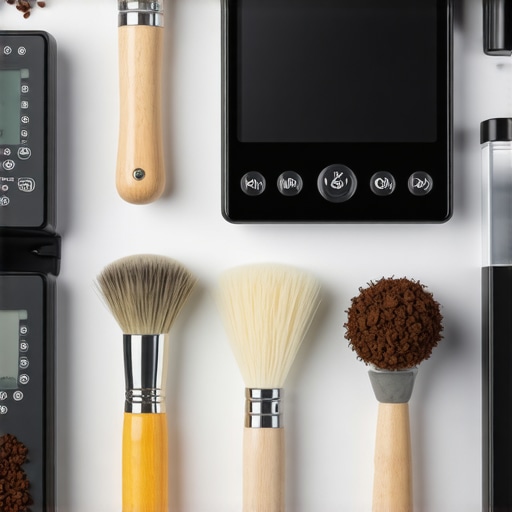
Having reliable tools makes all the difference. I swear by my calibrated grinder, which I never miss maintaining, and my digital scale that ensures perfect dosing every time. For anyone serious about consistent espresso, investing in a quality calibrated grinder and a precise scale is a game-changer. Additionally, regular use of a cleaning brush, a good gasket kit, and filtered water significantly cut down on pressure issues stemming from scale and seal degradation. These resources have been invaluable in my pursuit of barista-level results, and I recommend them wholeheartedly for anyone looking to level up their home setup.
Your Turn to Brew: Embrace the Micro-Details
If you’re passionate about consistent pressure and impeccable frothing, remember that the secret is in the details. Routine cleaning, water quality, and simple part replacements keep your equipment performing at its best. Don’t let overlooked maintenance undermine your efforts—think of it as a small investment that pays off in rich crema and velvety milk every time. Now is the perfect moment to take proactive steps. Which routine maintenance task will you tackle first to improve your pressure stability? Share your thoughts below and join the community of dedicated home baristas striving for excellence every day.