
How to get rid of the moldy smell in your water reservoir
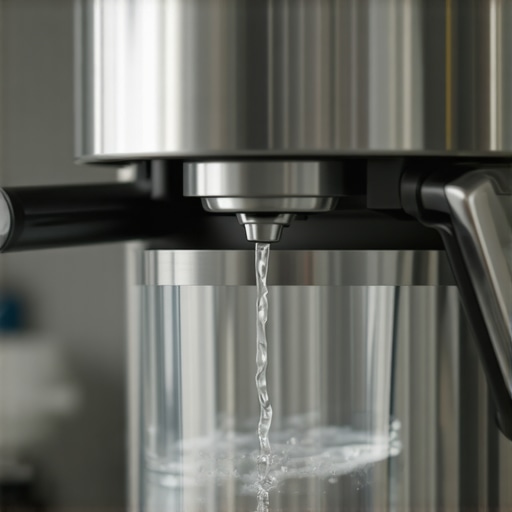
One morning, as I reached for my beloved espresso machine, I was met with an unexpected, unpleasant surprise—the unmistakable scent of mold wafting from my water reservoir. It was a lightbulb moment for me; I had ignored that faint odor for too long, dismissing it as just a minor inconvenience. But that day, I realized it was a sign of a deeper problem that could impact the quality of my coffee and, more importantly, my health.
Why a Moldy Water Reservoir Can Ruin Your Coffee—and Your Day
That moldy smell isn’t just a nuisance; it’s a red flag indicating bacterial and mold growth in your water supply. These microbes thrive in damp, stagnant environments like water reservoirs, especially if you forget to clean them regularly. According to the CDC, mold exposure can lead to respiratory issues and other health problems—a concern that’s often overlooked by home baristas eager to brew their next shot.
Let me ask you—have you ever noticed that faint, musty odor when refilling your water tank? Or perhaps your coffee tastes a bit off lately? Trust me, you’re not alone. That smell is more than just unpleasant; it’s a sign that your machine needs a thorough cleaning. Ignoring it can cause buildup and stubborn mold colonies that are tough to eliminate once they’re established.
Is this problem really worth bothering about, or is it just an aesthetic issue?
In my early days, I made the mistake of ignoring that faint smell, thinking a quick rinse was enough. Turns out, I was letting mold spores settle into hidden corners, making my machine a breeding ground. Proper maintenance isn’t just about maintaining the shiny exterior; it’s about ensuring every cup of coffee is safe, fresh, and free from unwelcome flavors. For a deeper dive into cleaning techniques, check out my guide on natural cleaning solutions.
So, what can you do to banish that moldy smell and keep your water reservoir pristine? Stay tuned—I’ve got some proven methods that turned my frustrating mornings into delicious, worry-free coffee moments. Let’s roll up our sleeves and get your machine smelling fresh again!
Start with an Empty Reservoir and Disassemble
Remove the water tank from your espresso machine, just like taking out a drawer. Empty any remaining water and disassemble any removable parts, including filters or foam inserts. This initial step prevents old, stagnant water from contaminating your cleaning process and sets the stage for a thorough sanitization.
Prepare a Natural Cleaning Solution
Mix equal parts white vinegar and water to create an effective, natural disinfectant. Alternatively, use a specialized descaling solution designed for coffee machines. Avoid harsh chemicals that can leave residues or damage machine components. I once used a lemon-based solution, which not only cleaned but also left a fresh citrus scent—making the process more pleasant.
Soak and Scrub the Reservoir
Pour your cleaning mixture into the reservoir and let it sit for at least 15 minutes to loosen mold spores and mineral deposits. Use a soft brush or sponge to scrub all surfaces, paying special attention to corners and joints where mold might hide. Remember, a gentle touch prevents scratching plastic parts, preserving the reservoir’s integrity.
Rinse Thoroughly and Reassemble
After scrubbing, rinse the reservoir with clean, cold water multiple times to remove any residual vinegar or cleaning solution. Proper rinsing is crucial; lingering residues can affect your coffee’s flavor and smell. Once rinsed, reassemble the parts, ensuring they snap back into place securely. Once I missed a step once, and the next brew had a harsh vinegar aftertaste—never again.
Run a Water Cycle Without Coffee
Fill the reservoir with fresh water and run a full cycle through your machine without brewing coffee. This flushes out any remaining cleaning agents and ensures the system is free of cleaning residues. Repeat this step at least twice for complete peace of mind.
Maintain Regular Cleaning Routine
To prevent mold from returning, clean your reservoir weekly using this method. Keep an eye out for any mold or musty smell, and act quickly. A consistent routine preserves not only your machine’s health but also the flavor clarity of your coffee, avoiding those unsettling off-flavors caused by microbial growth. Regular maintenance is simpler than dealing with stubborn mold colonies, which can be as persistent as sealants around the filter basket—check out https://espressotechguide.com/why-your-portafilter-basket-is-impossible-to-pop-out for tips on maintaining these critical components.
Many coffee enthusiasts operate under misconceptions that can hinder their journey to barista-level excellence. Let’s dig deeper into some nuanced pitfalls and advanced mistakes that even seasoned home baristas might overlook, challenging common beliefs with a contrarian perspective. Everyone says that grinders need to be calibrated solely based on grind size adjustments, but in my experience, the real key lies in understanding the precise calibration of your grinder after changing burrs. This subtle but crucial step ensures consistent particle size, which directly impacts extraction and flavor clarity.
Are Your Espresso Machines Truly Maintaining Optimal Pressure?
Many believe that setting the correct pressure is as simple as adjusting the dial. However, the hidden air pockets inside pump mechanisms can cause fluctuations, leading to uneven extraction and inconsistent shots. Recognizing these nuances can prevent costly repairs and improve shot quality significantly.
A common trap involves milk frothers that are thought to be a simple accessory. In reality, many home frothers don’t deliver the microfoam needed for latte art mastery. For example, the secret to perfect microfoam involves much more than just using the right steam wand or frothing technique—it’s about controlling temperature, texture, and even initial milk quality.
Adding to the confusion, many assume that dark roasted beans are always better for espresso. Conversely, they tend to jam the grinder’s auger and create clogs. Understanding how roast level influences bean structure and grind retention is an advanced nuance that can save you money and improve consistency.
Ever struggled with a spraying portafilter? The root cause might be a combination of tamping technique and portafilter alignment—many home baristas overlook the importance of proper distribution and sealing. Check out my detailed guide on portafilter basket fixation and removal issues to see how small adjustments can lead to big improvements.
When stepping into the world of home espresso, it’s tempting to assume that high-end gear guarantees perfection. However, the truth is that DIY maintenance and understanding of mechanical intricacies often matter more. Whether it’s clearing a stuck solenoid valve or calibrating your grinder, mastering these skills pays off. Learn to troubleshoot rather than replace components blindly.
In summary, the road to exceptional home brewing isn’t just about buying the latest gear but understanding the nuanced dance between machine mechanics, grind consistency, and technique. Do you think you might be falling prey to some of these myths? Let me know in the comments!
Choosing the Right Tools for Longevity and Precision
Investing in high-quality, reliable equipment is the cornerstone of maintaining your home espresso setup. I personally swear by a calibrated digital scale like the AccuWeight 1000 because it provides consistent measurements, essential for perfect extraction. A good tamper—ideally one that fits your portafilter precisely—ensures even pressure distribution, reducing channeling and uneven shots. Remember, portafilter basket maintenance is often overlooked but impacts extraction quality significantly.
Streamlining Routine Maintenance for Long-Term Results
Regular cleaning schedules are vital. I recommend disassembling your water reservoir weekly and soaking it in a natural cleaning solution like white vinegar diluted with water. For stubborn buildup, thorough scrubbing with a soft brush helps prevent microbial growth, which can compromise both machine longevity and coffee flavor. Keep an eye on parts like the air pockets in the pump—they can silently cause pressure inconsistencies, leading to subpar shots over time. Schedule monthly descaling using manufacturer-approved solutions, as calcified deposits are relentless and can harm your boiler’s efficiency.
Tools I Recommend to Keep Everything Running Smoothly
Beyond basic gear, I rely on a stuck solenoid valve cleaner that helps me address airflow issues swiftly. Also, a burr calibration kit is indispensable whenever I replace or sharpen my grinder burrs, ensuring particle consistency. For maintenance between deep cleanings, compressed air can clear grinder chutes and ports effectively, especially when dealing with oily beans that tend to clog parts, as highlighted in this guide.
Extending Equipment Lifespan with Smart Practices
Don’t overlook routine inspections of seals and gaskets—signs of wear can lead to leaks and pressure drops. Applying a small amount of food-safe silicone lubricant can prolong their usability. Additionally, consider temperature calibration for your boiler; tiny adjustments can prevent premature scale buildup and improve shot consistency, aligning with expert insights from industry-standard calibration techniques.
How do I maintain my espresso gear over the long run?
Keep detailed maintenance logs—this helps identify recurring issues and plan preventive actions. Always use the right cleaning agents and avoid harsh chemicals that can degrade machine components. For example, periodically flushing your system with a dedicated cleaner eliminates hidden residues that cause flavor degradation and mechanical wear. Stay proactive: regularly inspect parts like valves and seals, replacing them before failures occur. Remember, mastering these routine practices extends your equipment’s life and keeps your coffee tasting consistently excellent.
For a quick upgrade, try incorporating a tamper with the perfect diameter—it can make a significant difference in dispersion. Small improvements like this empower you to brew barista-quality espresso day after day.
Lessons You Won’t Find in Default Settings
My biggest lightbulb moment about home espresso came when I realized that even the tiniest detail—like the irregularity in tamping pressure—could make or break my shot. I once believed that dialing in my grinder was enough, but shifting my focus to consistent distribution and tamping technique transformed my results entirely. It taught me that mastery involves understanding the subtleties, not just the major adjustments.
Another lesson was about maintenance routines. I used to think a quick rinse every now and then sufficed. It wasn’t until I incorporated weekly reservoir cleaning and monthly descaling that I truly noticed a difference in flavor clarity and machine reliability. It’s these small, disciplined habits that safeguard your equipment and elevate your coffee game.
Most surprisingly, I learned that the hidden air pockets inside my pump could subtly cause pressure fluctuations, leading to inconsistent shots. Discovering this with the help of this guide on air pockets revealed why some mornings I struggled even after careful calibration. It was a reminder that even unseen factors can influence your brewing perfection.
My Toolbox For Coffee Confidence
A few tools revolutionized how I approached maintenance: first, a calibrated digital scale ensures my doses are precise, leading to consistent extraction. Next, a quality tamper with the right diameter makes distribution foolproof, which I learned from this detailed explanation. Lastly, a stuck solenoid cleaner saves me from time-consuming repairs. These tools form the backbone of my daily routine, creating a reliable foundation for high-quality espresso.
Finding Motivation in Your Daily Coffee Ritual
Remember, every cup you craft is a personal achievement—each shot a reflection of your care and curiosity. Embracing the complexities and imperfections in home espresso is part of the journey toward mastery. Don’t shy away from experimenting with your machine, mastering maintenance, and learning new techniques. The more you invest, the more your coffee will reward you with depth and character. I invite you to share your experiences below—what’s one secret you’ve uncovered that improved your espresso game? Your story could inspire fellow enthusiasts to elevate their craft. Keep brewing with passion—your perfect cup is within reach.