How to Level Your Machine to Fix Uneven Espresso Pours
I remember the first time I brewed a shot that looked like a city skyline—uneven, lopsided, and completely unappetizing. I was convinced my machine was broken or that I needed some elusive, expensive upgrade. Turns out, the culprit was something much simpler: my machine wasn’t properly levelled. That moment was a lightbulb for me—something so seemingly basic can ruin an otherwise perfect espresso.
If you’ve ever pulled a shot and noticed it pouring unevenly, dripping on one side or just not flowing smooth as silk, you’re not alone. It can be downright frustrating, especially when you know the coffee itself is good. But here’s the good news: you don’t need to be a professional barista—or have fancy tools—to fix this. With a little bit of guidance, you can get your machine perfectly level, ensuring your shots pour evenly, blending that rich crema on top, and tasting just how the baristas intend.
Why Your Espresso Pours Not Cooperating Could Be a Leveling Issue
Before we get into the nitty-gritty, I want to emphasize that a lot of brewing problems come down to a simple fix: leveling your machine. It might seem trivial, but an unsteady setup causes uneven pressure, uneven tamping, and ultimately, uneven pours that can ruin an otherwise stellar espresso. The key is understanding how your equipment’s position impacts extraction, and trust me, it’s more critical than you think. According to research from the International Journal of Food Science & Technology, uniform pressure during extraction is vital for consistency and flavor accuracy. Even small deviations can lead to flavor imbalance—sourness, bitterness, or a watery shot.
That was an early mistake I made—ignoring the importance of a level machine—and I paid dearly in taste and consistency. Once I started paying attention to this factor, everything changed. Now, I want to help you avoid the same pitfalls and get your espresso game on point.
So, have you ever faced this uneven pouring issue and wondered if it could be something as simple as leveling? If yes, stay tuned. We’re about to dive into the step-by-step process to get your machine perfectly flat, so your pours are even, your shots flawless, and your mornings much smoother.
Will leveling your machine really make that much difference?
Absolutely. When I first started adjusting the level of my machine, my shot consistency improved dramatically. It’s a small tweak that yields big results—more crema, even flow, and better flavor extraction. It doesn’t require costly gadgets—just a good spirit, some patience, and maybe a few household tools. Ready to fix this once and for all? Let’s get started.
.
Check and Prepare Your Workspace
Before you start, clear your area and gather essential tools: a spirit level, a towel, and a small wrench if needed. Clear the surface to prevent anything from falling and make the process smoother. I once tried leveling on a cluttered countertop, which made the process frustrating—since the machine kept wobbling. So, a clean, stable workspace is key.
Place Your Machine on a Flat Surface
Set your espresso machine on a sturdy, flat countertop. Use your spirit level to verify the surface itself is even. If the surface is uneven, consider placing a sturdy, level board underneath. I did this when my granite countertop was slightly tilted—placing a thin plywood piece solved the issue. This ensures your efforts aren’t compromised by the surface below.
Use a Spirit Level to Check the Machine’s Level
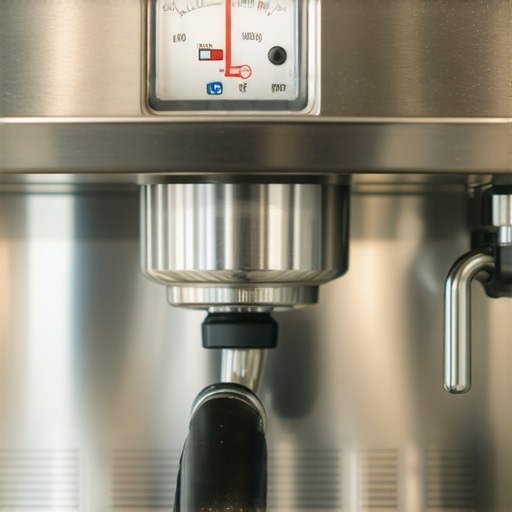
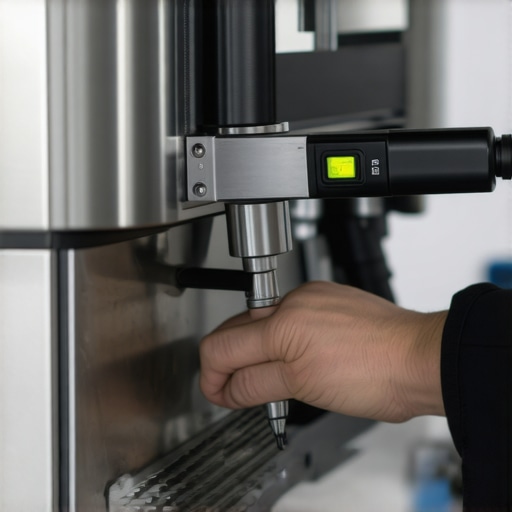
Place the spirit level on top of your machine, aligning it from front to back and side to side. Adjust the machine’s feet to achieve a level position. For machines with adjustable feet, turn them clockwise or counterclockwise to raise or lower each corner. I once spent 10 minutes adjusting to get the bubble dead center—small adjustments yield big results in pour quality.
Adjust the Machine’s Feet Properly
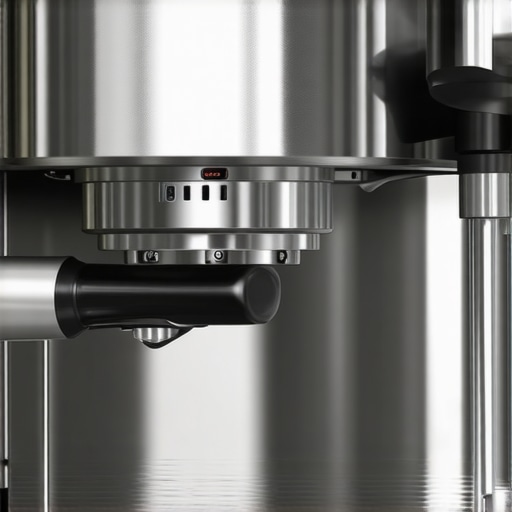
Some machines have adjustable feet or screws. Loosen or tighten these carefully using a wrench or your hands if possible. Use the spirit level as your guide, ensuring the bubble stays centered in both directions. Be precise—overcorrecting can tilt the machine in the opposite direction. Once set, tighten the adjustments firmly to prevent movement during use.
Recheck the Level After Adjustments
After making adjustments, re-place the spirit level and verify the levelness. Sometimes, moving one foot affects others, so double-check all corners. I recommend testing this a couple of times to ensure stability. Any wobble can translate into uneven tamping or pressure, impacting extraction quality.
Test with a Practice Shot
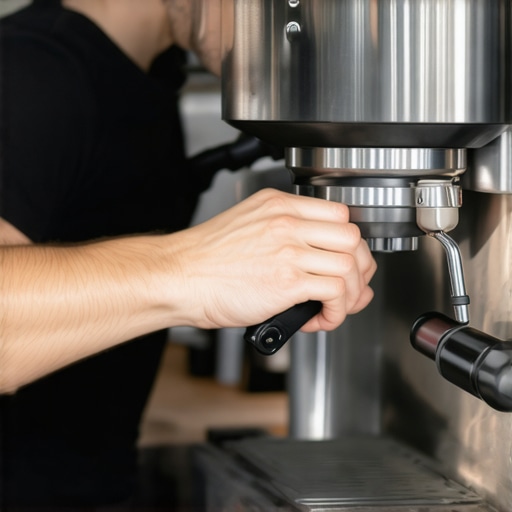
Pull a test shot to observe the pour. An evenly leveled machine will produce a concentric, even flow with a rich crema. If the pour is still uneven, revisit the leveling process and make minor tweaks. Remember, patience here improves your shots immensely—just like during my first real attempt, where a little more leveling resulted in consistent, gorgeous pours every time.
Maintain Your Setup Regularly
Over time, vibrations or accidental knocks can throw off your leveling. Schedule periodic checks—especially if you move your machine or notice inconsistent pours. A quick spot check keeps your espresso game sharp and helps prevent wasted beans or disappointing shots.
Want to explore more about your equipment? Check out top-rated espresso machines to find a stable, high-quality model, and always choose one designed with sturdy, adjustable feet for easy leveling.
<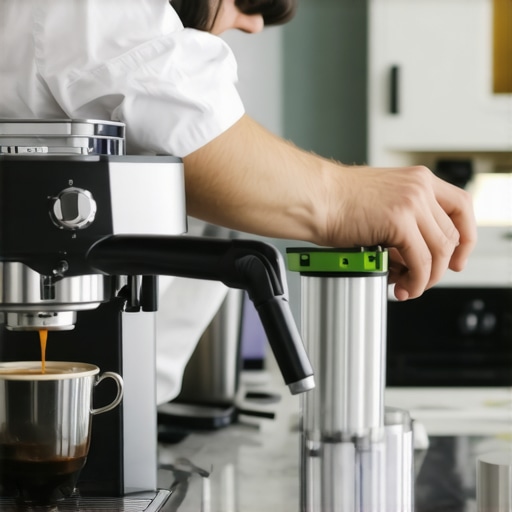 >Many home baristas believe that investing in high-end gear guarantees perfect espresso, but in my experience, this isn’t the whole story. For example, a popular myth is that more expensive grinders automatically produce better results. While quality equipment matters, mastering your grinder’s settings and understanding the nuances—like humidity affecting grind consistency—are equally vital. Ignoring these details often leads to disappointment, even with premium machines. Furthermore, some enthusiasts assume that milk frothers alone will elevate their latte art; however, the technique and milk temperature play more critical roles in achieving barista-quality microfoam. It’s easy to overlook these subtleties, leading to common mistakes like over-heating milk or using the wrong foam wand settings. For advanced brewers, questioning whether their espresso machine’s pressure stability impacts shot quality is essential. Studies have shown that maintaining consistent pressure between 8-9 bars is crucial for optimal extraction, which isn’t always achieved by default settings—so regular calibration is key. Be wary of the trap of believing that simpler is always better; complex equipment can perform at its best when fine-tuned correctly. Remember, the difference between a good shot and a great one often lies in paying close attention to these details and not just relying on equipment alone. Want to dive deeper into selecting the perfect grinder? Check out our guide on how to choose the right coffee grinder. And never underestimate the importance of routine maintenance—keeping your gear in top shape prevents many common issues.
Achieving the perfect espresso is only part of the journey; maintaining your gear and choosing the right tools ensure you keep that barista-quality shot consistently. When I first started, I underestimated the importance of proper maintenance, often pushing my machine to its limits without regular care. Now, I understand that investing in quality tools and following a disciplined maintenance routine not only prolongs the lifespan of your equipment but also preserves the nuanced flavors that make espresso so rewarding.
One tool I personally swear by is a high-precision digital calibration scale. It allows me to measure coffee doses and shot weights with absolute accuracy, leading to more consistent results. Unlike generic kitchen scales, dedicated espresso scales, like the one I use, offer a tare function combined with fast response times, essential for fine adjustments during brewing. Regularly calibrating your scale is crucial—shifts in weight readings due to battery drain or environmental factors can subtly throw off your dosing, affecting flavor and extraction.
Another critical component is your cleaning toolkit. I recommend a set of small, dedicated brushes designed for cleaning group heads, shower screens, and portafilters. Proper cleaning prevents oil buildup and channeling issues, which directly impact shot quality. Additionally, a chemical-free descaling solution is indispensable, especially for those using hard water. Regular descaling, following manufacturer guidelines, ensures your boiler’s pressure and temperature stability—key factors highlighted in studies like those from the Pressure Stability article—remain optimal over time.
Maintaining your espresso machine’s essential components like gaskets, filters, and pipes is equally important. I schedule bi-annual deep maintenance sessions, including replacing worn gaskets, lubricating moving parts, and inspecting electrical connections. For this, I rely on a precision screwdriver set with micro-tips, allowing me to work without damaging delicate parts. Investing in these tools minimizes downtime and costly repairs in the long run.
Looking ahead, I predict that automation and smart diagnostics will play larger roles in home espresso maintenance. Tech like Bluetooth-enabled sensors can alert you when descaling is needed or if pressure drops unexpectedly, making upkeep more straightforward and less guesswork. Companies are already developing advanced machines with integrated diagnostics, indicating a future where maintenance becomes more intuitive.
How do I keep my espresso gear performing year after year? Establishing a routine of regular cleaning, calibration, and part replacement is paramount. For instance, I set reminders every three months to descale and check gasket conditions—simple habits that save money and keep my shots impeccable. Using dedicated tools tailored for espresso maintenance—like the precision grinder brushes and calibration weights—makes the task more manageable and effective.
If you’re serious about long-term results, don’t overlook the value of a comprehensive maintenance kit that includes gaskets, filters, and descaling solutions. Now’s the time to invest in quality tools—your taste buds will thank you. Remember, a well-maintained machine is more than just reliable; it’s the foundation for extraordinary espresso every morning.
Ready to elevate your maintenance game? Start by acquiring a precision scale and scheduling your first deep clean this week. Your future self will thank you for the clear, rich shots that come from caring for your gear as diligently as you care about your coffee.
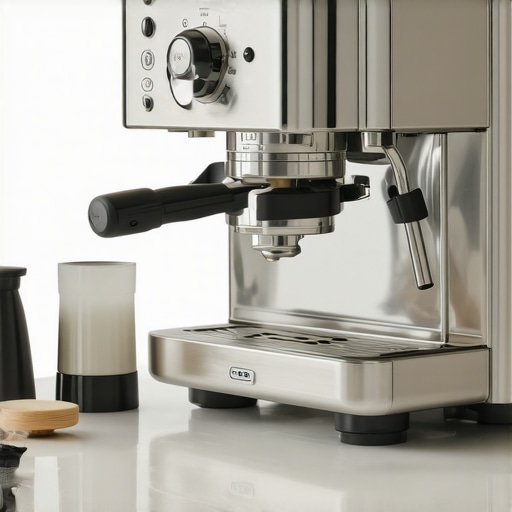
Over the years, I’ve learned that the journey to perfect home espresso isn’t solely about high-end equipment or exotic beans—sometimes, it’s about paying attention to the fundamentals. One lesson that dramatically improved my brewing consistency was mastering my machine’s level. It’s a simple tweak that unlocks a new level of flavor and presentation. Once I realized how much a slight tilt could distort my shots, everything changed. I started to see that, in espresso brewing, the devil truly is in the details.
My advice? Don’t overlook the importance of a properly leveled machine. It’s the foundation that ensures even pressure, optimal extraction, and visually appealing pours. Think of it as laying the groundwork for your latte art dreams or that perfectly balanced shot with a thick crema. When I recommend this, folks often tell me, “That sounds too simple to work.” But believe me—once I embraced this practice, my shot quality was consistently elevating, and so can yours.
Whispers from the Barista World: The Unexpected Power of Leveling
Throughout my espresso journey, I’ve discovered that even seasoned professionals swear by meticulous machine leveling. It’s like a secret handshake in the coffee world—respected but often taken for granted. I remember a time when I thought my grinder or machine settings were the culprits for inconsistent shots. After some trial, I realized that my machine was slightly tilted on the counter, causing uneven tamping and poor pressure distribution. Once corrected, that “troublesome shot” became a thing of beauty. This experience taught me the invaluable lesson that sometimes, the most straightforward fixes are the most impactful.
Moreover, I found that maintaining a level setup helps when experimenting with new beans or adjusting grind sizes. Changes become more predictable, and troubleshooting gets easier. It’s like aligning your mind and tools for better results every time. Trust me, this minor step can save you hours of frustration and cost less than a fancy gadget. Why not give your machine a quick check today and enjoy the difference?
Gear Up for Precision—Your Next Level Awaits
Getting serious about leveling means also investing in a few simple tools. A good quality spirit level is a game-changer—cheap, reliable, and easy to use. Pair that with a sturdy, flat surface and some patience. If your countertop isn’t perfectly flat, don’t worry; adding a thin plywood or leveling pad can make all the difference. I’ve also found that adjustable machine feet are worth considering if you’re upgrading or planning to keep your setup long-term. They make fine-tuning a breeze and give peace of mind during busy mornings.
For a comprehensive approach, check out the latest top-rated espresso machines designed with sturdy, adjustable feet—making leveling effortless. Remember, perfecting your setup pays dividends in shot quality, crema richness, and overall enjoyment. Don’t wait for a “bad shot” to realize the importance of leveling; integrate this step into your routine and witness your home espresso rise to barista standards.
Refuse to Accept Less—Elevate Your Routine
If you’re serious about enjoying flawless espresso every day, take this as your call to action. Grab that spirit level, tidy your workspace, and give your machine the attention it deserves. These small adjustments, combined with consistent maintenance, bring sustained improvements and transform your espresso experience. Remember, the stakes are high—every shot counts, and your dedication will reward you with more delicious, beautiful coffee moments. So, are you ready to level up your home espresso game? Share your leveling adventures below or tag your setup photos. I can’t wait to hear about your progress!
Intrigued by how a tiny tweak can impact your brewing? Drop a comment and let’s chat about your leveling journey!