Stop soaking your steam wand: a better way to clear milk crust
I remember the first time I faced the dreaded milk crust buildup on my espresso machine’s steam wand. Trying to scrub it off with a rag or soaking it overnight was always messy and ineffective. One morning, after a particularly frustrating attempt to clean it, I had a lightbulb moment: there had to be a smarter way. That revelation changed my approach entirely, saving me time and preserving my machine’s performance.
Why Your Steam Wand Gets Clogged and How It Affects Your Coffee Routine
Most home baristas don’t realize that the real issue isn’t just the stubborn milk crust—it’s the way we attempt to clean it. Soaking the wand might seem logical, but it often leads to more problems, like pushing milk residues deeper into the joint or damaging delicate seals. Regularly battling milk crust can make the process seem daunting, and the fear of damaging your equipment might make you hesitant to clean thoroughly, leading to a vicious cycle of buildup.
Furthermore, neglecting proper cleaning can impact the quality of your textured milk and even cause mechanical issues over time. According to experts, milk crust doesn’t just look unprofessional; it can harbor bacteria and deteriorate your equipment if not addressed properly. Yet, many enthusiasts still rely on soaking or aggressive scrubbing—methods that aren’t always effective or safe for your machine.
So, what’s the secret to keeping your steam wand pristine without resorting to unreliable soaking sessions? I found that understanding the root cause of milk crust formation and adopting a targeted cleaning strategy made all the difference. Plus, there’s a simple technique that can prevent buildup before it even starts. Curious to learn more? Let’s dive into the most effective method I’ve discovered for maintaining a clean, functioning steam wand.
Have you ever struggled with stubborn milk crust and wondered if there’s an easier solution?
Early in my barista adventures, I made the mistake of assuming soaking was the best way to clear milk residues. It wasn’t until I researched and experimented that I realized a proactive, brief cleaning routine beats soaking every time. Remember, a dirty steam wand isn’t just an annoyance—it can affect your entire coffee experience. Stay tuned for the practical steps that will simplify your cleaning routine and keep your machine in top shape. For more tips on maintaining your equipment, check out Mastering the art of home espresso.
Get Ahead with Quick, Targeted Cleaning
Before you tackle stubborn milk crust, gather your essentials: a damp microfiber cloth, a toothbrush with soft bristles, and a specialty steam wand cleaner spray. I remember the first messy attempt I made; milk residue splattered everywhere because I used a rough scrub and too much force. That experience taught me that precision matters. Use the microfiber cloth to wipe off loose milk, then spray the cleaner onto the wand’s tip, waiting just a few seconds for it to loosen the crust. This pre-treatment makes the next steps much smoother.
Use the Right Tools for a Clean Scan
Think of your steam wand as the nozzle of a watering can. Just as you wouldn’t expect a garden hose to work well without a nozzle, you need proper tools. A silicone-tipped cleaning brush can gently scrub the tip without damaging the seals. For the interior, a small pipe cleaner or a dedicated wand cleaning tool works wonders. When I applied this method after a latte art session, the crust loosened effortlessly, and my wand looked brand new—no soaking required.
Implement a Regular, Fast Routine
Consistent maintenance beats deep cleaning. After each use, wipe the wand with a damp cloth to prevent milk deposits from solidifying. I set a timer to remind myself to do a quick brush and wipe—this habit saved me from weekly scrubbing marathons. Think of it like brushing your teeth; daily care prevents cavities. Regular quick cleans keep the crust at bay and ensure your machine performs optimally.
Hot Water Flush to Remove Residue
After brushing, run a brief steam purge or hot water flush through the wand. This step rinses away loosened deposits and prevents buildup. During one busy morning, I gently purged the wand with hot water after each session, which kept milk crust formation minimal. For a more thorough deep clean, consider a scheduled routine using a specialized espresso machine cleaner—just follow the instructions carefully to avoid damaging seals or internal parts. Regular flushing ensures no milk residue sneaks past your defenses.
Preventative Tips to Keep Milk Crust at Bay
Prevention is better than cure. Use a good-quality milk frother with fine temperature control, and always clean your milk pitcher thoroughly after each use. Additionally, adjusting your steaming technique—like using lower pressure—can reduce milk spray and deposition. When I started paying attention to pour temperature and steam pressure, the crust became a thing of the past, and my cleaning routine simplified significantly. For more tips on choosing the right milk frother, visit this guide.
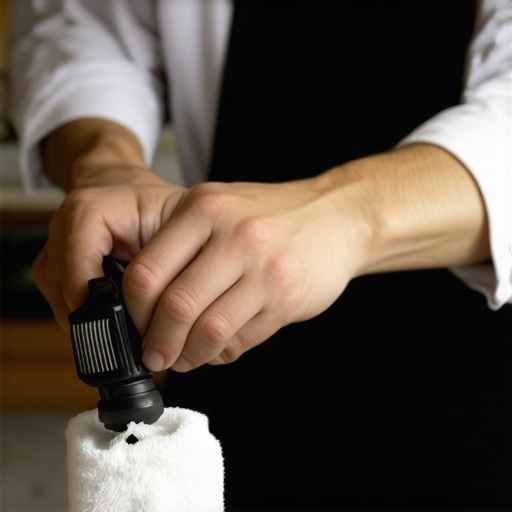 While many coffee enthusiasts focus on upgrading their machines or grinders, few realize that misconceptions about equipment often hinder their progress. For instance, some believe that expensive gear always produces better espresso, but this isn’t necessarily true—it’s about how you use and maintain it. Regular calibration and understanding each component’s nuances matter more than the price tag. Additionally, many assume that dialing in the grind size is a straightforward process, yet the actual practice involves subtle adjustments influenced by bean type, roast level, and ambient conditions—these factors can trip up even seasoned baristas. A common myth is that more pressure equals better extraction; however, over-pressurizing can cause channeling and bitterness, contradicting the simplistic notion that higher pressure improves flavor. Experts indicate that achieving the ideal pressure profile tailored to your machine and coffee is crucial for consistency, which is why learning to read your machine’s feedback and utilizing tools like a pressure gauge can elevate your barista skills. Be cautious of the trap where users neglect to regularly clean and calibrate their grinders and machines, believing that initial setup suffices. Over time, coffee oils and mineral build-ups can dramatically affect shot quality, making routine maintenance vital. Advanced users often overlook the importance of water quality; using filtered water can prevent scale buildup, improve taste, and extend equipment lifespan. In fact, studies confirm that mineral deposits from hard water not only degrade machine components but also alter extraction dynamics, leading to inconsistent espresso. So, next time you embark on fine-tuning your home setup, remember that understanding these nuances can make a significant difference. For comprehensive guidance on equipment selection and maintenance, check out our detailed guide on choosing the best barista gear. Have you ever fallen into this trap? Let me know in the comments.Maintaining your espresso setup requires more than just regular cleaning; investing in the right tools can extend your equipment’s life and improve your brew consistency. One must-have in my toolkit is a calibrated tamp pressure gauge. This device ensures each shot is tamped with the optimal force, preventing channeling and uneven extraction. I’ve personally seen a noticeable improvement since incorporating it into my routine, and companies like espressotechguide recommend such tools for precision control. Additionally, a high-quality digital scale calibrated with a magnetized shim helps measure coffee dose and yield accurately, reducing waste and ensuring repeatability. For grinder maintenance, I rely on the paper towel test to assess burr sharpness; it’s simple and effective, as explained in our guide, and helps me decide when it’s time for a burr refresh. Regularly cleaning grinder chute and burrs prevents oily build-up, which can degrade flavor extraction over time. For milk frothing, an automatic milk frother with adjustable temperature and froth consistency saves time and ensures consistently creamy microfoam. Scheduling routine descale cycles with manufacturer-approved espresso machine cleaning solutions, such as descaling tablets, is vital especially if you use hard water, which can cause internal scale build-up and impair pressure. In the future, smart sensor technology might take over, alerting us when components need attention. How do I maintain my espresso gear over months and years? The key is establishing a disciplined routine, utilizing precise tools, and staying vigilant about wear and tear. For instance, regularly checking the steam wand’s O-rings and seals—like those discussed in espressotechguide—prevents leaks and pressure drops. Don’t forget to address minor issues early; a small leak now can escalate to costly repairs later. Try calibrating your tamping force using a pressure gauge this week; it’s an advanced step that significantly enhances shot consistency. If you’d like guidance on setting up your home setup, our detailed buying guide can direct you to essential equipment. Remember, ongoing maintenance isn’t glamorous but is the secret behind flawless espresso for years to come.
Lessons That Changed My Approach to Steam Wand Care
The biggest revelation came when I realized that my cleaning routine was doing more harm than good. Instead of soaking or scrubbing aggressively, I learned to pre-treat with a specialized cleaner spray and perform quick daily wipes, which kept my steam wand free of milk crust without risking damage. This simple shift saved me hours of frustration and extended my equipment’s lifespan.
Another insight was understanding the root cause of crust formation—it isn’t just leftover milk but microscopic deposits that accumulate over time. Regular quick brushes using the right tools, like a silicone-tipped cleaner, made a world of difference, ensuring my textured milk stayed silky and my machine ran smoothly. I also discovered that maintaining proper steaming techniques, such as avoiding excessive pressure, reduces spray and spray-related crusts.
Most surprisingly, I found that preventative habits—like immediate wiping after each use and hot water flushing—are more effective than deep cleaning sessions. Staying consistent with these simple routines transformed my espresso experience, making it more enjoyable and less stressful. If you struggle with milk crust buildup, this approach might just revolutionize your workflow.
Tools That Became My Coffee Maintenance Arsenal
Over the years, I’ve curated a set of trusty tools that keep my equipment in top shape. A calibrated tamp pressure gauge was a game-changer, helping me achieve consistent extraction and reduce channeling. I trust the paper towel test for burr sharpness—it’s simple yet effective. Additionally, a high-quality digital scale ensures precise coffee dosing, improving shot consistency. For grinder maintenance, I rely on routine cleaning and inspecting burrs regularly, which I verify through visual and tactile assessments. A specialty steam wand cleaner spray has become indispensable for treating stubborn crusts without harm. And, of course, I schedule descaling with manufacturer-approved solutions to prevent internal mineral buildup—especially critical with hard water. These tools and routines, combined with a bit of discipline, help me keep my espresso bar flawless, turning routine maintenance into a satisfying part of my coffee ritual.
Seize the Moment to Elevate Your Espresso Game
Embarking on a journey of better steam wand care and maintenance isn’t just about preserving equipment—it’s about transforming your entire coffee routine. With simple adjustments and the right tools, you can enjoy consistently silky microfoam and pristine machines, making every cup a delight. Remember, great espresso starts with attention to detail—your future self will thank you for investing time now to master these habits. Why not take one small step today, whether it’s a quick wipe after your next session or calibrating your tamper? The path to barista-quality coffee begins with simple actions—so go ahead, make your coffee experience extraordinary.
What strategies have you found effective for maintaining your espresso gear? Share your tips below, and let’s elevate our coffee routines together!