Why your espresso shots taste like battery acid and how to fix it
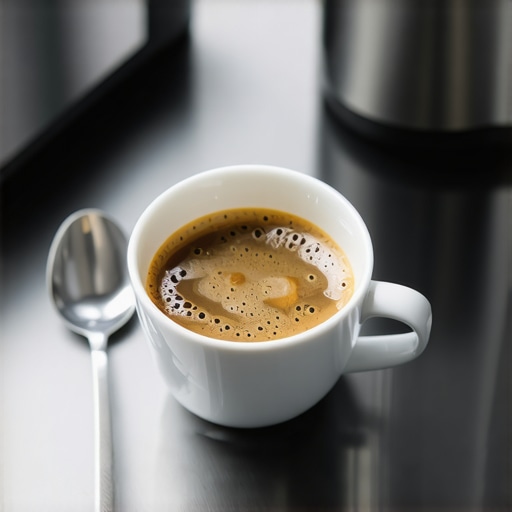
It was a typical Saturday morning when I finally decided to make my own espresso at home, confident I’d finally master the art. I measured, tamped, and pressed the button, only to be met with that sickeningly sharp, acidic taste—like licking a battery. My first instinct was to blame my espresso machine or my beans, but after some digging, I realized I had overlooked a crucial detail: the grind adjustment and machine calibration.
Ever wondered why your carefully brewed shot turns into a sour nightmare? The problem often boils down to one thing: the grind size and its relation to the machine’s settings. When your grinder isn’t dialed in correctly, or if your machine isn’t calibrated, you can end up with over-extraction—resulting in that battery acid flavor—and I promise, you’re not alone. Many coffee enthusiasts face this issue, just like I did early in my journey.
Today, I’ll guide you through a straightforward process to troubleshoot and fix this sour taste, ensuring every shot you pull is rich, balanced, and full of flavor. No more wasting beans or ending up with disappointment in your cup.
Ready to Diagnose and Cure Your Sour Shots?
Is Overcoming the Battery Acid Taste Really Possible with a Few Tweaks?
I’ll admit, I made a big mistake early on—ignoring the importance of proper grinder calibration. I thought I could just tamp harder or dial in the machine more, but the real fix came from understanding the relationship between grind size and extraction. For instance, a common mistake is not checking your grinder’s burrs or ignoring static buildup, which can throw your grind off and lead to uneven extraction. If you’re tired of bitter and overly sour shots, you’re in the right place—because fixing this issue is simpler than you think. Want more expert tips? Check out my full guide on how to choose the right coffee grinder.
Let’s get into the practical steps that will dramatically improve your espresso quality and turn that battery acid into smooth, luscious notes.
Check Your Grinder’s Burrs for Consistent Grind Size
Begin by inspecting your grinder’s burrs with a burr condition test. If burrs are dull or clogged with coffee oils, they can cause uneven particle size, leading to over-extraction and sour notes. Remove the hopper and clean the burrs thoroughly using a soft brush and a descaling solution designed for grinders.
Adjust the Grind Size for Proper Extraction
Next, adjust your grinder to a slightly finer setting. Think of it as narrowing the sieve in a metal strainer; the goal is to slow down extraction so that water interacts evenly with the coffee grounds. Start by turning the grind adjustment one click finer, then pull a shot. If the espresso is still too sour, repeat gradually—small tweaks make a big difference.
Test Your Grind Consistency
Apply the static reduction hack to ensure grounds flow freely without clumping, which can create uneven extraction. Use a dosing funnel to prevent messes, and check for static buildup, especially with lighter roasts. Properly grounded coffee is the foundation for a balanced shot.
Calibrate Your Machine Settings
If adjustments to the grind aren’t enough, verify your espresso machine calibration. Ensure your pressure and temperature are within optimal ranges. A low-pressure setting or underheated water can lead to under-extraction, resulting in sour flavors. Use a zero point check for your machine and adjust accordingly.
Settle the Coffee Bed Evenly
When tamping, apply consistent pressure—aim for about 30 pounds—and use a level tamp. An uneven bed causes channeling, letting water bypass parts of the coffee puck, which can result in sour and under-extracted shots. Consider using a tamper with a level base for uniform pressure every time. After tamping, give the portafilter a gentle tap to settle the grounds.
Respect the Extraction Time and Volume
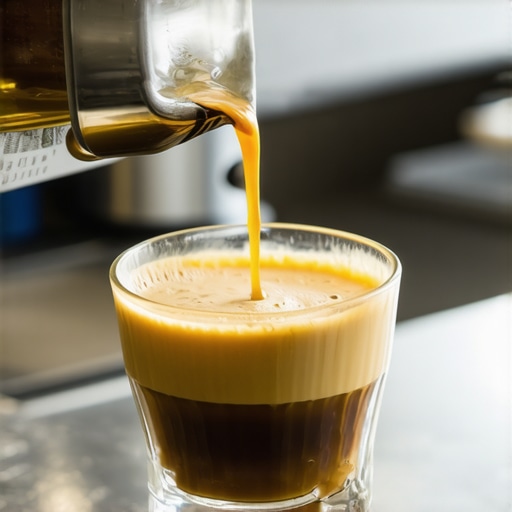
Watch the shot timing—aim for 25-30 seconds for a standard double shot. If it pulls too quickly, the coffee doesn’t have enough contact with water, leading to sourness. Adjust grind size or tamp pressure as needed. Use a timer and a scale to measure extraction volume, ensuring consistency. Remember, patience and precision are key to avoiding under-extraction.
Verify Fresh Coffee and Proper Storage
Old or stale beans can produce sour shots regardless of your technique. Store beans in an airtight container away from light and heat. If you’ve recently stored coffee, consider grinding a small test batch before pulling the main shot. Fresh beans release aromatic oils that contribute to balanced flavors, minimizing unwanted acidity.
Myth Busting: The More Expensive Gear Means Better Coffee
Many believe that investing in high-end grinders and espresso machines automatically guarantees perfect brews. While quality gear is essential, the real secret lies in understanding how to calibrate and maintain your equipment. For instance, even top-tier grinders require regular burr replacements and precise calibration to produce consistent grounds, as outlined in expert guides like how to choose the right coffee grinder.
The Oops You Make When Frothing Milk Without Attention to Nuance
Many baristas and home users think that all milk frothers are created equal. However, advanced users recognize that milk type, temperature, and frothing technique dramatically affect microfoam quality. A common mistake is overfilling the frothing pitcher, which hinders proper aeration. Achieving silky microfoam involves understanding the ideal milk temperature (around 140°F) and gradually incorporating air. For tips, see the best milk frothers and techniques.
Handling Advanced Mistakes in Home Espresso Can Make All the Difference
One often overlooked nuance is tamping pressure variability. Many believe a consistent 30-pound tamp is sufficient; however, subtle variations can cause uneven puck density, leading to channeling and flavor inconsistencies. Using a calibrated tamper or a tamping station ensures uniform pressure, producing better results over time. Experts like spring-loaded tampers help eliminate these common pitfalls.
Advanced Insights into Grind and Extraction Dynamics
Contrary to popular belief, grind size isn’t the only factor influencing shot quality; grind distribution and static buildup also play vital roles. Static can cause grounds to clump or cling to the grinder walls, resulting in uneven dosing. Using anti-static solutions or applying the simple static reduction hacks can significantly improve grind consistency. Additionally, understanding particle size distribution enables experienced baristas to fine-tune extraction for optimal flavor clarity.
Remember, the devil is in the details. By honing these subtle points—beyond just buying premium gear—you elevate your coffee game from good to exceptional. Have you ever fallen into this trap? Let me know in the comments and share your experience!
The Right Tools Make All the Difference in Consistent Coffee Making
Investing in quality equipment is just the first step; maintaining those tools ensures they perform at their best over time. I personally swear by a few key items that keep my coffee setup running smoothly. For grinders, I use a dedicated burr cleaning brush to remove coffee oils and residue, preventing clogging and static buildup—which can significantly affect grind consistency. I also rely on a monthly cleaning routine with grinder-specific cleaning tablets to keep the burrs sharp and clean.
Automation and Calibration Tools Help Keep Everything in Sync
For espresso machines, I recommend a pressure gauge kit. Regularly checking the pump pressure prevents over or under-extraction and is critical for maintaining that perfect shot. Calibration requires precision—you can use a zero-point calibration tool to fine-tune your grinder settings. This ensures your grind size matches your machine’s extraction parameters, prolonging the equipment’s life and consistency.
Long-Term Results Depend on Routine Care
Consistency isn’t just about equipment; it’s also about habits. I reserve time weekly to descale my espresso machine, especially if I live in an area with hard water. Using a descaling solution designed specifically for espresso machines helps prevent mineral buildup that can lead to pump failure or temperature inconsistency. Moreover, I always inspect o-rings and seals quarterly, replacing them as needed to prevent leaks and maintain optimal water pressure—crucial for the longevity of your gear.
Scaling Up Your Setup Without Compromising Quality
If you’re considering expanding or upgrading your coffee station, focus on modular tools that are easy to maintain. For example, a high-quality grinder with accessible burrs and cleaning ports simplifies upkeep and allows for quick swaps or cleaning routines. As my friend and industry expert James Hoffmann highlights, investing in tools that facilitate easy maintenance keeps your workflow smooth and your coffee tasting pristine long-term.
How do I keep my equipment in top shape over years?
Adopting a disciplined maintenance schedule and using the right cleaning tools are key. Regularly inspecting and servicing your grinder burrs, calibrating your machine, and descaling prevent wear and tear from turning into costly repairs. Consider setting reminders—like using a calendar app—to check seals, o-rings, and filters periodically. These small habits build into a larger routine that safeguards your investment, ensuring every shot remains consistent and flavorful.
For personalized tips, don’t hesitate to reach out or explore more detailed guides on maintaining your espresso gear. Remember, the effort you put into upkeep today pays off with richer, more reliable coffee tomorrow.
Over the years, I’ve learned that the journey to consistently excellent espresso is paved with tiny adjustments and attentive care. One of the most valuable lessons I’ve internalized is that precision in grind consistency and machine calibration isn’t just technical jargon—it’s the secret sauce behind every velvety shot. Remember, even the most sophisticated equipment needs your thoughtful touch to unlock its full potential. Regularly inspecting your burrs, fine-tuning your grinder, and maintaining optimal machine pressure can dramatically elevate your coffee game and turn that sour, battery-like taste into a symphony of rich, well-balanced flavors. Never underestimate the power of patience and routine—your taste buds will thank you. Keep experimenting, stay curious, and enjoy the deep satisfaction of crafting espresso like a seasoned barista from the comfort of home.