The Moving Parts in Your Portafilter That Need Cleaning
Ever reached for your espresso shot, only to be met with a disappointing, lackluster pour that ruins your entire morning? I’ve been there too—thinking I had everything dialed in, only to notice my shot lacked the richness I craved. Then I uncovered a sneaky culprit that was lurking right under my nose: the moving parts in my portafilter that need regular cleaning.
**
Why Cleaning Your Portafilter Matters for Flavor and Consistency**
Start with the Right Tools and Setup
Before diving into cleaning, gather your specific tools: a small brush, a cleaning cloth, and a suitable descaling solution. Ensure your machine is turned off and cooled down to avoid burns. Place a towel beneath your portafilter to catch drips.
Disassemble for Thorough Access
Remove the portafilter from the espresso machine. Detach the basket from the portafilter base, and if your model allows, also remove the gasket for a deep clean. This step is crucial, as built-up oils and coffee residues often lurk in hidden spots, affecting flavor and shot consistency.
Scrub and Remove Coffee Oils
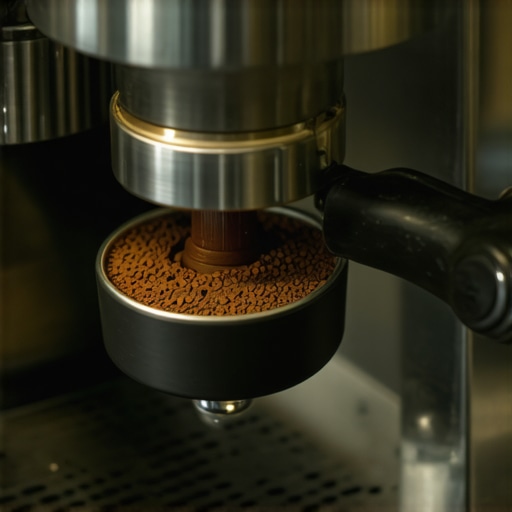
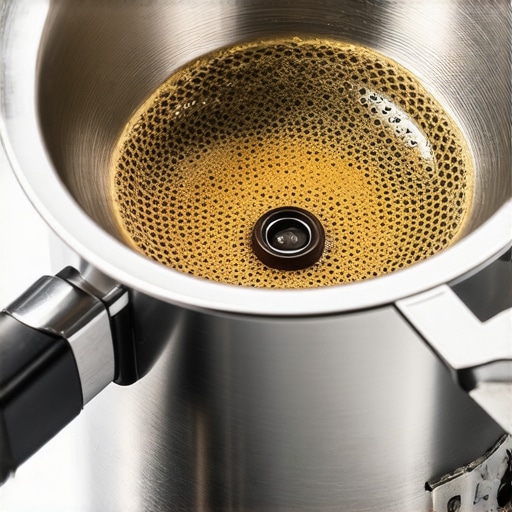
Use a brush to scrub the basket and portafilter head. Pay attention to the small holes in the filter basket; Gunk can clog these, leading to uneven extraction. For stubborn oils, dip the brush in a cleaning solution or a mixture of water and espresso machine cleaner. An analogy here is cleaning a filter in a garden hose; you want to remove all debris to restore flow.
My Experience:
I once spent an hour trying to dial in my shot, only to realize my basket was clogged with old oils. After a thorough scrub, the water flowed freely again, and I noticed immediate flavor improvements.
Clean the Gasket and Seal
Inspect the rubber gasket for grime and wear. Wipe it with a damp cloth or a specialized gasket cleaner. This gasket is like a door seal—if it’s dirty or damaged, your espresso can leak, and pressure won’t build correctly.
Run a Backflush for Internal Cleaning
Fit a blind filter or backflush disc into the portafilter. Add a small amount of espresso machine cleaner into the blind filter. Lock the portafilter into the group head and run the pump backflush cycle for about 10–15 seconds. Repeat a few times, then rinse with clean water.
This process is akin to flushing a car’s radiator—removing grease and minerals that can impair performance. Remember, regular backflushing extends your machine’s life and ensures quality shots.
Final Wipe-Down and Reassembly
Use a clean cloth to wipe all parts and surfaces. Reassemble everything carefully, making sure the gasket seats properly. Your machine is now primed for consistent, rich espresso, free of flavor-altering residues.
Schedule Routine Cleanings
Integrate this cleaning routine weekly or bi-weekly depending on usage. Imagine it as changing the oil in your car; neglect leads to performance drops, just like dirty ports impact your espresso quality. Incorporate these steps into your regular routine, and your espresso will taste fresher, shot after shot.
Many home baristas and coffee aficionados believe mastering gear like coffee grinders, espresso machines, and milk frothers boils down to selecting the right models and routine maintenance. However, even seasoned enthusiasts often miss subtle yet critical nuances that can make or break the quality of their brew.
One common misconception is that all coffee grinders are created equal, leading many to choose based solely on price or brand reputation. In reality, mastering the grind consistency involves understanding the burr geometry, motor stability, and even how static electricity affects grounds distribution. For instance, a study published in the *Journal of Coffee Science* highlights that static buildup in grinders can cause uneven dosing and channeling, affecting shot extraction and flavor. You can learn more about fine-tuning your grinder in our detailed guide on [how to select the perfect coffee grinder for your brew](https://espressotechguide.com/how-to-select-the-perfect-coffee-grinder-for-your-brew).
Similarly, many believe that upgrading their espresso machine to the latest high-end model guarantees perfect shots. While investment matters, the more profound factor is understanding the machine’s internal mechanics—think of it as the anatomy of a fine-tuned instrument. For example, subtle issues like a failing capacitor in the motor can cause inconsistent pressure profiles, leading to variability in shot volume and extraction. Regularly checking components like capacitors, which can be done with simple testing tools, helps prevent costly repairs and maintains stable pressure—an essential for consistent espresso quality. You can explore this further in [how to check for a failing capacitor in your motor](https://espressotechguide.com/how-to-check-for-a-failing-capacitor-in-your-motor).
What about milk frothers? Many see these as secondary accessories, but the difference lies in understanding how to optimize temperature settings and steam pressure for microfoam quality. Many fail to recognize that high steam pressure isn’t always better; instead, it’s about controlling the pressure profile throughout steaming to prevent milk damage and achieve the desired texture. Some advanced users even modify their steam wands for better flow control, a subtle upgrade that can significantly enhance latte art capabilities and overall drink consistency. Discover more about [milk frothers that transform your coffee experience](https://espressotechguide.com/milk-frothers-that-transform-your-coffee-experience).
Here’s where many enthusiasts fall into the trap: they fixate on owning premium gear without paying attention to the nuances of proper usage and internal condition. That’s why diligent maintenance—including cleaning, part inspections, and understanding operational limits—is vital, especially when aiming for barista-level quality at home. Neglecting these details can lead to ‘oops’ moments like clogged filters, inconsistent water temperature, or static-charged grounds, all of which can sabotage your brewing ambitions.
To elevate your home barista game, consider these advanced insights and regularly review your gear’s internal health. For example, replacing worn-out seals or calibrating your grinder can dramatically improve extraction consistency. Step beyond the basics and embrace a deeper knowledge of your equipment—your taste buds will thank you.
Have you ever fallen into this trap? Let me know in the comments. Mastery comes from attention to these finer details, and sharing your experiences can help others avoid common pitfalls.
Investing in Reliable Equipment for Long-Term Success
To keep your coffee gear performing at its peak, selecting tools that prioritize durability and precision is crucial. I personally swear by the Baratza Virtuoso+ grinder because its ceramic burrs are easy to maintain and deliver consistent grinds, which directly impacts shot quality. When choosing a machine, I look for models with high-quality boilers and solid build quality—like the [top-rated espresso machines for coffee lovers in 2025](https://espressotechguide.com/top-rated-espresso-machines-for-coffee-lovers-in-2025)—which balances performance and longevity.
Routine Maintenance That Extends Equipment Life
Consistent cleaning routines prevent build-up that can cause clogs or flavor contamination. Regularly descaling your espresso machine, especially if you have hard water, prevents mineral scale from impairing heat transfer and pressure stability. Cleaning your grinder’s burrs with a specialized brush, such as the one recommended in this guide, reduces static and ensures uniform grounds. Remember, even a high-end machine will falter without proper upkeep.
How do I maintain my gear over time?
Developing a routine that involves daily wipe-downs of accessible parts and weekly deep cleaning can drastically improve both the taste and lifespan of your equipment. Using manufacturer-recommended cleaning solutions and tools tailored for your specific machine can prevent unnecessary wear. For electrical components, inspecting wiring and connectors periodically—like the capacitor in your motor, which can be checked with simple tools—is a smart preventative step. You might also consider keeping a detailed maintenance log to track service dates and any issues.
Scaling and Upgrading with Confidence
As your passion grows, so does the need for more sophisticated tools. Moving to a commercial-grade grinder or adding temperature control devices can enhance consistency. Remember, mastering maintenance routines will make scaling easier; your gear will stay reliable longer, reducing downtime and repair costs. Looking ahead, the trend points toward smarter, IoT-enabled machines that offer real-time diagnostics—making maintenance more intuitive and less guesswork. Embracing these advances will ensure your home setup remains state-of-the-art.
Want to ensure your equipment operates flawlessly? Regularly inspect critical components like your machine’s heating element and internal sensors. For example, checking the heating element for scaling or corrosion can prevent temperature inconsistencies that spoil your shots. Learn more about this with this in-depth guide.
Start by adding a monthly inspection of all moving parts and internal components to your maintenance routine. Using a simple checklist streamlines the process and keeps your gear in top condition. Remember, a well-maintained setup doesn’t just taste better—it lasts longer and saves money in the long run.
The Hardest Lesson I Learned About barista gear,coffee grinders,milk frothers,home espresso,espresso machines
One of the most impactful lessons came from realizing that even the most expensive machine can’t compensate for a neglected portafilter. Regular cleaning revealed how tiny residues dramatically influence flavor and shot consistency, which I only understood after countless flavor discrepancies and wasted beans.
3 Myths About barista gear,coffee grinders,milk frothers,home espresso,espresso machines That Held Me Back
Believing that all grinders produce uniform grounds or that steam pressure alone guarantees perfect microfoam was misleading. The truth is, subtle factors like static buildup or wand modifications make a huge difference—details often overlooked by enthusiasts.
What Experts Won’t Tell You About barista gear,coffee grinders,milk frothers,home espresso,espresso machines
Most professionals keep their maintenance routines a secret, but I found that consistent inspection of internal components, like checking capacitors or replacing worn seals, prevents costly repairs and ensures performance stability. This insight transformed how I maintain my setup efficiently.
Curated Recommendations for Coffee Perfection
- Baratza Virtuoso+ – I trust this grinder for its reliable burrs and straightforward maintenance, which keeps my grounds uniform, essential for consistent shots. Its durability makes it a long-term investment.
- Top-rated Espresso Machines in 2025: A comprehensive resource that helped me choose a high-quality, durable machine with precise temperature controls, ensuring my brewing at home rivals café standards.
- Milk Frothers That Transform Your Coffee Experience: These tools unlocked my ability to create microfoam and latte art, elevating my daily coffee ritual beyond simple brewing to art and craft.
Your Turn to Elevate Your Coffee Game
Mastering barista gear isn’t just about owning top-tier equipment; it’s about understanding and maintaining it with care. By paying attention to the small details, you unlock the full potential of your setup, leading to richer flavors and more satisfying experiences. Don’t shy away from experimenting and learning—your perfect espresso awaits. What unexpected insight transformed your approach to home espresso? Share your story below!
,