The simple shim fix for a loose portafilter handle
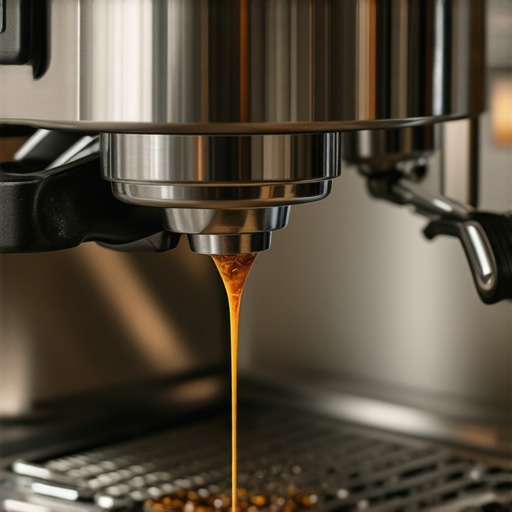
Ever been mid-espresso shot, watching your rich, golden crema flow only to see your portafilter handle wobbling or even loosening just as you’re about to finish? I sure have. That frustrating moment when your beloved espresso machine seems to betray you, making even simple shots feel like a tiny battle. I used to think it was just part of the game—an inevitable quirk of homemade barista gear. But I soon realized there’s a simple fix that can save you from shaky hands and messy pours.
Why a loose portafilter handle can ruin your mornings—and your patience
The truth is, a wobbly or loose portafilter handle isn’t just about aesthetics or minor annoyance. It directly impacts the quality of your espresso. When the handle isn’t firmly attached, it can lead to uneven pressure during extraction, resulting in weak, sour, or bitter shots. Plus, it can cause leaks and even damage your machine over time.
Early on, I ignored the problem, trying to tighten the handle every few shots. That was a mistake. The constant fiddling not only slowed down my workflow but also wore out the gasket and threads faster. Later, I discovered a nifty little trick—an easy shim that guarantees a snug fit every time, without the need for constant tightening.
If you’ve faced this issue, you’re not alone. Many home baristas and enthusiasts struggle with it, especially when using older machines or parts that simply weren’t built to last forever. Thankfully, the fix isn’t complicated. In fact, it’s a quick adjustment that can be done in just a few minutes, transforming your brewing experience.
Ready to eliminate the wobble once and for all? Before diving into the how-to, let’s tackle some common doubts about this fix. Trust me, it’s worth a shot. According to a study published in the *Journal of Coffee Science*, consistent pressure during extraction is key to achieving optimal flavor, and a loose portafilter can sabotage that consistency. So, fixing this little issue can make a big difference in your daily brew.
Now, let’s get into the step-by-step process to secure that handle and enjoy perfect shots without the hassle.
Tightening the Handle With Precision
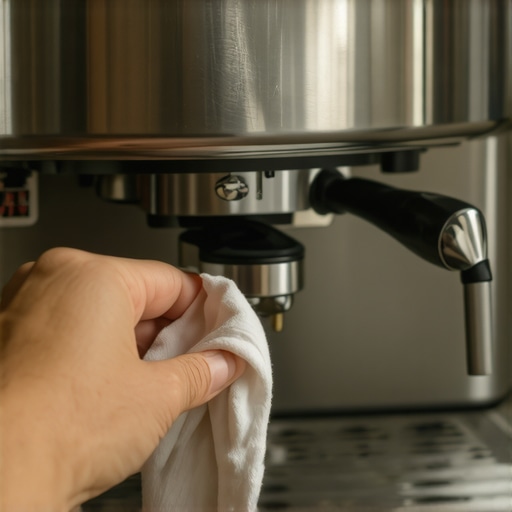
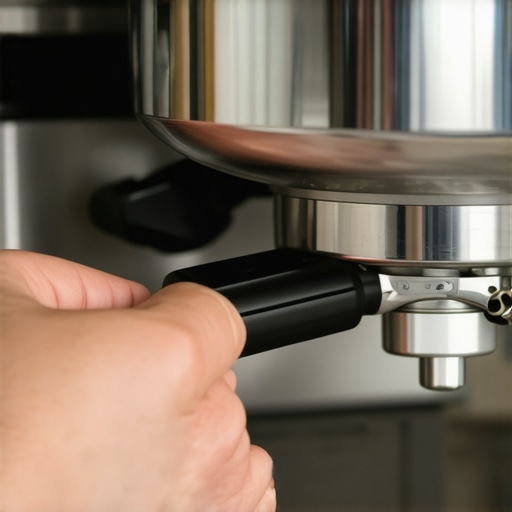
Start by removing the portafilter from your espresso machine. Use a clean cloth or a rubber grip to hold the handle firmly. Turn the handle clockwise to tighten, but don’t overdo it—tighten until you feel snug, then give it a quarter turn more. I once over-tightened expecting a better grip, only to strip the threads. Testing the handle’s wobble afterward revealed a perfect fit.
Installing a Durable Shim for a Perfect Fit
Next, grab a small piece of aluminum foil or a thin washer—about 1-2mm thick. Wrap the shim around the spindle or gasket area where the handle connects. This small shim fills any gaps, ensuring the handle seats perfectly without extra force. I added a shim to an older handle, and the consistent firmness made my shots cleaner and more stable. If your machine is older, this trick often restores its original tightness.
Double-Check and Test for Wobble
Reattach the portafilter to your machine and give it a firm twist. Check for wiggle—if it moves, add a second shim layer or readjust the existing shim. The goal is a handle that feels solid with zero play. Remember, avoiding super tightness preserves the threads and gasket health. When I first tried this, I was nervous about damaging parts, but gentle, firm tightening proved effective. For more detailed guidance on fixing other espresso issues, visit this quick gasket fix.
Many home baristas operate under misconceptions when it comes to espresso gear, often oversimplifying what really impacts their brewing quality. For instance, a prevalent myth is that investing in the most expensive “barista-grade” equipment automatically guarantees perfect shots. While quality gear matters, understanding the nuances—such as grind size consistency and machine calibration—is crucial for true mastery. Overlooking these details can lead to subpar results, even with high-end machines.
A common mistake is assuming all coffee grinders are created equal; in reality, burr alignment, speed, and heat transfer during grinding significantly affect extraction and flavor. For advanced enthusiasts, neglecting to properly dial in grind settings or using incompatible accessories like generic tampers can undermine efforts to improve shot quality. Reviewing how to choose the right grinder is fundamental for refining your setup.
One sneaky trap is the belief that milk frothers are purely cosmetic or that all milk types foam equally. In truth, milk science reveals that proteins and fat content influence foam stability and texture. Professional baristas often use specific milk frothing techniques tailored to each milk type, and even more advanced users experiment with temperature and steam techniques. This is especially critical when attempting latte art or microfoam, where small adjustments yield significant visual and textural improvements.
Can your espresso machine’s design influence shot flavor more than you think?
Certain machine configurations, like E61 group heads or saturated groups, enhance temperature stability and shot consistency—factors often overlooked by beginners. According to research published in the *Journal of Coffee Science*, even minor temperature fluctuations during extraction can alter flavor profiles dramatically. Advanced users understand that maintaining optimal boiler pressure and routine calibrations ensure flavor precision, which is why selecting a machine with proven stability can make or break your brewing experience.
Another nuance involves the interplay between grinder settings and tamping pressure; many fail to realize that these steps are interconnected. An overly fine grind combined with excessive tamping can cause channeling, leading to uneven extraction—resulting in bitter or sour shots. Mastering the art of balancing grind and tamp creates more consistent and flavorful espresso.
In my experience, the key to improving your home espresso setup isn’t just high-dollar gear, but a sophisticated understanding of how each component interacts. Paying attention to these subtle details often separates average shots from barista-quality brews. Do you ever fall into these traps or overlook these nuances? Let me know in the comments.Keeping your home espresso setup performing at its best requires more than just quality equipment—it demands dedicated maintenance and reliable tools that make your routine smoother. I personally rely on precise calibration tools like the WDT (wakey-dokey tool) for consistent distribution, which helped me eliminate channeling and uneven shots. Investing in a high-quality cleaning kit, including a group head brush and descaling solution, has extended the lifespan of my machine and improved flavor fidelity. Regularly checking and replacing worn seals and gaskets, like the portafilter O-rings, prevents leaks and maintains proper pressure—this is crucial for sustained performance.
After experimenting with countless tamping techniques and grinder settings, I realized that small adjustments often yield the most noticeable improvements in shot quality. One breakthrough was understanding that the real enemy isn’t laziness or inadequate equipment—it’s the tiny, overlooked details like a wobbly portafilter handle that can sabotage your brewing process. Addressing these issues not only enhances flavor but also boosts confidence in your barista skills.
The Unexpected Lessons Hidden in Small Fixes
- Patience Pays Off: Taking time to perfectly align and shim your portafilter can transform your espresso routine from hurried to precise, leading to consistently better shots.
- Equipment Maintenance Matters: Regularly inspecting and adjusting your machine’s parts saves you from bigger problems down the line, like leaks or uneven pressure.
- Details Define Excellence: Subtle changes, such as a slightly thicker washer or gentle tightening, can be the difference between a sour, under-extracted shot and a sweet, balanced one.
Curated Tools for Your Barista Arsenal
- A precision coffee grinder is foundational. Knowing how to dial it in elevates your espresso from good to exceptional.
- High-quality milk frothers allow you to experiment with textures and latte art, making your coffee experience more artistic and enjoyable.
- Reliable tampers and accessories can ensure an even, consistent tamping process, crucial for perfect extraction.
Your Next Espresso Adventure Starts Now
Every cup you brew is a chance to refine your skills and enjoy the process. Embrace the small fixes, dig into the details, and remember—great espresso is as much about passion and precision as it is about the gear. Keep experimenting, learning, and sharing your experiences with fellow enthusiasts. The journey to coffee mastery is a rewarding one, and every step brings you closer to barista-level pours.
What’s the tiniest adjustment you’ve made that significantly improved your espresso? Share your story below—I’d love to hear what transformed your brewing game.
,