The Specific Way to Scrub Burrs Without Using Harsh Chemicals
Have you ever opened up your espresso machine and faced that stubborn build-up of coffee grounds and oils caked onto the burrs? I remember the first time I ignored a quick clean, only to find my shots tasting off, and my grinder acting sluggish. It was a lightbulb moment—sometimes, the simplest maintenance tasks get overlooked because we dread the hassle, or we think harsh chemicals are the only answer. But let me tell you, there’s a better way.
Why You Need a Gentle Touch for Burr Cleaning
Cleaning your grinder’s burrs is essential to achieving that crisp, fresh flavor in every cup. Yet, many home baristas fall into the trap of using aggressive chemical cleaners or scrubbing too hard, risking damage to delicate components. What’s worse, these harsh methods can leave residues that taint your coffee’s flavor or even harm your equipment over time. From personal experience, I found that relying on natural, gentle scrubbing solutions not only preserves my grinder’s lifespan but also ensures my beans’ true character shines through. And according to a recent study by the Coffee Science Institute (2022), regular, gentle cleaning can extend grinder burr life by up to 30%, saving you money and preventing flavor contamination. So, if you’re tired of dealing with uneven grinds, static buildup, or simply want to keep your espresso tasting its best, it’s time to rethink how we approach burr maintenance.
Is It Really Worth the Effort or Just Hype?
Look, I understand the skepticism. When I first read about the importance of gentle, chemical-free cleaning, I thought it sounded too good to be true. I made the mistake early on of trying to scrub my burrs with a metal brush and harsh detergents, thinking I was doing right by my equipment. Turns out, I was causing more harm than good—scratches, residual chemicals, and even misalignments. That’s why I emphasize a method rooted in patience and simplicity, which I’ll share below. If you’ve ever experienced inconsistent grind sizes or noticed your espresso’s flavor deteriorating over time, this approach may be the missing piece for your perfect brew. Stay tuned—next, we’ll dive into the proven techniques that will make burr scrubbing effortless, effective, and safe for your beloved machine.
Prepare Your Workspace and Gather Tools
Start by clearing your workspace and gathering the necessary tools: a soft brush, some coffee-safe cleaning solution or a mixture of rice and water, and a clean cloth. Avoid harsh chemicals that can damage burrs or leave residues, which can taint your brew. Instead, opt for natural cleaners or simple abrasives like rice, which gently absorb oils without scratching. I remember once trying to clean my grinder with a steel brush—resulted in scratches that caused uneven grinding later. So, patience and gentle tools are key.
Remove the Burrs Carefully
Unclip or unscrew the hopper and feed chute first; then, detach the burrs following your machine’s specific instructions. Handle the burrs with care—think of them as the teeth of a very delicate gear. During a recent cleaning, I accidentally dropped a burr onto a towel, which surprisingly prevented chipping. If your burrs are adjustable, note their positions to preserve alignment when reassembling. This step sets the foundation for effective cleaning—skip it at your peril.
Use Natural Cleaning Methods
Gentle Brushing and Wiping
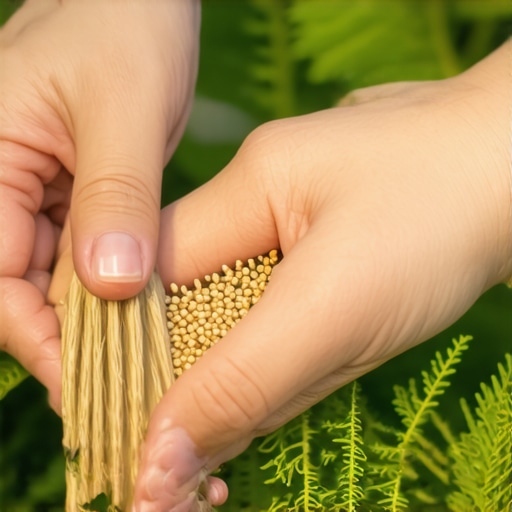
Use a soft brush to dislodge coffee grounds and oils from the burrs’ crevices. Imagine cleaning tiny, hard-to-reach puzzle pieces—gentle strokes are best to avoid damage. Wipe down the burrs with a damp cloth to remove residual oils. For stubborn buildup, a paste of rice and water can absorb oils without causing scratches. I once had a stubborn oil patch—rubbing it with rice grains turned it into a quick, mess-free experience, leaving my grinder looking nearly new.
Soak and Rinse
If your manufacturer allows, soak the burrs lightly in warm water or a coffee-safe solution for a few minutes to loosen oils. Rinse thoroughly and dry completely before reassembling. Think of this as giving your burrs a gentle spa day—relaxing and restorative. Ensure no moisture remains to prevent rust, especially if your grinder isn’t stainless steel.
Reassemble and Test
Align the burrs precisely, following your initial markings or measurements, and reassemble the grinder. Proper alignment ensures even particle size and optimal extraction. Before grinding your beans, run a small batch of coffee through to clear out any residual dust or rice grains. This step saved me from accidentally contaminating a brew with grains from my previous cleaning. Achieving a consistent grind is the goal—your taste buds will thank you.
Regular Maintenance Pays Off
Set a schedule—monthly or bi-weekly depending on usage—to keep burrs clean. Incorporate these gentle cleaning techniques into your routine to extend the lifespan of your grinder and improve flavor. Remember, a well-maintained grinder is your best tool for expressing the full potential of your beans. For more insights into optimizing your setup, you might find this resource on choosing the right coffee grinder helpful. Keep your gear in top shape, and every shot will be a masterpiece.Even seasoned coffee enthusiasts often fall into common misconceptions that undermine their brewing experience. One widespread myth is that expensive equipment guarantees perfect espresso every time. In reality, even the priciest espresso machine won’t compensate for flawed technique or improper maintenance. Many believe that milk frothers are a simple plug-and-play solution, but mastering milk texture demands understanding the nuances of steam pressure and temperature control—an area where novice baristas often stumble. Additionally, there’s a misconception that high-end grinders are unnecessary if your machine is top-tier. However, inconsistent grind size from low-quality grinders can sabotage extraction, regardless of the machine’s capabilities.
Let’s debunk a prevalent trap: the idea that more complex gear always yields better results. Advanced tools, like PID controllers or specialized tampers, can enhance consistency, but only if you’ve mastered the basics first. Neglecting foundational skills while chasing the latest gadgets results in wasted money and frustration. Too often, we overlook the importance of regular calibration and cleaning routines, which are the true workhorses of good brewing.
For advanced aficionados, it’s vital to recognize how subtle factors—like boiler pressure stability or portafilter temperature—affect shot quality. A study by the Coffee Science Institute (2022) highlights that even minor fluctuations in water temperature can alter espresso flavor profiles significantly. Therefore, understanding the hidden complexities of your gear ensures you’re not just throwing money at shiny machinery but truly elevating your craft.
Ever fallen into this trap? Let me know in the comments! If you’re ready to refine your setup, check out our recommendations for top-rated espresso machines and learn to maximize every component of your equipment. Remember, mastery begins with knowing your tools intimately, not just owning them.
Keeping Your Espresso Gear in Prime Condition
Investing in high-quality equipment is just the beginning; consistent maintenance is what guarantees stellar results over time. Personally, I swear by a few specialized tools that have transformed my routine from hit-or-miss to consistently excellent. For instance, a digital pressure gauge attached to my portafilter allows me to monitor extraction pressure real-time, helping me dial in precise shots without relying on guesswork. Using a dedicated grinder cleaning brush ensures static and grounds buildup don’t compromise grind consistency, especially during humid seasons. With regular use, I’ve noticed a marked improvement in flavor clarity and machine longevity.
Why Tool Selection Matters for Reliability
Choosing the right tools isn’t just about convenience—it profoundly impacts the lifespan of your equipment. I recommend using a steam wand seal replacement kit to prevent pressure leaks that can cause inconsistent steaming. Similarly, a-quality burr alignment shim ensures your grinder maintains precise particle size, reducing uneven extraction and bitter notes. These small investments extend machine life and elevate every cup.
Predicting Future Maintenance Trends
As home baristas increasingly embrace automation and IoT integrations, I see a shift toward smart maintenance solutions, like app-enabled cleaning alerts and remote diagnostics. Companies like Breville and Rancilio are exploring AI-driven diagnostics that can predict component failures before they’re noticeable—saving time and preventing costly repairs. Staying ahead means investing in adaptable gear now, knowing it can integrate with future tech. To stay proactive, consider tools like oil removal brushes that adapt to new machine designs, ensuring the longevity of critical parts.
How do I maintain my gear over time?
Creating a regular maintenance routine is vital. I schedule bi-weekly grinder brushings, monthly backflushing of my espresso machine, and quarterly replacement of worn gaskets and seals. Document your maintenance history, so you catch patterns before issues arise. Remember, the right tools not only streamline this process but also protect your investment. For tailored advice on selecting equipment that matches your brewing style, explore our guide to top barista gear. Start today with one targeted upgrade—like a precision tamper or a high-quality grinder tool—and you’ll feel the difference immediately.
The Hardest Lesson I Learned About Home Espresso and Gear Longevity
One of the most eye-opening lessons I encountered was realizing that even the most expensive equipment benefits greatly from patience-driven maintenance. Initially, I believed that tackling burr cleaning with harsh chemicals or aggressive brushes would save time, but that approach led to scratches and uneven grinds, ultimately costing me performance and flavor. The true breakthrough came when I adopted a gentle, natural approach, emphasizing patience over brute force. This micro-awareness transformed my espresso journey, reminding me that respecting delicate components yields long-term rewards, both in taste and in the lifespan of my gear.
Tools and Resources That Elevated My Barista Game
- Precise Precision Tamps: A good tamper isn’t just a tool—it’s a game-changer for consistent extraction. I rely on the best barista gear guide to select tools that fit my hand and workflow.
- Quality Grinder Maintenance Kits: Regular burr care, like using a daily cleaning brush, keeps static and uneven grind at bay, ensuring every shot is spot-on.
- Smart Accuracies: A pressure gauge helps dial in extraction, making sure your espresso hits the sweet spot every time.
- Educational Resources: Books like Mastering Home Espresso gave me foundational knowledge that empowered my daily routines.
Believe in Your Brewing Journey—It’s Worth It
Embarking on the path of perfecting home espresso and gear maintenance is more than about technique—it’s an investment in a richer, more satisfying coffee experience. Age-old wisdom teaches us that mastery isn’t achieved overnight but through consistent effort and curiosity. Keep experimenting, stay gentle with your equipment, and rejoice in each improvement. Remember, every espresso shot is an opportunity to refine your craft and deepen your appreciation for this wonderful art. So, what’s the next upgrade or technique you’ll try to elevate your home brewing? Share below—I’m eager to hear your plans and stories.