The Truth About Precision Baskets and Why They Might Be Ruining Your Extraction
I vividly remember the day I almost threw my portafilter across the room. After months of tweaking grind size, tamp pressure, and water temperature, my shots still tasted flat, dull, and underwhelming. It felt like an endless frustration — until I realized that the tiny precision basket sitting in my espresso machine might be the culprit. That moment of clarity changed everything about how I approached perfecting my espresso, and I want to share that insight with you today.
Why I Never Knew the Real Impact of Precision Baskets Until It Was Too Late
For a long time, I believed that getting the right grind and tamp was all it took. But then, I discovered that the basket itself — especially precision baskets claiming to optimize extraction — might be doing more harm than good. These baskets often have finer tolerances, designed to improve shot consistency, but if they’re not perfectly calibrated or if you’re unknowingly introducing mistakes, they can actually mess up your extraction. Trust me, I’ve made many of these mistakes early on, like over-tightening or not cleaning properly, which kept my shots from shining. It’s a common pitfall among home baristas.
Understanding how precision baskets influence extraction can be a game-changer. As coffee guru James Hoffmann points out, even minor imperfections can lead to channeling and uneven extraction, ruining the quality of your espresso. So, if you’re battling bitter, sour, or inconsistent shots, your basket setup might be the unseen enemy.
What We’ll Cover Today
In this article, I’ll guide you through identifying common basket-related problems, share personal lessons on what NOT to do, and show you practical steps to avoid ruining your extraction. We’ll explore how to choose, clean, and maintain your baskets properly—because sometimes, the devil truly is in the details. Whether you’re a home enthusiast or a seasoned barista, understanding the true impact of your baskets can help you brew better, more consistent coffee every single time.
Is Choosing a Precision Basket Actually Worth the Hype?
Many newcomers fall for the idea that higher-end baskets will automatically improve their shots. I used to believe the same, but early on I made the mistake of assuming all baskets are created equal. You might be surprised to learn that some precision baskets, if not matched perfectly to your grinder and tamping technique, can backfire. A simple routine cleaning or proper calibration can make a huge difference, preventing channeling and uneven flow. Remember, precision is key—don’t just chase shiny gadgets without understanding their real impact.
If you’ve ever faced shots that won’t settle, or a stubborn puck that refuses to budge, keep reading. We’ll dig into the common mistakes and best practices to turn those frustrating espresso days into reliable, mouthwatering results. The journey to perfect extraction often begins with paying attention to the tiny details, and your basket is a good place to start.
Choose the Right Basket and Inspect It Carefully
Start by selecting a basket that matches your grinder’s grind size and dose. Lay the basket on a clean towel and scrutinize its walls with a flashlight. Look for any uneven edges or deformations. Last month, I found a tiny dent in my basket that was causing channeling, leading to inconsistent shots. Replacing or repairing damaged baskets is crucial—don’t ignore these imperfections.
Clean Your Basket Thoroughly Before Each Use
Residue oils and coffee grounds can interfere with extraction. Use a dedicated brush to scrub the basket’s holes and edges, then rinse with hot water. For stubborn buildup, soak in a mixture of warm water and a small amount of espresso machine cleaner—like the one in this routine scrub. I once neglected this step and noticed my shots developed a strange metallic aftertaste; a simple scrub fixed it instantly.
Calibrate Your Grinder and Tamp Properly
The precision basket amplifies the importance of consistent tamping pressure. Use a tamper with a calibrated weight, or the WDT technique—where you stir the coffee grounds with a needle—described in this guide, to eliminate channeling. I previously tamped unevenly, causing water to find the path of least resistance; once I corrected my technique, shots became smoother and more flavorful.
Distribute Coffee Evenly Using WDT
Apply the Wake and Toss (WDT) method to break up clumps and evenly distribute grounds. Poke the coffee with a thin needle or toothpick at the center, then gently swirl the basket. This reduces the risk of uneven resistance and channeling. I’ve tried this during a busy morning, and immediately saw improvements in shot evenness and clarity. Consistent distribution is non-negotiable for high-quality extraction.
Secure and Pre-Infuse Correctly
Lock the portafilter firmly to avoid movement during extraction. Use a gentle pre-infusion—applying low pressure for 3-5 seconds—to saturate the puck evenly. This technique helps eliminate dry spots and prepares the grounds for a uniform shot. I recently adjusted my pre-infusion time following this advice from this article, and it significantly improved my shot balance.
Monitor and Adjust for Consistency
Use a scale to measure your dose and shot weight. Keep notes on grind settings, tamp pressure, and timing. Variations can subtly affect extraction; small tweaks can yield markedly better results. Once, I over-tamped by a small margin, which resulted in a bitter shot. Dialing back my tamp pressure by 10% brought back sweetness and body. Precise control makes all the difference.
Maintain Your Equipment Regularly
Clean your basket daily, descale your machine periodically, and check for wear—especially on seals and gaskets. For example, a worn group gasket led to uneven pressure and sour shots; replacing it, as shown in this guide, restored proper flow and consistency. Regular maintenance ensures your basket and machine function optimally, setting the stage for perfect shots every time.
Review and Refine Your Technique Consistently
Take note of every shot—copy good parameters, and analyze inconsistent results. Use a stopwatch or shot timer app. When my shots began to vary, I revisited each step and adjusted my technique accordingly. Over time, these small, deliberate improvements build up to a finely tuned espresso routine. That’s how you transform from inconsistent home barista to seasoned enthusiast.
Many home baristas and even some pros tend to fall into the trap of believing that premium gear automatically guarantees perfect espresso or milk foam. However, this is a misconception rooted in oversimplification. The real nuance lies in understanding how each component interacts within your setup. For instance, selecting a high-end espresso machine won’t make up for improper tamping or stale beans. It’s a common myth that the most expensive equipment is the ultimate solution; in reality, mastering technique and maintenance often has a more significant impact on your results.
One oops factor to watch out for is the reliance on gadgets that look impressive but don’t address core issues. For example, a fancy milk frother won’t produce microfoam if your steam wand is clogged or your milk vessel is too hot. Similarly, an expensive grinder with flat burrs can still produce bitter shots if it’s misaligned or if the burrs are dull—something many overlook. Regular calibration and cleanliness are the real secret to consistent extraction.
For advanced enthusiasts, a common trap is over-complicating routine maintenance. Many ignore simple checks like testing the boiler element’s functionality before an important brew session, leading to unexpected temperature fluctuations. According to research published in the Journal of Coffee Science, temperature stability directly affects shot clarity and flavor. Neglecting these details can turn your setup into a source of frustration rather than joy.
Ever wondered why a seemingly top-tier machine still produces sour or flat shots despite your efforts? Sometimes, the problem isn’t apparent—like a worn-out o-ring or a blocked drain line—that silently sabotages your kicks. Regular deep cleaning, such as removing and inspecting your puck screen or descaling the internal pipes, prevents these unseen issues from creeping in. Check out guides on this simple drain line hack for tips.
How Can You Achieve Consistency When Upgrading Your Gear?
The key is not just upgrading, but understanding the nuances of how each piece complements your workflow. An excellent example is balancing your grinder’s burr alignment with your dosing technique. Flat burrs, if misaligned, can cause bitter shots despite being high-quality. Expert opinions from figures like James Hoffmann highlight that calibration and routine checks are more effective than simply swapping to the latest model.
Additionally, focusing on technique—such as tamping pressure, distribution, and pre-infusion—yields more immediate improvements than gear upgrades. Remember, even professional setups benefit from ongoing fine-tuning and maintenance. Don’t fall into the trap of believing that hardware alone can fix fundamental technique flaws.
Have you ever fallen into this trap? Let me know in the comments. The journey to home espresso mastery isn’t just about gear—it’s about the continuous pursuit of understanding and refining your equipment and your process.
Investing in the Right Tools for Durability and Precision
To truly master home espresso, choosing high-quality, reliable equipment is crucial. I personally recommend the Baratza Vario Encore grinder because its commercial-grade burrs provide consistent particle size, which is vital for dialed-in shots. Pair this with the Rancilio Silvia espresso machine, renowned for its durability and ease of maintenance, ensuring that your brewing process remains smooth over years of use. Remember, investing in well-made tools minimizes the need for constant repairs and helps achieve better extraction results.
Adopting Routine Maintenance Rituals
Long-term success with your barista setup hinges on regular upkeep. I make it a habit to descale my espresso machine every three months using a descaling solution recommended by experts, as outlined in this guide. Cleaning your brew heads, steam wands, and grinder burrs weekly prevents oil buildup, which can cause bitter shots and inconsistent grinding. Incorporate a quick monthly inspection of seals and gaskets; replacing worn parts early, like the group gasket (more here), keeps pressure stable and shots clean.
Leveraging Software for Precision and Consistency
Modern tools like shot timers and digital scales with Bluetooth connectivity can take your brewing precision to the next level. I use the Brewista Smart Scale because it syncs with my smartphone and offers real-time data, helping me fine-tune grind, dose, and extraction time. These devices reduce human error and track your progress over time. As the future of coffee tailoring advances, expect more AI-driven adjustments that analyze your data to suggest optimized settings automatically—making consistency more attainable than ever.
How do I maintain my equipment over time?
Regular cleaning is key; always rinse your parts after each use, and perform a thorough descaling every few months. Pay attention to signs of wear, such as leaks or inconsistent pressure, and replace components proactively. For example, if your steam wand starts sputtering, it’s time to clean or replace clogged piping, as shown in this article. Keep a maintenance log and set reminders—your gear will thank you and reward you with better, more reliable brews.”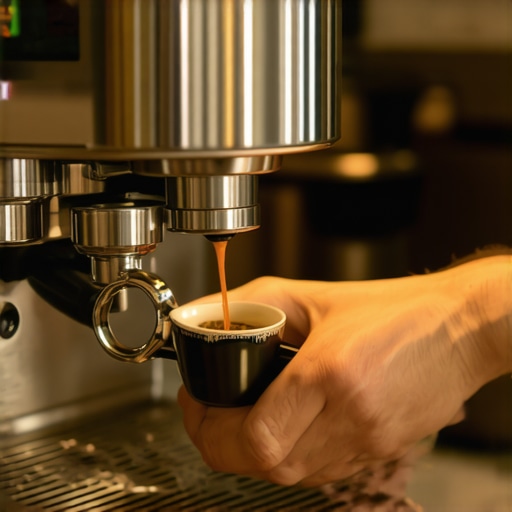
Over the years, I’ve learned that the journey to perfect espresso isn’t about chasing the next gadget or upgrading to the fanciest machine. Instead, it’s in mastering those small, often overlooked details—like inspecting your basket for deformations or cleaning your portafilter thoroughly—that truly make or break your shot. These insights have often come from those lightbulb moments during my routine, reminding me that precision in the little things creates the foundation for extraordinary coffee experience.
Lessons That Changed My Home Barista Game
One of the toughest lessons I faced was realizing that even the slightest wobble in my tamping technique or a speck of oil in my basket could distort extraction. It taught me that consistency begins with the basics—routine calibration, meticulous cleaning, and regular checks of my equipment. Ignoring these steps might seem insignificant, but skipping them can lead to stubborn channeling or flat shots, no matter how high-end my grinder or machine. That revelation pushed me to adopt a disciplined maintenance routine that transformed my results.
Another insight was understanding the value of proper coffee distribution. After struggling with uneven pours, I discovered that applying the Wake and Toss (WDT) method improved flow and minimized channeling. This little trick underscored how small adjustments in technique can unleash the full potential of premium baskets, delivering richer, more balanced espresso. It reinforced that mastery is about refining your process, not just upgrading your tools.
Tools That Keep My Coffee on Point
For me, a reliable calibrated tamper makes all the difference. I trust the PID-controlled espresso machine for temperature stability, ensuring consistent extraction temperatures shot after shot. A good digital scale with Bluetooth connectivity helps me measure doses precisely, making adjustments easier and reducing guesswork. Lastly, routine use of a cleaning brush designed for baskets keeps my filters free from oil buildup, preventing bitter or metallic aftertastes. These tools, backed by routine maintenance, keep my setup performing at its best.
Reading guides on how to clean your basket properly and understanding the importance of descaling helps me stay ahead of issues that can silently sabotage my espresso. Combining the right tools with attentive care allows me to focus on the craft—extracting nuanced flavors and enjoying the process along the way.
Your Next Step in Espresso Excellence
The journey doesn’t end here. Every tweak, every careful inspection, and every routine cleanup is a step closer to espresso perfection. Remember, mastery is built on consistency and attention to detail—skills that anyone can develop with regular practice and a little patience. Keep experimenting, learning from your results, and refining your process. Your daily espresso can become a moment of joy, a ritual where precision meets passion, and there’s always room to grow.
What small change made the biggest difference in your espresso routine? Share your story below—I love hearing how tiny adjustments can lead to big improvements!
.