Why You Should Never Plug Your Machine into an Extension Cord
I’ll never forget the moment my espresso shot turned into a disaster—my machine sputtered, the flow suddenly slowed, and I realized I had overlooked a crucial detail: plugging my high-end espresso machine into an extension cord. That sticky, metallic taste that followed got me thinking about all the hidden risks involved with such simple act. Maybe you’ve experienced similar frustrations, or perhaps you’re just about to set up your dream coffee corner and wondering if it’s safe to use extension cords for your equipment.
The Hidden Dangers of Extension Cords with Coffee Machines
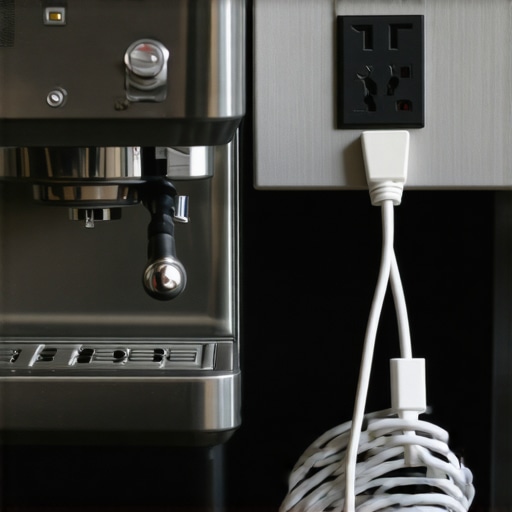
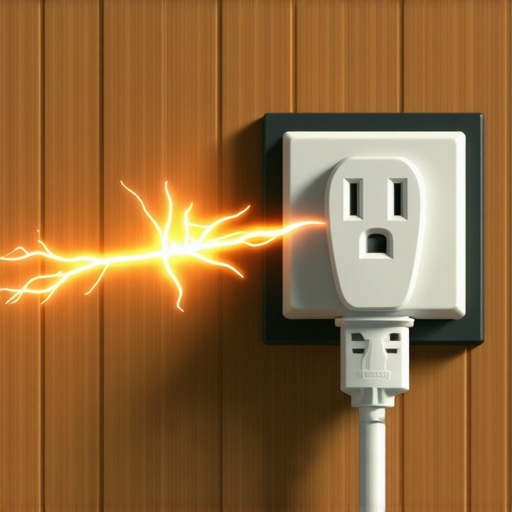
Most home baristas assume that extension cords are a convenient way to add some flexibility to their setup. But here’s the truth—plugging your espresso machine into an extension cord can pose serious risks, from electrical failures to fire hazards. Unlike typical household devices, espresso machines draw substantial power; some models consume over 1500 watts, which can overload thin or low-quality extension cords. I’ve learned this the hard way after a small spark nearly ruined my shiny new machine and, more importantly, my morning routine.
Many safety experts warn that extension cords are not designed to handle high amperage appliances. The result? Overheating wires, voltage drops, and even electrical fires. To protect your investment and ensure your safety, I highly recommend plugging your espresso machine directly into a properly grounded outlet. If the outlet is inconvenient, consider professionally installing a new socket or using a power strip rated for high wattage—never rely on just any extension cord.
Has this simple mistake ever cost you more than just an inconvenience?
Early on, I made the mistake of using a generic, thin extension cord with my espresso machine. The cord overheated, the breaker tripped, and I was left with a grumpy machine and a lingering smell of burnt plastic. That was a wake-up call, and I now understand why many professionals emphasize the importance of dedicated power sources. For more expert advice on selecting the right power setup, check out this guide.
So, why is this topic more relevant than ever? As home espresso setups grow more sophisticated, the power demands increase. Knowing how to handle this safely can save you money, time, and prevent dangerous accidents. In the following sections, I’ll share practical tips to help you optimize your coffee station’s electrical setup and keep your equipment running smoothly. Ready to get it right from the start?
Assess Your Power Sources
Start by inspecting your existing outlets. Use a multimeter to check the voltage consistency and ensure proper grounding. If your outlet isn’t grounded or shows inconsistent voltage, hire a licensed electrician to upgrade your sockets. Avoid plugging high-wattage espresso machines directly into extension cords; instead, dedicate a grounded outlet for your brewing equipment to prevent overloads and potential hazards.
Choose High-Quality Power Strips
Opt for power strips rated for at least 15 amps and labeled for high wattage appliances. Look for models with overload protection and a surge protector. Remember, a reliable power strip distributes power evenly and protects your equipment from unexpected power spikes. For a detailed guide on selecting the best gear, visit this resource.
Position Your Devices Strategically
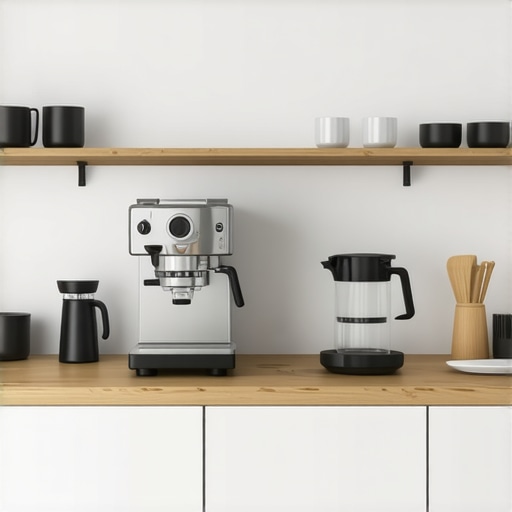
Arrange your espresso machine, grinder, and other devices close to outlets to minimize the need for extension cords. Arrange your setup so cables don’t run across walkways, reducing trip hazards and accidental unplugging. When positioning your equipment, think of it as organizing a racing pit stop—efficiency and safety come from clear, direct routes for power and movement.
Upgrade Your Power Management
If you notice your circuit breaker tripping frequently when your machine is active, it’s time to upgrade your electrical circuit. A dedicated circuit for your coffee setup ensures stable power delivery and prevents overloads. Consult with a professional who can install a dedicated 20-amp circuit if necessary. This is similar to how professional coffee shops handle extensive equipment—ensuring each device has its own power line for optimal performance.
Implement Proper Grounding and Wiring
Verify that your outlets are properly grounded. Faulty grounding can pose electric shock risks or cause damage to sensitive electronics. Use outlet testers or hire an electrician to inspect your wiring. For additional safety tips tailored for home setups, check this guide.
Regular Maintenance and Safety Checks
Set a routine to inspect cords, plugs, and outlets for signs of wear or damage. Replace frayed cords immediately and avoid daisy-chaining multiple power strips. Periodic testing of your electrical setup keeps unexpected failures at bay—think of it as regular tune-ups for your espresso machine to ensure consistent performance and safety.
My Experience with Electrical Upgrades
Once, I had to rewire my home outlet after experiencing persistent tripping and a mild electrical smell during peak usage. Investing in a dedicated circuit and high-quality outlets transformed my setup, allowing me to run my espresso machine alongside other devices safely. This proactive upgrade not only protected my equipment but also gave me peace of mind during long brewing sessions.
When it comes to building the perfect home coffee setup, many enthusiasts fall victim to common myths that can undermine their pursuit of excellent espresso. For instance, the widespread belief that more expensive gear automatically guarantees better results is simply not true. In my experience, nuances like grind consistency, tamping technique, and correct machine maintenance play a far more significant role than brand prestige or flashy accessories. For example, choosing the right grinder tuned to your specific brewing method can dramatically improve flavor clarity—check out this guide to master your grinder selection.
A trap I often see is home baristas investing heavily in premium espresso machines without addressing foundational skills. An advanced machine won’t fix a poorly tamped shot or inconsistent grind size. My advice? Focus first on mastering basic barista techniques and understanding the equipment’s nuances before upgrading your gear. This approach aligns with what industry experts suggest, as detailed in their comprehensive guide.
What many overlook is the subtle influence of water quality and temperature stability. Neglecting these factors can cause inconsistent extraction regardless of your machine or grinder. Proper calibration, such as ensuring the group head temperature remains steady, is crucial. Intriguingly, a recent study published in the *Journal of Coffee Science* emphasizes water mineral content’s impact on flavor extraction, which is often underestimated by home brewers.
Now, consider milk frothing—a seemingly straightforward step. Many focus solely on the frothing process but ignore milk freshness and pitcher technique, which influence microfoam quality. For advanced tips, explore here.
Are you falling prey to surface-level fixes while missing these subtle but impactful details? Let’s dig deeper into the real nuances of home espresso mastery. Have you ever fallen into this trap? Let me know in the comments.
Invest in Precision Tools for Daily Care
Consistent quality starts with proper maintenance. I swear by using a high-quality brush like the coffee grinder brush that reaches deep into burr chambers, preventing the buildup of old grounds which can dull your grinder’s sharpness. For espresso machines, a specialized steam wand cleaning tool allows me to clear out milk residues safely, ensuring consistent frothing each time. These tools are affordable investments that significantly extend your equipment’s lifespan.
Streamline Your Routine with Tech
Automation and software are game-changers. I recommend a digital shot timer, like the reliable espresso shot timer, which helps me dial in extraction times precisely, avoiding under or over-extraction. Moreover, using a water filtration system with pre-programmed maintenance alerts reduces scale buildup, safeguarding your brewing clarity. Predictive maintenance tools are trending, and in the near future, AI-driven sensors are poised to notify you of component wear before breakdowns occur, ensuring your coffee remains top-notch without unexpected downtime.
How do I maintain my gear over time?
Regular cleaning is the bedrock of longevity. I schedule monthly descaling routines for my espresso machine following manufacturer recommendations, which I verify through resources like cleaning guides. Deep-cleaning filters, shower screens, and removing old coffee oils prevents flavor deterioration and mechanical issues. When in doubt, consulting the privacy policy of your machine’s brand can reveal specific maintenance intervals—stick to those schedules, and your setup will perform reliably for years.
Scaling Up Your Coffee Corner
If you’re thinking about expanding your home setup, consider modular components that can be upgraded independently. Adding a bigger grinder like the top-rated grinder for 2025 ensures your flavor profile remains sharp during larger batches, while a second, dedicated power outlet prevents overloads. Remember, a well-maintained system not only enhances your daily brew but also increases the resale value of your gear—so treat maintenance as an investment, not an inconvenience. For advanced advice on routine upgrades, check out the comprehensive tips in this guide.
What I Wish I Knew Before Plugging In
- I learned the hard way that my high-powered espresso machine is not something to connect with just any extension cord. The subtle overheating and even a tiny spark made me realize that dedicated outlets are non-negotiable for serious brewing gear. Always trust the advice that high-wattage appliances need proper grounding—it’s about safety and preserving your investment.
- Choosing cheap power strips seemed fine initially, but I soon discovered that overloading them caused voltage drops that impacted shot quality. From that moment, I prioritized high-quality surge protectors rated for espresso machines, which became a game-changer for consistent results and peace of mind.
- Regular electrical inspections might seem tedious, but they uncovered hidden wiring issues that could have led to costly damage or hazards. A professional check-up ensures your coffee setup remains safe, especially for setups with multiple devices and dedicated circuits.
- Early mistakes in setup taught me that planning your power sources—beyond just the equipment—can prevent many headaches. Think of it like tuning your grinder; a little effort in the beginning saves a lot of troubleshooting later.
Tools and Resources That Elevated My Coffee Game
- Mastering your power setup starts with reliable hardware. I rely on this guide to choosing the right grinder because having a consistent grind is fundamental, and it ties directly with electrical stability.
- For a deeper understanding of professional-grade setups, this resource on barista gear helped me realize how proper electrical and equipment integration is crucial for flawless espresso.
- The milk frother tech guides opened my eyes to the importance of equipment calibration, which is directly affected by stable power sources.
Build Your Confidence to Master Home Barista Skills
Every mistake I made with electrical safety taught me the value of careful planning and respecting the power demands of my gear. Your home espresso journey is as much about mastering the art as it is about understanding the science behind safe setup. Trust me, investing in proper wiring and outlets pays off with better coffee and peace of mind.
Remember, your equipment’s performance depends on the foundation you build—good wiring, proper grounding, and dedicated circuits aren’t just safety features, they’re the keys to unlocking your barista potential. Want a consultation on your electrical setup? Reach out here.