Why Your Espresso Machine Is Leaking From the Steam Valve
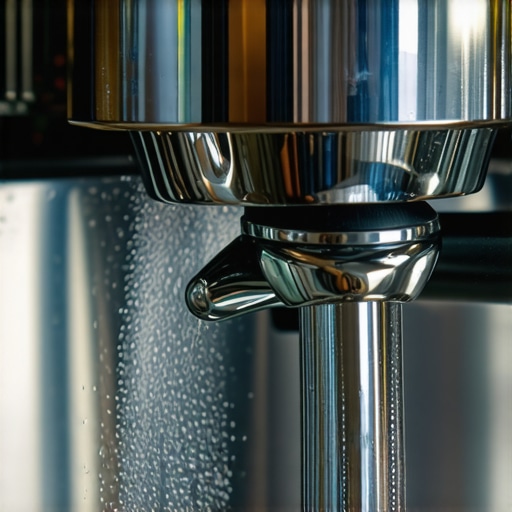
It started as a faint, rhythmic tink-tink-tink against my stainless steel drip tray. At first, I ignored it. I figured it was just leftover condensation from my morning latte. But within a week, that tiny drip turned into a constant hiss that sounded like a miniature snake living inside my machine. I remember staring at my beautiful chrome setup at 6 AM, feeling that sinking pit in my stomach. Was my boiler about to blow? Did I just waste a month’s rent on a faulty machine? It is a gut-punch moment every home barista eventually faces, and usually, it happens because we are treating our gear with a little too much ‘tough love.’
My Countertop Was Turning Into a Small Lake
The truth is, a leaking steam valve is rarely a sign of a terminal illness for your machine. When I first started out with top-rated espresso machines, I made the classic rookie mistake of cranking the steam knob shut like I was tightening a lug nut on a truck. I thought tighter equals a better seal. I was dead wrong. In fact, that is the fastest way to crush your internal gaskets and end up with a leaking steam wand valve pin. Today, we are going to dive into why that valve is betraying you and how to restore that satisfying, dry ‘thud’ when you close the steam. Whether you are dealing with a slow weep or a full-on spray, most of these fixes are surprisingly tactile and do not require an engineering degree. If you have noticed the reason your steam wand valve feels gritty lately, you are already seeing the warning signs of scale or seal degradation.
Is a Tiny Drip Actually Worth Worrying About?
You might think a couple of drops a minute is just ‘character.’ But here is the kicker: that leak is a symptom of internal pressure issues or mineral buildup that can eventually kill your heating element. According to technical bulletins from high-end manufacturers like La Marzocco, even minor leaks can lead to significant scale accumulation around the valve seat, eventually requiring a full component replacement rather than a simple O-ring swap. It is also incredibly annoying when your espresso machine is discharging too much water into the drip tray, forcing you to empty it twice as often. Have you ever found yourself tightening the knob harder and harder just to get the dripping to stop? I want to hear your story because I have been exactly where you are, and I can tell you that the solution is much gentler than you think. Let’s look at why this happens and how to save your morning routine.
Get Under the Hood Before the Leak Gets Worse
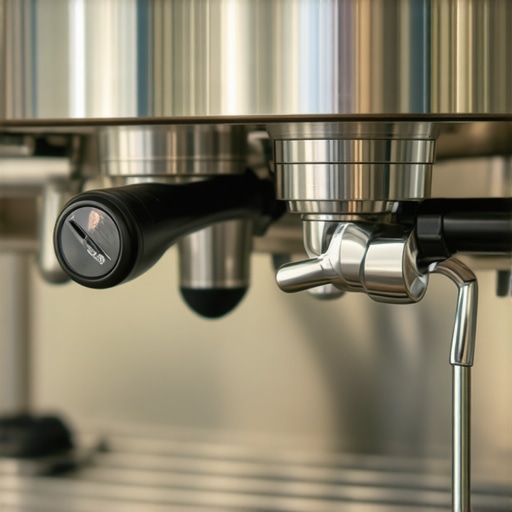
To stop that annoying drip, you need to understand that your steam valve is a mechanical gatekeeper. Inside, there is usually a brass pin and a rubber gasket. When you turn the knob, you are physically pushing that pin into a seat to block the steam. If you have been [mastering the art of home espresso tips for beginners](https://espressotechguide.com/mastering-the-art-of-home-espresso-tips-for-beginners), you probably know that heat and pressure are constant enemies of rubber. Over time, that gasket flattens out like a pancake, and no amount of turning will make it seal. I once spent an entire Saturday morning trying to ‘force’ a seal on my old Silvia, only to snap the internal tension spring. It was a $40 mistake for a $2 part. Don’t be like past-me; be gentle and systematic.
Grab the Right Tools for a Scratch-Free Finish
Before you touch a wrench to your machine, wrap the jaws in electrical tape or use a microfiber cloth as a buffer. Espresso machines are often showpieces, and nothing ruins the vibe faster than a jagged tooth mark on a chrome nut. You will want to learn [how to tighten a loose steam wand nut without scratching the chrome](https://espressotechguide.com/how-to-tighten-a-loose-steam-wand-nut-without-scratching-the-chrome) properly. Most valves require a standard adjustable wrench and perhaps a pair of needle-nose pliers for the internal clips. If you are working on [top-rated espresso machines](https://espressotechguide.com/top-rated-espresso-machines-for-coffee-lovers-in-2025), check the manufacturer’s diagram online first so you know exactly which way the washers face. 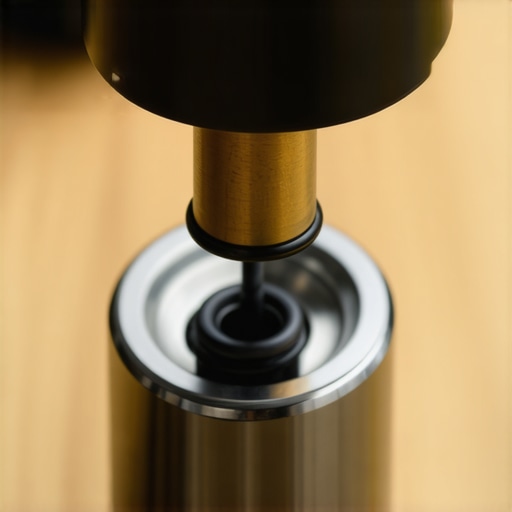
Step-by-Step Into the Heart of the Valve
Start by making sure the machine is completely off and the boiler pressure is at zero. I cannot stress this enough. I once opened a valve while the boiler was still warm, and the resulting ‘whoosh’ of hot air nearly sent my [coffee grinder](https://espressotechguide.com/how-to-select-the-perfect-coffee-grinder-for-your-brew) flying off the counter. Once it is cool, unscrew the retaining nut behind the steam knob. As you pull the assembly out, watch for the orientation of the spacers. This is usually where you will find [the reason your steam wand valve feels gritty](https://espressotechguide.com/the-reason-your-steam-wand-valve-feels-gritty)—it is often a mix of dried milk proteins and old lubricant. While the valve is apart, it is the perfect time to [how to clean the inside of your steam wand pipe](https://espressotechguide.com/how-to-clean-the-inside-of-your-steam-wand-pipe) to ensure your [milk frothers](https://espressotechguide.com/milk-frothers-that-transform-your-coffee-experience) are performing at their peak.
Identify the True Culprit Behind the Hiss
Examine the rubber tip of the valve pin. If it has a deep, permanent groove or looks cracked, it is done. You will need to [how to fix a leaking steam wand valve pin](https://espressotechguide.com/how-to-fix-a-leaking-steam-wand-valve-pin) by replacing that specific seal. If the rubber looks fine, the issue might be scale. Soak the metal parts in a mild descaling solution for ten minutes. When I did this for a friend’s machine last month, the amount of green ‘gunk’ that came off the brass was shocking. Once clean, apply a tiny, paper-thin layer of food-grade silicone grease to the threads and the O-rings. This lubrication is what gives you that buttery-smooth ‘pro’ feel when you turn the knob to steam your morning latte.The obsession with ‘clean’ can actually be your machine’s worst enemy if you aren’t paying attention to what’s happening under the hood. Most home baristas think that if they backflush and descale, their top-rated espresso machines will last forever. But here is the nuance: cleanliness without lubrication is just accelerated friction. I see it all the time with E61 groups—people use harsh detergents that strip away every trace of oil, and suddenly their lever feels like it’s grinding through sand. If you don’t know how to properly lubricate your e61 group head cam, you are essentially sandpapering your brass internals every time you pull a shot. The same applies to your steam valve. Those ‘squeaky’ turns are the sound of metal-on-metal wear that eventually leads to a permanent leak no gasket can fix. 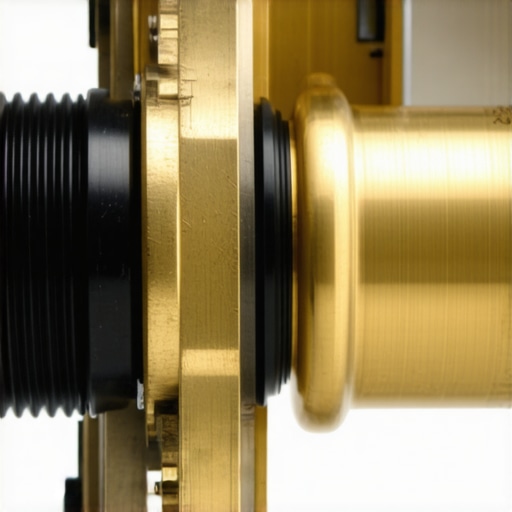
Stop Killing Your Machine with Cleanliness
To maintain that professional tactile feel, you must apply food-grade silicone grease to the valve stem. According to a technical study by the Specialty Coffee Association (SCA) regarding water standards and equipment longevity, mineral composition doesn’t just affect taste; it dictates the mechanical lifespan of brass components through calcification and friction. Without a thin barrier of lubricant, the high heat of the boiler causes the metal to expand and bind. This is the ‘Oops’ factor that leads many to over-torque the knob, eventually crushing the seal. It’s the same proactive mindset that involves the move that saves your grinder from unnecessary wear by ensuring you never adjust the grind size while the motor is stationary.
Why Your Steam Pressure Dips Right When You Need It Most
It is a common frustration: you open the valve, get a great blast of steam for three seconds, and then it whimpers out. You might think your heating element is failing, but often, the culprit is a partially blocked valve or a scaling issue on the water level probe. If you have noticed the reason your steam pressure dips when you open the valve, it’s likely your machine is struggling to maintain the ‘head’ of steam because of mineral interference. This is why choosing the best barista gear for coffee enthusiasts also means choosing a robust water filtration system from day one.
The Hidden Danger of Descaling an Old Machine
Here is a contrarian take that might surprise you: sometimes, descaling an old, neglected machine is the worst thing you can do. If you have years of buildup and you suddenly run a strong citric acid solution through it, you aren’t just dissolving scale; you are loosening ‘chunks.’ One of those tiny calcified pebbles can easily lodge itself right in the seat of your steam valve, preventing a seal and causing a constant hiss. Then, you’re left wondering why your coffee tastes like vinegar after descaling while your machine leaks worse than before. When you are mastering the art of home espresso tips for beginners, it’s tempting to over-obsess about the coffee grinder and the beans, but the mechanical health of the valve is what ensures your milk frothers actually have the power to create microfoam. Have you ever fallen into the trap of over-tightening your valve only to find it dripping faster the next day? Let me know in the comments.I have seen those comments, and the solution usually starts with a trip to the hardware store for the right kind of grease. When I say I am obsessed with my ‘Barista First Aid Kit,’ I am not kidding. After years of dealing with sticky levers and weeping valves, I have realized that the difference between a machine that lasts five years and one that lasts twenty is just a few dollars’ worth of specialized supplies.
Build your own barista first aid kit
Personally, I never touch my machine without a tub of Molykote 111. This isn’t your average lubricant. According to its official technical specifications, Molykote 111 is an NSF 51/61 certified food-grade silicone that remains stable up to 204°C (400°F). Most home baristas use generic grease that melts and runs into their coffee at boiler temperatures, but this heavy-duty stuff stays exactly where you put it. This is how you ensure that when you how to properly lubricate your e61 group head cam, the motion remains buttery for months rather than days. Alongside the grease, I recommend a set of ‘stubby’ screwdrivers for those tight spaces behind the group head and a brass-bristle brush. Unlike steel, brass won’t gouge your chrome, but it will strip away the most stubborn burnt-on oils.
Don’t fly blind when it comes to water quality
You can have the most expensive choosing the best barista gear for coffee enthusiasts, but if your water is trash, your machine will follow suit. I learned the easy way to test your machines water hardness at home after a $300 repair bill for a scaled-up boiler. I now use a drop-titration kit every month because municipal water chemistry changes with the seasons. Looking ahead, I predict we will soon see smart sensors integrated into the water tanks of top-rated espresso machines that provide real-time mineral analysis via an app. Until then, manual testing is your only defense.
How do I maintain my machine’s peak performance for the next decade?
The secret is a ‘preventative strike’ mindset. Once a year, I perform a deep audit of my entire workflow. I check my grinder’s output to see how to tell if your espresso grinder burrs are dull, as even the best steel loses its edge after about 500-800 pounds of coffee. I also double-check the move that saves your grinder from unnecessary wear by ensuring I only adjust the grind setting while the burrs are spinning. Consistency isn’t just about the recipe; it’s about the mechanical health of your tools. Try this: tonight, pull your shower screen off. If it’s coated in black sludge, your shots will never taste clean, no matter how good your beans are. Scrub it, lube it, and feel the difference in the next morning’s pull.
Lessons from the Steam Valve Frontlines
After years of tinkering, I realized that the death grip is the number one killer of home gear. If you find yourself using your full body weight to close a valve, you have already lost. A healthy valve should close with two fingers; if it does not, that is your machine’s way of asking for a quick clean rather than more force. I also learned that scale is a master of disguise; sometimes it does not look like a mountain of white crust, but just a thin, invisible film that makes the reason your steam wand valve feels gritty apparent once you pull it apart. My biggest lightbulb moment? Realizing that preventive maintenance is not a chore—it is the only way to keep your morning ritual from turning into a stressful repair project at 7 AM.
What Lives in My Espresso Repair Kit
To keep my setup running like a dream, I rely on a few specific items that go beyond a basic screwdriver. First, a tub of Molykote 111 is non-negotiable for anyone mastering the art of home espresso tips for beginners. It is the only lubricant that truly withstands the high-heat environment of a steam boiler. Second, I swear by a dedicated water test kit; knowing the easy way to test your machines water hardness at home has saved me from thousands in future repair bills. Finally, keep a stash of food-grade O-rings specific to your machine’s model. These small, inexpensive rings are the gatekeepers of your steam pressure, and having them on hand makes choosing the best barista gear for coffee enthusiasts feel like a truly professional endeavor.
Take Charge of Your Espresso Journey
The transition from a casual coffee drinker to a true home barista happens the moment you decide to stop being intimidated by your machine’s internals. Fixing a leak is a rite of passage. It connects you to the tactile reality of how water, heat, and pressure create that perfect shot. Once you have successfully serviced your valve, you will find that your milk frothers perform more consistently and your top-rated espresso machines reward you with years of trouble-free service. Don’t wait for a puddle on the counter to take action; a well-maintained valve is the secret to a lifetime of great lattes. Have you ever tightened your steam knob so hard you were afraid it might snap off? Let me know your maintenance horror stories in the comments below!