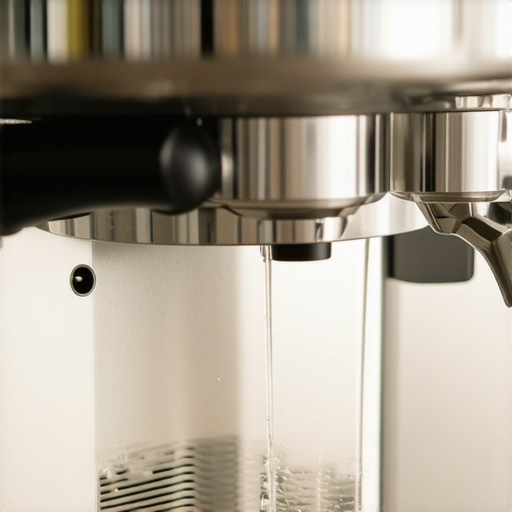
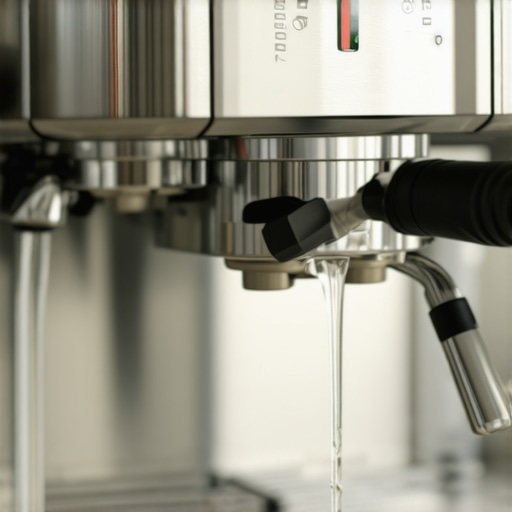
Why Your Espresso Machine Needs a Dedicated Water Filter
Imagine sitting in your kitchen, eagerly trying to perfect that shot of espresso, only to be met with a bitter, off-tasting brew. Frustrating, right? I remember the first time I noticed my espresso’s flavor changing—what was once smooth and vibrant became dull and metallic. It was a lightbulb moment that led me down the rabbit hole of water quality and equipment maintenance. The truth is, your espresso machine’s performance—and the taste of your coffee—depends heavily on the water you use.
Protect Your Investment and Your Taste Buds
For many home enthusiasts, the focus is on grinders, tampers, and milk frothers. But what often gets overlooked is the quality of water flowing through the machine. Untreated tap water can contain minerals, chlorine, and impurities that not only alter the taste but also cause buildup and corrosion inside your machine. Over time, these deposits can lead to costly repairs or even shorten your equipment’s lifespan.
Did you know that hard water minerals can cause scale buildup, reducing the efficiency of your espresso machine and affecting coffee extraction? According to the Specialty Coffee Association, water composition is crucial for optimal extraction and flavor development. Yet, many of us ignore this, thinking regular cleaning is enough.
The good news? Investing in a dedicated water filter is a simple, effective step to safeguard your machine and elevate your coffee game. Today, I’ll walk you through why this small addition makes a huge difference and how to get started.
So, is a water filter actually worth the hype?
I admit, I was skeptical at first—thinking it might be an unnecessary expense or hassle. My early mistake was neglecting water quality entirely, assuming tap water would suffice. That oversight led to scale problems and inconsistent brew quality. Once I switched to filtered water, I noticed a dramatic improvement in flavor and a significant reduction in the need for descaling.
If you’ve faced similar issues, or if you’re just starting your home espresso journey, understanding the importance of a dedicated water filter can save you time, money, and so much disappointment. Let’s dive into how you can choose and install the perfect filter for your setup, ensuring every shot is as good as a professional’s.
Choose the Right Water Filter System
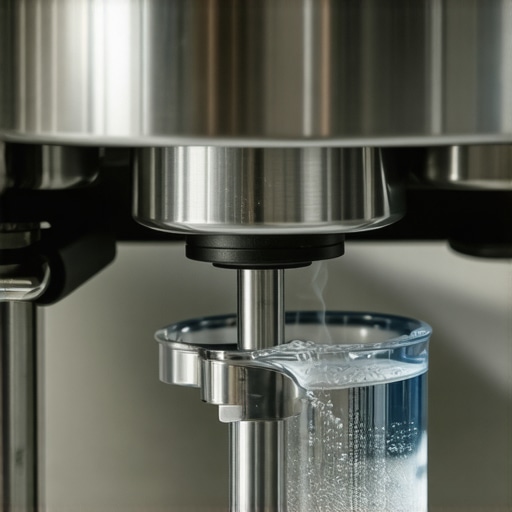
First, assess your tap water’s mineral content using a testing kit or from your local utility provider. For most home setups, a reverse osmosis or carbon-based filter reduces chlorine and impurities effectively. When selecting a filter, consider compatibility with your espresso machine—some filters are designed specifically for espresso enthusiasts. Check reviews and certifications to ensure quality. For example, a popular option is a multi-stage filter that removes both chlorine and minerals that cause scale buildup. Once selected, turn off your machine and prepare your workspace by clearing space for installation. If you’re unsure about compatibility or installation steps, you can contact our experts for personalized guidance.Many enthusiasts believe that upgrading to the latest espresso machine or a fancy grinder guarantees perfect results, but the truth is, understanding the nuances of your gear is essential for consistent quality. One common myth is that more expensive equipment always produces better coffee; however, a highly rated machine can still underperform if not configured properly or paired with unsuitable accessories. For instance, a top-tier espresso machine with a poorly calibrated grinder or incorrect tamping technique can yield bitter or under-extracted shots. It’s crucial to realize that gear is only part of the equation—technique, regular maintenance, and understanding each component’s role play an even bigger part in your brewing success.
Another trap many fall into is neglecting the importance of grinder calibration. Even minor misadjustments can lead to uneven grind size, causing inconsistent extraction and flavor. Regularly calibrating your grinder using the proper tools or methods—like a standard coin for an accurate calibration—is vital to maintain uniformity, especially when switching beans or adjusting for different roast levels. Overlooking this step often results in dull or sour brews, despite having high-end equipment. For detailed calibration tips, check out our guide on calibrating your coffee grinder.
Let’s talk about milk frothing gadgets. Many assume that the most advanced milk frother guarantees barista-quality microfoam. But here’s the catch: technique matters more than tools. An overly powerful frother can create large bubbles or heat the milk unevenly if not used carefully. More importantly, using a device without understanding how to control steaming temperature and position can lead to burnt or separated milk. That’s why mastering the art of frothing—by focusing on your hand movements and temperature control—often yields better results than simply investing in expensive gadgets. For tips on perfecting froth texture, visit our milk frother insights.
A critical advanced mistake is overlooking the role of water quality in your gear’s longevity and performance. Many assume that simply descaling their machine is enough; however, impurities in water—like minerals and chlorides—can cause scale buildup or corrosion regardless of cleaning routines. This happens especially when using tap water without filtration. Using a dedicated water filter or reverse osmosis system can drastically extend your machine’s lifespan and improve taste fidelity. Interestingly, a study published in the *Journal of Coffee Science* emphasizes that water composition directly affects extraction quality and equipment health. Learn about choosing the right water setup to avoid costly repairs and achieve optimal flavor.
What should you watch out for in your gear maintenance routine? The mistake of neglecting routine inspections can be costly. For example, a failing group gasket or a clogged shower screen can subtly sabotage your espresso shots. Regularly inspecting and replacing worn parts—like group gaskets—ensures consistent pressure and extraction. Also, understanding how to identify signs of internal scaling or pressure drops can save you from brewing disappointments. If you’re unsure about technical diagnostics, reaching out for expert advice can be a smart move—contact us at our support page.
Remember, being an advanced home barista isn’t just about having the best gear; it’s about mastering each component and understanding the hidden variables that influence your final cup. Do you ever fall into these misconceptions? Let me know in the comments! Keep refining your knowledge, and your coffee will thank you.Maintaining your coffee equipment is essential for achieving professional-quality brews at home. Regular cleaning of your espresso machine, grinder, and milk frother extends their lifespan and ensures optimal performance. For instance, I personally swear by weekly backflushing my machine with a blind filter and descaling quarterly using a machine-specific descaler—these small routines prevent scale buildup and preserve flavor clarity. Incorporating troubleshooting tools like a calibrated coffee scale helps monitor your shot consistency over time, catching issues early before they impact taste. Using a dedicated water filter not only improves flavor but also minimizes limescale formation, reducing maintenance costs in the long run. As technology improves, I predict smarter, self-cleaning machines will become more prevalent, further simplifying upkeep. To stay ahead, I recommend integrating a routine maintenance checklist into your coffee routine and investing in quality tools like the best barista gear designed for easy cleaning and calibration. How do you ensure your gear remains trouble-free over time? A top tip is to regularly clean the shower screen and gasket—clogging here diminishes water flow and extraction quality. Try scheduling monthly inspections using simple tools like a standard coin for calibration to maintain consistency. Remember, a well-maintained setup saves you money and elevates your coffee experience.
Over the course of my journey into home espresso, I’ve uncovered some truths that transformed my brewing routine and the flavor of my coffee. One of the most impactful lessons was realizing that the quality of water isn’t just a minor detail—it’s a game-changer. By making small, intentional adjustments, like installing a dedicated water filter and understanding water chemistry, I was able to consistently pull shots that rival those from seasoned baristas. This insight didn’t just improve the taste; it extended my equipment’s lifespan and reduced maintenance headaches. If you’re serious about elevating your home espresso game, investing in your water quality knowledge might be the best decision you make.