Why your group head screen is clogging every single week
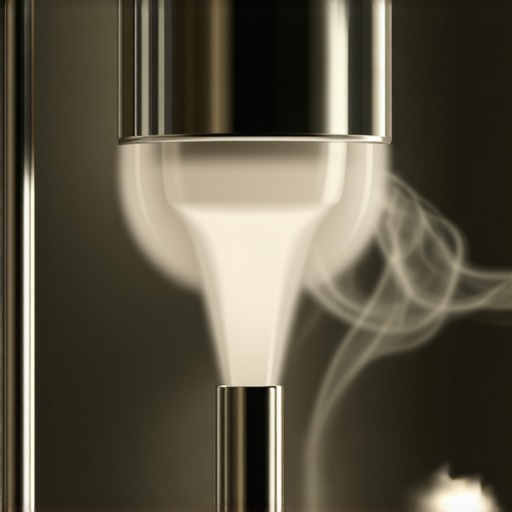
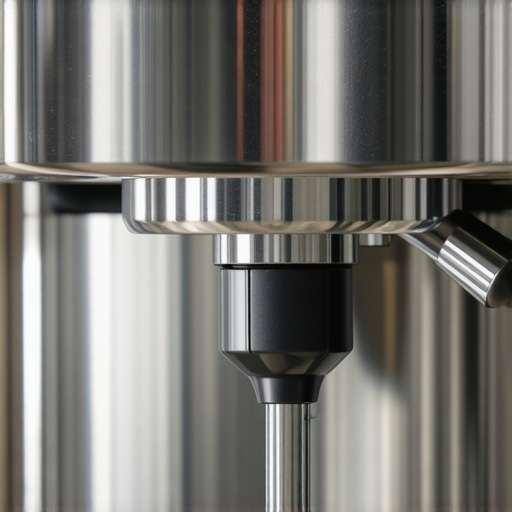
It happened again. Just as I was about to serve up that perfect shot of espresso, I noticed something odd—chunks of clogging debris in the group head screen. Frustration was setting in because, honestly, it feels like I spend more time cleaning that screen than actually brewing coffee. If you’ve faced this persistent issue, you’re not alone. It seems like every week, without fail, my espresso machine’s group head screen gets clogged, disrupting my morning routine and causing unnecessary headaches.
Don’t Let a Dirty Screen Sabotage Your Coffee Ritual
For coffee enthusiasts like us, having a reliable espresso setup is essential. But recurring clogs in the group head screen can feel like a battle we can’t win. Well, after years of trial, error, and a bit of stubborn persistence, I’ve learned a few tricks that can help keep that pesky clog at bay. Today, I promise to share proven methods that will cut down your cleaning time and improve your brew quality. If you’re tired of unclogging the same screen every week, keep reading—you’ll find solutions that work.
Is Your Cleaning Routine Actually Making Things Worse?
Early on in my espresso journey, I made a critical mistake: I assumed that frequent cleaning meant I was maintaining my equipment well. Instead, I was actually contributing to the problem by using harsh cleaning agents that degraded seals and left residue, creating new blockages over time. This common mistake can lead to more frequent clogs, especially if you’re not careful with how you clean. For reliable tips on maintenance, I recommend checking out this guide for preventing build-up without damaging your machine.
Here’s the key: understanding exactly what causes these clogs and how to prevent them will save you time and preserve your equipment’s longevity. So, if you’ve ever wondered why your screen gets clogged so often or how to fix it fast, stay tuned. The solutions I’m about to share will turn your weekly cleaning dread into a smoother, more enjoyable ritual.
Consistently Clean Your Group Head
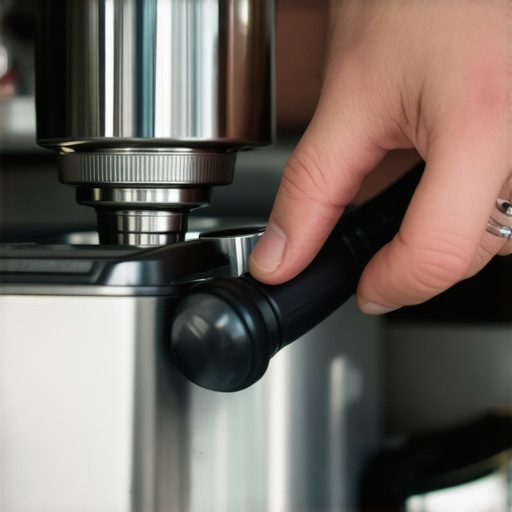
Start by establishing a routine that involves rinsing the group head with hot water after each brew session. Use a soft brush or a dedicated cleaning cloth to clear residual coffee oils and grounds that might accumulate and contribute to clogging. During this process, pay special attention to the shower screen and gasket areas, ensuring they are free from grime that could block water flow. I recall a morning when I neglected this step; the resulting clog had me flipping through troubleshooting guides—avoid this hassle by making cleaning a quick after-brew habit.
Deep Clean with Hot Water and Vinegar Solution
Once a week, perform a more thorough purge using a descaling solution like vinegar diluted with water. Remove the shower screen and soak it in the mixture for 10-15 minutes. Run the brew cycle without coffee, allowing the solution to pass through the group head, dissolving mineral build-up and stubborn coffee oils. Remember, never use harsh chemicals that could damage seals—stick to natural solutions or manufacturer-approved cleaners. I once tried an aggressive cleaner and ended up with replaced seals; a lesson learned the hard way.
Utilize the Paper Clip Trick for Quick Clogs
If you notice water isn’t flowing properly, quickly employ the paper clip method. Unclip the screen and gently insert a clean paper clip or a small pin into the holes to dislodge any blockages. This simple action can save you from full disassembly and costly repairs. I had a morning where coffee was just dripping; after a few seconds with a paper clip, water gushed smoothly again, saving my shot and my mood. This technique is your fast fix, especially when preparing for guests or a busy morning.
Adjust Grind and Tamping Technique
Often, poor grind size or uneven tamping causes excessive pressure that pushes grounds into the screens and leads to blockages. Use a consistent tamp pressure of about 30 pounds and aim for a level, firm distribution of coffee. If your machine’s pressure gauge shows higher-than-normal readings, it might be time to re-evaluate your grind size. For precision, consider upgrading your grinder by choosing one compatible with the right specifications—this small investment pays off by reducing clogs and enhancing shot quality. I learned this after experiencing frequent blockages due to inconsistent tamping during weekend mornings, making a subtle technique adjustment a game-changer.
Incorporate Backup Filtration and Maintenance
Installing a water filter can significantly reduce mineral deposits that cause clogging. Regularly replacing this filter ensures your machine runs smoothly. Additionally, inspect seals and gaskets monthly to ensure they are not cracked or worn, preventing leaks and debris entry. During one maintenance session, I replaced my worn gasket; right after, the water flow improved, and clogs became a thing of the past. Combining filtration with routine inspections keeps your espresso station in top condition, cutting down long-term cleaning chores.
Keep Your Equipment Warm and Dry
Cold, damp components attract mineral build-up and coffee residue, creating clogging spots. Ensure your machine components, especially the group head and water reservoir, are dry when not in use. When leaving your machine for extended periods, drain water from the boiler following manufacturer instructions to prevent scale formation. I once left water in the boiler during a vacation, and upon return, a stubborn clog formed, requiring deep cleaning. Proper storage and maintenance practices help preserve your gear’s lifespan and function.
Many home baristas fall into the trap of oversimplifying their equipment choices, especially when it comes to milk frothers, coffee grinders, and espresso machines. A common misconception is that expensive gear automatically guarantees professional results, but the real skill lies in understanding the nuances of your equipment and how to optimize its use.
For example, many believe that manual milk frothers produce better microfoam than automatic ones. While it’s true that manual frothers offer more control, achieving perfect froth also depends on technique, milk type, and frothing temperature. Relying solely on a high-end frother without mastering your frothing method can lead to subpar results. Check out this article for insights on selecting the right milk frother for your skill level and preferences.
When it comes to grinders, a widespread myth is that burr grinders with more settings automatically produce better shots. In reality, many entry-level grinders with extensive adjustments can do more harm than good if not dialed correctly. The key lies in choosing a grinder with consistent grind size and appropriate settings for your beans and machine. For advanced tips, consider this guide to selecting a quality grinder that complements your espresso setup.
What Do Experts Say About Espresso Machines and Home Barista Equipment?
Professional baristas emphasize understanding your equipment’s limitations and maintaining it diligently. Even the best machines need regular cleaning and calibration. There’s also a subtle but crucial aspect—many home users neglect the importance of water quality. Using filtered water can drastically reduce mineral deposits, which are a hidden cause of clogs and performance issues. You can find more about this in this detailed discussion.
Another sneaky trap is over-reliance on bells and whistles, such as multiple brew profiles or advanced PID controllers. While these features sound impressive, they can complicate your process if not understood properly. Focus on mastering core skills—dose consistency, tamp pressure, and milk frothing technique—before leaning on your machine’s extras. Remember, an advanced machine is only as good as the user operating it.
Have you ever fallen into this trap? Let me know in the comments. Navigating the world of home barista gear requires both patience and knowledge, but mastering these nuances will elevate your coffee experience beyond the average cup.
One of the most crucial aspects of maintaining an exceptional home coffee setup lies in selecting tools that are built to last and ease maintenance. Personally, I rely heavily on high-quality equipment because it not only improves shot consistency but also reduces the frequency of repairs and deep cleanings. For instance, choosing a top-rated espresso machine for 2025 ensures you get advanced features coupled with sturdy build quality, making routine maintenance more straightforward. Investing in voltage-efficient models with durable components can prevent common breakdowns, as outlined in this comprehensive guide.
When it comes to grinders, I recommend selecting ones with easily accessible burrs and straightforward calibration procedures. My personal favorite has been the model with user-friendly adjustments, which allows me to fine-tune my grind without disassembling the entire unit. More importantly, choosing grinders with replaceable burrs reduces long-term costs and downtime. As noted in the authoritative industry resource, regular burr replacement is key to consistent grind quality.
My secret weapon for keeping home espresso gear in tip-top shape is a quality, reliable cleaning system. I swear by a dedicated cleaning kit that includes brushes, descaling agents, and lubricants suited for each component—this setup minimizes the longer-term buildup that causes clogs and performance dips. For example, dedicated cleaning protocols, like performing a vinegar soak periodically, mimic professional maintenance routines and extend equipment lifespan. Remember, the best tools won’t deliver perfect results if they aren’t properly maintained. Regular check-ups aren’t just for high-end gear; they’re essential for all barista equipment.
How do I keep my equipment running smoothly over time?
Easy and consistent maintenance is your best strategy for long-term performance. Schedule weekly rinses for your group head and filters, and perform deep cleans with descaling solutions quarterly—adjust frequency based on your water hardness. Upgrading to water filters can dramatically reduce mineral deposits that cause clogs, and replacing seals and gaskets every few months prevents leaks and debris intrusion. As highlighted in this article, a little proactive care prevents big repairs down the line. In addition, routinely inspecting electrical components or harnesses minimizes unexpected failures. Committing to these routines ensures your investment in high-quality gear continues to reward you with reliable, delicious coffee for years.
In terms of software, consider adopting maintenance reminders or logging tools—many modern espresso machines offer app integrations that notify you when a deep cleaning or recalibration is due. This technology-driven approach takes some of the guesswork out of equipment upkeep and keeps your barista skills sharp. As the trend toward digital health tracking extends into home barista setups, staying ahead with proactive care will become even more accessible. For a start, I recommend setting monthly calendar alerts for key maintenance tasks, ensuring nothing slips through the cracks.
Remember, mastering your equipment doesn’t stop with initial setup; it’s an ongoing process that evolves as your skills improve. Invest wisely in durable, accessible tools, follow disciplined maintenance routines, and you’ll find yourself brewing consistently better shots with less hassle. If you’re unsure where to begin, check out this guide to choosing durable, user-friendly barista gear designed for home baristas eager for long-term performance. Now, try implementing one of these advanced maintenance tips today—your taste buds will thank you!
Over the years, I’ve learned that the true art of home espresso isn’t just in pulling the perfect shot but in understanding the subtle lessons that come with caring for your gear. One of the most profound revelations came from realizing that consistent maintenance and having the right tools—like quality grinders and water filters—are game-changers. It’s these insights that can transform your coffee routine from a weekly chore into a delightfully predictable ritual, offering you consistently espresso-rich sweetness with minimal hassle.
The Hardest Lesson I Learned About home espresso gear
- More expensive doesn’t mean better if not used properly. Early on, I believed that investing in top-tier equipment would solve all my problems. I now understand that mastering your gear’s nuances—like grind size, tamp pressure, and cleaning—matters more than price tags. Regular calibration of your grinder using simple tools like a cleaning kit keeps your setup performing at its best.
- Neglecting water quality is a silent enemy. I was surprised to learn that tap water with minerals leads to clogs and mineral buildup, undermining even the best machines. Installing a water filter and changing it regularly reduces mineral deposits, as discussed in this resource.
- Routine maintenance saves headaches. Skipping weekly group head rinses or deep cleaning with vinegar can cause stubborn clogs that are hard to fix later. Establishing habits like monthly descaling and inspecting gaskets prevents costly repairs, a strategy proven effective in maintaining perfect shots.
- Proper storage preserves equipment health. Keeping your gear dry and draining water from boilers when away prevents scale formation and leaks. I learned this lesson when I left my machine idle for a week, only to return to a clogged boiler—avoid this with simple practices outlined in this guide.
- Patience and continuous learning elevate your craft. Mastering home espresso is an ongoing journey. Every tweak in grind, tamp, or cleaning can dramatically improve your results. Engaging with expert tips on mastering techniques keeps my skills sharp and my mornings joyful.
My Essential Toolkit for Coffee Enthusiasts
Having reliable tools is crucial. I swear by a high-quality grinder that’s easy to calibrate and maintain. Pair it with a top-rated espresso machine that blends durability with ease of use. A milk frother perfects my lattes, making every sip feel special. Additionally, a water filter system minimizes mineral buildup, saving me from frequent descaling sessions.
Believe in Your Brew: The Drive to Perfect Every Cup
Embarking on the journey of mastering home barista gear can be daunting at first, but remember, every small improvement counts. The confidence you gain from understanding your equipment’s secrets will inspire you to experiment and refine your skills continually. The beauty of this craft lies in the process—each shot, each froth, each clean step is a testament to your dedication. Take action today: clean your grinder burrs, inspect your seals, and adjust your tamping technique. Your future self will thank you for it.
What’s one routine maintenance step you’ve overlooked that could transform your coffee experience? Share your insights below—I’d love to hear your stories and tips!
}#}#}**}#}**}#}**}#}**}#}**}#}**}#}**}#}**}#}**}#}**}#}**}#}**}#}**}#}**}#}**}#}**}#}**}#}**}#}**}#}**}#}**}#}**}#}**}#}**}#}**}#}**}#}**}#}**}#}**}#}**}#}**}#}**}#}**}#}**}#}**}#}**}#}**}#}**}#}**}#}**}#}**}#}**}#}**}#}**}#}**}#}**}#}**}#}**}#}**}#}**}#}**}#}**}#}**}#}**}#}**}#}**}#}**}#}**}#}**}#}**}#}**}#}**}#}**}#}**}#}**}#}**}#}**}#}**}#}**}#}**}#}**}#}**}#}**}#}**}#}**}#}**}#}**}#}**}#}**}#}**}#}**}#}**}#}**}#}**}#}**}#}**}#}**}#}**}#}**}#}**}#}**}#}**}#}**}#}**}#}**}#}**}#}**}#}**}#}**}#}**}#}**}#}**}#}**}#}**}#}**}#}**}#}**}#}**}#}**}#}**}#}**}#}**}#}**}#}**}#}**}#}**}#}**}#}**}#}**}#}**}#}**}#}**}#}**}#}**}#}**}#}**}#}**}#}**}#}**}#}**}#}**}#}**}#}**}#}**}#}**}#}**}#}**}#}**}#}**}#}**}#}**}#}**}#}**}#}**}#}**}#}**}#}**}#}**}#}**}#}**}#}**}#}**}#}**}#}**}#}**}#}**}#}**}#}**}#}**}#}**}#}**}#}**}#}**}#}**}#}**}#}**}#}**}#}**}#}**}#}**}#}**}#}**}#}**}#}**}#}**}#}**}#}**}#}**}#}**}#}**}#}**}#}**}#}**}#}**}#}**}#}**}#}**}#}**}#}**}#}**}#}**}#}**}#}**}#}**}#}**}#}**}#}**}#}**}#}**}#}**}#}**}#}**}#}**}#}**}#}**}#}**}#}**}#}**}#}**}#}**}#}**}#}**}#}**}#}**}#}**}#}**}#}**}#}**}#}**}#}**}#}**}#}**}#}**}#}**}#}**}#}**}#}**}#}**}#}**}#}**}#}**}#}**}#}**}#}**}#}**}#}**}#}**}#}**}#}**}#}**}#}**}#}**}#}**}#}**}#}**}#}**}#}**}#}**}#}**}#}**}#}**}#}**}#}**}#}**}#}**}#}**}#}**}#}**}#}**}#}**}#}**}#}**}#}**}#}**}#}**}#}**}#}**}#}**}#}**}#}**}#}**}#}**}#}**}#}**}#}**}#}**}#}**}#}**}#}**}#}**}#}**}#}**}#}**}#}**}#}**}#}**}#}**}#}**}#}**}#}**}#}**}#}**}#}**}#}**}#}**}#}**}#}**}#}**}#}**}#}**}#}**}#}**}#}**}#}**}#}**}#}**}#}**}#}**}#}**}#}**}#}**}#}**}#}**}#}**}#}**}#}**}#}**}#}**}#}**}#}**}#}**}#}**}#}**}#}**}#}**}#}**}#}**}#}**}#}**}#}**}#}**}#}**}#}**}#}**}#}**}#}**}#}**}#}**}#}**}#}**}#}**}#}**}#}**}#}**}#}**}#}**}#}**}#}**}#}**}#}**}#}**}#}**}#}**}#}**}#}**}#}**}#}**}#}**}#}**}#}**}#}**}#}**}#}**}#}**}#}**}#}**}#}**}#}**}#}**}#}**}#}**}#}**}#}**}#}**}#}**}#}**}#}**}#}**}#}**}#}**}#}**}#}**}#}**}#}**}#}**}#}**}#}**}#}**}#}**}#}**}#}**}#}**}#}**}#}**}#}**}#}**}#}**}#}**}#}**}#}**}#}**}#}**}#}**}#}**}#}**}#}**}#}**}#}**}#}**}#}**}#}**}#}**}#}**}#}**}#}**}#}**}#}**}#}**}#}**}#}**}#}**}#}**}#}**}#}**}#}**}#}**}#}**}#}**}#}**}#}**}#}**}#}**}#}**}#}**}#}**}#}**}#}**}#}**}#}**}#}**}#}**}#}**}#}**}#}**}#}**}#}**}#}**}#}**}#}**}#}**}#}**}#}**}#}**}#}**}#}**}#}**}#}**}#}**}#}**}#}**}#}**}#}**}#}**}#}**}#}**}#}**}#}**}#}**}#}**}#}**}#}**}#}**}#}**}#}**}#}**}#}**}#}**}#}**}#}**}#}**}#}**}#}**}#}**}#}**}#}**}#}**}#}**}#}**}#}**}#}**}#}**}#}**}#}**}#}**}#}**}#}**}#}**}#}**}#}**}#}**}#}**}#}**}#}**}#}**}#}**}#}**}#}**}#}**}#}**}#}**}#}**}#}**}#}**}#}**}#}**}#}**}#}**}#}**}#}**}#}**}#}**}#}**}#}**}#}**}#}**}#}**}#}**}#}**}#}**}#}**}#}**}#}**}#}**}#}**}#}**}#}**}#}**}#}**}#}**}#}**}#}**}#}**}#}**}#}**}#}**}#}**}#}**}#}**}#}**}#}**}#}**}#}**}#}**}#}**}#}**}#}**}#}**}#}**}#}**}#}**}#}**}#}**}#}**}#}**}#}**}#}**}#}**}#}**}#}**}#}**}#}**}#}**}#}**}#}**}#}**}#}**}#}**}#}**}#}**}#}**}#}**}#}**}#}**}#}**}#}**}#}**}#}**}#}**}#}**}#}**}#}**}#}**}#}**}#}**}#}**}#}**}#}**}#}**}#}**}#}**}#}**}#}**}#}**}#}**}#}**}#}**}#}**}#}**}#}**}#}**}#}**}#}**}#}**}#}**}#}**}#}**}#}**}#}**}#}**}#}**}#}**}#}**}#}**}#}**}#}**}#}**}#}**}#}**}#}**}#}**}#}**}#}**}#}**}#}**}#}**}#}**}#}**}#}**}#}**}#}**}#}**}#}**}#}**}#}**}#}**}#}**}#}**}#}**}#}**}#}**}#}**}#}**}#}**}#}**}#}**}#}**}#}**}#}**}#}**}#}**}#}**}#}**}#}**}#}**}#}**}#}**}#}**}#}**}#}**}#}**}#}**}#}**}#}**}#}**}#}**}#}**}#}**}#}**}#}**}#}**}#}**}#}**}#}**}#}**}#}**}#}**}#}**}#}**}#}**}#}**}#}**}#}**}#}**}#}**}#}**}#}**}#}**}#}**}#}**}#}**}#}**}#}**}#}**}#}**}#}**}#}**}#}**}#}**}#}**}#}**}#}**}#}**}#}**}#}**}#}**}#}**}#}**}#}**}#}**}#}**}#}**}#}**}#}**}#}**}#}**}#}**}#}**}#}**}#}**}#}**}#}**}#}**}#}**}#}**}#}**}#}**}#}**}#}**}#}**}#}**}#}**}#}**}#}**}#}**}#}**}#}**}#}**}#}**}#}**}#}**}#}**}#}**}#}**}#}**}#}**}#}**}#}**}#}**}#}**}#}**}#}**}#}**}#}**}#}**}#}**}#}**}#}**}#}**}#}**}#}**}#}**}#}**}#}**}#}**}#}**}#}**}#}**}#}**}#}**}#}**}#}**}#}**}#}**}#}**}#}**}#}**}#}**}#}**}#}**}#}**}#}**}#}**}#}**}#}**}#}**}#}**}#}**}#}**}#}**}#}**}#}**}#}**}#}**}#}**}#}**}#}**}#}**}#}**}#}**}#}**}#}**}#}**}#}**}#}**}#}**}#}**}#}**}#}**}#}**}#}**}#}**}#}**}#}**}#}**}#}**}#}**}#}**}#}**}#}**}#}**}#}**}#}**}#}**}#}**}#}**}#}**}#}**}#}**}#}**}#}**}#}**}#}**}#}**}#}**}#}**}#}**}#}**}#}**}#}**}#}**}#}**}#}**}#}**}#}**}#}**}#}**}#}**}#}**}#}**}#}**}#}**}#}**}#}**}#}**}#}**}#}**}#}**}#}**}#}**}#}**}#}**}#}**}#}**}#}**}#}**}#}**}#}**}#}**}#}**}#}**}#}**}#}**}#}**}#}**}#}**}#}**}#}**}#}**}#}**}#}**}#}**}#}**}#}**}#}**}#}**}#}**}#}**}#}**}#}**}#}**}#}**}#}**}#}**}#}**}#}**}#}**}#}**}#}**}#}**}#}**}#}**}#}**}#}**}#}**}#}**}#}**}#}**}#}**}#}**}#}**}#}**}#}**}#}**}#}**}#}**}#}**}#}**}#}**}#}**}#}**}#}**}#}**}#}**}#}**}#}**}#}**}#}**}#}**}#}**}#}**}#}**}#}**}#}**}#}**}#}**}#}**}#}**}#}**}#}**}#}**}#}**}#}**}#}**}#}**}#}**}#}**}#}**}#}**}#}**}#}**}#}**}#}**}#}**}#}**}#}**}#}**}#}**}#}**}#}**}#}**}#}**}#}**}#}**}#}**}#}**}#}**}#}**}#}**}#}**}#}**}#}**}#}**}#}**}#}**}#}**}#}**}#}**}#}**}#}**}#}**}#}**}#}**}#}**}#}**}#}**}#}**}#}**}#}**}#}**}#}**}#}**}#}**}#}**}#}**}#}**}#}**}#}**}#}**}#}**}#}**}#}**}#}**}#}**}#}**}#}**}#}**}#}**}#}**}#}**}#}**}#}**}#}**}#}**}#}**}#}**}#}**}#}**}#}**}#}**}#}**}#}**}#}**}#}**}#}**}#}**}#}**}#}**}#}**}#}**}#}**}#}**}#}**}#}**}#}**}#}**}#}**}#}**}#}**}#}**}#}**}#}**}#}**}#}**}#}**}#}**}#}**}#}**}#}**}#}**}#}**}#}**}#}**}#}**}#}**}#}**}#}**}#}**}#}**}#}**}#}**}#}**}#}**}#}**}#}**}#}**}#}**}#}**}#}**}#}**}#}**}#}**}#}**}#}**}#}**}#}**}#}**}#}**}#}**}#}**}#}**}#}**}#}**}#}**}#}**}#}**}#}**}#}**}#}**}#}**}#}**}#}**}#}**}#}**}#}**}#}**}#}**}#}**}#}**}#}**}#}**}#}**}#}**}#}**}#}**}#}**}#}**}#}**}#}**}#}**}#}**}#}**}#}**}#}**}#}**}#}**}#}**}#}**}#}**}#}**}#}**}#}**}#}**}#}**}#}**}#}**}#}**}#}**}#}**}#}**}#}**}#}**}#}**}#}**}#}**}#}**}#}**}#}**}#}**}#}**}#}**}#}**}#}**}#}**}#}**}#}**}#}**}#}**}#}**}#}**}#}**}#}**}#}**}#}**}#}**}#}**}#}**}#}**}#}**}#}**}#}**}#}**}#}**}#}**}#}**}#}**}#}**}#}**}#}**}#}**}#}**}#}**}#}**}#}**}#}**}#}**}#}**}#}**}#}**}#}**}#}**}#}**}#}**}#}**}#}**}#}**}#}**}#}**}#}**}#}**}#}**}#}**}#}**}#}**}#}**}#}**}#}**}#}**}#}**}#}**}#}**}#}**}#}**}#}**}#}**}#}**}#}**}#}**}#}**}#}**}#}**}#}**}#}**}#}**}#}**}#}**}#}**}#}**}#}**}#}**}#}**}#}**}#}**}#}**}#}**}#}**}#}**}#}**}#}**}#}**}#}**}#}**}#}**}#}**}#}**}#}**}#}**}#}**}#}**}#}**}#}**}#}**}#}**}#}**}#}**}#}**}#}**}#}**}#}**}#}**}#}**}#}**}#}**}#}**}#}**}#}**}#}**}#}**}#}**}#}**}#}**}#}**}#}**}#}**}#}**}#}**}#}**}#}**}#}**}#}**}#}**}#}**}#}**}#}**}#}**}#}**}#}**}#}**}#}**}#}**}#}**}#}**}#}**}#}**}#}**}#}**}#}**}#}**}#}**}#}**}#}**}#}**}#}**}#}**}#}**}#}**}#}**}#}**}#}**}#}**}#}**}#}**}#}**}#}**}#}**}#}**}#}**}#}**}#}**}#}**}#}**}#}**}#}**}#}**}#}**}#}**}#}**}#}**}#}**}#}**}#}**}#}**}#}**}#}**}#}**}#}**}#}**}#}**}#}**}#}**}#}**}#}**}#}**}#}**}#}**}#}**}#}**}#}**}#}**}#}**}#}**}#}**}#}**}#}**}#}**}#}**}#}**}#}**}#}**}#}**}#}**}#}**}#}**}#}**}#}**}#}**}#}**}#}**}#}**}#}**}#}**}#}**}#}**}#}**}#}**}#}**}#}**}#}**}#}**}#}**}#}**}#}**}#}**}#}**}#}**}#}**}#}**}#}**}#}**}#}**}#}**}#}**}#}**}#}**}#}**}#}**}#}**}#}**}#}**}#}**}#}**}#}**}#}**}