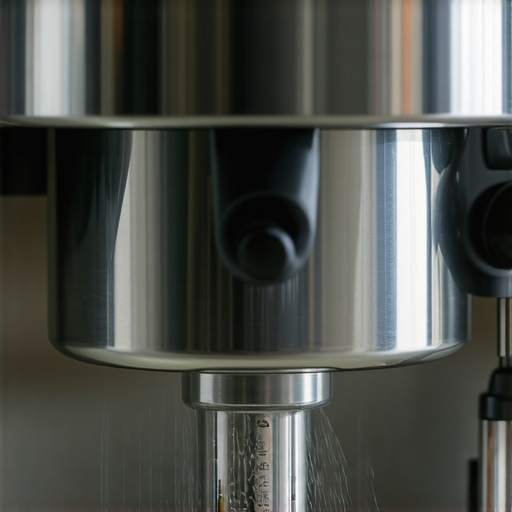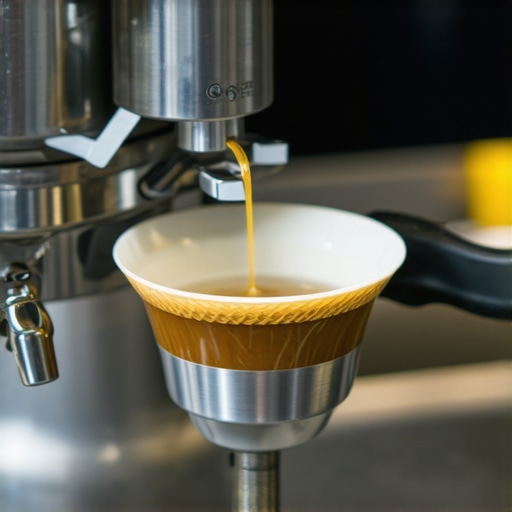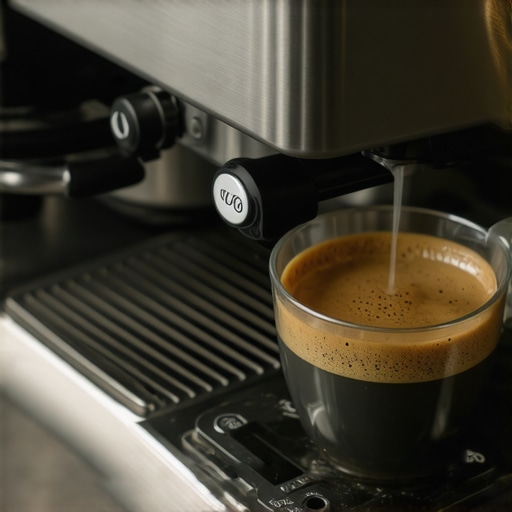
Why Your Scale is Reacting to the Steam Wand Heat
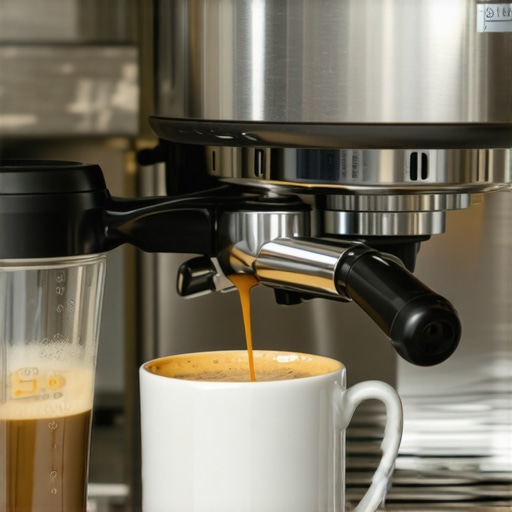
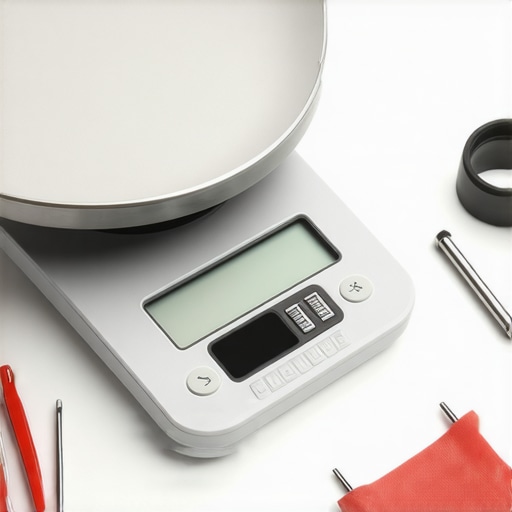
I was right in the middle of a perfect morning routine, steaming up a velvety microfoam, when I glanced down and saw my digital scale going absolutely haywire. The numbers were jumping from 36 grams to 52 grams, then plunging into negative digits, all while the cup sat entirely still. I used to think I bought a defective unit. In fact, early in my home barista journey, I actually threw away a perfectly good digital scale because I assumed the internal electronics had just fried themselves. It was an expensive, frustrating mistake born from not knowing how fragile these little sensors really are. If you are tired of your weight readings fluctuating wildly while you texturize your milk, you are in the right place. Today, we will unpack exactly why the intense heat radiating from your steam wand is playing tricks on your scale’s load cell, and how you can stop it for good.
The Day My Scale Lost Its Mind and How I Solved It
I used to place my scale directly under the group head and leave it there while I swung the steam wand out to prep my milk pitcher. It seemed harmless. But those tiny sensors inside your barista gear are incredibly sensitive to temperature shifts. When you purge your steam line or position a hot wand near the scale’s casing, the localized heat causes the metal load cell inside to expand unevenly. This thermal expansion is what causes those erratic, dancing numbers on your display. It is the exact same reason why some home baristas experience issues where their espresso scale turns off right when they start the shot. According to load cell manufacturers, even a temperature shift of just a few degrees can temporarily skew strain gauge resistance by a measurable margin.
Is heat actually capable of ruining my expensive scale permanently?
The good news is that this phenomenon is usually temporary, but over time, constant exposure to high heat and moisture can indeed degrade the delicate adhesive holding the strain gauges in place. If you are using premium top-rated espresso machines, you have plenty of steam power, which unfortunately means even more ambient heat radiating outward. Have you ever stared at your scale in disbelief as the numbers started climbing all on their own while you steamed your milk? Let me know in the comments below if your scale is acting up too, because understanding this heat-transfer issue is the first step to protecting your gear.
Move the Scale Away From the Steam Zone
To stop those numbers from jumping, you have to break the line of sight between your steam wand and your scale’s body. Think of your digital scale like a highly sensitive thermometer. If you leave it sitting directly under your group head while you purge steam nearby, it is going to absorb that ambient heat instantly. I remember a chaotic Tuesday morning when I was trying to rush through a flat white. I left my favorite metal-cased scale sitting right on the drip tray while I purged my wand to prep some almond milk. Within seconds, the display registered a ghost weight of 8.4 grams that refused to tare out. Now, my absolute rule is simple: pull the shot, remove the cup, and slide the scale completely off the machine before you ever turn on the steam knob. If you are struggling with your milk texture overall, mastering milk frothers that transform your coffee experience starts with keeping your workspace clean and your measuring tools cool.
Use a Protective Silicone Pad to Block Thermal Transfer
Most premium scales ship with a thick rubber or silicone mat. Do not leave this in the box. This mat acts as an insulator, slowing down the transfer of heat from the bottom of your hot espresso cup into the load cell below. If your scale did not come with one, you can easily cut a small piece of a silicone baking sheet to fit the platform. This simple barrier prevents the metal top plate of your scale from expanding under the heat of a freshly pulled double shot. 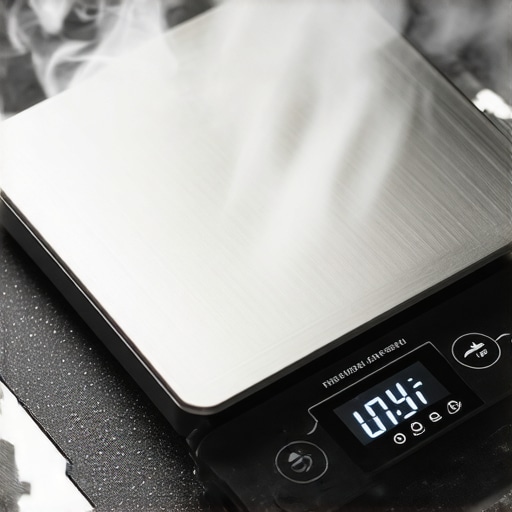
Build a Simple Deflector Shield for Tight Drip Trays
If you have a compact machine setup and literally cannot move the scale away from the steam wand, you can create a physical shield. During my early days of trying to master the art of home espresso, I taped a small piece of folded cardboard to the side of my scale’s plastic housing. It looked incredibly goofy, but it successfully deflected the hot air currents rising from the drip tray. Today, I use a small, sleek piece of acrylic sheet placed next to the drip tray to block the direct heat path. This keeps the delicate strain gauges inside safe from sudden temperature spikes, ensuring that your measurements remain highly accurate from the first drop of espresso to the very last.
The Myth of Perfect Calibration in Home Espresso
Most home baristas believe that if they buy premium barista gear and calibrate their scale with a certified weight, their measurements will remain flawless. However, this is a major misconception. In my experience, even the most expensive scales will betray you if you ignore the micro-environment of your drip tray. The common belief is that a scale is either accurate or broken. But the truth is that a scale’s load cell is a living, breathing piece of metal that reacts instantly to external forces you cannot see. When you run a shot, you are not just dealing with the weight of the liquid; you are dealing with hot water rushing through the group head directly above the scale, creating a localized column of rising hot air that actively alters the air pressure around the weighing platform.
This is where the “Oops” factor comes into play for many enthusiasts. If you are trying to master the art of home espresso, you might make the mistake of leaving your scale on the drip tray while the machine preheats. This slowly bakes the internal strain gauges, shifting their baseline resistance. A study on strain gauge temperature compensation by the National Electrical Manufacturers Association highlights that constant thermal cycling without adequate rest periods permanently degrades the micro-adhesives within force sensors. If you have ever noticed your scale taring to a different number every time you touch it, you have likely already degraded those internal components. Have you ever fallen into this trap? Let me know in the comments below.
Why does my scale drift only when I pull light roasts?
This is a highly sophisticated nuance that puzzles many intermediate brewers. Light roasts require much higher brew temperatures—often up to 205°F (96°C)—and longer pre-infusion times. This extended contact time means your portafilter radiates significantly more thermal energy downward toward your scale. If you are struggling with this, the best practice is to always use a thick silicone insulator and pull the scale away immediately after the shot stops. Additionally, make sure you are not making the mistake of using a scale on a vibrating surface, which further confuses the sensor. To dive deeper into optimizing your workflow and protecting your equipment, check out how to select barista gear that stands up to daily thermal stress.
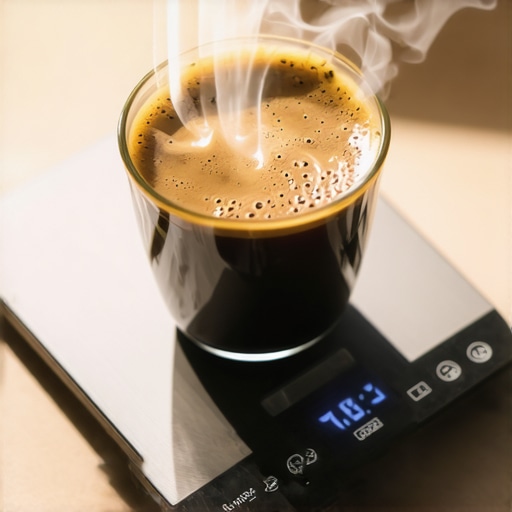
To protect your delicate equipment over the long haul, you need to transition from basic troubleshooting to a rigorous gear-maintenance mindset. I personally treat my scale like a laboratory-grade instrument because, beneath the sleek plastic or metal casing, that is exactly what it is. If you want to keep your equipment functioning flawlessly, you must establish a routine that shields your electronics from the harsh, high-heat, and high-moisture environment of a home espresso setup.
How do I maintain my scale and keep it accurate over time?
True long-term maintenance comes down to preventing moisture ingress and thermal fatigue. Every three months, I perform a thorough deep clean and recalibration. First, I use a dry micro-fiber cloth to sweep away stray coffee grounds, followed by a light wipe-down using a barely damp rag. To get deep into the crevices of my gear, I rely on the trick for getting ground coffee out of tight corners. I never use harsh chemical solvents or alcohol on the scale’s display or silicone pads, as this can degrade the protective coatings. Finally, I store my scale completely away from the warm chassis of my machine when it is not in use; keeping it sitting on top of a hot cup-warmer tray is a silent killer for internal lithium-ion batteries and delicate strain gauges alike.
Looking ahead, the future of coffee scales is moving rapidly toward intelligent, integrated thermal isolation. In the next few years, I predict we will see advanced scales utilizing ceramic-composite top plates and vacuum-insulated internal chambers specifically designed to neutralize heat transfer from boiling water. Until those innovations arrive, we have to protect our current investments manually. If you are also noticing other workflow inconsistencies, such as your grinder acting up in dry weather, check out my guide on why your grinder’s static gets worse in winter to keep your entire prep station running smoothly.
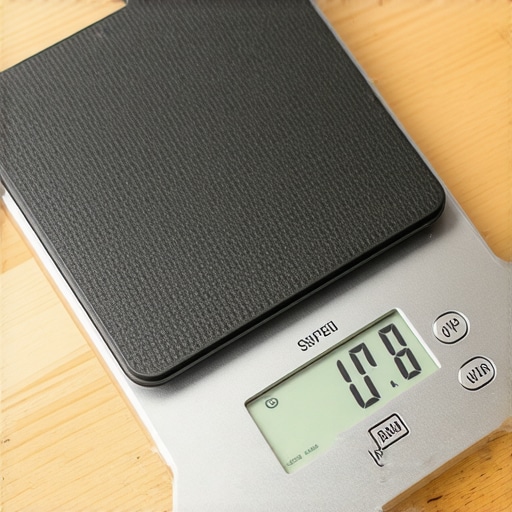
For those looking to optimize their workflow further, I highly recommend checking out the technical guidelines published by the weighing experts at Mettler Toledo on environmental influences like draft and temperature on micro-balances. Their documentation proves that even minor ambient air currents from an active cooling fan or heat exchanger can cause weight readings to fluctuate by several tenths of a gram. My challenge to you today is to try this advanced tip: the very next time you pull a shot, move your scale to the opposite counter the moment the extraction ends. Do not let it sit under the dripping portafilter for even an extra ten seconds. Watch how much faster your scale stabilizes and how much longer your calibration remains true.
My early morning barista failures taught me that precision isn’t just about owning the right tools—it is about keeping those tools from cooking themselves while you brew.
The Hardest Lessons I Learned About Guarding My Barista Gear
When I first started pulling shots at home, I assumed expensive gear was indestructible. I quickly realized that the intersection of boiling water, heavy steam, and delicate electronics is a recipe for silent calibration drift. Here are the core insights that completely changed how I treat my scale:
- Metal casings are thermal sponges: Aluminum or steel scale bodies look beautiful, but they conduct and retain heat far longer than plastic, transferring that thermal energy straight to the strain gauges.
- Steam is an invasive gas: It isn’t just the heat; it is the moisture. When you purge your steam wand, tiny water droplets penetrate the microscopic gaps around your scale’s buttons, causing slow corrosion.
- The drip tray is a heat sink: Your espresso machine’s metal drip tray absorbs heat from the boiler and the group head. Setting your scale directly on it without an insulating barrier means you are warming it from the bottom up.
My Essential Toolkit for Precision Brewing
To maintain absolute accuracy and keep my morning workflow flawless, I rely on a few trusted resources and simple physical accessories that protect my delicate electronics from thermal stress:
- Thick Silicone Lab Mats: I swap out stock decorative rubber pads for industrial-grade, heat-resistant silicone mats. They offer superior thermal isolation when pulling hot shots.
- Mettler Toledo Weighing Guidelines: Reading professional laboratory documentation on how micro-drafts and ambient temperature swings affect load cells completely demystified my fluctuating numbers.
- Dedicated Off-Machine Landing Pads: I keep a small cork coaster next to my machine. It is my dedicated landing zone for the scale the second the extraction is complete.
How to Take Control of Your Espresso Workflow Today
You do not need to buy a new scale every year just because the internal sensors are drifting under the heat of your steam wand. By making a few simple adjustments—like sliding your scale out of the steam zone and using an insulating barrier—you can preserve your calibration and ensure every double shot is perfectly measured. Protecting your delicate barista gear is the easiest way to guarantee consistency in every single cup you brew.
Have you ever watched your scale’s numbers jump around while you were steaming your milk? Let me know in the comments below what tricks you use to keep your workspace cool.