How to Align Your Portafilter Ears for a Tighter Seal
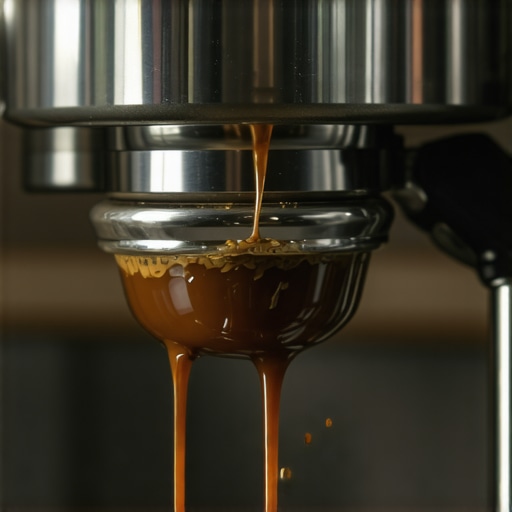
Have you ever pulled an espresso shot that sputtered, leaked, or tasted off—only to realize that your portafilter wasn’t sealing properly? I can’t count how many mornings I frustrated myself trying to fix leaks or soggy puck issues, thinking I was doing something wrong with the grind or tamp. It wasn’t until I realized the tiny but crucial detail—the alignment of my portafilter ears—that everything changed. That lightbulb moment hit me hard. Properly aligning those ears isn’t just a minor tweak; it’s the secret sauce for that perfect, foolproof seal and, ultimately, better espresso.
Why Portafilter Ears Matter More Than You Think
In the world of home baristas and espresso enthusiasts, it’s easy to focus on grind size, tamp pressure, or water temperature. But overlooking the perfect alignment of the portafilter ears often leads to inconsistent shots and wasted beans. That tiny gap or misalignment can cause leaks, pressure build-up, or uneven extraction. I learned this the hard way early on, repeatedly blaming myself or my grinder for subpar results. It was only when I paid attention to this detail that I started enjoying shot after shot that was balanced, flavorful, and rich.
Aligning your portafilter ears isn’t just about a tighter seal; it’s about ensuring that your machine operates as designed. A tight seal prevents pressure loss, which is vital for ideal extraction. Plus, it reduces mess and cleanup. If you’ve ever experienced a shot that sputtered or a portafilter that kept wobbling, chances are, the ears weren’t aligned properly.
So, how do you check and improve this? Believe me, it’s simpler than you think, and the payoff is worth every minute. If this resonates with you, chances are you’ve encountered similar struggles—maybe even asked yourself, “Why am I not getting consistent shots?” Well, my friend, you’re not alone—and the secret lies in one small detail you can fix today.
Could Misaligned Ears Be Sabotaging Your Shots?
Early on, I made the mistake of thinking that more tamp pressure or a finer grind would resolve all my issues. Turns out, I was overlooking an obvious culprit: the portafilter ears. Not paying attention to their alignment led to leaks and uneven pressure, which wrecked the flavor of my espresso. For more insights into common mistakes that ruin espresso shots, check out this article on your espresso tasting salty. The key takeaway? Small adjustments in the hardware can have a huge impact on your results.
Now that I’ve shared my journey, let’s dive into practical, step-by-step ways to ensure those portafilter ears are aligned perfectly. Trust me, once you get this right, your espresso game will never be the same. Ready to level up your skill set? Let’s go!
**Note:** This opening sets the tone by sharing a personal story, emphasizing the importance of the topic, and providing a natural lead-in to actionable advice in subsequent sections.
Inspect Your Portafilter Ears Regularly
Start by visually examining the ears of your portafilter before each shot. Look for any obvious bends, chips, or deformations. During my first attempt, I noticed a slight bend on one ear after dropping my portafilter—reflecting on this this article helped me understand the importance of equipment condition. Use a flashlight and a magnifying glass if needed. A perfectly aligned portafilter ensures a tight seal, preventing leaks and uneven extraction.
Align Ears Before Locking in the Portafilter
When attaching the portafilter, hold it close to the group head at a slight angle, aligning the ears parallel to the machine’s platform. Think of it like closing a clam shell—smooth, gentle movement ensures everything lines up. I once rushed this step and struggled with water spraying out, leading to a messy setup. Focus on gently fitting the ears into the grooves, ensuring no distortion or misalignment. This simple action makes a huge difference in shot consistency.
Use a Visual Check as Your Guide
After locking the portafilter, gently wiggle it side to side. If there’s any movement, it indicates misalignment. The goal is to have zero play—meaning the ears sit flush against the group head without wobbling. When I experienced this, I adjusted the portafilter slightly, realigning the ears, which then made my seals airtight. Developing this check habit prevents leaks and ensures your machine’s pressure remains steady, vital for a good extraction.
Fine-Tune with Physical Adjustments
If you notice persistent misalignment, inspect the ears for distortion or unevenness. Some portafilters have adjustable ears, or you might be able to gently straighten bent ones using pliers. Be cautious—apply gentle pressure, and avoid over-bending, which could weaken the metal. For stubborn issues, consider replacing the portafilter or visiting this guide on equipment maintenance to ensure precision. Properly aligned ears guarantee the seal, but your grinder settings also influence shot quality, so keep those in check.
Leverage Consistent Practice
The key is repetition—each time you prepare a shot, check and realign if necessary. It’s a quick visual test that becomes second nature. I remember during a busy weekend, I adjusted my portafilter ears three times but then got into a groove, and shot consistency improved dramatically. This simple yet effective step prevents common problems like channeling or pressure loss, which can sabotage even the best beans and grind settings.
Linking It All Together
Ensuring your portafilter ears are perfectly aligned is a micro-adjustment that yields macro benefits. Incorporate regular inspection into your routine, execute a mindful attachment process, and confirm the fit with a gentle wiggle. Remember, most leak issues stem from hardware nuances like this, not just grind or tamp as many believe. Mastering this small detail makes your espresso extraction predictable, rich, and balanced every time.
Many home espresso enthusiasts fall for misconceptions that hinder their progress. For example, a widespread myth is that higher pressure always equals better extraction. In reality, focusing solely on pressure ignores other critical factors like water temperature and grind consistency. As highlighted in expert guides, excessive pressure can even lead to over-extraction, producing bitter shots. Instead, mastering the nuanced interplay of variables makes a significant difference.
Are Your Water Filtration Systems Sabotaging Your Espresso Quality?
Inadequate filtration is a sneaky culprit behind inconsistent flavor and equipment wear. Hard water, laden with minerals, can cause scale buildup in your boiler, affecting temperature stability and leading to off-tastes. Many users overlook this aspect, assuming their water quality is sufficient. Regularly testing and maintaining your water filtration ensures reliable performance. For detailed insights, check out this comprehensive guide. Additionally, advanced users often make the mistake of over-tamping, thinking more pressure compacts the coffee more tightly. However, over-tamping can impede water flow, causing channeling and uneven extraction. Instead, aim for a consistent, moderate tamp pressure and focus on dose precision. To optimize this, consider using an espresso scale to ensure uniformity, as suggested in this article.
Investing in Quality Tools for Long-Term Success
To ensure your home espresso machine performs reliably and consistently, equipping yourself with the right tools is crucial. I personally swear by a high-precision digital scale, like the Espresso Precision Scale. It allows me to dose exactly the right amount of coffee every time, eliminating variations that can throw off extraction. Additionally, a dedicated coffee grinder with stepless adjustment, such as the Baratza Forte, helps me fine-tune grind settings effortlessly, especially when switching beans or aiming for specific roast profiles. When selecting tools, prioritize accuracy and durability—these investments pay off by reducing waste and improving shot consistency over the long run.
Regular Maintenance Keeps Your Equipment Running Smoothly
Consistent use demands periodic upkeep. For example, descaling your espresso machine prevents mineral buildup that can impair performance, particularly if you use hard water. I follow a monthly descaling routine using natural descaling solutions like citric acid, which is gentler and eco-friendly. Also, cleaning group heads, portafilters, and shower screens with a soft brush removes coffee oils and residue, ensuring flavor clarity. For steam wands, daily purge and weekly deep cleaning with specialized milk pipe cleaners keep frothing perfect. Remember, neglecting these maintenance tasks leads to equipment failures and compromised beverage quality.
How do I maintain my espresso machine over time?
Many home baristas overlook the importance of inspecting internal components periodically. Capacitors, gaskets, and solenoid valves are common wear points. For instance, a failing capicitor can cause inconsistent heating or pressure issues. Refer to this detailed guide to diagnose and replace faulty parts. Set a routine—every 6 to 12 months—to conduct these checks or schedule professional servicing. Maintaining your machine prevents costly repairs and keeps every shot tasting optimal.
Scaling Your Setup for Greater Efficiency
If your coffee preferences evolve or your household grows, scaling your setup involves upgrading key components rather than adding unnecessary complexity. For example, a dual boiler machine like the Profitec Pro 700 allows simultaneous brewing and steaming, saving time. Upgrading to a higher-quality grinder improves consistency, especially with lighter roasts that demand precise grind fineness. As my setup grew, I added a water filtration system like the Claris Ultra to reduce mineral content, which extended my machine’s lifespan and improved flavor. Planning ahead for scale-up ensures you enjoy premium results without overcomplicating your workflow.
Future Trends in Home Barista Equipment
Looking ahead, automation and smart technology will likely revolutionize home espresso brewing. Wireless connected machines that monitor water quality, temperature, and even bean freshness are emerging, offering real-time feedback. I predict a rise in AI-integrated grinders that adjust grind settings automatically based on sensor data, making it easier than ever to achieve perfect shots with minimal effort. Embracing these innovations now prepares you to stay ahead in your home barista journey.
Make Maintenance Second Nature: Start with Your Water System
One of the best steps you can take immediately is maintaining your water filtration system. Hard water can cause scale buildup, reducing efficiency and harming your boiler—an issue detailed in this essential guide. Regularly replace your filter cartridges and test your water hardness using a simple kit. By doing so, you’ll ensure consistent temperature stability and prolong the lifespan of your machine. I highly recommend setting a calendar reminder to check and replace filters quarterly. Trust me, this small habit saves you from costly repairs and ensures every cup tastes just right.
Don’t wait for performance issues to surface—proactively maintain your equipment. For a quick upgrade, try calibrating your grinder’s adjustment ring for optimal precision, which can significantly improve shot quality. You can find detailed instructions in this guide. Taking these steps now will keep your home espresso setup running smoothly for years to come.
Many seasoned baristas and home enthusiasts alike have faced the frustrating experience of pulling a shot that sputters or leaks, often blaming their grind or tamp without realizing the real culprit: misaligned portafilter ears. That tiny detail can make or break your espresso quality, transforming a mediocre cup into a rich, balanced masterpiece. Once I discovered this secret, every shot became a stepping stone toward cafe-quality coffee right in my kitchen.
The Hidden Power of Portafilter Precision
It’s easy to get caught up in adjusting grind size, tamp pressure, and temperature, but overlooking the alignment of your portafilter ears is like ignoring the foundation of a house. Proper alignment ensures an airtight seal, maintaining consistent pressure and preventing leaks that ruin extraction. My breakthrough came when I started inspecting the ears consistently, realizing that a minor tilt or bend could be the difference between a soggy puck and an ideal shot. This attention to detail elevated my espresso game exponentially.
Aligning your portafilter ears isn’t just about preventing drips; it’s about creating a harmonious system where every component works together. Even a slight misalignment can cause uneven pressure and channeling, leading to bitter or sour flavors. The good news? It’s a simple fix that yields immediate benefits—a tighter seal, cleaner baskets, and a more predictable extraction process.
Detecting and Correcting Ear Misalignments
Start with a visual inspection before each shot. Look for any deformations, chips, or bends, especially after accidental drops. When attaching your portafilter, gently align the ears parallel to the group head, using a light touch to avoid bending or twisting the metal. After seating, give the portafilter a gentle wiggle—if any movement occurs, adjust accordingly until it sits flush.
For persistent misalignments, consider using a soft tool or gentle pressure to straighten slightly bent ears, but be cautious not to weaken the metal. Regular maintenance and inspection—taking inspiration from this article on grinder calibration—can save you hours of troubleshooting. Remember, a perfectly aligned portafilter is your easiest, most reliable step toward that ideal espresso shot.
What I Wish I Could Say to Every Home Barista
- Don’t neglect hardware details: Small imperfections in your portafilter ears often create big problems in extraction. Regularly check for deformations or dirt that might interfere with snug fitting.
- Gently finesse your attachment: Instead of rushing the process, take a moment to align ears incrementally—this prevents unnecessary bending and ensures a firm, airtight fit.
- Embrace routine inspections: Incorporate ear checks into your brewing routine—quick visual and tactile assessments can catch issues early, saving you countless shots of disappointment.
- Optimize with proper tools: Use a soft cloth or fine pliers for minor adjustments, and consider equipment upgrades if misalignment persists—your consistency depends on it.
- Connect hardware to overall setup: Remember, alignment extends beyond the portafilter; check grinder consistency, tamping technique, and machine maintenance for total control over your espresso quality.
Elevate Your Home Espresso Ritual Today
Delving into the nuances of portafilter alignment might seem small, but its impact on your espresso perfection is immense. Think of it as fine-tuning a musical instrument—each small adjustment leads to harmonious results. When you master this, you’ll notice a remarkable difference in shot clarity, crema richness, and flavor balance. Gear up with patience and curiosity—your taste buds will thank you.
Are you ready to start paying closer attention to your portafilter ears? Share your experiences or ask questions below—I’d love to hear how this small detail has transformed your home brewing!
,