The 10-Minute Routine That Stops Scale Before It Chokes Your Boiler
Ever had that sinking feeling when you press the start button on your espresso machine, only to hear a clunk and see a sluggish pump struggling? I’ve been there, standing in my kitchen, watching my once-reliable machine cough and sputter, worrying I’d just bunged up my beloved gear with hard water deposits. That moment of frustration is all too common among home baristas, and honestly, it can make you question whether your investment was worth it.
Why Scale Build-Up is the Silent Killer of Your Coffee Routine
Scale isn’t just a pesky nuisance; it’s a stealthy villain that can sabotage your entire espresso experience. Over time, mineral deposits from water saturation accumulate inside your machine’s boiler and pipes, reducing efficiency and risking costly repairs. But here’s the kicker: many of us ignore the early warning signs because we think scale only appears after months of neglect. In reality, a simple routine—taking just ten minutes a day—can prevent scale from choking your boiler and keep your coffee flowing perfectly.
Ever felt overwhelmed by the prospect of descaling—thinking it’s a complicated chore?
I used to believe descaling was a disruptive, time-consuming mess. Early on, I made the mistake of waiting until my machine displayed obvious warning signs before acting—like a sluggish pump or weird tasting espresso. That’s a mistake I learned the hard way. According to research by the Specialty Coffee Association, mineral build-up can significantly decrease heat transfer efficiency, leading to inconsistent extraction and bitter flavors. The secret? Regular, tiny habits that keep scale at bay.
If this sounds familiar, don’t worry. We’re about to cover a simple, effective routine that will transform how you care for your machine, saving you both time and money—plus, ensuring your espresso always hits the mark. It’s easier than you think and, trust me, well worth the handful of minutes each day you dedicate to it. Ready to see how? Let’s dive into the practical steps that keep scale from turning into a disaster.
Daily Routines for Scale Prevention
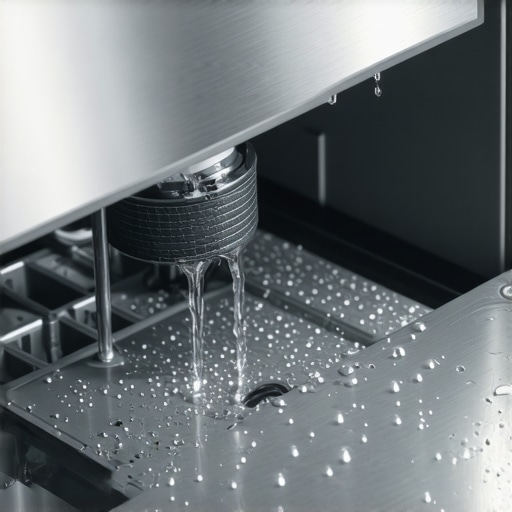
Start each morning by flushing your machine with fresh water before brewing. This simple step prevents mineral deposits from settling inside the boiler and pipes. When you finish your espresso session, wipe the portafilter and gasket area with a damp cloth to remove residual water and minerals, reducing buildup over time.
Using Effective Descaling Techniques
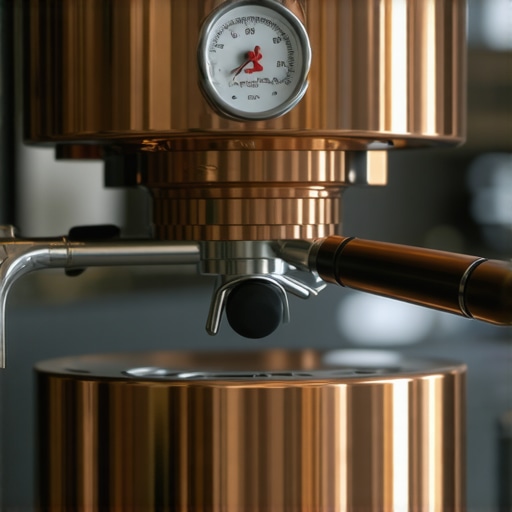
Every 2-4 weeks, run a descaling solution through your machine following the manufacturer’s instructions. For manual machines, fill the water reservoir with equal parts white vinegar and water, then run the solution through the brew cycle. This dissolves scale deposits effectively, restoring heat transfer efficiency and ensuring consistent extraction. Remember, using too harsh chemicals can damage copper boilers, so opt for descaling products designedspecificallyfor espresso machines.
Optimal Water Filtration and Softening
Invest in a good water filter or a water softening system. Hard water is the main culprit behind scale buildup, containing high mineral content. Using filtered or softened water significantly reduces mineral deposits, extending your machine’s lifespan and improving taste quality. For an inexpensive solution, consider a paper filter in your water reservoir, which adds an extra layer of mineral filtration and helps prevent channeling in the basket (learn more about this hack).
Monitoring and Adjusting Brew Parameters
Maintain the correct brewing temperature, ideally between 195°F and 205°F. Excessively high temperatures can accelerate scale formation. Use a thermometer to verify your machine’s temperature and adjust if necessary. Also, avoid brewing with extremely hard or calcium-rich water, as these conditions promote quicker scale development.
Addressing Problem Areas Quickly
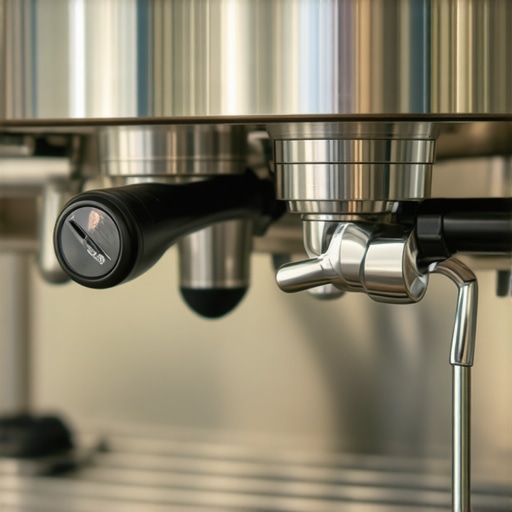
If you notice your machine struggling to achieve pressure or temperature drops, address these issues immediately. Leaking steam wands or clogged shower screens can harbor mineral residues, exacerbating scale issues. Regularly inspect your steam wand and shower screen, cleaning them with a small brush or pin to keep water flow smooth (see cleaning tips), and ensure the water flow remains unimpeded.
Implementing a Weekly Maintenance Ritual
Set aside ten minutes each week for a comprehensive cleaning cycle. Dismantle removable parts, soak them in descaling solution, and scrub with a soft brush. Reassemble only after thorough rinsing. This routine prevents scale from establishing a foothold and allows you to spot early signs of mineral deposits before they cause permanent damage.
Reinforcing Habits with Knowledge
Understanding your machine’s components and their vulnerabilities empowers you to keep scale at bay. For example, knowing that the boiler’s corners are prone to mineral deposits should motivate you to focus your descaling efforts there. To get a better grasp of your equipment, explore detailed guides and tutorials, like this guide on portafilter baskets. Taking proactive steps ensures your espresso machine stays in top condition, delivering consistent shots and extending its life.
When it comes to home espresso setups, many enthusiasts believe that upgrading to high-end milk frothers or advanced grinders automatically guarantees perfect coffee. However, real mastery lies in knowing the subtleties that often go unnoticed. One common misconception is that more expensive equipment will solve all your brewing issues—that simply isn’t true. In fact, focusing solely on gear can lead you to ignore critical maintenance practices and nuanced operator techniques that truly make a difference.
For example, many assume that automatic milk frothers are foolproof for silky microfoam, yet uncontrolled steam pressure and improper pitcher angles can sabotage your latte art efforts, even with top-tier tools. Regularly inspecting and adjusting your steam wand pressure, or ensuring the pitcher is held at the right angle, can dramatically improve results. Want to see how small tweaks make big differences? Check out this guide on milk frothing techniques.
Why do some grinders produce static that ruins your espresso experience?
Many home baristas overlook the impact of grinder design on extraction quality. For instance, flat burrs are often favored for their consistency, but they tend to generate more static than conical burrs, leading to messes and uneven dosing. This static not only complicates clean-up but can impact grind size and distribution, affecting extraction. Interestingly, a simple tweak—like anti-static dosing funnels—can mitigate these issues without replacing your grinder. Learn more about this in this detailed article. Recognizing these nuances can elevate your brewing game beyond the basic setup.
Advanced users often ask: How can I fine-tune my machine’s temperature and pressure profiles for different beans? The answer involves not just dialing in parameters, but understanding the complex interactions during extraction. For light roasts, maintaining a temperature at the higher end (around 205°F) enhances flavor extraction, but at the cost of faster scale buildup. Conversely, darker roasts benefit from slightly lower temperatures to prevent bitterness and prolong machine longevity. For insights, consult this guide on optimal brewing temperatures. Mastering these variables demands a nuanced approach, blending equipment calibration with an understanding of coffee chemistry. Falling into the trap of only relying on preset recipes can limit your potential—so experiment thoughtfully.
Another often overlooked pitfall concerns the importance of proper portafilter maintenance. Many assume a quick rinse suffices, but neglected seals and clogged shower screens contribute to uneven shots and channeling. Regularly inspecting the portafilter edges and cleaning the shower screen as described in this guide ensures a tight seal and consistent flow. This attention to detail can be the difference between a mediocre espresso and a stellar shot. Don’t let small maintenance tasks slip through the cracks—your taste buds will thank you.
So, what’s the takeaway? Many good espresso operators make the mistake of focusing on gear alone, ignoring the finesse of proper maintenance and technique adjustments. Instead, understanding the nuanced behaviors of your equipment and how to adapt can turn a good setup into a truly expert one. Are you guilty of overlooking these details? Let me know in the comments and share your experiences! Remember, true home barista mastery is as much about knowledge and care as it is about the tools you choose.
Prioritize Quality Tools for Consistent Results
Investing in high-quality equipment is crucial for maintaining a stellar home espresso setup. I personally rely on the Baratza Virtuoso+ grinder because its flat burr design provides a consistent grind size with minimal static, which significantly impacts extraction quality. Proper dosing funnels with anti-static features help prevent messes and uneven tamping by ensuring the coffee grounds flow smoothly into the basket. Regularly checking and replacing grinder burrs—using a simple visual inspection method described in this guide—keeps your grind sharp and your espresso tasting fresh.
Implement Routine Maintenance to Prolong Equipment Life
Consistent upkeep reduces breakdowns and preserves flavor. For your espresso machine, a weekly descaling with a specialized solution, as detailed in this article, prevents scale from clogging boilers and pipes. Don’t forget to clean the shower screen thoroughly—using a soft brush or a pin to clear coffee oils and residues, which can cause uneven extraction. For portafilter seals, a quick inspection and replacement when worn can prevent leaks and ensure proper pressure. Techniques like the “dental pick trick” discussed in this tutorial are invaluable for deep-cleaning hard-to-reach areas.
Stay Ahead with Software and Calibration
Modern espresso machines often feature digital temperature regulation and pressure profiling. Use a reliable temperature strip or a thermocouple—like the Fluke 51 II—to calibrate your machine’s water temperature regularly. This ensures the heat transfer remains optimal and consistent, especially as machine components age. Advanced users might explore software upgrades or firmware updates that some models support, enhancing control and longevity. As the trend towards smarter home barista gear grows, staying informed through resources like this detailed guide can help you adapt and fine-tune your setup for the long term.
Maintain Technical Aspects for Better Outcomes
How do I maintain my espresso machine over time? Focus on inspecting and cleaning critical parts like the group head, steam wand, and water reservoir weekly. Use a dedicated cleaning brush for the shower screen, and run a cleaning cycle with appropriate descaling solutions monthly, especially if you have hard water. Pay attention to the seals and gaskets, which can wear out and cause leaks; replacing these proactively prevents costly repairs down the line. For example, regular replacement of the portafilter gasket—noting its flexibility and sealing ability—can be a game-changer for shot consistency. Remember, adhering to manufacturer maintenance schedules and consulting detailed guides, such as this resource, ensures your equipment performs at its peak over years.
What I Wish I Knew About Maintenance and Technique
One of the most eye-opening lessons I learned was how critical consistent maintenance is—not just for longevity but for flavor stability. Regularly cleaning the shower screen or inspecting seals saved me from unexpected leaks and uneven shots. It’s easy to overlook these small tasks, but they compound into a profound difference in your brewing results.
Another revelation was understanding that equipment precision is only as good as your technique. Tamping pressure, puck prep, and water temperature actually matter more than sometimes the fancy gear you’ve invested in. I found that nuanced adjustments, like controlling steam wand angle or tweaking grind size, unlocked flavors I thought were impossible at home.
Finally, I realized that a little knowledge about my machine’s internal workings—like where mineral deposits tend to form—allowed me to target my descaling routines. This proactive approach kept my espresso machine performing at its peak and prevented costly repairs down the line. I wish I had started these habits earlier; they truly transformed my coffee routine from good to exceptional.