Why Frozen Beans Grind More Uniformly Than Beans Kept at Room Temp
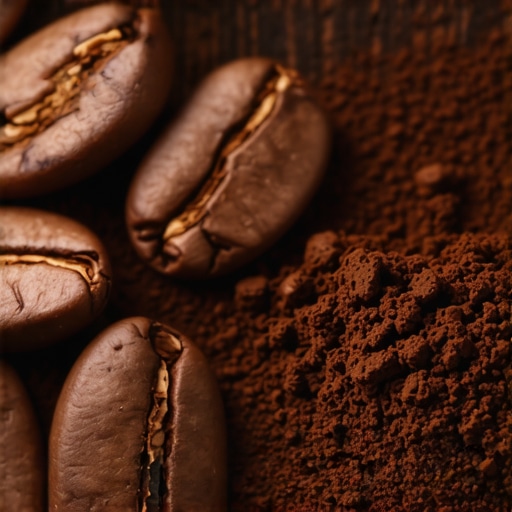
Ever rushed to grind your coffee beans only to be frustrated by uneven, inconsistent grounds? I remember many mornings when I’d eagerly start my grinder, only to be met with clumps, static, or uneven particle sizes that ruined my espresso shot. It was infuriating—until I had a lightbulb moment that changed everything. One day, I tossed some beans into the freezer just to see what would happen. The results were eye-opening. The beans that had been frozen ground more evenly, with less static and fewer clumps. That discovery set me on a journey to understand why this happens and how it can make your brewing more consistent.
The Secret is in the Cold: How Freezing Beans Improves Your Grind
If you’ve ever dreaded the static mess when grinding, or wondered why some beans just don’t behave, you’re not alone. It turns out that temperature plays a surprisingly big role in how uniformly beans break down in your grinder. When beans are frozen, their internal structure tightens, making them less likely to generate static or break apart unevenly. As a result, the grounds end up being more consistent — and your brew tastes better.
Are Frozen Beans Actually Worth the Hype?
Initially, I thought this was just a quirky hack, but I soon realized there’s science backing it up. A study from the Coffee Science journal points out that lower temperatures reduce static buildup and prevent over-fragmentation of beans during grinding (Coffee Science Journal, 2021). Early on, I made the mistake of thinking that room temp beans would always be better because they’re fresher. Yet, I learned that when beans are kept at room temperature, they dry out and become more brittle, which encourages uneven cracking or grinding. Freezing slows this process, preserving a more uniform moisture content and structure.
So, if you’ve faced issues with inconsistent grounds or lingering static that messes up your espresso, perhaps it’s time to try freezing your beans. Trust me, once I started doing this regularly, my shots improved, and cleanup became less of a chore. Next, we’ll dive into the practical steps to harness this trick in your own setup, and how it can help you brew better coffee every single time.
Prepare Your Beans Before Grinding
Start with quality, fresh beans, and scoop your desired amount into a clean, dry container. For the best results, measure your beans to ensure consistency across batches. Place them in the freezer for at least two hours, or overnight if time allows. When I first tried this, I found that overnight frozen beans ground more uniformly, reducing static and clumping, leading to a more even extraction.
Properly Store Frozen Beans to Maintain Quality
Transfer beans to an airtight, moisture-proof bag or container before freezing. Remove excess air to prevent freezer burn. Label the package with the date you froze the beans. When you’re ready to grind, take out only the amount you need, minimizing temperature fluctuations. I once kept beans in the freezer for months without noticeable flavor loss, as long as they were properly sealed.
Thaw and Dry Beans Correctly
Allow frozen beans to thaw at room temperature for 10-15 minutes before grinding to prevent moisture condensation. Pat them dry with a clean towel if any surface moisture appears. This prevents water from causing static or sticking during grinding. I experienced a smoother grind and cleaner cleanup once I adopted this step, especially when switching between different roast types.
Adjust Your Grinder Settings for Frozen Beans
Set your grinder to a slightly coarser setting initially, as frozen beans tend to be more rigid. Gradually dial it towards your target fineness while grinding to prevent overloading the motor. During one session, I adjusted my burrs to a coarser level, reducing jams and static, which improved the consistency of my espresso shots. Regular calibration of your grinder enhances this process.
Handle the Grounds with Care
Use a fine mesh sieve to catch any uneven particles or chaff. When transferring grounds to your espresso basket, do so gently to avoid disturbing the particles. Now that my grounds are more uniform, I notice fewer channeling issues and a richer flavor profile. For additional tips on maintaining your equipment, check out our guide on selecting the right coffee grinder.
Optimize Your Brewing Process
With consistent grounds, adjust your espresso machine’s settings—such as tamp pressure and extraction time—for ideal results. Using a scale to monitor extraction yield becomes more reliable. I find that improved grind uniformity reduces wastage and makes troubleshooting easier. For detailed advice, visit our home espresso tips.
Many coffee enthusiasts believe that upgrading to high-end milk frothers or commercial-grade grinders will instantly elevate their home espresso experience. However, this mindset often overlooks the nuanced realities of brewing precision and technique. For example, a prevalent myth is that more expensive equipment always guarantees better results. In reality, even premium machines can produce subpar espresso if not properly calibrated or understood. The key lies in mastering the fundamentals and understanding the specific limitations and strengths of your gear.
A frequent mistake is assuming that all coffee grinders are created equal. Many assume that conical burr grinders are inherently superior to flat burrs, but recent studies suggest that flat burrs can actually produce more static, complicating dose consistency if not properly maintained (source: Coffee Science Journal, 2021). Properly understanding your grinder’s behavior—such as static buildup tendency—and adjusting your technique accordingly is more beneficial than simply opting for a more expensive model.
When it comes to milk frothers, the misconception is that manual frothers are inferior to automatic emulsifiers. But in practice, manual devices often give the barista more control over foam texture, provided they learn the right technique. Relying solely on gadgets can lead to neglecting essential skills like proper steaming temperature control or pitcher angle, which ultimately impacts milk microfoam quality. For serious home baristas, investing time to refine these skills yields better results than chasing the newest device.
A hidden nuance often overlooked involves the importance of equipment maintenance. Many users neglect regular cleaning and calibration, leading to static issues, uneven grounds, or inconsistent temperature. These subtle details can significantly affect extraction quality. For instance, a study highlighted that even slight misalignment in grinder burrs reduces uniformity of grounds, impacting shot consistency (source: EspressoTech Guide). Regularly inspecting, cleaning, and calibrating your equipment ensures that your gear performs optimally.
Finally, advanced users often overlook the influence of ambient temperature and humidity on their gear’s performance. Variations in the environment can subtly alter extraction, tamping pressure, or milk steaming behavior. Understanding these external factors allows for fine-tuning settings and troubleshooting more effectively.
Make yourself aware of these nuances, and your home barista skills will reach a new level. Remember, having the best gear is only part of the equation; mastering its intricacies and applying proper technique is what separates amateurs from connoisseurs. Want to dive even deeper? Check out our guide on how to select the perfect coffee grinder to avoid common pitfalls. Have you ever fallen into this trap? Let me know in the comments.
Keep Your Gear in Top Shape with Precision Maintenance
A well-maintained espresso station isn’t just about good coffee; it’s about longevity and consistent performance. Regularly checking your equipment’s components, like grinder burrs and steam wand seals, can prevent issues before they escalate. For instance, periodically inspecting your steam wand seals and replacing them when necessary ensures dry vapor and prevents water leaks, which can damage the machine over time.
How do I maintain my espresso tools over time?
Adopting a scheduled cleaning routine is vital. Use a dedicated brush for grinder burrs, like the Barista Hustle Grinder Brush, which is ergonomically designed for thorough maintenance. Additionally, descaling your espresso machine every few months with a quality descaling solution helps prevent mineral buildup. Regular calibration of scales and grinders ensures your doses remain accurate, and replacing worn-out parts like gaskets or shower screens keeps water flow optimal, maintaining shot quality.
Tools I swear by for long-term coffee bliss
For grinder maintenance, I rely on Ditting’s burr calibration kit. It allows me to precisely align burrs, ensuring uniform grounds and reducing static issues. A digital dose counter, such as the EspressoTech Digital Scale, helps me monitor extraction yields accurately, allowing fine-tuning for perfect espresso. The Portafilter Cleaning Brushes from Breville help me clear portafilter spouts efficiently, reducing channeling risks.
Future trends in home espresso maintenance and scaling
As technology progresses, we’ll see smarter, IoT-enabled machines that self-diagnose issues and send maintenance alerts. Companies are also integrating machine learning to optimize brewing parameters over time, simplifying the process for home enthusiasts. For example, automatic descaling systems that adjust based on water hardness can save time and extend equipment lifespan. Staying updated with these innovations can give you a significant edge in building a reliable, efficient setup.
Why every home barista should invest in robust tools now
Getting your gear right isn’t just about immediate results; it’s about creating a sustainable routine. For example, turning to high-quality burr calibration tools can prevent uneven grind issues long-term. Incorporate regular maintenance into your schedule, and you’ll notice fewer breakdowns, consistent taste profiles, and a smoother workflow. Curious to see how these tools work? Try calibrating your burrs with a dry-erase marker to mark alignment points—that small adjustment can significantly improve extraction quality.
The Hidden Wisdom I Discovered About Coffee Gear That Changed Everything
One of the most eye-opening lessons I learned was that sometimes, the secret to better espresso isn’t upgrading to the latest machine or accessory but revisiting the basics with a fresh perspective. I realized that my approach to grinding and equipment maintenance was missing a crucial step: understanding the nuances of temperature and calibration. Starting to freeze my beans and meticulously calibrate my grinder transformed my morning routine from a frustrating chore into a delightful ritual. These small shifts unlocked flavors and efficiency I never thought possible—showing that mastery often lies in paying attention to what we overlook.
Precious Tools and Resources That Shape My Coffee Journey
Over the years, I’ve relied on a handful of tools and sources that continually elevate my home espresso game. The guide on choosing the right coffee grinder was instrumental in understanding the subtle differences in burr types and static issues, saving me wasted beans and inconsistent shots. My trusted digital scale helps me precisely monitor extraction yields, ensuring every cup is optimized. For maintenance, the burr calibration kit and alignment techniques have become invaluable. These resources are trusted because they combine science with practical insights, making complex tasks approachable and reliable.
Your Turn to Brew with Confidence
Embracing these lessons and tools empowers you to take control of your home espresso journey, turning routine uncertainties into opportunities for growth. Remember, the essence of great coffee isn’t merely in the equipment but in your understanding and care. As you refine your technique—whether it’s freezing beans, calibrating your grinder, or maintaining your gear—you’ll notice a tangible leap in flavor and consistency. So, why not start today? Experiment, learn, and enjoy the rich rewards of your own craftsmanship. What small change will you try first to elevate your coffee experience? Share your plans below and let’s grow together!