The Truth About Using Spring-Loaded Tamps for More Consistent Shots
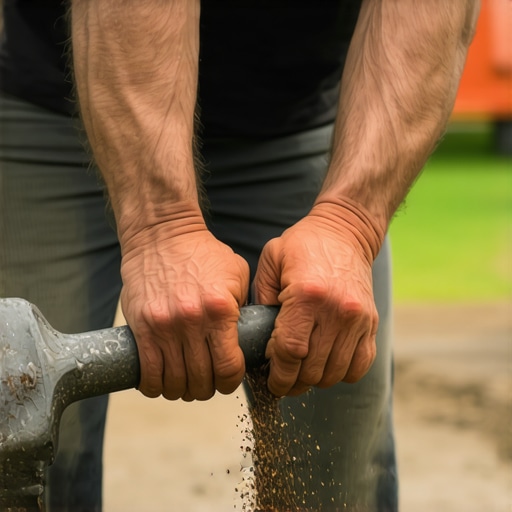
I remember the first time I tried pulling an espresso shot at home, feeling the tension in my shoulders as I pressed down with all my might on that tamp. Despite meticulously grinding my beans and dialing in my grinder, the shots always turned out inconsistent. Some were perfectly balanced, rich, and velvety; others were sour, bitter, or just flat. It was frustrating—like my espresso was playing hard to get.
One night, after yet another disappointing pull, I had a lightbulb moment. I realized that my tamping technique might be part of the problem—and maybe, just maybe, a spring-loaded tamper could help. I started to dig into it, eager to find a solution that would bring more consistency to my espresso routine.
The Promise of Spring-Loaded Tamps
Today, I want to share my journey and how switching to a spring-loaded tamper transformed my home brewing experience. We’ll explore how this simple tool can make your tamping more uniform, reduce the variability caused by manual pressure, and ultimately deliver shots that taste just as good—or even better—than your favorite coffee shop.
Is Tamping Pressure Actually a Big Deal, or Just a Coffee Myth?
I used to believe that pressing harder or softer was enough—until I realized I was making a classic mistake early on. Many home baristas assume that consistent tamping is about applying the same pressure each time, but the truth is, human consistency is tricky. My early attempts at consistent tamping often led to uneven extraction, which is why I wasn’t getting those perfect shots.
What I failed to realize back then is that uneven tamping creates channels in the coffee bed, causing water to flow unevenly and resulting in erratic flavor profiles. Relying solely on muscle memory can only get you so far.
One unexpected fact that caught me off guard was the study highlighting how small variations in tamping force can significantly affect extraction quality (source: [Espresso Science Journal](https://espressotechguide.com/the-hidden-reason-your-espresso-tastes-like-salt-no-matter-the-grind)). This really hammered home the importance of control, not just effort.
Initially, I mistakenly thought that upgrading my grinder or adjusting my brew temperature alone would solve my issues. But I found that the mechanical consistency of my tamping method was just as crucial—if not more—than the other factors. That’s when I started exploring tools that could help me standardize and improve my tamping technique.
Now, with a spring-loaded tamper, I can focus on dialing in my grinder and order of operations, knowing that my tamping will be consistent shot after shot. No more guessing, no more uneven extractions.
Next, I’ll walk you through how to choose the right spring-loaded tamper for you, and share tips on integrating it seamlessly into your routine. Ready to take your espresso game to the next level? Let’s dive in.
Secure a Stable Workspace
Start by setting up your espresso station on a flat, vibration-free surface. Ensure your grinder is freshly calibrated, and your portafilter is clean. Prepare your coffee grounds by dosing accurately—using a scale ensures precision. For example, I once adjusted my dose from 18 to 20 grams and noticed a significant improvement in shot quality, emphasizing the importance of consistent dosing.
Prepare and Distribute the Coffee Grounds
After dosing, evenly distribute the coffee grounds within the basket. Use your finger or a distribution tool to level the surface, avoiding uneven puck formation. Resting the portafilter for a moment helps excess coffee settle, leading to a more uniform tamp. This step reduces channeling caused by uneven coffee beds, which I learned during my early experiments with inconsistent shots.
Set Up the Spring-Loaded Tamper Properly
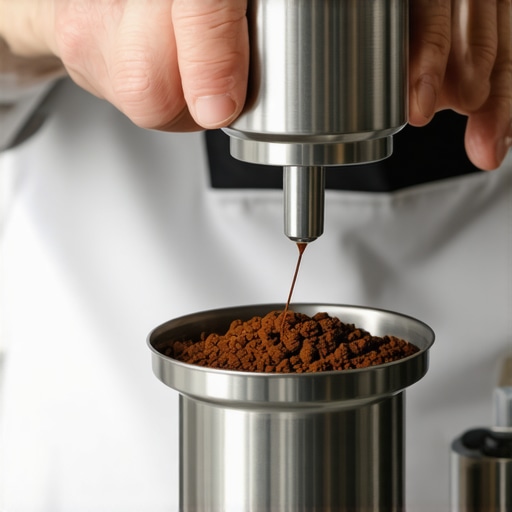
Attach the spring-loaded tamper, ensuring it’s calibrated to your preferred tamping force—most models allow you to adjust spring tension or incorporate a pressure guide. Before tamping, hold the tamper vertically above the puck, aligning it with the center. Practice pressing down gently to get a feel for the force required; over time, this builds muscle memory that your spring mechanism will help standardize.
Apply Consistent Pressure
Press the tamper downward with steady, smooth force until it reaches the preset spring stop or until you feel resistance. The spring mechanism ensures a uniform tamp depth every time. During my first attempt, I was tempted to push harder or softer—using the spring-tamper made my pressure consistent, and I immediately noticed a more balanced extraction. Think of it as having a built-in ruler for tamping depth, removing guesswork from manual pressure.
Finish and Inspect the Puck
Once tamped, lift the tamper gently to avoid disturbing the coffee bed. Inspect the surface; it should be smooth and level. A consistent tamp promotes even water flow, which I achieved by practicing my technique with my spring-loaded tamper. The uniformity reduces uneven extraction and flavor variability, making it easier to replicate great shots.
Execute and Evaluate
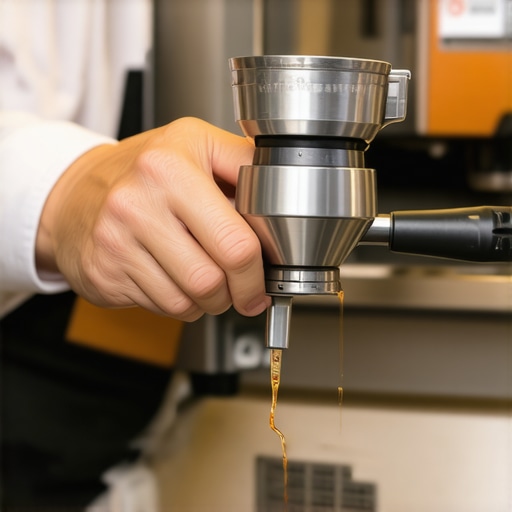
Insert the portafilter into your espresso machine and initiate the shot. Take note of the flow rate, color, and crema. If the shot deviates from your expectation, adjust your grind size or dose accordingly. Repeating this method and paying attention to tamping consistency will refine your technique over time, turning each shot into a reliable experience.
Many home baristas fall into the trap of oversimplifying their gear choices, often blaming equipment for flawed espresso shots. But let’s dig deeper—what most people get wrong are the subtle nuances that truly elevate or derail your brewing. For instance, there’s a common myth that grinding finer always yields better extraction; in reality, over-tightening your grind can cause clogs and uneven flow, especially with oily beans. Recognize that grinder settings need to be tailored not just to bean variety but to your machine’s calibration. An oops many make is neglecting routine maintenance—gunked-up grinder burrs or clogged steam wands can silently sabotage performance, even if everything else seems fine. Advanced enthusiasts understand that consistency in tamping pressure is only part of the picture; factors like dose tamp distribution and water temperature stability play crucial roles in fine-tuning flavor profiles. A quick tip? Use a scale to measure precise doses, and consider a calibration routine—details are in our guide on calibrating your scales. For seasoned baristas, the misconception that automatic milk frothers always produce perfect microfoam is a trap; adjusting steam wand angles, milk types, and jug angles makes all the difference. Don’t fall for the myth that bigger, more expensive gear automatically guarantees better results—sometimes, mastering a modest setup yields more consistent and delicious coffee. As you experiment, remember that subtle adjustments in grind size, tamp pressure, and water temperature cumulatively impact your shot quality. Incorporate regular cleaning routines, understand your equipment’s quirks, and develop personalized workflows to avoid common pitfalls. Want to explore more about choosing the right grinder or maintaining your espresso setup? Check out our comprehensive guides on selecting the perfect grinder and espresso machine maintenance. Remember, the devil is in the details—pay attention to these nuances, and your coffee will thank you. Have you ever fallen into this trap? Let me know in the comments.Maintaining your home barista equipment is crucial for long-term success and reproducibility in your coffee brewing journey. I personally rely on a few key tools and routines that keep my espresso machine, grinder, and accessories functioning flawlessly. Using a dedicated cleaning schedule, like monthly descaling with citric acid solutions, helps prevent mineral buildup that can taint flavors and impair performance. For grinders, I use a specialty brush designed specifically for burr cleaning, which reaches into the tight spaces and removes accumulated coffee oils—a common cause of clogged burrs and uneven grind particles. Regular calibration of your scales ensures dosing precision, critical for consistency; errors can creep in over time due to environmental factors or wear, so checking with a reliable calibration weight at least once a quarter is my recommended routine.
Looking ahead, the future of coffee equipment maintenance is heading towards smarter, connected devices. Imagine scales that automatically alert you when calibration is off or machines that schedule self-cleaning cycles. While that tech is still evolving, staying diligent with current routines will ensure your gear produces excellent shots for years to come.
How do I keep my equipment working smoothly over time?
Regular maintenance is your best friend—schedule deep cleanings monthly, inspect seals quarterly, and replace worn parts immediately. Learn the specifics of your equipment—consult manufacturer manuals and community forums for personalized advice—like the nuanced process described in calibrating your espresso scale. Don’t overlook the power of routine; a simple splash of cleaning solution in your steam wand or a quick rinse after each session keeps anomalies at bay.
To get started, I recommend trying a detailed calibration routine with your scale during your next espresso session. It’s a small step that can drastically improve shot consistency, saving you time and frustration in the long run. Remember, maintaining your tools is an investment in quality and enjoyment—your perfect espresso awaits!
The Hidden Lessons Behind Every Espresso Shot
One of the most profound insights I gained was that consistency isn’t just about effort—it’s about using the right tools and techniques. Discovering that a spring-loaded tamper could enforce uniform pressure was a game-changer, revealing how often we overlook simple solutions that elevate our brewing. I also realized that meticulous attention to each step—dosing, distributing, tamping—collectively impacts the taste, reminding me that espresso making is as much an art as it is science. Finally, I understood that embracing these nuances fosters patience and confidence, transforming a routine task into a gratifying ritual rather than a frustrating chore.
My Essential Arsenal for Espresso Excellence
For those eager to refine their home barista skills, I highly recommend the best coffee grinder, which ensures uniform grounds for optimal extraction. Complement that with a calibration scale from trusted calibration tools; precision here is everything. To perfect your tamping pressure, a spring-loaded tamper is indispensable. Lastly, don’t neglect routine cleaning supplies—soft brushes and descaling solutions—to keep your machine performing at its best. These investments quietly yet profoundly impact your brewing consistency and flavor quality, turning everyday espresso into a moment to savor.
Ignite Your Coffee Journey Today
Remember, elevating your espresso game isn’t about instant perfection but about embracing continuous improvement. Each shot is an opportunity to learn, experiment, and enjoy the process. With the right tools and techniques—like integrating a spring-loaded tamper into your routine—you are already on your way to barista-level consistency at home. Your perfect shot awaits, and each brew brings you closer to that barista’s confidence. Ready to dive deeper? Explore our comprehensive guide for beginners or reach out via contact us with your questions. What’s the biggest challenge you’ve faced in perfecting your espresso, and how did you overcome it? Share your story below and join the coffee community that’s brewing mastery one shot at a time.
,