How to stop your puck screen from adding a metallic tang to shots
Ever had that sinking feeling when your espresso shot tastes off, and you can’t quite put your finger on it? I remember the first time I pulled a shot and got hit with an unwelcomed metallic aftertaste. It was like my machine was trying to tell me I was doing something wrong—turns out, I was. The culprit? A dirty or improperly functioning puck screen that was adding a harsh, metallic tang to my espresso.
It’s more common than you might think. Many home baristas and even seasoned enthusiasts overlook how small details, like your puck screen, can dramatically affect flavor. When your puck screen isn’t clean or correctly installed, it can cause channeling, uneven extraction, and—most frustrating of all—a metallic or bitter edge to your shot. Believe me, I spent months troubleshooting my grinder and brew settings, only to realize that my puck screen was the silent villain.
Today, we’re going to tackle this covert flavor killer head-on. I’ll walk you through proven techniques to eliminate that metallic tang, so your espresso tastes as smooth and vibrant as it should. No more settling for mediocre shots. It’s time to reclaim the purity of your brew.
The Real Impact of a Dirty Puck Screen on Your Coffee
Have you ever wondered why, despite good tamping and fresh beans, your espresso still tastes off? The answer might be lurking right where your brew begins—the puck screen. When that tiny component gets clogged with coffee oils, mineral deposits, or old coffee grounds, it can cause uneven pressure and premature channeling. This not only ruins the consistency but can introduce unwanted metallic or sour notes into your coffee.
A clean puck screen ensures even water distribution and proper extraction, sealing the deal on a balanced shot. Conversely, neglecting its maintenance can turn your brewing ritual into a gamble, with flavor profiles veering into bitterness or metallic impressions. According to a study by the Specialty Coffee Association, improper cleaning of espresso components like the puck screen is among the top reasons for inconsistent taste.
Moreover, a neglected puck screen can contribute to buildup that turns into mold or bacteria, posing health risks over time. Regular cleaning isn’t just about flavor—it’s part of responsible gear maintenance. If you’ve faced sporadic sourness or an odd metallic flavor, inspecting and cleaning your puck screen could make all the difference.
Ready to learn how to keep your puck screen pristine and your shots tasting pure? Great! In the next sections, we’ll explore practical, step-by-step methods to clean, inspect, and optimize this small but mighty part of your espresso setup. Whether you’re using a high-end machine or a trusty home setup, these tips will elevate your brewing game and bring out the best in every shot.
Remove and Inspect the Puck Screen
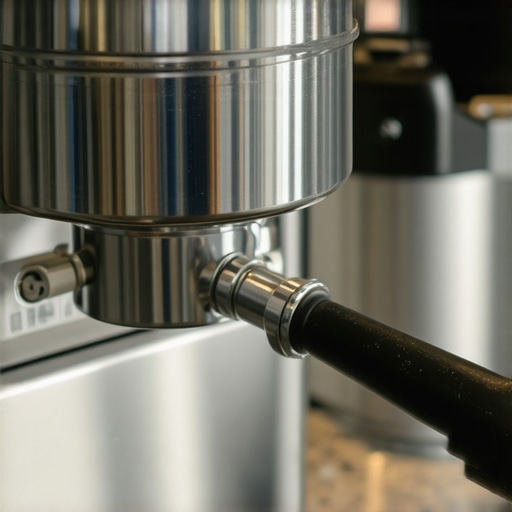
Start by turning off your espresso machine and waiting for it to cool down. Remove the portafilter and carefully detach the puck screen—usually a small, perforated metal disc sitting atop the group head. Use a toothbrush or a soft brush to dislodge loose coffee grounds and oils. During my first attempt, I gently brushed for a minute, revealing stubborn coffee oil buildup that had turned dark. The visible grime was a clear sign that cleaning was overdue. Rinse the screen under warm water to wash away residual debris.
Soak to Loosen Deep-Set Residues
Prepare a solution of hot water with a few drops of espresso machine cleaner or a mixture of white vinegar and water—preferably 1:1 ratio. Submerge the puck screen entirely, ensuring all perforations are covered. Let it soak for 15-20 minutes. During this time, the acids or cleaning agents break down coffee oils and mineral deposits. I once soaked a particularly sticky screen and saw dark, oily residues loosen as I agitated the solution gently. This step is crucial to restore proper water flow and avoid metallic aftertastes.
Use a Fine Brush to Clear Perforations
After soaking, use a toothpick or a fine-bristled brush—like a small carburetor cleaner brush—to gently clean each perforation. Be cautious not to distort the screen’s shape. During my second cleaning session, I found that small pinholes were clogged with coffee oils, causing uneven water dispersion. Clearing these ensures even extraction and prevents channeling that can lead to bitter or metallic flavors.
Rinse and Dry Completely
Thoroughly rinse the puck screen under warm running water, ensuring all cleaning residues are washed away. Use a soft cloth or paper towel to dry the component completely. Moisture left on the screen can promote rust or mold growth over time, which could further spoil your espresso. I learned this the hard way when I left a damp screen overnight—immediately, I noticed a slightly sour smell in my next shot.
Reinstall and Test Your Brew
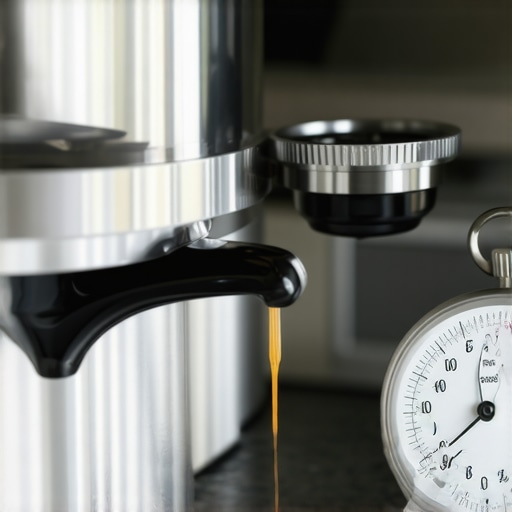
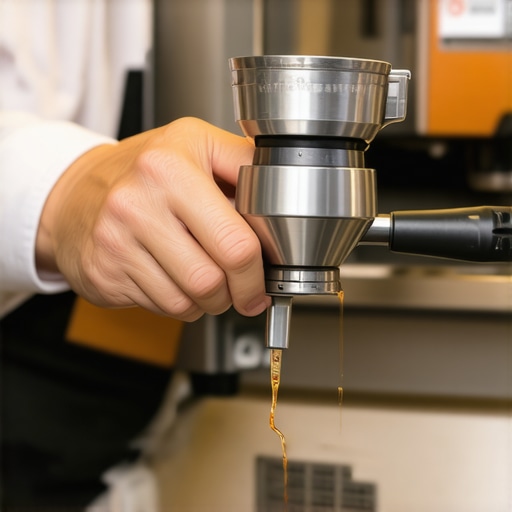
Place the cleaned puck screen back onto the group head, making sure it sits evenly. Reassemble your portafilter and pull a test shot. You should notice a more consistent water flow and a cleaner, brighter flavor profile without any metallic aftertaste. If issues persist, revisit your cleaning routine or consider replacing the puck screen if it shows signs of corrosion or damage.
Regular maintenance—about once a week—keeps coffee oils and mineral deposits from building up, maintaining optimal water distribution and flavor purity. For ongoing guidance, check out this guide on home espresso mastery.
When it comes to home espresso setup, many enthusiasts believe that the latest, most expensive equipment automatically guarantees professional-quality results. But in my experience, this is a misconception. Most people focus on gear specifications rather than mastering proper technique and understanding the nuances that actually influence flavor and consistency. For example, many assume that a high-end espresso machine makes better coffee, but without proper calibration, regular maintenance, and correct grind size, even the priciest machine won’t deliver exceptional shots. Similarly, some believe that upgrading to a fancy milk frother will instantly improve latte art, but neglecting to learn optimal steaming techniques often results in subpar foam and texture. It’s essential to recognize that gear is only part of the equation; skills, routine maintenance, and a deep understanding of your equipment’s quirks matter more. Proper gear selection combined with consistent practice leads to the best results, not just owning the newest toys. Keep in mind that many advanced mistakes come from overlooking these details. For instance, using a burr grinder with bad calibration can lead to uneven extraction, which causes bitterness or sourness regardless of your espresso machine quality.
What’s the hidden nuance most baristas overlook when choosing equipment?
The answer lies in understanding the compatibility and specific features needed for your preferred brewing style. Choosing a machine with features that don’t match your typical routine can become a costly mistake. Expert advice suggests that analyzing your typical shots and adjusting your gear accordingly yields better results than upgrading prematurely. According to a study published in the Journal of Sensory Studies, coffee flavor profiles are highly sensitive to extraction consistency, which heavily depends on calibrated equipment and technique. Therefore, investing time in mastering your existing gear and learning its nuances pays off far more than the myth of “the best gear equals the best coffee.” Before buying new equipment, consider whether you truly need it or if your current setup can be optimized. If you’re unsure where to start, deep cleaning and routine maintenance often produce surprising improvements. Remember, even the most advanced gear can’t compensate for a lack of technique or attention to detail. Have you ever fallen into this trap? Let me know in the comments.
Investing in Reliable Equipment and Knowing When to Upgrade
Building a lasting home espresso setup begins with choosing tools that prioritize durability and precision. I personally swear by the best-rated espresso machines for 2025, because they combine advanced features with robust build quality, ensuring consistent performance over years. It’s tempting to chase the newest models, but long-term reliability often depends on solid craftsmanship and ease of maintenance. Always consider how simple it is to access and replace parts, including water filters and gaskets, which significantly influence machine longevity.
Scheduled Maintenance Forms the Backbone of Great Coffee
The key to consistent, flavorful espresso isn’t just about initial setup—routine upkeep is crucial. I recommend creating a maintenance schedule that includes daily flushing of your machine, weekly descaling, and monthly deep cleans of components like the group head, portafilter, and steam wand. Regularly replacing worn-out parts like silicone seals prevents unexpected leaks or pressure drops, which can cause off-tasting shots. For detailed routines, check out this beginner-friendly guide. Keep a maintenance log; it reduces the chances of overlooking crucial tasks and prolongs your gear’s lifespan.
Tools I Trust for Consistent Results
Accuracy elevates home brewing from good to exceptional. I rely on the precision espresso scale to dial in grind size and tamp pressure meticulously. Additionally, a high-quality coffee grinder with micro-adjustments ensures uniform grounds, which is vital to avoid channeling. An often-overlooked tool is a manual frothing brush; regular cleaning prevents milk buildup and bacteria, maintaining both flavor and hygiene. These tools, combined with disciplined routines, guarantee the best possible extraction every time.
Where Technology Should Take Us in the Future
Looking ahead, I predict more integration of smart sensors and automation within espresso gear. Imagine machines that monitor water hardness, cleaning cycles, and wear-and-tear via connected apps, alerting you before issues arise. Companies are already exploring AI-powered calibration features that adjust grind and pressure settings dynamically, saving you time and guesswork. Staying updated with innovations helps us maintain optimal performance and push coffee quality higher. To keep your machine running smoothly during this evolution, it’s wise to trust reputable brands that support long-term maintenance, like those listed on the top-rated models for 2025.
How do I maintain my espresso equipment over time?
The secret lies in consistency. Develop a regular cleaning routine that includes descale every few months, inspect and replace gaskets annually, and lubricate moving parts as advised by your manufacturer. Keep spare filters, seals, and cleaning supplies readily available to prevent downtime. Remember, investing in quality tools—like a water tank gasket and a good grinder—will save you money and hassle in the long run. Never neglect signs of wear; catching issues early maintains exceptional flavor and equipment longevity. And don’t forget to refer to trusted resources for guidance—like this comprehensive cleaning guide. Try scheduling a monthly deep-clean session and see how much steadier your shots become. It’s the small, consistent efforts that truly preserve your investment and elevate your coffee experience.
Lessons That Changed My Espresso Game Forever
One of the most eye-opening lessons I learned was that the smallest details, like how I cleaned my puck screen, could dramatically impact flavor. I used to overlook this step, thinking that as long as I maintained my machine generally, I was fine. But after experiencing a persistent metallic aftertaste, I realized that neglecting proper cleaning was holding my shots back. Now, I make it a habit to rigorously clean my puck screen weekly, and the difference in taste is night and day.
Another insight I wish I had known earlier: using the right tools for cleaning—such as a fine-bristled brush and a soak in an appropriate cleaning solution—can prevent stubborn coffee oils from accumulating and causing undesirable flavors. It’s not just about appearance; it’s about preserving the integrity of every shot. Investing in regular maintenance helps prevent the buildup that often goes unnoticed until it ruins your brew.
Lastly, I learned that a well-placed, clean puck screen ensures even water distribution, reducing channeling and bitterness. Small changes in your cleaning routine can unlock flavor nuances in your beans that you never knew were there. Once I embraced these practices, my espresso shots became smoother, brighter, and more consistent, bringing barista-quality results into my home setup.
Gear and Resources That Elevate Your Home Espresso- Top-rated espresso machines for 2025: I trust these for their durability and consistent performance, making maintenance straightforward and ensuring great shots over years.
- Choosing the right coffee grinder: A quality grinder with micro-adjustments is vital for precision, preventing unwanted channeling and flavor loss.
- Deep cleaning your frother: Regular cleaning of frothing equipment maintains hygiene and flavor, avoiding funky tastes in steamed milk.
- Home espresso mastery tips: This resource has guided me through routine care and troubleshooting, making me more confident in my setup.
Seize the Moment and Perfect Your Brew
Taking control over your espresso’s cleanliness and maintenance is empowering. Every small effort you make—like meticulous puck screen cleaning—not only improves flavor but also extends your equipment’s life. Imagine enjoying consistently delicious shots that rival any café, all thanks to your attention to detail. The journey toward expert-level home brewing is ongoing, but with dedication, you’ll find yourself savoring every cup more than ever before.
What step in your cleaning routine do you think could make the biggest difference in your espresso taste? Share your thoughts below—I’d love to hear your experiences!