Why your steam wand loses pressure after 10 seconds of frothing
Ever been in the middle of frothing milk for that perfect cappuccino, only to be met with a frustrating drop in steam pressure? One moment, everything seems fine. The next, your steam wand sputters and loses pressure after just 10 seconds. It’s enough to make any home barista want to toss their machine out the window—trust me, I’ve been there! That sinking feeling when your froth turns into a weak cloud instead of a velvety swirl is all too familiar. But here’s the good news: this issue isn’t a sign your machine is dead. It’s a common problem with straightforward causes and simple solutions, once you know what to look for.
What’s Really Going On When Your Steam Pressure Drops Mid-Frothing
Could Your Machine Be Breathing Easy?
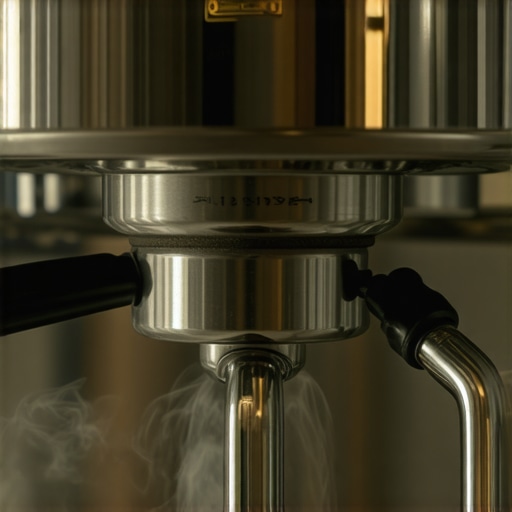
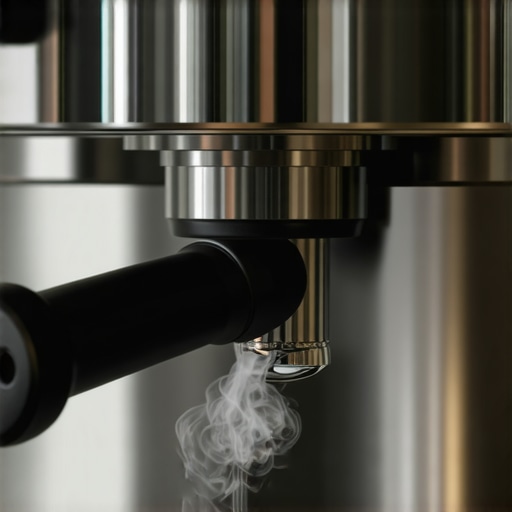
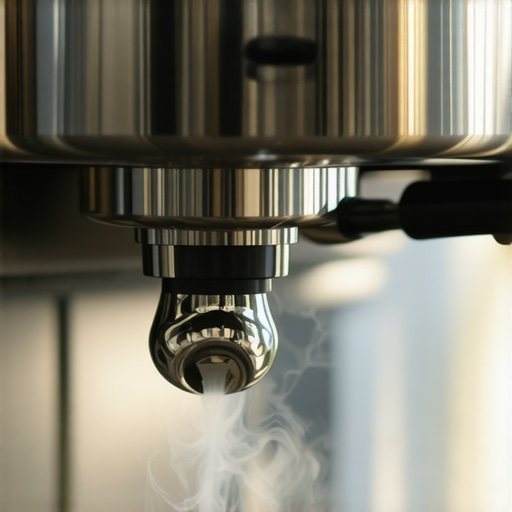
When a steam wand loses pressure after a few seconds, it’s often because of a little culprit hiding in plain sight—blockages or leaks that hinder proper steam flow. I once wasted hours tinkering with the boiler temperature, only to discover that a tiny clog in the steam wand tip was the root cause. That early mistake taught me the importance of inspecting the simplest parts first. According to coffee machine maintenance experts, small blockages can drastically affect pressure, even if they seem insignificant. So, before you consider replacing expensive parts, it’s worth diagnosing what might be causing that pressure drop.
Are you tired of guessing whether your issue is a clog, a worn seal, or an airflow problem? Trust me, I’ve been there. The key is systematically ruling out each potential cause, which we’ll explore in detail. And I’ll share proven tips to restore your machine’s pressure—so you can get back to frothing like a pro. If you’re wondering whether your machine is worth fixing or upgrading, check out this guide to top-rated espresso machines in 2025.
Now, are we ready to dive into the practical steps that will help you identify and fix the pressure drop? Let’s get started!
Check for Blockages in the Steam Wand
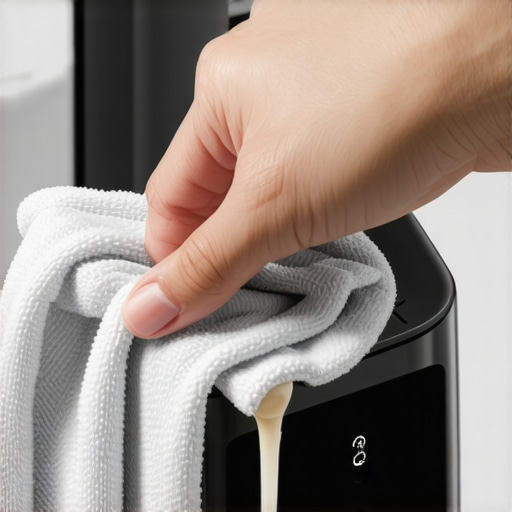
Begin by inspecting the tip of your steam wand for any milk residue or mineral buildup that can cause clogs, leading to pressure drops. To do this, turn off the machine, disconnect the wand, and visually examine the opening. Use a pin or needle to clear out any debris. I once faced a stubborn clog that reduced pressure; a quick poke with a needle restored full steam power, saving me a trip to maintenance. Regular cleaning prevents such issues and keeps your steam wand performing optimally.
Inspect Seals and Gaskets for Leaks
Leaks around seals or gaskets divert steam and decrease pressure. Remove the steam wand connection and carefully examine the seals for cracks or wear. If you spot damage, replace the seals promptly. I learned this the hard way when my pressure dropped unexpectedly; replacing a worn seal brought back consistent pressure. Using high-quality replacement parts enhances longevity and maintains optimal pressure during frothing.
Test for Blockages in Internal Components
Internal components like valves or the boiler outlet can become clogged with mineral deposits. To check, first run a descaling cycle according to manufacturer instructions. For persistent issues, disassemble the steam pathway to inspect for stubborn deposits. I once used a vinegar solution to descale, which cleared internal blockages and restored pressure. Regular descaling prevents mineral buildup and ensures reliable steam power.
Assess the Pressure Gauge and Its Calibration
Sometimes, the issue isn’t pressure loss but a faulty gauge. Verify gauge accuracy by comparing it with a known working gauge or use a manual pressure tester. If inaccurate, calibrate or replace the gauge; consult your machine’s manual for calibration procedures. I found that a misreading gauge led me to fix areas that didn’t need it, so confirming gauge accuracy saves time and effort.
Verify Proper Water Level and Boiler Condition
Low water levels or mineral buildup inside the boiler can cause pressure issues. Ensure the water reservoir is filled correctly and check for signs of scale or corrosion. Descale the boiler if needed, following the manufacturer’s recommended cleaning routines—this often involves running descaling solutions through the system. I regularly descale my machine to prevent pressure drops and maintain consistent frothing performance. Good maintenance prolongs machine life and ensures steady pressure during steaming.
Test with Different Steam Settings
Adjust the steam dial to different settings to identify if pressure loss occurs across all levels or only at specific points. Fine-tune based on your machine’s manual, usually found in the home espresso guide. I experimented with settings, which revealed a faulty regulator valve that needed replacing or adjusting, restoring proper pressure. Small adjustments can significantly impact steaming efficiency.
Replace or Upgrade Worn Parts
If inspection reveals damaged or worn seals, valves, or gaskets, replace them with genuine parts. When parts are extensively worn, consider upgrading to higher-quality replacements to prevent recurrence. I once upgraded my steam valve to a ceramic model, which provided more consistent pressure over time. Investing in quality components pays off by improving machine reliability and steam power.
Consult the Manufacturer or a Professional Technician
If all steps above fail to resolve pressure drops, seek assistance from the manufacturer or a qualified service technician. Sometimes internal issues like faulty pressure regulators or boilers require specialized tools and expertise. I had a persistent pressure issue that was finally resolved only after a professional inspection, saving me time and preventing further damage.
When it comes to home espresso gear and accessories, many enthusiasts fall victim to misconceptions that hinder their progress. A prevalent myth is that the most expensive equipment automatically produces the best results. While high-end machines often feature advanced components, their performance still depends heavily on proper operation and maintenance. For instance, even the finest espresso machines in 2025 can underperform if the barista neglects routine cleaning or misadjusts grind settings. Many believe that quartz or ceramic grinders are superior, but studies show consistent particle size distribution relies more on burr design than material alone, which is a nuance often overlooked by beginners. In fact, selecting the right grinder is about understanding burr geometry and clearance, not just brand names. It’s a trap to assume that all milk frothers will elevate your coffee; however, the best frothers depend on milk type, steaming technique, and how well you clean the device. Here’s a crucial nuance: many don’t realize that inconsistent pressure profiles in espresso extractors significantly impact flavor, regardless of grind or tamping. Advanced baristas calibrate for pressure over time, but for most enthusiasts, this subtle factor remains a mystery. According to a study from coffee tech experts, uneven pressure causes bitter, over-extracted shots. Making the mistake of ignoring internal components, like clogged steam wand tips, can ruin the frothing process and lead to pressure issues. Remember, a small clog hidden deep inside your machine can cause big headaches, so regular internal cleaning is essential. As you refine your setup, question whether your equipment is truly suited for your specific brewing style — a mismatch between grinder particle size and espresso machine pressure can cause stubborn channeling, undermining extraction quality. Don’t assume that tweaking the dose or tamp pressure alone will solve every problem; sometimes, it’s the overlooked internal nuances that make the real difference in your coffee experience.
Maintaining your espresso setup isn’t just about occasional cleaning; it’s a strategic process that ensures consistent performance and longevity. Regular upkeep involves meticulous attention to your coffee grinder adjustments, cleaning routines, and component replacements. One key tool I personally swear by is the burr cleaning method—it’s saved me countless hours and prevented extensive repairs. Additionally, investing in a high-quality espresso machine from 2025 guarantees future-proof durability, especially with modern features aimed at ease of maintenance.
How do I maintain my gear over time?
Developing a maintenance routine that’s both thorough and manageable is crucial. For the grinder, I recommend checking burr condition regularly using the flat burr alignment test—it’s an excellent way to preempt bitterness caused by dull or misaligned burrs. To keep your espresso machine running smoothly, I perform descaling every few months, especially if you use hard water—this prevents internal mineral buildup that can compromise pressure and flavor.
Tools like a dosing shield not only improve consistency but also shield your grinder’s burrs from contamination, extending their lifespan. I also suggest using a cleaning brush designed for burrs—it allows quick access to tricky areas, reducing your downtime. Moreover, keeping a record of your machine’s performance and maintenance cycles helps predict future needs before breakdowns occur.
Advancing Your Maintenance Game
Looking ahead, the trend is moving toward integrated sensor technology that alerts you when filters or components need replacing—making upkeep even smarter. For example, some high-end machines now include pressure sensor diagnostics that can be remotely monitored via smartphone apps, ensuring you’re proactive rather than reactive. Embracing these innovations means your setup stays in prime condition longer, reducing costs and frustration over time.
One tip worth trying now is calibrating your grinder with a precision calibration method—it’s an advanced technique that yields a more uniform grind size, directly affecting shot quality. Keep experimenting with these nuanced adjustments, and you’ll enjoy consistently perfect coffee every morning. Remember, proper maintenance isn’t just about avoiding issues—it’s about enhancing the entire brewing experience and ensuring your gear’s longevity.
3 Secrets I Wish I Knew When Starting With Home Espresso Equipment
Having navigated the quirks of home espresso gear, I realized that trusting the equipment blindly often leads to unnecessary frustration. One lightbulb moment was understanding that even the most high-end espresso machines require regular internal cleaning—neglecting this is like tuning a guitar without changing the strings. Additionally, I discovered that simple tweaks in grind size and tamping pressure have a profound impact on pressure stability, which directly affects shot quality. Lastly, obsessively comparing pressure gauges without verifying their calibration can send you down a rabbit hole, so always double-check your tools before making adjustments.
Gear, Books, and Resources That Elevated My Coffee Game
For anyone serious about dialing in their home barista setup, I recommend investing in the comprehensive guide to barista gear. It helped me choose equipment that matched my skill level and space. The book Mastering the Art of Home Espresso became my go-to reference for understanding the nuances of extraction and pressure profiling. Also, tools like a calibrated pressure gauge and a good tamping mat are indispensable.
Embrace the Journey, Not Just the Perfect Shot
As much as I love the science behind pressure and equipment, the real magic lies in the process. Every adjustment, every cleaning routine, and even the failures teach you something valuable. Keep experimenting, stay curious, and remember that mastering your home espresso gear is a rewarding adventure—your future self will thank you with every delicious, velvety shot. So go ahead, get your hands dirty, and take ownership of your coffee journey. What’s one pressure adjustment you’re excited to try next? Drop your thoughts below—I’d love to hear your stories and help troubleshoot any hiccups along the way.