How to Stop Your Steam Tip From Clogging Every Single Day
It was a crisp morning, and I eagerly prepared my espresso, only to be greeted by a stubborn, stubborn clog in my steam tip. The frustrating part? That same issue had haunted me nearly every day, causing delays and ruining my brewing rhythm. I knew something had to change, but I wasn’t sure where to start.
Why Do Steam Tips Get Clogged So Often?
For years, I justified the buildup as just a normal part of owning a home espresso machine. The steam tip, after all, is constantly exposed to milk residues, minerals from water, and even tiny coffee oils that can accumulate over time. But I learned that many common mistakes — like neglecting regular cleaning or using too hard water — significantly increase the likelihood of clogs. In fact, according to expert reviews, mineral deposits are a primary culprit behind steam tip blockages, especially in machines without proper maintenance routines.
Every morning, I faced the same dreaded moment when trying to steam milk — a loud sputtering, a hesitation, and then silence. It was embarrassing and undeniably frustrating. This problem felt as inevitable as the sunrise, but after some experimentation and advice from seasoned baristas, I discovered that simple, consistent maintenance could save the day. In this post, I’ll walk you through the exact steps I used to finally stop my steam tip from clogging daily, and I’ll share some tips you might find helpful too.
Have You Faced This Stubborn Clog and Wondered If It’s Just Part of Owning a Fancy Espresso Machine?
Trust me, I made the mistake early on of ignoring the importance of regular cleanings, thinking that occasional rinses would suffice. That mistake cost me dearly in productivity and flavor. The good news? With just a few tweaks in your routine, you can prevent this issue from rearing its ugly head every single day.
Before we dive into the fix, consider how often you clear your steam tip, and what water quality you use. These small habits make a big difference. Ready to reclaim flawless microfoam and stress-free mornings? Let’s get into the nitty-gritty of troubleshooting and prevention.
Disassemble and Clear the Steam Tip
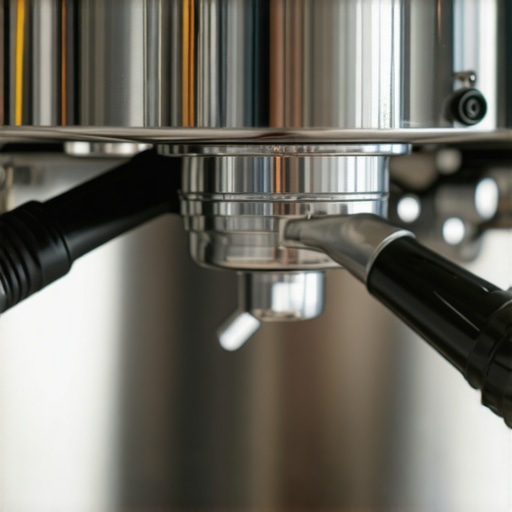
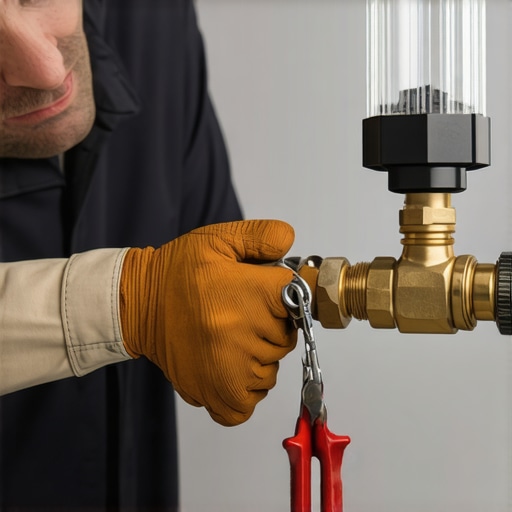
Start by turning off and unplugging your espresso machine. Remove the steam wand and unscrew the tip carefully. Use a small needle or pin to gently poke through the tiny holes, dislodging any dried milk or mineral deposits. During a morning session, I once found a stubborn bit of milk crust blocking the hole, which I cleared with a quick poke—immediately restoring steam flow.
Using a Cleaning Solution
Soak the tip in a descaling solution or a mixture of equal parts water and vinegar for 15-30 minutes. This helps dissolve mineral buildup. After soaking, scrub gently with a soft brush or toothbrush. I remember how gritty deposits brushed away easily after this soak, making steam sputtering a thing of the past.
Flush and Test the System
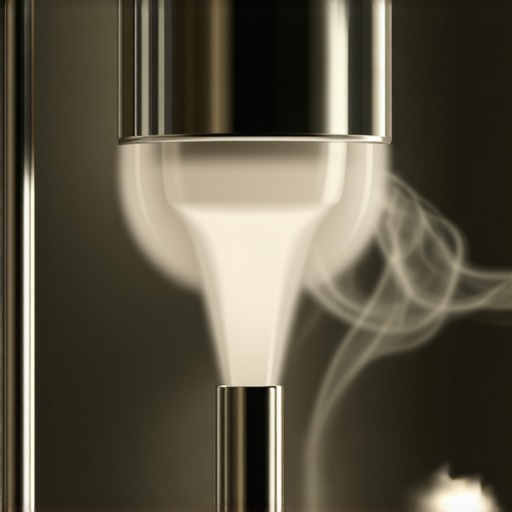
Reconnect the tip and run hot water or a purpose-made steam cleaner through the wand to flush out loosened debris. Turn on the machine and open the steam valve for 10 seconds, then close, repeating several times. This flushes residual deposits. Once reassembled, I tested with a milk steaming session—no sputtering, just smooth, dry vapor.
Implement Regular Maintenance Routines
Set a weekly schedule to soak and clean your steam tips, especially if you steam milk daily. Use a descaling tablet periodically if your water has high mineral content. Regular cleaning prevents buildup and prolongs the lifespan of your gear. Remember, neglect leads to persistent clogs, which then demand more intensive cleanings that could damage the tip if done improperly. For more tips on maintaining your equipment, visit this guide.
Adjust Water Quality for Longevity
Hard water is a major contributor to mineral deposits. Consider installing a water softener or using filtered water to minimize buildup. During my experience, switching to filtered water cut down descaling frequency by half. Discover more about choosing the right water at this resource.
 Many home baristas fall for misconceptions about coffee grinders and espresso machines, believing that buying the most expensive gear guarantees perfect results. However, true mastery lies in understanding the subtle nuances and common pitfalls that even seasoned enthusiasts often overlook. For instance, a frequent mistake is assuming that a burr grinder’s price directly correlates with grind consistency; in reality, *proper calibration and maintenance* play a more significant role than just cost. Additionally, many enthusiasts overlook the impact of *grinder burr alignment*, which can cause uneven particle size distribution, leading to channeling and under-extracted shots. Regularly checking and adjusting burrs can dramatically improve shot quality; for detailed insights, see this guide.
Another critical point is the myth that high-end espresso machines are immune to issues like *pressure fluctuations* or *temperature inconsistencies*. In fact, even premium equipment requires vigilant calibration—an overlooked factor that can sabotage your brewing consistency. Many users neglect to regularly *descale their machines*, which leads to mineral buildup affecting temperature stability. Expert reviews recommend periodic descaling routines to maintain optimal performance.
When it comes to milk frothing, many believe that the quality of milk alone is the main variable. While milk quality matters, controlling *frothing techniques* and understanding *air incorporation* are equally vital. An advanced mistake is using the wrong steam wand angles or over-foaming, resulting in large bubbles instead of creamy microfoam. For mastering these nuances, check out this resource.
Senior baristas also emphasize that the *choice of barista gear* extends beyond just grinders and espresso machines; accessories like tampers, distribution tools, and even cleaning implements subtly influence shot quality. Overlooking these details can cause inconsistent extraction and flavor profiles. An often-underestimated aspect is the *timing and technique* during tamping—applying uniform pressure and distribution significantly reduces channeling and improves shot clarity. More tips are available at this guide.
Finally, an important advanced tip is understanding the *relationship between grind size and machine pressure*, as different beans and roast levels respond differently to pressure profiling. Relying solely on preset grinder settings without considering these factors can lead to bitter or sour shots. Fine-tuning with tools like pressure gauges or using a PID controller can help dial in consistently perfect espresso, especially when working with varied beans.
Have you ever fallen into this trap? Let me know in the comments and share your own lessons in mastering your home espresso setup.
Keep Your Equipment Running Smoothly with the Right Tools and Routine Maintenance
Owning a home espresso setup is a rewarding experience, but it demands diligent upkeep to maintain performance and get consistent results. Investing in specialized tools can be a game-changer, helping you troubleshoot issues quickly and extend the lifespan of your gear. For instance, I personally rely on a high-quality precision burr calibration tool to ensure my grinder remains evenly aligned, which directly impacts shot quality.
One essential tool I recommend is a steam wand cleaner brush. Regularly cleaning the steam tip with a dedicated brush prevents mineral buildup and milk crust, reducing clogs and ensuring microfoam remains smooth and velvety. I also use a digital scale with flow rate monitoring capabilities, like the one discussed in this guide, to fine-tune shot extraction and dial in consistent pressure profiling.
How do I maintain my espresso gear over time?
Establishing a regular cleaning schedule is key. For example, I soak my portafilter and basket in a descaling solution once a week and run water through my machine’s internal circuits every few months, following manufacturer guidelines. Descaling tablets, such as descaling tablets, help dissolve mineral deposits that can cause pressure issues or temperature fluctuations. Additionally, inspecting gasket seals periodically prevents leaks and maintains proper pressure during extraction.
Protecting your investment involves using tools like water softeners or filtered water systems. Hard water accelerates calcification, which severely hampers performance. I personally installed a water filtration unit to improve water quality, significantly reducing descaling frequency and enhancing overall taste.
Future Trends: Smarter & More Precise Maintenance
Looking ahead, advancements in IoT technology promise to make equipment self-diagnosing and maintenance reminders more commonplace. Imagine your espresso machine alerting you when scales or gaskets need replacing—saving time and preventing costly repairs. Investing in these systems now, like smart descaling alerts, will set you ahead in maintaining a pristine home setup.
Ready to elevate your maintenance game? Try integrating a flow rate monitor or smart scheduling tools to spot issues early and keep your equipment in peak condition. Remember, consistent care not only prolongs the life of your gear but also ensures every shot is as good as the first.
The Hardest Lesson I Learned About coffee grinders,espresso machines,milk frothers,barista gear,home espresso
One of the most eye-opening realizations was that even premium gear requires more than just occasional use; consistent, mindful maintenance truly unlocks peak performance. I once believed that investing in top-tier equipment alone would guarantee perfect shots, but I quickly learned that neglecting routine care leads to stubborn clogs, uneven extraction, and flavor inconsistencies. The breakthrough came when I started viewing every component—be it the grinder burrs, steam wand, or portafilter—as needing regular attention to prevent small issues from escalating into costly repairs or compromised coffee quality.
My go-to tools that transformed my espresso setup
Over time, I collected a handful of trusted tools that made maintenance straightforward and effective. The precision burr calibration tool became essential for ensuring my grinder’s consistency, directly impacting shot clarity. I swear by a dedicated dosing funnel to prevent grounds from flying everywhere, saving cleanup time. A bottomless portafilter helps me visually diagnose channeling issues at a glance. These tools, combined with regular cleaning routines, make a tangible difference in my daily brewing experience.
Fuel your passion with the right mindset and resources
Stepping up my home espresso game wasn’t just about equipment—it was about cultivating a meticulous mindset. Reading this comprehensive guide gave me a solid foundation on dialing in variables like grind size, tamp pressure, and water quality. Additionally, I started following seasoned baristas’ updates on high-grade barista gear, which opened my eyes to small accessories that dramatically improve consistency. Lastly, tuning into new technologies, like smart descaling systems, can prevent downtime and enhance your setup’s longevity—an investment worth considering as gear advances.
Your turn to elevate the coffee experience
Remember, the journey to perfect home espresso isn’t about instant results but continuous learning and care. Every tweak you make, every tool you adopt, brings you closer to those cafe-quality shots that start your day just right. Keep experimenting, maintaining, and sharing your successes—your coffee adventure is uniquely yours, and the possibilities are endless. What’s the one maintenance routine that transformed your brewing game the most? Share your story below and inspire fellow coffee lovers!