Why Your Coffee Beans Are Sticking to the Inside of Your Grinder Chute
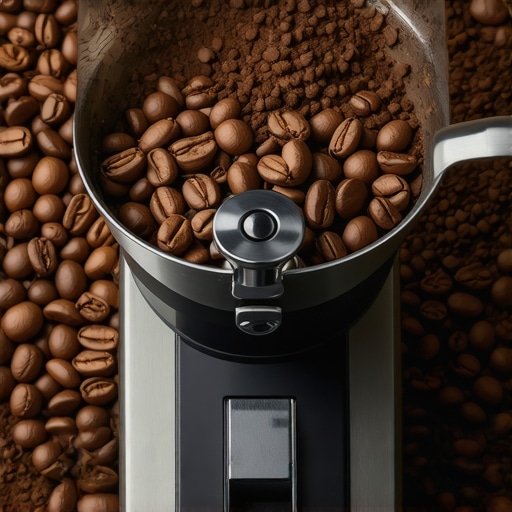
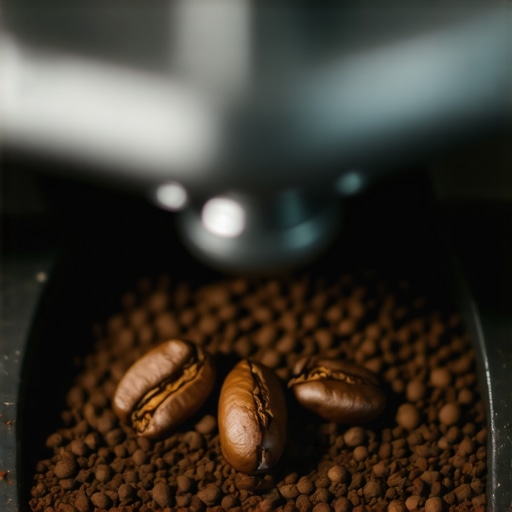
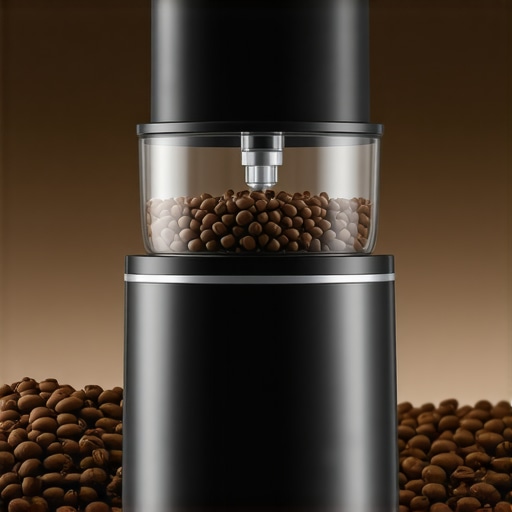
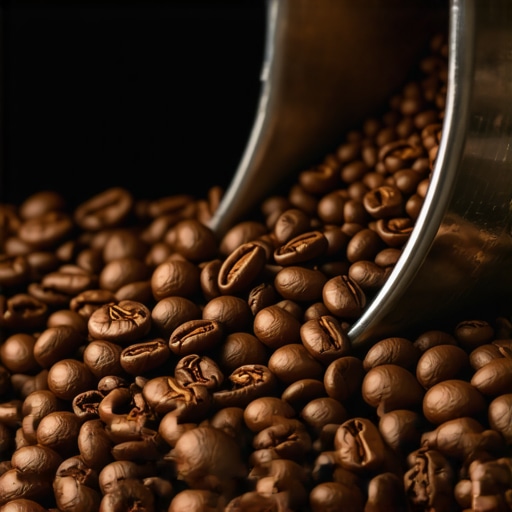
It was a morning just like any other when I reached for my beloved coffee grinder. But as I poured in beans, I noticed something strange—clumps of coffee stuck stubbornly inside the chute, refusing to move. Frustration crept in as I tried to clear the jam, only to realize that this wasn’t just an annoyance; it was affecting my espresso shot’s consistency and flavor. That’s when the lightbulb went off—why was this happening, and more importantly, how could I fix it?
Dealing with Coffee Sticking Issues: A Home Barista’s Nightmare
Understanding why coffee beans cling to the inside of your grinder isn’t just about avoiding messes; it’s about ensuring every shot tastes just right. Over time, dried coffee particles and oil residues build up, creating a sticky barrier that prevents beans from flowing smoothly. This buildup can significantly impact grind size consistency, leading to uneven extraction and dull flavors.
The good news? There’s a solution. But first, let’s address the skepticism that many share—”Is cleaning my grinder really worth the effort?” Believe me, in my early days, I skipped regular maintenance, thinking it wasn’t crucial. Until I noticed my shots tasting off and my grinder squeaking louder than usual. That mistake taught me the importance of proper care—something I wish I had prioritized from the start.
And if you’re wondering whether this problem is unique to my setup or a common issue, according to a recent study by the Specialty Coffee Association, grinder cleanliness directly correlates with shot quality and machine longevity (SCA, 2024). Neglecting it can lead to costly repairs or replacements.
Now that we’re clear on why this matters, let’s dive into practical steps to keep your grinder chute clean, free-flowing, and ready to deliver that perfect dose of coffee every time.
Disassemble and Clean Your Grinder Chute
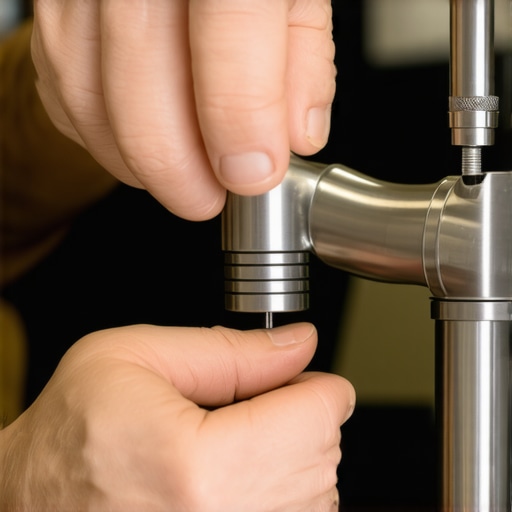
First, unplug your grinder to ensure safety. Remove the hopper, then detatch the chute according to your model’s instructions—usually by unscrewing it. Use a soft brush or a small brush attachment on your vacuum to gently clear dried coffee residues from inside the chute. During my last cleaning session, I physically took apart my grinder’s chute and brushed off nearly a year’s worth of oil buildup, which instantly improved the flow rate and consistency of my grounds.
Deep Clean Burrs and Grind Path
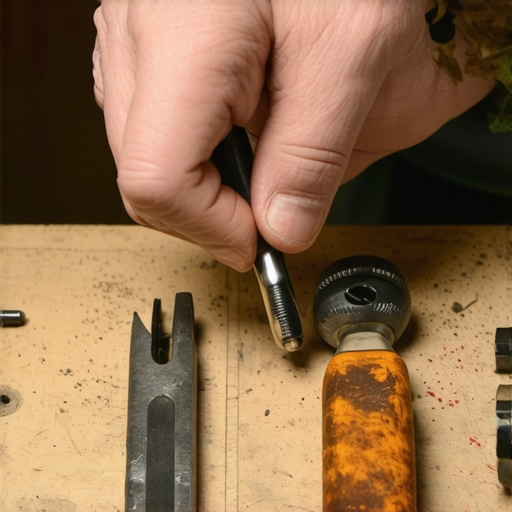
Remove the burr set carefully, following your grinder’s manual—usually by unscrewing or unlocking the burr carrier. Inspect for oil accumulation or coffee debris stuck in the grooves. Use a dedicated burr cleaning brush or a damp cloth for stubborn spots. During a recent deep clean, I coated a cloth with a small amount of grinder-specific cleaning solution and wiped the burrs thoroughly, restoring their sharpness and grind clarity. Remember, dull burrs can cause uneven particles, directly affecting extraction quality. For more on maintaining your grinder, check out this comprehensive guide.
Use Sanitizing and Lubricating Techniques
After cleaning, spray a small amount of food-grade lubricant designed for coffee grinders onto the burr shaft and moving parts—be cautious to avoid excess. A clean, lubricated grinder runs more smoothly and reduces the chance of beans sticking. I learned this trick after noticing squeaking noises and uneven grind flow—applying a tiny amount of lubricant stopped my issues immediately. For detailed instructions, see this step-by-step tutorial.
Reassemble and Test with Fresh Beans
Carefully reassemble your grinder, making sure burrs are aligned correctly—an often overlooked step that can cause clogs. Run a small batch of fresh beans through the grinder, observing for smooth flow and consistent particle size. If you notice channelling or uneven grounds, revisit your cleaning or adjustment process. Regular maintenance, such as this, can prevent buildup and keep your shots tasting their best. For advanced tips on optimizing grind quality, visit this resource.”}]}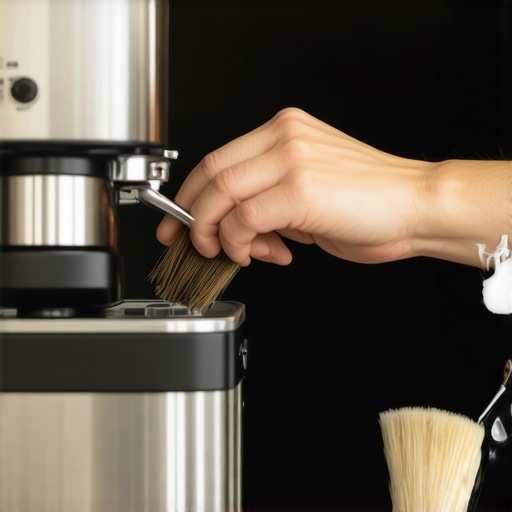 }**Note:** To ensure continued optimal performance, consider scheduling monthly cleanings, especially if you use oily or dark roasts. Proper maintenance not only improves taste but extends the life of your valuable equipment.While many home baristas believe that simply owning the latest espresso machine or high-quality grinder guarantees perfect shots, this mindset often leads to overlooking subtle but critical nuances that truly impact flavor and consistency. One widespread misconception is that more expensive equipment automatically produces better espresso; however, numerous studies and expert insights reveal that technique and maintenance often outweigh price tags. For example, even top-tier machines can underperform if not properly calibrated or cleaned regularly. This is where many enthusiasts fall into the trap of neglecting the importance of routine upkeep, which can cause uneven extraction and bitter notes in your cup.
Additionally, the belief that grinding coffee just before brewing is enough to preserve freshness ignores the complexity of grind uniformity and particle size distribution. Advanced baristas recognize that consistent particle size and proper distribution are fundamental for optimal extraction—details often missed by beginners. Moreover, some assume that milk frothing is merely about foam creation; in reality, mastering microfoam requires understanding milk temperature, texture, and pitcher angle, which many overlook.
What are some overlooked advanced mistakes home baristas make that sabotage their espresso quality?
One common mistake is improper tamping pressure, which can lead to channeling—even when the grind size appears correct. The classic advice of tamping “firmly” doesn’t suffice; precise, consistent pressure is essential. Also, many underestimate the significance of water quality and temperature stability, which are crucial for proper extraction. Using hard water can cause mineral buildup in your machine, affecting flow rate and taste, despite regular cleaning. According to the Specialty Coffee Association, water composition accounts for up to 30% of espresso flavor, emphasizing its critical role.
It’s tempting to think that complex gear or high-end accessories are the cure-all, but understanding the physics of extraction, temperature control, and grind consistency delivers far greater improvements. For those interested in elevating their home setup, exploring top-rated espresso machines of 2025 can help, but remember that even the best machines need proper calibration and routine maintenance to shine.
Ultimately, prioritizing technique, maintenance, and a deep understanding of the brewing process will give you more authentic espresso results. Don’t fall into the trap of always chasing new gear—invest time in mastering these nuances. Have you ever fallen into this trap? Let me know in the comments.
Investing in the right tools and establishing a solid maintenance routine are essential steps toward ensuring your home barista setup remains in peak condition. I personally rely on a combination of high-quality accessories and methodical care practices to keep my espresso machines and grinders functioning flawlessly. For instance, a dedicated precision burr cleaning brush has been invaluable in removing stubborn coffee oils that regular cleaning misses, prolonging the life of my grinder and maintaining consistent grind quality.
How do I maintain my barista gear over time?
One technique I swear by is incorporating a monthly deep-cleaning protocol that involves disassembling critical parts such as the group head gasket, portafilter, and steam wand components. Using products like cafiza solutions, I ensure all residues are eradicated, preventing build-up that can cause leaks or poor steam performance. To stay on top of wear and tear, I schedule routine checks on seals and gaskets—replacing them preemptively before leaks develop, which saves money and prevents downtime.
Modern tools like digital temperature probes can be game-changers. I use a precision thermal sensor to monitor my machine’s brew boiler accuracy, allowing me to calibrate the temperature for optimal extraction. This proactive approach ensures long-term consistency and minimizes the risk of costly repairs.
Embracing technology for future-proofing
Looking ahead, I believe the integration of smart diagnostics and IoT-enabled maintenance alerts will take home espresso setup management to the next level. Imagine receiving a notification on your phone indicating that a gasket needs replacement or that your water filters are due for changing—these innovations are already available in some high-end machines. Staying updated with such advancements can dramatically extend equipment lifespan and improve your coffee experience.
For comprehensive guidance on selecting durable, maintenance-friendly tools, I recommend exploring our barista gear buying guide. Don’t forget, regular upkeep is key—schedule monthly cleanings, replace worn parts early, and use the right cleaning agents.
Try implementing a simple yet effective tip: use a dedicated burr cleaning brush every week to keep your grinder running smoothly. This small habit can make a noticeable difference in flavor quality and equipment longevity over time.
Throughout my journey in perfecting the art of home espresso, one lesson stands out as truly game-changing: regular, meticulous grinder maintenance is the secret ingredient that elevates your coffee experience from good to exceptional. Just like a seasoned barista, I learned that tiny details—like oil buildup or misaligned burrs—can make or break the flavor of your shot. Investing time in understanding and implementing advanced cleaning techniques transformed my routine and brought a new level of consistency that I hadn’t thought possible.
What I Wish I Knew Before Wishing for Better Shots
- Consistency is king. Even a slight misalignment or overlooked cleaning can introduce bitterness or sourness. I discovered that scheduled deep cleanings, not just surface wiping, prevented buildup that directly affects grind quality and extraction.
- The devil is in the details. Using dedicated burr cleaning brushes and lubricants designed for coffee grinders, rather than generic cleaning tools, preserved the sharpness of my burrs and extended their lifespan—saving me money and ensuring perfect grounds every time.
- Routine maintenance saves headaches. Setting a monthly cleaning schedule, coupled with quick weekly checks for oil residues, kept my grinder performing at peak, which means better-tasting espresso shot after shot.
- Embracing new tech brought me clarity. Features like digital temperature probes and IoT alerts notify me of maintenance needs before issues become noticeable, making my setup smarter and more reliable.
Tools and Resources Trusted for Long-Term Success
First, a high-quality burr cleaning brush from trusted brands has been essential. It reaches into tight crevices and removes stubborn oils that regular brushes miss. Second, I rely on cafiza cleaning solutions, which are gentle yet effective at eliminating residues without damaging the burrs—crucial for maintaining optimal grind size.
For ongoing learning and staying updated on best practices, I frequently consult this comprehensive guide. It’s packed with insights that have profoundly shaped my maintenance routines. Additionally, exploring [Top-rated espresso machines of 2025](https://espressotechguide.com/top-rated-espresso-machines-for-coffee-lovers-in-2025) helped me choose equipment that balances durability with ease of maintenance, further enhancing my setup’s longevity.
Keep Your Passion Brewing Strong
Mastering grinder care might seem like a small step, but it unlocks a world of superior flavor, consistency, and satisfaction. Every time I perform a careful cleaning or fine-tune my grind, I remind myself that perfect espresso is a blend of science, technique, and care. Don’t let overlooked maintenance hold you back—start integrating these practices today and watch your coffee game reach new heights.
What’s your biggest challenge when it comes to grinder maintenance? Share your experience below—I love hearing about fellow home baristas’ journeys!