Why Your Coffee Grinder Is Clogging Every Time You Use Light Roasts
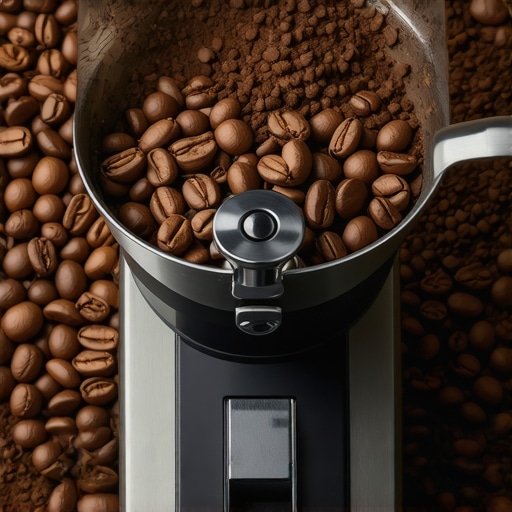
It was a morning just like any other, but as I ground my freshly roasted light beans, I noticed something odd—a sudden jamming, a stubborn clog that wouldn’t budge. Frustration set in. I’d been so excited to enjoy that bright, nuanced brew, only to be met with the dreaded grinder blockage. It hit me then: why do my light roasts always seem to cause these persistent clogs? That light bulb moment made me realize I wasn’t alone in this struggle, and there’s a reason behind it.
Why Light Roasts Can Make Your Grinder Protest
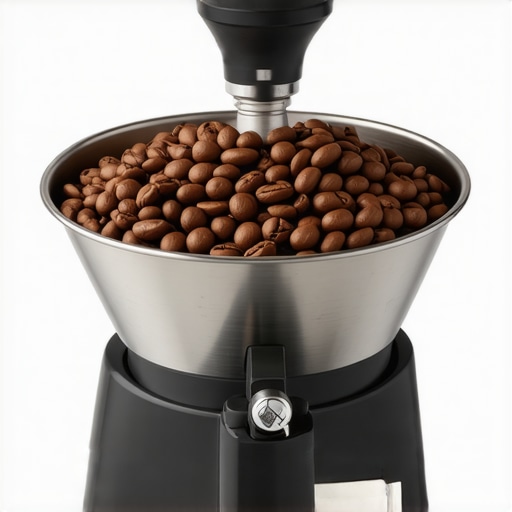
Light roasts are known for their delicate structure and lower oil content, which can sometimes spell trouble for grinders. Unlike dark roasts, which tend to be more brittle and easier to grind, light beans can create fine, sticky particles that cling to burrs and chute walls, leading to frequent blockages. I’ve learned through experience—and from fellow enthusiasts—that the key lies in understanding the unique properties of light roasts and adjusting our grinder maintenance routines accordingly.
Does This Mean My Grinder Is Flawed? Or Am I Doing Something Wrong?
Early on, I made the mistake of simply blaming my grinder without digging deeper. What I didn’t realize was that many of us fall into common pitfalls, like using inappropriate grind settings or neglecting regular cleaning, especially when dealing with these lighter beans. Recognizing this pattern and learning tailored solutions can save you hours of frustration and preserve your equipment’s lifespan. Curious? Read on, and I’ll show you how to prevent those pesky clogs from ruining your morning brew.
Start with Proper Grind Settings
Set your grinder to a slightly coarser setting than usual. When dealing with light roasts, finer grounds can lead to sticky particles that clog, similar to trying to pour sand through a sieve. I recall one morning I accidentally used my usual espresso grind for a light roast, resulting in a stubborn blockage; adjusting the grinder to a coarser setting immediately alleviated the issue and improved extraction. Experimenting with grind size is crucial for light beans.
Regularly Clean Your Grinder
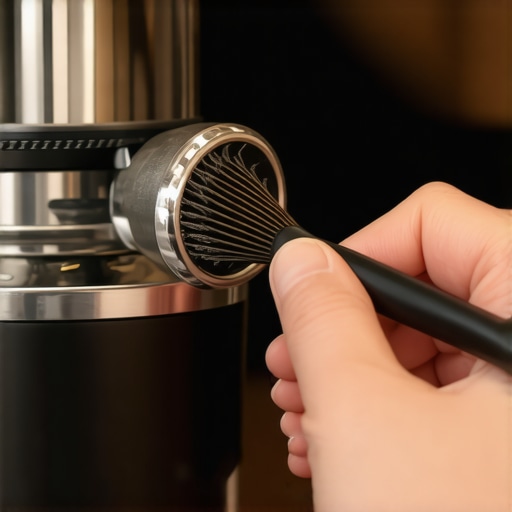
Build-up from fine particles is a common culprit. Use a brush or the ‘cleaning disc’ method to sweep out residual grounds weekly. For stubborn residue, run a small amount of rice through the grinder to absorb oils and clear the burrs—think of it as using a sponge to mop up oil spills. This prevents sticky grinds from accumulating and causing future blockages. Learn more about cleaning techniques at this guide.
Adjust Your Dosing Technique
Overfilling the basket can suffocate the grind flow, increasing chances of clogs. Use a scale to dose exactly the right amount—usually 18-20 grams for espresso baskets. When I started weighing my doses, I found that a slight reduce in dose prevented backpressure and reduced clogging. Implementing precise dosing is a game-changer in handling light roast grounds.
Use a Particle-Size Distribution Tool
Tools like a chalk test help verify uniform particle size, ensuring consistent flow. Variability in particle size causes uneven clogging—imagine a boulder blocking a narrow pipe while tiny pebbles flow freely. Regularly checking your burrs’ alignment can address this. For an easy start, perform this test once a month.
Manage Static Electricity
Light roasts tend to produce more static, causing fines to stick to your equipment. Use a damp cloth to wipe down your grinder and chute—think of it as grounding static to prevent cling. Plus, storing beans in moisture-resistant containers can help mitigate static buildup. This small step markedly reduces dust and fines that can cause jams.
Leverage Appropriate Accessory Choices
Consider using a smaller dosing cup or a micro-spoon for precise distribution. For my own setup, switching to a dedicated dosing funnel minimized spillage and uneven grounds, leading to smoother grinding sessions. Invest in accessories that promote even, consistent dosing, and avoid excess agitation that can generate static and fines.
Maintain Consistent Daily Routines
Establish a cleaning and adjustment schedule. For example, every evening, disassemble and clean the burrs and chute—it’s like tuning a musical instrument. I found that a quick nightly routine prevented build-up and kept my grinder running smoothly. Consistency prevents the surprise of sudden clogs and ensures your light roasts are handled with care.
Many coffee enthusiasts believe that choosing high-end espresso machines or the latest grinder guarantees perfect brews. However, even seasoned baristas know that overlooking subtle factors can sabotage your results. For example, a common misconception is that all burr grinders are created equal—when in reality, *retention and burr alignment* significantly affect consistency. Studies show that high-retention grinders can leave stale grounds, influencing flavor and clogging, which emphasizes the importance of selecting models with minimal residual buildup. Don’t fall for the myth that simply upgrading equipment solves all problems; attention to maintenance and calibration is essential. Moreover, a frequent mistake is neglecting **water temperature stability**; even slight fluctuations can cause sour or bitter shots. Advanced baristas use tools like PID controllers or conduct temperature checks at the group head, a practice I highly recommend for home setups. Have you ever fallen into this trap? Let me know in the comments. Additionally, many overlook the impact of static electricity—particularly when grinding fines from light roasts—causing grounds to stick and clog equipment. Using grounded tools or anti-static sprays can mitigate this issue. Another nuance is grinding **by sight alone**, which may seem intuitive, but precise weight-based dosing ensures uniform extraction, avoiding channeling or underextraction that compromises flavor. Remember, paying attention to these small details often separates an expert-level brew from an average cup. For more insights on optimizing your home barista setup, explore our guide on selecting the best barista gear or learn about milk frothers that truly elevate your drinks. Mastering these nuances turns a good coffee into an exceptional one, making your daily ritual a true art form.
Keeping It Working: Tools I Recommend for Home Coffee Enthusiasts
Maintaining your espresso setup isn’t just about cleaning; it’s about selecting precision tools that streamline your routine and prolong your equipment’s lifespan. I personally swear by a high-quality burr alignment gauge, like the chalk test, which ensures my grinder’s burrs stay perfectly aligned, guaranteeing consistent grind size and preventing clogs. For water quality management, a TDS meter helps monitor mineral content, vital for flavor and machine longevity. Regularly using an ultrasonic cleaner can remove stubborn coffee oils from group heads and portafilters—small investments that significantly keep your gear in prime condition.
When I notice a decline in extraction quality, I turn to my digital pressure gauge to verify pump pressure; maintaining optimal pressure is critical, and this simple method helps troubleshoot without costly devices. For cleaning, I rely on a small, dedicated brush set designed for narrow crevices—these make a noticeable difference compared to generic brushes. Remember, routine use of descaling solutions like citric acid, in conjunction with these tools, prevents mineral buildup that can cause long-term damage.
What About Long-Term Maintenance and Scaling Up?
As your skills and setup grow, scaling maintenance becomes essential. Regularly inspect and replace worn-gasket seals, which you can do easily by following guides like this detailed inspection. Investing in a variable speed grinder, for example, extends the lifespan and allows precise dialing-in, reducing waste and inconsistent shots—a trend I see growing among serious enthusiasts. Additionally, staying updated with software firmware, especially on electronic machines, can unlock newer features and performance improvements, ensuring your gear adapts to evolving standards.
How do I maintain my gear over time?
Adopt a disciplined routine: after each session, clean portafilters and group heads, descale every 3-6 months based on water hardness, and recalibrate grinders as needed. Documenting your maintenance schedule helps prevent overlooked tasks. For calibration, tools like regular alignment checks ensure consistent flavor profiles. I recommend setting reminders for these tasks to keep your setup in prime condition—it’s a small step that pays off with extraordinary coffee every morning.
By investing in specialized tools and establishing a routine, you not only ensure your machine keeps performing optimally but also extend its lifespan significantly. Looking ahead, innovations like smart sensors embedded in equipment could revolutionize how we maintain our gear—imagine alerts for descaling or burr alignment sent directly to your phone. Want to experience the benefits today? Try calibrating your grinder with a chalk test for precision grinding—your taste buds will thank you.
Understanding the unique challenges of light roasts has transformed the way I maintain my coffee setup. One revelation was recognizing that static buildup from these delicate beans often causes fines to cling stubbornly, leading to frequent jams. By grounding my grinder and switching to anti-static tools, I reduced clogs dramatically—simple tweaks, but changes that made my mornings smoother. Additionally, I discovered that regularly inspecting and realigning my burrs with the chalk test ensures consistent particle size, preventing uneven flow and blockages. These personal lessons underscore the importance of ongoing maintenance tailored specifically for light beans, turning frustration into confidence.